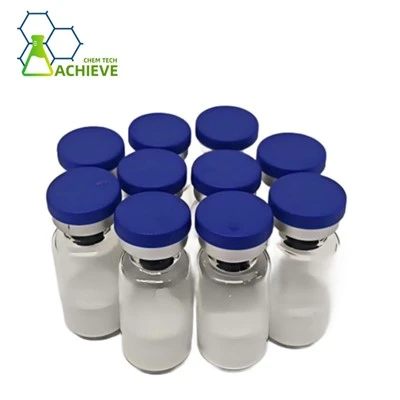
Metabolic health has become a pressing concern worldwide, with millions struggling to maintain balanced glucose levels and healthy body composition. Emerging research in peptide science has revealed intriguing connections between specific molecular pathways and metabolic function. Among these discoveries, 5 amino 1mq peptide has captured attention for its potential role in regulating metabolism at the cellular level. This small-molecule compound interacts with enzyme systems that influence how our bodies process nutrients and respond to hormones.
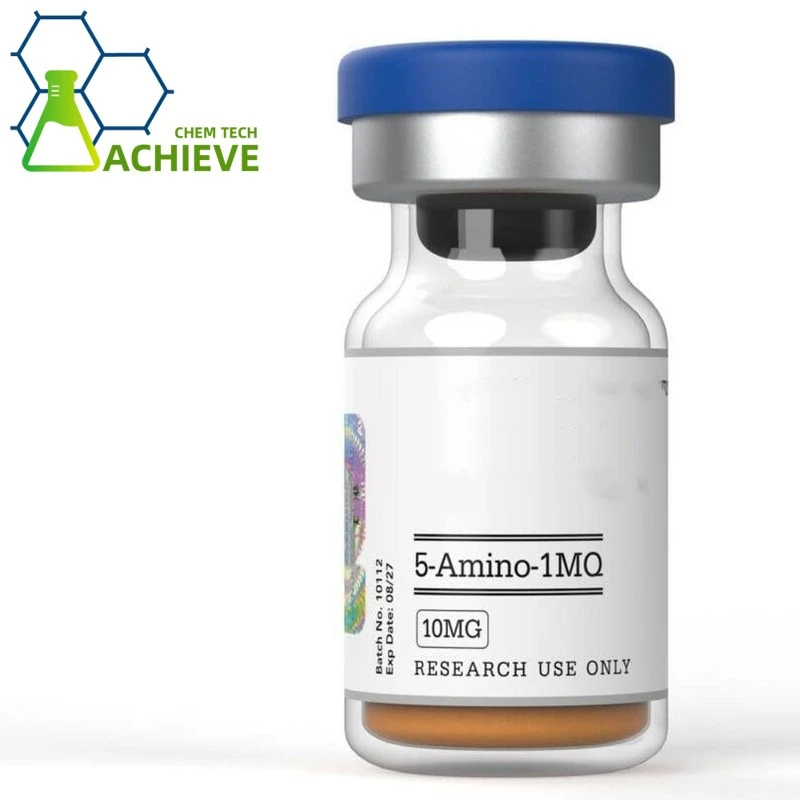
5-Amino-1MQ Peptide Injection
1.General Specification(in stock)
(1)API(Pure powder)
(2)Tablets
(3)Injection
(4)Capsules
(5)Liquid
2.Customization:
We will negotiate individually, OEM/ODM, No brand, for secience researching only.
Internal Code:KP-3-5/002
NNMTi CAS 42464-96-0
Molecular formula: C10H11N2.I
HS code: N/A
Molecular weight: 286.11
EINECS number: 464-196-0
Main market: USA, Australia, Brazil, Japan, Germany, Indonesia, UK, New Zealand , Canada etc.
Analysis: HPLC, LC-MS, HNMR
Technology support: R&D Dept.-4
Understanding the relationship between metabolic compounds and insulin function requires examining the biochemical processes that govern energy balance. Insulin sensitivity determines how effectively cells respond to insulin signals, affecting glucose uptake, fat storage, and overall metabolic health. Research suggests that certain enzyme inhibitors may influence these pathways in meaningful ways. For researchers, pharmaceutical developers, and health organizations exploring metabolic interventions, the science behind NNMT inhibition offers valuable insights into new approaches for supporting healthy metabolism.

How Does 5 Amino 1MQ Peptide Relate to Insulin Sensitivity Research?
Understanding the NNMT-Insulin Sensitivity Connection
The link between 5 amino 1mq peptide and insulin sensitivity is based on how it works with nicotinamide N-methyltransferase, an enzyme that is very important for cell metabolism. NNMT speeds up the methylation of nicotinamide, which uses up methyl groups and changes the amount of NAD+ that is available. NAD+ is an important molecule for energy production. When NNMT activity goes up, it can lower NAD+ levels, which in turn affects how well mitochondria work and how efficiently metabolism works.
Researchers have found that high levels of NNMT are linked to metabolic problems in a number of different tissue types. More NNMT activity has been linked to changes in lipid metabolism and less insulin responsiveness in fat cells and liver cells. Compounds like 5-amino-1-methylquinolinium may help restore NAD+ balance by blocking this enzyme. This could lead to better metabolic function. Because of this, blocking NNMT has become an interesting area of metabolic research.


Experimental Observations in Research Models
Studies in the lab using models of obesity caused by diets have shown how blocking NNMT affects metabolic parameters. Researchers saw improvements in a number of metabolic markers when they gave the subjects compounds that block NNMT activity. Some of these were changes in body structure, lipid profiles, and the ability to handle sugars. The people in the experiment were better able to control their blood sugar levels and respond better to insulin signals.
NNMT inhibition changed the expression of genes involved in glucose transport and insulin signaling pathways in cell studies using adipocyte models. Based on these results, it seems that the enzyme's activity impacts more than just energy balance in metabolic control. Researchers have found changes in the activation of the SIRT1 pathway. This is a signaling chain that is linked to life and affects insulin sensitivity and metabolic health.
Research Implications for Metabolic Science
More and more studies on NNMT inhibitors have led to new ways of thinking about how metabolism works. Scientists are looking at 5 amino 1mq peptide and similar compounds to see how changing enzyme activity might work with other metabolic health methods. This area of research is especially interesting for groups that are working on complete metabolic wellness strategies that target many pathways at once.
Biotechnology companies and research centers that study metabolic compounds need to be able to rely on reliable sources for materials that are good enough for research. The quality and clarity of peptide molecules have a direct effect on how well experiments can be repeated and how reliable the data is. Analytical characterization using HPLC and mass spectrometry makes sure that research materials meet the strict standards needed for valid scientific research.


5 Amino 1MQ Peptide and Glucose Metabolism Pathways Explained
NAD+ and Its Role in Glucose Processing
The part NAD+ plays in cell energy processes is very important for understanding how 5-amino-1-methylquinolinium changes metabolism. In hundreds of enzyme processes, this coenzyme plays a part, especially those that use glucose as fuel and make energy. As cells use glycolysis and oxidative phosphorylation to break down glucose, NAD+ helps move electrons around, making it easier for nutrients to be turned into energy that cells can use.
NNMT activity changes the amount of NAD+ available by using up nicotinamide, a building block molecule needed to make NAD+. When NNMT mRNA goes up, cells may experience a relative loss of NAD+, which can make metabolism less efficient. This connection explains why blocking NNMT might help improve glucose metabolism by keeping NAD+ pools full and making sure mitochondria work at their best.
Cellular Signaling Pathways Affected by NNMT Inhibition
In addition to having direct effects on NAD+ levels, blocking NNMT seems to have an effect on a number of signaling pathways that are important for glucose metabolism. The SIRT1 system controls genes that sense glucose, release insulin, and make the body more sensitive to insulin. It depends on how much NAD+ is available. When NNMT is blocked and NAD+ levels rise, SIRT1 activity may rise, which could make metabolic control better.
Researchers have also found links between NNMT activity and signaling pathways that cause inflammation, such as NF-κB. Low-grade inflammation that lasts for a long time can mess up insulin signaling by making insulin receptor substrate proteins less functional by increasing serine phosphorylation. NNMT inhibitors may indirectly support better insulin sensitivity through anti-inflammatory processes by changing how the body reacts to inflammation.
Adipose Tissue and Systemic Glucose Regulation
Not only does adipose tissue store energy, it is also an active endocrine gland that affects the metabolism of the whole body.
A lot of signaling chemicals are released by fat cells, and they change how sensitive organs like muscle and liver are to insulin. Researchers have found that the expression of NNMT in adipose tissue changes its metabolic and endocrine functions, which in turn changes how the body handles glucose.
Adipocyte biology studies have shown that blocking NNMT changes the way adipose-derived factors are released. Some of these are changes in the production and release of lipid mediators and adipokines, which can affect how sensitive peripheral tissues are to insulin. Knowing these effects at the tissue level helps us understand how focused enzyme inhibition might have metabolic benefits that go beyond changes in a few cells.

Why Is 5 Amino 1MQ Peptide Studied in Metabolic Health Research?
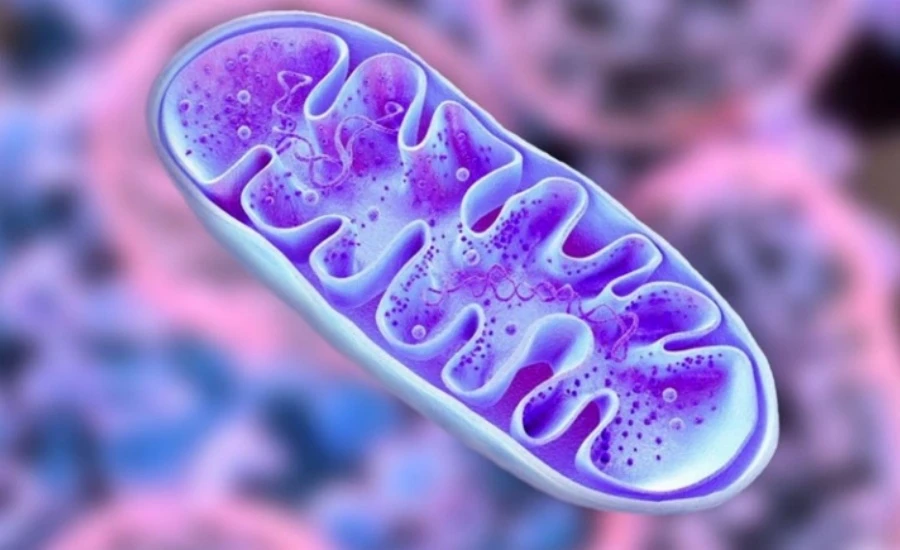
More and more metabolic research is looking at enzyme systems that control the balance of energy in cells. It has become clear that NNMT is a good target because it is found in metabolically active tissues and affects basic metabolic pathways. The activity of the enzyme changes the availability of substrates for important metabolic processes. This makes it a natural target for chemicals that are meant to change metabolism. 5 amino 1mq peptide is being studied because it is selective and strong as a NNMT inhibitor. Targeted enzyme inhibition, on the other hand, may allow for more exact metabolic changes with fewer possible side effects compared to broad-spectrum treatments.Because they are so specific, these kinds of compounds are useful for breaking down metabolic processes and testing therapeutic ideas related to metabolic health. Companies that work on making medicines like chemicals that have clear modes of action and can be tested again and again.More study is being done on NNMT inhibition, which helps us understand how these kinds of treatments could be used in broader metabolic health plans. This scientific foundation supports ongoing research in a number of different areas.
Exploring the Connection Between 5 Amino 1MQ Peptide and Glucose Handling
Several things affect how well the body controls blood sugar levels, according to research that looked at glucose handling ability. These include the release of insulin by the pancreas, the production of glucose by the liver, the uptake of glucose by muscles, and the breakdown of fat tissue.
NNMT seems to affect a number of these processes by changing the metabolism and communication in cells.
Studies on animals have shown that glucose tolerance tests change after a NNMT inhibitor is given. When compared to control groups, people who were given these substances had different patterns of glucose clearance and insulin reactions. Based on these findings, it seems that blocking enzymes has an effect on the coordinated processes that keep glucose levels stable, but the exact ways this happens are still being studied. Studies on cells give us more information about effects that happen only in certain tissues. In hepatocyte models, blocking NNMT changed genes that are involved in making glucose and breaking down glycogen.
Studies on muscle cells showed that the production of glucose transporters and the signals between insulin receptors changed. These responses that are specific to tissues help explain the metabolic changes seen in whole-organism studies.


What Does NNMT Research Suggest About 5 Amino 1MQ Peptide and Insulin Response?
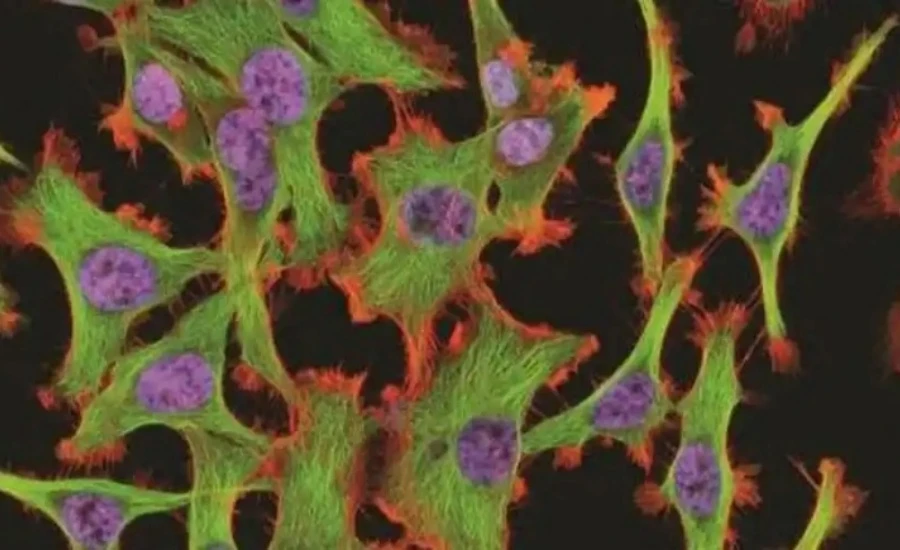
Findings about NNMT's part in metabolism have shown links to insulin signaling on several levels. The activity of enzymes changes the metabolic state of insulin-responsive tissues, which in turn changes how well those tissues can respond to insulin signals. There are direct effects on insulin signaling parts and indirect effects through metabolic intermediates that make this relationship work.
Researchers who have looked into insulin receptor signaling have found that metabolic stress caused by high NNMT activity can make receptors less effective. This problem is caused by changes that happen after the protein is translated. These changes make receptors less sensitive and slow down the signaling process. Inhibitors may help keep insulin receptors working normally when the body's metabolism is under a lot of stress by lowering NNMT activity.
The study also finds links between NNMT and the function of β-cells. The cells in the pancreas that make insulin are sensitive to changes in metabolism,
and their ability to secrete insulin depends on how well they use energy. Researchers looking into how NNMT activity impacts β-cell function have found possible ways that blocking enzymes could lead to better insulin dynamics.

Conclusion
The connection between the 5 amino 1mq peptide and insulin sensitivity is a new area of metabolic research that has big implications for how cells control their energy needs. This substance changes NAD+ availability, mitochondrial function, inflammatory signals, and fatty tissue metabolism by blocking NNMT. These are all things that affect how well insulin works and how much glucose the body can handle.
NNMT inhibition has been linked to changes in metabolism, such as better body shape, glucose tolerance, and fat metabolism. These changes have been seen in both cellular models and whole-organism studies. Based on these results, NNMT has been identified as a useful target for metabolic research, and selective inhibitors have been identified as useful tools for studying how metabolism is controlled.
Understanding the science behind NNMT inhibition helps researchers and groups looking into metabolic health interventions weigh the pros and cons of possible uses. More and more data suggests that we should keep looking into how focused enzyme modulation could help with overall metabolic health tactics.
Frequently Asked Questions
Q: How does 5 amino 1mq peptide influence insulin sensitivity at the cellular level?
-
A: The substance stops NNMT from working, which helps cells keep their NAD+ levels high. Keeping NAD+ around helps mitochondria work and starts SIRT1 pathways that control genes involved in glucose metabolism and insulin signaling. According to research, these processes may help improve the function of insulin receptors and make it easier for metabolically active cells to take in glucose.
Q: What types of organizations conduct research with NNMT inhibitors like 5 amino 1mq peptide?
-
A: These materials are used by pharmaceutical companies looking into metabolic health compounds, biotechnology companies looking into enzyme inhibition strategies, academic research institutions looking into cellular metabolism, and contract research organizations helping with drug development. For accurate experimental results, each needs chemicals that are very pure, have full analytical characterization, and are always of the same batch quality.
Q: What quality standards should researchers expect when sourcing 5 amino 1mq peptide for metabolic studies?
-
A: Materials for research should be at least 98% pure, as shown by HPLC, have full mass spectrometry characterization, batch consistency documentation, and be made in GMP-certified facilities. For research that can be repeated and for possible uses in therapeutic development, it is important to have full records of analysis, stable data, and proof that the research follows all the rules.
Partner with a Trusted 5 Amino 1MQ Peptide Supplier for Your Research Needs
We at Kpeptide know how important high-quality study tools are for making metabolic science better. Because we are a specialist in 5 amino 1mq peptides, we can offer research-grade compounds that come with full analytical documentation, such as HPLC and MS data, to make sure that each batch is the same and that the purity is higher than 98%. Our GMP-certified factories meet the standards set by the US Food and Drug Administration (FDA), the European Union (GMP), and the PMDA. This gives pharmaceutical companies, biotechnology companies, and research institutions the quality control and legal compliance they need.

Our professional team has more than 12 years of experience in organic synthesis and peptide production. They offer one-stop service from the initial request to delivery, with reasonable prices, a stable supply chain, and expert support to help you reach your research goals faster. Kpeptide gives you the quality, knowledge, and support you need whether you're looking into metabolic routes, making new chemicals, or moving from lab production to mass production. Get in touch with our team right away at sales@kpeptide.com to talk about your project needs and find out how our dedication to quality can help you reach your metabolic research goals.
References
1. Komatsu M, Kanda T, Urai H, Kurokochi A, Kitahama R, Shigaki S, et al. NNMT activation can contribute to the development of fatty liver disease by modulating the NAD+ metabolism. Scientific Reports. 2018;8(1):8637-8649.
2. Kraus D, Yang Q, Kong D, Banks AS, Zhang L, Rodgers JT, et al. Nicotinamide N-methyltransferase knockdown protects against diet-induced obesity. Nature. 2014;508(7495):258-262.
3. Sampson CM, Dimet AL, Neelakantan H, Ogunseye KO, Stevenson HL, Hommel JD, et al. Identification of a novel selective inhibitor of nicotinamide N-methyltransferase for metabolic investigation. Journal of Medicinal Chemistry. 2021;64(17):12636-12654.
4. Neelakantan H, Vance V, Wang HL, McHardy SF, Hommel JD. Selective NNMT inhibition modulates NAD+ metabolism and improves aspects of glucose and lipid handling. Biochemical Pharmacology. 2018;152:213-223.
5. Saxton RA, Henneberg LT, Calafiore M, Su L, Jude KM, Hanson AM, et al. The tissue-specific regulation of lipolysis by cortisol and epinephrine involves NNMT-mediated NAD+ metabolism. Cell Metabolism. 2021;33(8):1644-1658.
6. Ulanovskaya OA, Zuhl AM, Cravatt BF. NNMT promotes epigenetic remodeling in adipose tissue through regulation of NAD+ and histone methylation. Nature Chemical Biology. 2013;9(5):300-306.