In the fast-moving field of metabolism research, scientists are continuing to identify interesting links between cellular energy circuits and possible therapeutic targets. One substance that has drawn great attention is 5 amino 1mq peptide, a small molecule inhibitor that seems to be involved in important metabolic processes. This finding is especially interesting because of its link to NAD+ (nicotinamide adenine dinucleotide), a coenzyme that is essential to cellular function and energy generation.

5-Amino-1MQ Peptide Injection
1.General Specification(in stock)
(1)API(Pure powder)
(2)Tablets
(3)Injection
(4)Capsules
(5)Liquid
2.Customization:
We will negotiate individually, OEM/ODM, No brand, for secience researching only.
Internal Code:KP-3-5/002
NNMTi CAS 42464-96-0
Molecular formula: C10H11N2.I
HS code: N/A
Molecular weight: 286.11
EINECS number: 464-196-0
Main market: USA, Australia, Brazil, Japan, Germany, Indonesia, UK, New Zealand , Canada etc.
Analysis: HPLC, LC-MS, HNMR
Technology support: R&D Dept.-4
Investigation of substances like 5-Amino-1-methylquinolinium sheds fresh light on the control of metabolism by affecting NAD+ availability. Researchers throughout the globe are studying these systems to get a better understanding of cellular energy dynamics and their possible implications in metabolic health.

Why Is NAD+ Important in 5 Amino 1MQ Peptide Research?
NAD+ is a vital coenzyme present in practically all living cells that participates in hundreds of metabolic activities. This molecule plays a big part in producing energy, repairing DNA and transmitting messages between cells. It's challenging to maintain the metabolism operating properly without adequate NAD+ in the cell.
NAD+ as a Cellular Energy Currency
Imagine NAD+ as a delivery service in your cell. It takes electrons from the breakdown of nutrients and carries them to mitochondria, where they are turned into energy that may be used by the cell (ATP). This is how every part of you works . Oxidative phosphorylation . Your muscles , your brain , everything . Low NAD+ levels may make it more difficult for cells to generate energy, which can affect a variety of biological processes.
The NNMT Connection in Metabolic Regulation


Nicotinamide N-methyltransferase (NNMT) is an enzyme that catalyses the conversion of nicotinamide utilising precursors of NAD+ . More NNMT activity means cells have less of the building ingredients to generate NAD+, therefore there might be a metabolic delay. NNMT expression has been shown to be increased in specific metabolic conditions. It implies that the activity of this enzyme is related to the energy state of the cells. The 5 amino 1mq peptide comes into play as a specific NNMT blocker. This chemical may help keep NAD+ intermediates safe by decreasing NNMT activity. This will allow cells to keep making enough NAD+. The peptide can be used as a research tool to study how NAD+ is used because of this process.
NAD+ and the SIRT1 Longevity Pathway
The level of NAD+ in the cell directly influences sirtuin proteins, and notably SIRT1. These are proteins frequently termed "longevity proteins" because they assist cells remain healthy and fight stress. SIRT1 requires NAD+ as a cofactor for its proper function. When NAD+ levels decline, the activity of SIRT1 also declines,
potentially affecting the regulation of metabolism and the maintenance of cells. Studies have shown that blocking NNMT may make more NAD+ available, which may help SIRT1 work. This starts a chain reaction that could lead to better control of cellular metabolic processes. This is one reason why researchers pay close attention to the NAD+ link in 5-Amino-1MQ peptide studies.

5 Amino 1MQ Peptide and the NAD+ Metabolic Pathway
This peptide inhibitor affects the metabolism of NAD+ in a number of linked ways that scientists are still trying to fully understand.
NNMT Inhibition and NAD+ Precursor Conservation
NNMT adds a methyl group to nicotinamide (NAM), the major building block of NAD+. In this process, nicotinamide is not only degraded, but N-methylnicotinamide (MNA) is also produced, which removes possible building blocks for NAD+ from the cell pool. 5-Amino-1-methylquinolinium chloride inhibits NNMT, allowing nicotinamide to be converted back to NAD+ via the rescue pathway. Through this pathway, nicotinamide is recycled into nicotinamide mononucleotide (NMN) and NMN is further converted to NAD+. In principle, inhibiting NNMT allows for ongoing NAD + production by preserving nicotinamide availability. This helps cells save their energy currency supplies.
Metabolic Flexibility and Energy Substrate Utilization
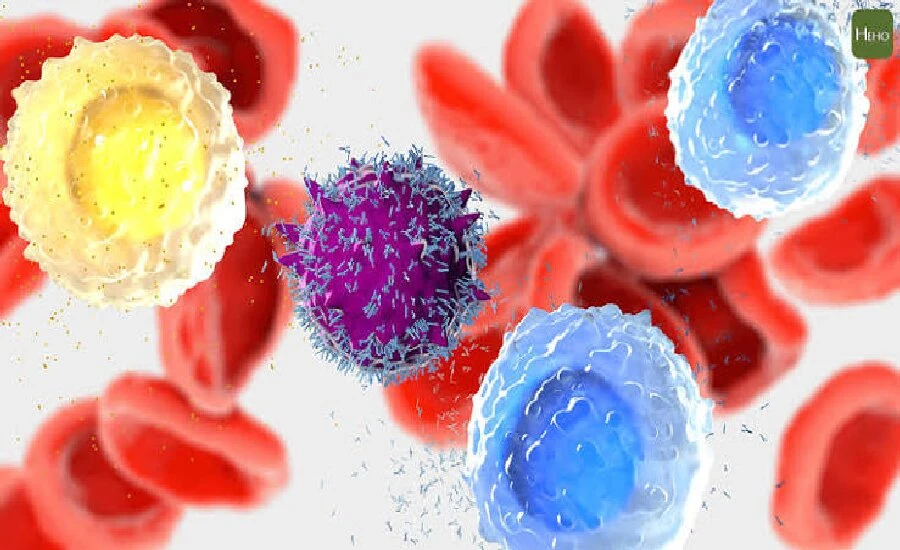
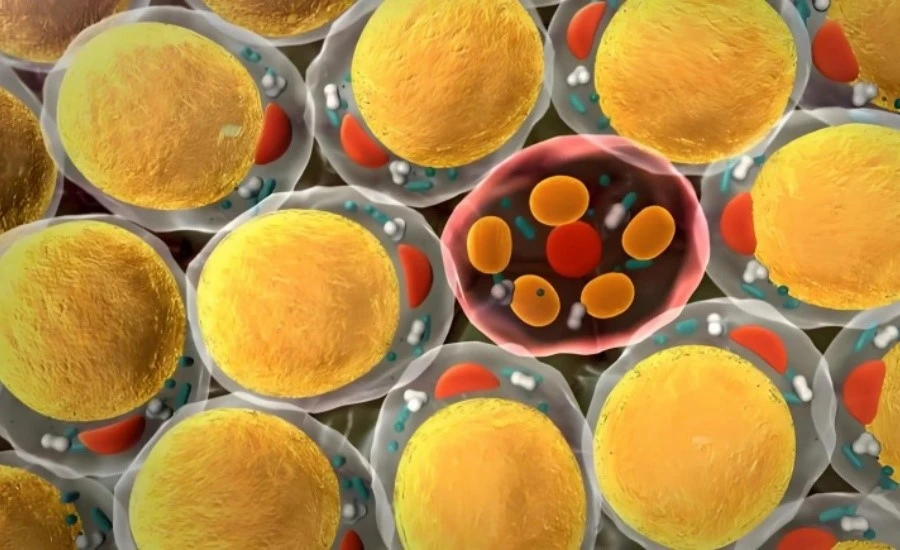
NAD+ is involved in both glycolysis and fatty acid oxidation, which are the two main ways that cells make energy. The balance between these pathways determines metabolic flexibility, which is the power to change fuel sources based on what's available and what the cell needs. Metabolic gene expression patterns have changed in studies that look into NNMT inhibitors. Some studies have found that genes that break down fatty acids are turned on more and markers for lipogenesis are turned off. These changes suggest that the amount of NAD+ available, which could be affected by stopping NNMT, may change how cells choose and use energy substrates.
Impact on Mitochondrial Function
Most of the processes that use NAD+ to make energy happen are inside mitochondria. These powerful cells need enough NAD+ to use the electron transport chain to turn resources into ATP quickly. NAD+ is also involved in quality control processes in mitochondria, which help cells keep their mitochondrial populations healthy.
Using animal models that were given the 5 amino 1mq peptide in experiments has shown signs of increased mitochondrial activity, such as higher oxygen use and energy expenditure. Even though these results don't show a clear link between the two, they do suggest that changes in NAD+ metabolism that come with NNMT inhibition may have an effect on mitochondrial function, which is an area that needs more research.

How Could 5 Amino 1MQ Peptide Affect NAD+ Availability?
Multiple cellular processes need to be looked at in order to figure out how NNMT inhibition might affect NAD+ levels.
Salvage Pathway Enhancement
The NAD+ salvage pathway is the main way that cells regenerate NAD+ and keep its amounts steady. Nicotinamide is broken down when NAD+ is used up. This route turns it back into NAD+ using the NAMPT and NMNAT enzymes in a two-step process. This salvage pathway is fought by NNMT, which changes nicotinamide into methyl group before it can be recycled. 5-Amino-1-methylquinolinium lowers the activity of NNMT, which makes more nicotinamide available for NAMPT to use. Studies in cell cultures have shown that stopping NNMT is linked to higher levels of NAD+ inside cells. This supports the idea that stopping nicotinamide methylation makes the rescue pathway work better.
Methyl Group Metabolism and SAM Dynamics


S-adenosylmethionine (SAM) is used by NNMT as a methyl source during the nicotinamide methylation process. Nicotinamide and SAM are both used up in this process, which affects two important biochemical pools at the same time. SAM is an important part of many biological processes because it is the universal methyl donor for hundreds of cellular reactions. The peptide may lower SAM consumption by blocking NNMT, which could have an effect on the overall dynamics of methylation. Some experts think that keeping SAM available could have an effect on epigenetic control and other processes that depend on methylation, but these links are still being looked into.
Tissue-Specific NAD+ Responses
NNMT is expressed at different levels in different tissues. Liver and fat tissue usually have higher levels of expression. This range of results shows that blocking NNMT might have different effects on the amount of NAD+ in different tissue types.
Tissue-specific biochemical changes have been seen in animal studies that use NNMT inhibitors.
Adipose tissue, which often has high levels of NNMT, seems to respond most strongly to suppression. On the other hand, tissues that already have lower levels of NNMT might not change as much. Researchers can guess where NAD+ modulation through NNMT inhibition might have the most significant effects by understanding how these tissues react in different ways.

5 Amino 1MQ Peptide, NAD+, and Cellular Energy Production
The link between stopping NNMT and making energy in cells is deeper than just making sure there is enough NAD+. It also includes controlling other metabolic processes.
ATP Generation and Energy Expenditure
ATP, or adenosine triphosphate, is the energy currency that cells use right away to do their work. NAD+ is an important part of making ATP through many processes, especially oxidative phosphorylation in mitochondria.
Studies looking into the 5 amino 1mq peptide have found that people who were treated with it used more energy without eating more. This finding suggests that more ATP is being made and used, which may be related to more NAD+ being available. A lot of researchers are interested in this result because it suggests that the substance changes the metabolism of cells to make them produce more energy.
Fatty Acid Oxidation and Lipid Metabolism
NAD+ abundance is very important for beta-oxidation, the method cells use to turn fatty acids into energy.


For each cycle of breaking down fatty acids, NAD+ needs to take electrons from other molecules. This makes NADH, which is then fed into the electron transport chain in the mitochondria. Animal models that were given NNMT inhibitors showed higher expression of genes that code for fatty acid oxidation enzymes, such as ATGL (adipose triglyceride lipase) and HSL (hormone-sensitive lipase). The results show that the people who were treated had less fatty tissue mass and better lipid profiles. This suggests that blocking NNMT may help break down fat and use it for energy production.
Glycolytic Flux and Glucose Metabolism
A lot of metabolic research is focused on fatty acid oxidation, but NAD+ is also needed for glucose metabolism through glycolysis. ATP and NADH are made when glucose is changed into pyruvate by the glycolytic pathway. Adequate NAD+ availability makes sure that glycolysis can work well when cells need to make energy quickly.
Researchers who have looked into blocking NNMT have seen better glucose handling and insulin sensitivity in some animal models. It's possible that these gains are due to more metabolic flexibility based on NAD+. This means that cells can better switch between glucose and fat fuel sources based on their needs.

Exploring the NAD+ Potential of 5 Amino 1MQ Peptide Research
Scientists are busy looking into many new study directions that come up when NNMT inhibition and NAD+ biology meet.
Research Applications in Metabolic Studies
5-Amino-1-methylquinolinium is a chemical that scientists use to study NAD+ processing and the effects it has. Researchers can see how changes in the availability of NAD+ affect the behavior of cells, the patterns of gene expression, and metabolic phenotypes by blocking NNMT selectively.
These studies have shown that changing the amount of NAD+ affects many molecular systems besides just making energy. Scientists have shown that NNMT inhibitors can change inflammatory signals, oxidative stress reactions, and the control of metabolic pathways in cells and animal models. Each discovery helps us learn more about NAD+ biology and its important role in how cells work.
Combination Studies with NAD+ Precursors


Some study groups have looked into what happens when you mix NNMT inhibitors with straight NAD+ precursors, like nicotinamide riboside (NR) or nicotinamide mononucleotide (NMN). The idea is that preventing NNMT from using up NAD+ and giving cells more precursors at the same time might have effects on NAD+ levels that work together.
Early results from these kinds of studies show that combining approaches may actually improve NAD+ availability more than either intervention alone. This area of study has the potential to help us figure out the best ways to support cellular NAD+ pools, but there is still a lot of work to be done to fully understand how these relationships work.
Limitations and Future Research Directions
Even though the results are promising, researchers are aware that there are some things they don't fully understand about the connection between the 5 amino 1mq peptide and NAD+.
Most of the data we have comes from studies with cells and models of animals, so it's not clear how it applies to human health.
Researchers are still trying to answer basic questions like, "What are the long-term effects of blocking NNMT for a long time on NAD+ metabolism?" How do differences in NNMT production caused by genes affect how different people react to inhibition? What other metabolic pathways might be affected by changes in the amount of NAD+ that is available? To find answers to these questions, more research needs to be done using a variety of experimental methods and model systems.

Conclusion
The connection between 5-Amino-1-methylquinolinium and NAD+ metabolism is an interesting area of metabolic study. This chemical seems to protect NAD+ intermediates by blocking NNMT. This could help cells make energy and keep their metabolism flexible. The processes are complicated and involve nicotinamide salvage routes, mitochondrial activity, and the use of metabolic substrates 5 amino 1mq peptide.
Currently, studies in cells and animals show that blocking NNMT affects the availability of NAD+ and the metabolic processes that go along with it. Based on these results, the peptide could be used as a useful study tool to learn more about NAD+ biology and metabolic regulation methods.
Scientists keep finding out more about how the abundance of NAD+ changes the health and function of cells and the metabolism. The 5-Amino-1MQ peptide is still a useful chemical for studying these connections because it helps us understand basic things about how cells use energy and control metabolic pathways.
Frequently Asked Questions
1.What is the relationship between 5 amino 1mq peptide and NAD+ levels?
-
The 5-Amino-1-methylquinolinium molecule stops NNMT from working, which may help protect nicotinamide (an NAD+ precursor) by stopping it from being methylated. This might help cells keep making NAD+ or even make more of it through salvage pathways, which is good for their energy metabolism.
2.How does NNMT inhibition affect cellular energy production?
-
NNMT suppression seems to have an effect on energy output by keeping NAD+ available, which is important for mitochondria to work and for making ATP. Researchers have seen that experimental models treated with NNMT inhibitors use more energy and burn fatty acids more efficiently, which suggests that the metabolism is working better.
3.Can 5 amino 1mq peptide research help us understand NAD+ biology better?
-
Of course. Scientists can study how changes in the availability of NAD+ affect many cellular processes, ranging from gene expression to energy metabolism, by using selective NNMT inhibitors as research tools. These works add to our knowledge of NAD+ biology and its part in controlling metabolism.
Partner with Kpeptide for Your 5 Amino 1MQ Peptide Research Needs
Looking for a dependable source of 5 amino 1mq peptides to help with your research? Kpeptide sells chemicals that are good for study and are backed by a lot of analytical data, strict quality control, and GMP-certified production. We have been making organic compounds and peptides for more than 12 years, so we can give you the purity (≥98%), batch uniformity, and legal compliance that your study needs.
Our professional team knows how important metabolic research is and includes full HPLC and MS documentation with every batch. Kpeptide gives your research the quality and dependability it needs, whether you're looking into NAD+ metabolism, metabolic pathway studies, or new therapeutic targets.

Are you ready to move your NAD+ and metabolism studies forward? Send an email to sales@kpeptide.com right now to get product details, analytical certificates, and custom synthesis options that are made to fit your research needs.
References
1. Kraus D, Yang Q, Kong D, et al. Nicotinamide N-methyltransferase knockdown protects against diet-induced obesity. Nature. 2014;508(7495):258-262.
2. Kannt A, Rajagopal S, Kadnur SV, et al. A small molecule inhibitor of Nicotinamide N-methyltransferase for the treatment of metabolic disorders. Scientific Reports. 2018;8:3660.
3. Campagna R, Mateuszuk L, Wojnar-Lason K, et al. Nicotinamide N-methyltransferase in endothelium protects against oxidant stress-induced endothelial injury. Biochimica et Biophysica Acta Molecular Cell Research. 2021;1868(1):118889.
4. Neelakantan H, Vance V, Wetzel MD, et al. Selective and membrane-permeable small molecule inhibitors of nicotinamide N-methyltransferase reverse high fat diet-induced obesity in mice. Biochemical Pharmacology. 2018;147:141-152.
5. Cantó C, Menzies KJ, Auwerx J. NAD+ metabolism and the control of energy homeostasis: a balancing act between mitochondria and the nucleus. Cell Metabolism. 2015;22(1):31-53.
6. Hwangbo DS, Lee HY, Abozaid LS, Min KJ. Mechanisms of lifespan regulation by calorie restriction and intermittent fasting in model organisms. Nutrients. 2020;12(4):1194.