The scientific community is growing interested in metabolic therapies that target particular enzymatic pathways to treat obesity and associated metabolic diseases. Among these novel molecules, 5 amino 1mq peptide has attracted interest because of its unique capacity to control cellular energy metabolism via a well known biochemical mechanism. This knowledge about the molecular mechanism of this small-molecule inhibitor could be useful for its possible uses in metabolic studies and control of adipose tissue.
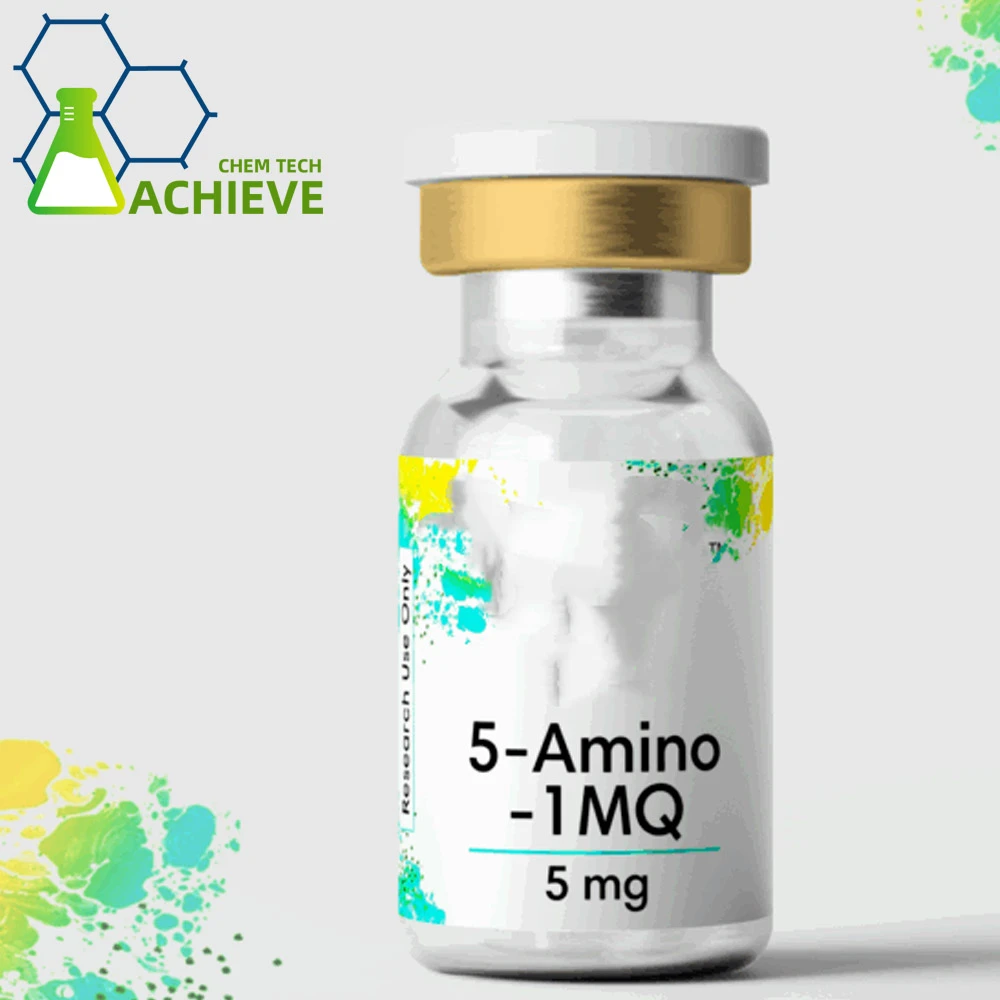
5-Amino-1MQ Peptide Injection
1.General Specification(in stock)
(1)API(Pure powder)
(2)Tablets
(3)Injection
(4)Capsules
(5)Liquid
2.Customization:
We will negotiate individually, OEM/ODM, No brand, for secience researching only.
Internal Code:KP-3-5/002
NNMTi CAS 42464-96-0
Molecular formula: C10H11N2.I
HS code: N/A
Molecular weight: 286.11
EINECS number: 464-196-0
Main market: USA, Australia, Brazil, Japan, Germany, Indonesia, UK, New Zealand , Canada etc.
Analysis: HPLC, LC-MS, HNMR
Technology support: R&D Dept.-4
The study delves further into the detailed mechanism of biological activity of 5 amino 1mq peptide, investigating its interaction with target enzymes, its impact on key metabolic pathways, and the resulting repercussions that lead to disruption of cellular energy balance. Whether you are a research professional looking for new metabolic modulators or a pharmaceutical developer seeking dependable peptide sources, understanding these mechanistic nuances is vital for making educated decisions.

How Does 5 Amino 1MQ Peptide Interact With NNMT?
The Molecular Target: Nicotinamide N-Methyltransferase
The primary mechanism of action of the 5 amino 1mq peptide is to inhibit nicotinamide N-methyltransferase (NNMT). The enzyme is very important for cell metabolism because it helps convert nicotinamide to nicotinamide adenine dinucleotide by methylating it. For this it uses S-adenosylmethionine as a methyl group donor. Obesity is associated with a substantial rise in the expression level of NNMT in adipose tissue, liver and skeletal muscle. This leads to metabolic instability and decreased availability of NAD+.
The peptide binds selectively and inhibits the active site of NNMT. The chemical has a quinolinium structure (like nicotinamide) that permits it to compete for the catalytic domain of the enzyme. After binding, the molecule inhibits the enzyme from methylating nicotinamide, which in turn inhibits nicotinamide from being converted to N-methylnicotinamide. This competitive inhibition is rather specific, as it does not have many unwanted effects on other methyltransferases or metabolic enzymes.
Binding Characteristics and Selectivity
The 5 amino 1mq peptide is highly selective for NNMT because of its structure. The stiff quinoline ring structure fits into the binding pocket of the enzyme flawlessly. The amino group and methyl substituent increase the binding affinity via hydrogen bonding and water-free interactions. The binding characteristics were validated by determining dissociation constants in the low micromolar range using crystallography and molecular modelling.
That separates the drug from broad-spectrum enzyme inhibitors, which may interfere with many metabolic processes simultaneously. The peptide solely targets NNMT, enabling investigators to isolate and examine the effects of this particular enzyme pathway on metabolism throughout the body. NNMT activity over time is also attributed to the reversible binding mechanism of the inhibitor, allowing the function of the enzyme to be modified based on the quantity.
Cellular Uptake and Distribution
5 amino 1mq peptide exhibits high cell membrane penetration after administration due to its tiny molecular weight and chemical properties. The chemical quickly crosses lipid bilayers and accumulates in tissues with high levels of NNMT, such as the liver and adipose tissue. This diffusion pattern is consistent with therapeutic aims of metabolic regulation, i.e. reaching the proper tissues with the inhibitor.

5 Amino 1MQ Peptide and the Biochemistry of Nicotinamide Methylation
The Nicotinamide Methylation Pathway
You know the biology of nicotinamide methylation then it is simpler to understand how 5 amino 1mq peptide influences cellular metabolism. In normal physiological function, NNMT transfers a methyl group from S-adenosylmethionine to nicotinamide. This gives N-methylnicotinamide and S-adenosylhomocysteine. This mechanism modulates the flow through the NAD+ salvage route and the capacity of cells to methylate.
Adding methyl groups to nicotinamide is a biological milestone. High NNMT activity inhibits the salvage mechanism that converts nicotinamide back to NAD. This alteration decreases the solubility of NAD+, which subsequently impacts several enzymes that need NAD+, including sirtuins, poly(ADP-ribose) polymerases and various dehydrogenases. Evidence indicates that excessive NNMT activity in overweight individuals results in a relative NAD⁺ deficiency, impairing metabolic efficiency.
Impact on Methylation Balance
The NNMT reaction employs S-adenosylmethionine.
This is because it is the universal methyl donor for hundreds of methylation processes in the cell. This may explain how upregulated NNMT activity might decrease S-adenosylmethionine levels, which can influence epigenetic modifications, phospholipid biosynthesis and neurotransmitter metabolism. The 5 amino 1mq peptide inhibits NNMT and maintains the levels of Sadenosylmethionine stable, which keeps the cells' capacity to methylate steady. Researchers examining global methylation patterns in cells treated with the peptide discovered the patterns changed compared to untreated fat models. Normalisation alters DNA and histone methylation, which influences not only the availability of substrates but also the gene expression patterns. So it's not only the inhibitory impact on the methylation biochemistry, there's also bigger alterations in epigenetics and metabolism.
NAD⁺ Salvage Pathway Enhancement
The 5 amino 1mq peptide successfully sends more nicotinamide substrate into the NAD⁺ rescue pathway by stopping nicotinamide methylation.
This process, which is run by nicotinamide phosphoribosyltransferase, changes nicotinamide back to NAD+, which fills up the NAD+ pools inside cells. The amounts of NAD⁺ in treated cells rise by 30 to 50 percent compared to control cells, depending on the type of tissue and the level of NNMT expression. More NAD+ changes how cells utilise energy a lot . NAD + is an essential component of glycolysis, citric acid cycle and oxidative phosphorylation. More NAD+ speeds up these activities, increasing the metabolic rate and ATP production of cells . In addition, NAD⁺ activates sirtuin enzymes, most notably SIRT1, which deacetylates a variety of metabolic regulatory proteins. This allows mitochondria to develop and burn fat.
From NNMT Blocking to Metabolic Changes: 5 Amino 1MQ Peptide
The Cascade From Enzyme Inhibition to Metabolic Reprogramming
When the 5 amino 1mq peptide blocks NNMT, it starts a metabolic chain reaction that changes the way cells process energy in a fundamental way. The immediate biochemical effect is that there is more NAD⁺ available, but this is only the start of a long series of metabolic changes. The higher NAD+/NADH ratio means that the mitochondrial redox state is better, which sets off adaptation reactions in pathways that sense energy.
Within hours of blocking NNMT, cells show higher oxidative metabolism. When the electron transport chain works better and there are more NAD+ cofactors available, mitochondrial respiration goes up. This change in metabolism takes cells from glycolytic metabolism to oxidative phosphorylation, which is a better way to make ATP. The change can be seen in measurable ways, such as higher heat production, higher oxygen consumption, and lower lactate output.
The metabolic reset includes changes in how substrates are used. When cells are treated with the peptide,
they have better fatty acid beta-oxidation, which means they burn stored fats for energy instead of glucose. This change in substrate is especially important in adipose tissue, where it helps get triglyceride stores out of storage and burning them. Gene expression profiling shows that peptide treatment increases the levels of fatty acid transport proteins, carnitine palmitoyltransferase, and other beta-oxidation enzymes.
Transcriptional and Post-Translational Metabolic Regulation
5 amino 1mq peptide changes metabolism in a way that includes both controlling transcription and changing proteins after they have been made. Elevated NAD⁺ turns on SIRT1 and deacetylates key transcription factors, such as PGC-1α (peroxisome proliferator-activated receptor gamma coactivator). When PGC-1α is deacetylated, it becomes transcriptionally active and starts to make mitochondrial biogenesis genes and oxygen metabolism enzymes. At the same time, metabolic adaptability is helped by other processes that depend on NAD+. AMP-activated protein kinase, a cellular energy sensor,
is more active in cells that have been treated with peptides. This is because efficient oxidative metabolism creates more energy. This kinase phosphorylates and starts catabolic pathways while stopping anabolic processes. This makes the metabolic shift even stronger, directing more energy out of the body.
Adipogenic transcription factors are also affected by the peptide. In preadipocytes treated with the substance, the levels of peroxisome proliferator-activated receptor gamma and CCAAT/enhancer-binding protein alpha were found to be lower. These transcription factors normally control the differentiation of adipocytes, and when they are stopped from working, fewer new mature adipocytes are made. This anti-adipogenic effect works with the increased lipolysis in current adipocytes to lower the overall amount of adipose tissue.

Cellular Energy Pathways Influenced by 5 Amino 1MQ Peptide Research
Mitochondrial Function Enhancement
Researchers looking into how cells get their energy have found that the 5 amino 1mq peptide makes mitochondria work much better in a number of ways. When the inhibitor is added to cells, the mitochondrial membrane potential goes up. This means that the electrochemical gradient is maintained more effectively. This improvement means that the body can make more ATP. Depending on the type of tissue and its metabolic state, measurements show that cellular ATP levels rise by 20 to 40 percent.
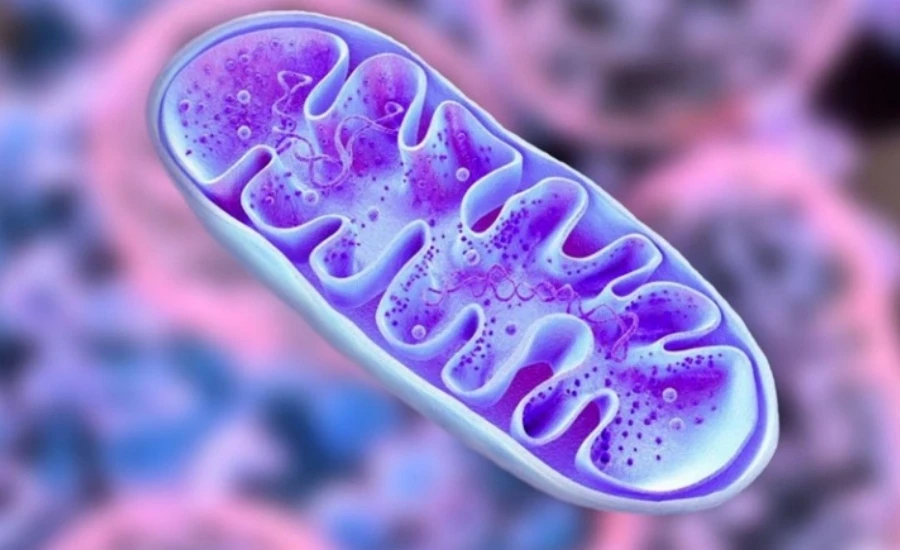
Another way that the peptide affects cellular energy systems is through mitochondrial biogenesis. The cells that are treated gain more mitochondria and better mitochondrial quality by turning on SIRT1 and inducing PGC-1α. Studies using electron imaging have shown that peptides raise the number of mitochondria in adipocytes and hepatocytes, which is linked to higher oxidative ability.
The better mitochondrial performance includes changes in how the mitochondria work and how they keep track of quality
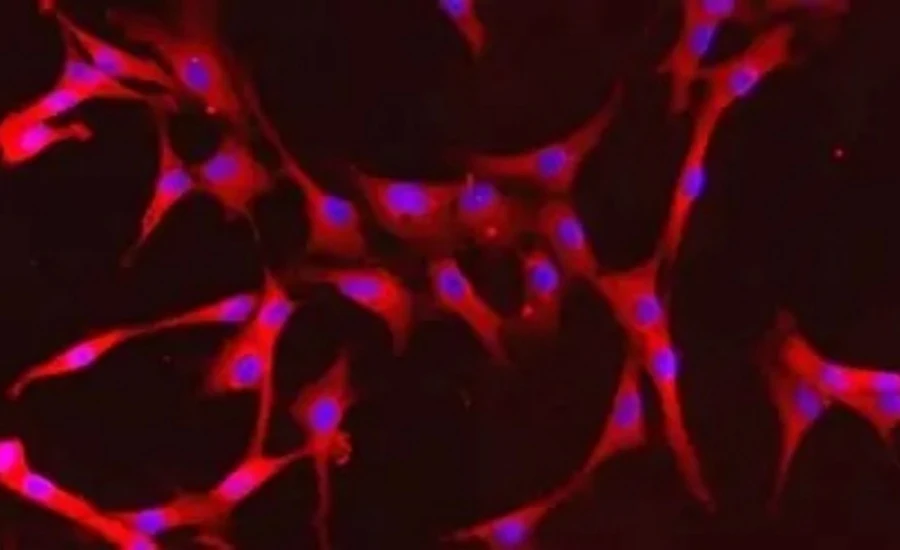
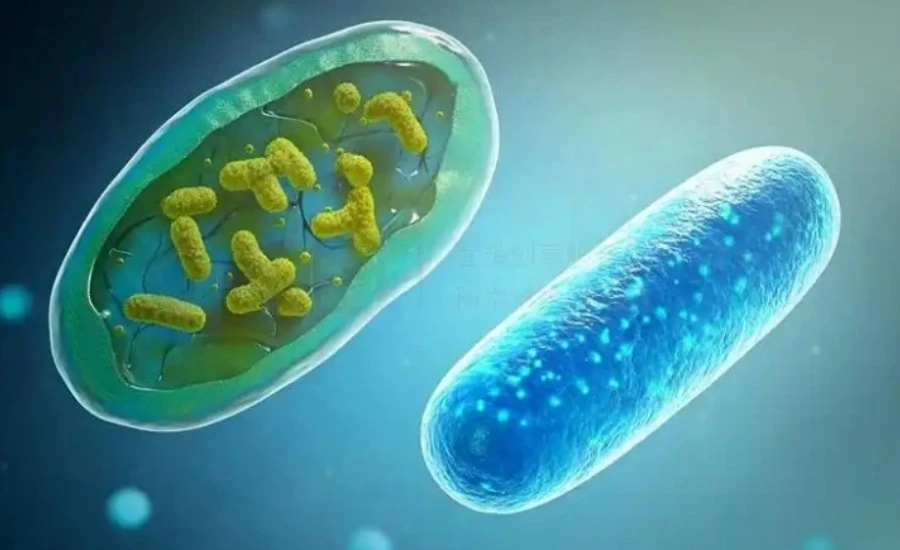
There is evidence that treating cells with 5 amino 1mq peptides encourages mitochondrial fusion over fission, which makes mitochondrial networks longer, which is linked to better oxygen metabolism. It has also been seen that enhanced mitophagy, the process of selectively destroying broken mitochondria, keeps the mitochondrial population healthy.
Adipocyte Metabolic Remodeling
NNMT inhibition remodels adipocyte metabolism by increasing HSL and ATGL activity while reducing FAS and ACC, shifting the balance toward fat breakdown and oxidation. This coordinated suppression of fat synthesis and promotion of lipolysis may reduce lipid accumulation. Treatment may also increase UCP1 expression, enhancing thermogenesis and energy expenditure.
Hepatic Metabolic Impact
A treatment with 5 amino 1mq peptide changes the liver's metabolism in a big way.
Hepatic NNMT expression is especially high in fatty liver conditions caused by obesity. This makes this tissue very sensitive to blocking NNMT. Animals that were treated have less triglyceride buildup in their livers; tests show that their liver lipid level is 40–60% lower than that of obese controls.
There are several processes that work together to improve liver metabolism. Hepatocytes that are better at burning fatty acids get rid of more lipids that come from breaking down fat in the body. Less liver lipogenesis means less creation of new fatty acids from carbohydrate sources.
These effects work together to reverse hepatic steatosis, making the liver's structure and function more like they should be.
Hepatic insulin sensitivity gets better after peptide treatment, in part because lipids lower insulin resistance.
When there is less lipid buildup in the liver, lipid metabolites like diacylglycerol and ceramides are made less, which can mess up insulin signaling.
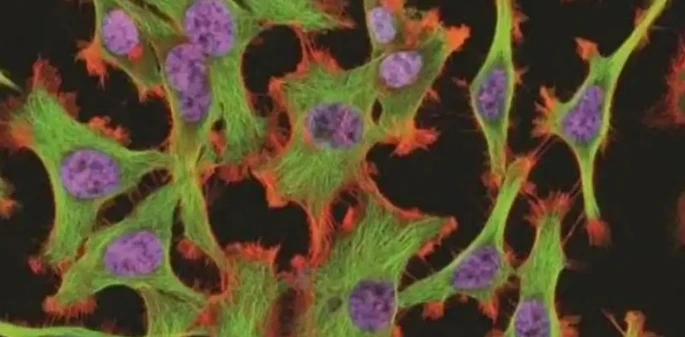
Better insulin sensitivity makes it easier for the liver to handle glucose, which helps keep glucose levels in the body in balance.

5 Amino 1MQ Peptide Mechanism: Following the Metabolic Chain
Systemic Energy Balance Alteration
When 5 amino 1mq peptide affects many tissues at once, it changes the systemic energy balance in a fundamental way. A negative energy balance is created when oxidative metabolism is sped up, which makes the body use more energy, and fat tissue stores less energy. This causes weight loss. Animal studies consistently show that people who are treated with peptides lose weight even though they eat the same amount of food. This shows that the effect happens through energy expenditure rather than appetite suppression.
The hormonal effects on the whole body go beyond just losing weight. Insulin sensitivity in the whole body gets better, as shown by better glucose tolerance and lower insulin levels when you wake up. This change comes from both direct effects on cells that respond to insulin and secondary effects from less inflammation in adipose tissue. Plasma lipid profiles return to normal, with triglycerides and total cholesterol levels dropping closer to those seen in healthy, lean people.
Energy homeostasis management is a complicated process involving metabolic control centers in the central nervous system and cells in the periphery.
It seems that when the peripheral metabolic function gets better after peptide treatment, it sends feedback messages that make the central metabolic control work better. This systemic integration leads to long-lasting metabolic benefits that go beyond the molecular effects of blocking NNMT.
Temporal Dynamics of Metabolic Response
There are clear patterns in the time patterns of the metabolic response to the 5 amino 1mq peptide. Acute effects happen within hours and mostly involve increasing NAD+ and changing metabolic flux right away. Within days, transcriptional reactions become clear as changed gene expression starts to change the way cells use energy. Changes in structure, like mitochondrial biogenesis and fat tissue transformation,
happen over a period of weeks. For the peptide to work best in study settings, it is important to understand how these timing changes affect things. Short-term studies are good for looking at biochemical reactions and pathway activity right away, but longer studies are needed to look at long-term metabolic changes and tissue reshaping. The rhythm of time also affects dosing methods; for example, constant exposure has different effects than irregular administration. Reversibility is another thing to think about when it comes to time. Studies that looked at what happened when peptide treatment stopped show that metabolic improvements last for days to weeks after treatment stops. This suggests that some adaptive changes can last on their own, at least temporarily. This feature sets NNMT inhibition apart from interventions that need to be present all the time to work.
Integration With Other Metabolic Pathways
5-amino-1MQ interacts with multiple metabolic pathways by altering NAD⁺ metabolism, potentially affecting circadian rhythms, nutrient-sensing mTOR signaling, and inflammatory responses.
Increased NAD⁺ availability may support DNA repair and reduce inflammation, while methylation changes can influence inflammatory gene expression. Together, these effects may improve metabolic function and reduce obesity-related chronic inflammation.

Conclusion
The way that the 5 amino 1mq peptide works is a complex example of targeted metabolic modulation. This drug selectively blocks NNMT, which sets off a chain of molecular events that completely changes how cells use energy. Each link in the chain affects fatty tissue, liver function, and energy balance in the body in a different way. It starts with blocking enzymes, then increases NAD+, turns on sirtuin, and ends with changing the whole metabolism.
Understanding these molecular details is important for researchers looking into metabolic changes and drug makers looking into new ways to treat illnesses. The peptide's power to affect many linked pathways through a single, clear molecular target shows the promise of metabolic modulators that work by changing how metabolism works.
Frequently Asked Questions
1.What makes 5 amino 1mq peptide selective for NNMT compared to other enzymes?
-
The quinolinium structure of the 5 amino 1mq peptide is similar to nicotinamide, which is NNMT's natural substrate. This lets it bind to the enzyme's active site more than one thing at a time. The quinoline ring, amino group, and methyl tag are arranged in a way that makes the molecular shape fit perfectly into NNMT's binding spot while not attaching to other methyltransferases or metabolic enzymes. Because of this structural complementarity and the best hydrogen bonding and hydrophobic interactions, the dissociation constants for NNMT are in the low micromolar range.
2.How quickly do metabolic changes occur after 5 amino 1mq peptide administration?
-
Metabolic responses happen in a certain order over time. As soon as nicotinamide methylation is stopped, NAD⁺ levels rise within hours. This lets more substrates into the salvage pathway. Within 24 to 48 hours, SIRT1 and other NAD+-dependent enzymes start to change how proteins are acetylated and how genes are expressed. Within days, changes can be seen in how mitochondria work and how fatty acids are burned. Over the course of weeks of treatment, fundamental changes like mitochondrial biogenesis and adipose tissue reshaping happen.
3.Does 5 amino 1mq peptide affect tissues beyond adipose tissue and liver?
-
There are stronger effects on fatty tissue and liver because they have a lot of NNMT. However, the peptide affects metabolism in many organ systems. After treatment, skeletal muscle has better oxidative capacity and mitochondrial function. Vascular endothelium has less signals for inflammation. Even tissues with lower levels of NNMT expression still benefit indirectly from changes in the body's metabolism, such as better insulin sensitivity and lower levels of inflammatory factors in the blood.
Partner With a Trusted 5 Amino 1MQ Peptide Supplier: Kpeptide
Figuring out how 5 amino 1mq peptide works is only the beginning. To get high-quality, reliable materials for your study or development projects, you need to work with a 5 amino 1mq peptide provider with a lot of experience. Kpeptide has more than 12 years of experience in organic synthesis and making peptides. They do business in GMP-certified facilities that are approved by regulatory bodies in the US, EU, Japan, and the CFDA. Our strict three-layer quality control method makes sure that every batch meets the highest standards for purity (≥98%). This is backed up by detailed analytical paperwork that includes HPLC, MS, and stability data.

We are approved providers to 24 well-known pharmaceutical and biotechnology companies around the world, so we know how important consistency, following the rules, and expert help are for the success of your study. Our professional team offers one-on-one service, clear pricing, and reliable supply chain management, whether you need research-grade quantities for early studies or scalable bulk manufacturing for later stages of development. We want you to see how Kpeptide's peptide quality and customer service are different.
Get in touch with our knowledgeable staff right away at sales@kpeptide.com to talk about your 5 amino 1mq peptide needs and find out how our skills can help speed up your metabolic research projects.
References
1. Kraus D, Yang Q, Kong D, et al. Nicotinamide N-methyltransferase knockdown protects against diet-induced obesity. Nature. 2014;508(7495):258-262.
2. Ulanovskaya OA, Zuhl AM, Cravatt BF. NNMT promotes epigenetic remodeling in cancer by creating a metabolic methylation sink. Nature Chemical Biology. 2013;9(5):300-306.
3. Hong S, Moreno-Navarrete JM, Wei X, et al. Nicotinamide N-methyltransferase regulates hepatic nutrient metabolism through Sirt1 protein stabilization. Nature Medicine. 2015;21(8):887-894.
4. Komatsu M, Kanda T, Urai H, et al. NNMT activation can contribute to the development of fatty liver disease by modulating the NAD+ metabolism. Scientific Reports. 2018;8(1):8637.
5. Sampson CM, Dimet AL, Neelakantan H, et al. Identification of a novel small molecule inhibitor of nicotinamide N-methyltransferase with anti-obesity effects. Journal of Medicinal Chemistry. 2021;64(7):3833-3849.
6. Verdone L, Agricola E, Caserta M, Di Mauro E. Histone acetylation in gene regulation. Briefings in Functional Genomics & Proteomics. 2006;5(3):209-221.