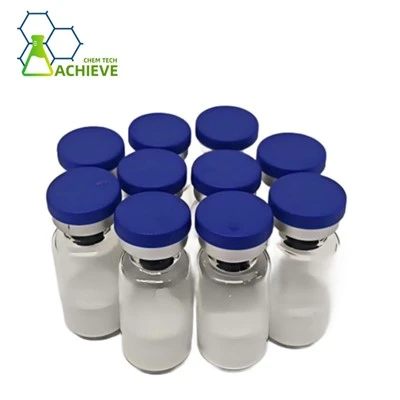
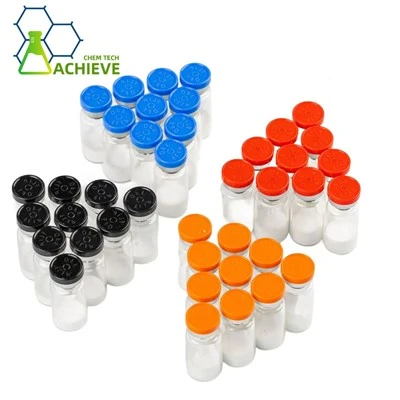
Metabolic health has become a central concern for researchers and healthcare professionals worldwide. Among emerging therapeutic compounds, 5 amino 1mq peptide injection stands out for its unique approach to metabolic regulation. This small molecule works by targeting a specific enzyme called nicotinamide N-methyltransferase (NNMT), which plays a surprisingly influential role in how your body manages energy, stores fat, and maintains cellular health. Understanding how NNMT inhibition triggers downstream metabolic changes provides valuable insight into why this compound has attracted attention in weight management and metabolic optimization research.
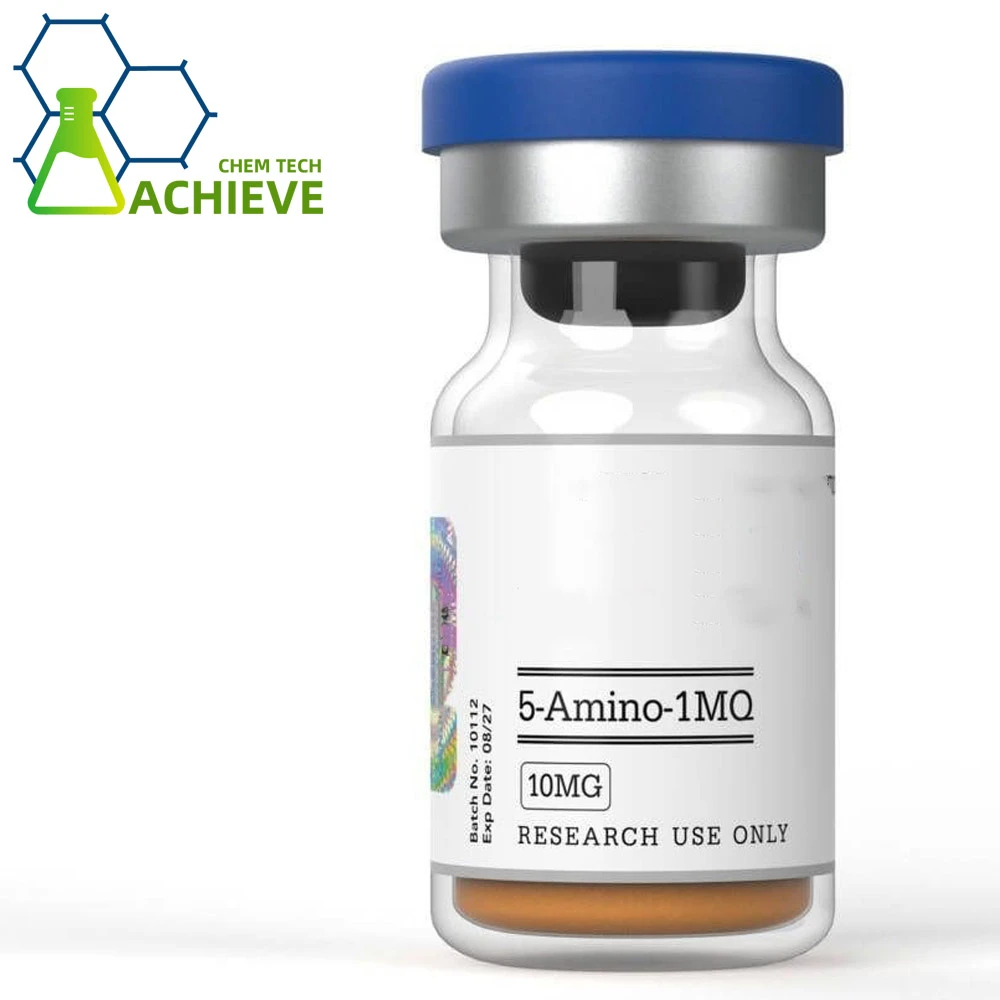
5-Amino-1MQ Peptide Injection
1.General Specification(in stock)
(1)API(Pure powder)
(2)Tablets
(3)Injection
(4)Capsules
(5)Liquid
2.Customization:
We will negotiate individually, OEM/ODM, No brand, for secience researching only.
Internal Code:KP-3-5/002
NNMTi CAS 42464-96-0
Molecular formula: C10H11N2.I
HS code: N/A
Molecular weight: 286.11
EINECS number: 464-196-0
Main market: USA, Australia, Brazil, Japan, Germany, Indonesia, UK, New Zealand , Canada etc.
Analysis: HPLC, LC-MS, HNMR
Technology support: R&D Dept.-4
The relationship between NNMT activity and metabolic dysfunction has been documented in multiple preclinical studies. High NNMT expression in adipose tissue correlates with reduced cellular energy efficiency, increased fat accumulation, and impaired insulin sensitivity. When 5 amino 1mq peptide injection enters the metabolic equation by blocking this enzyme, it initiates a cascade of biochemical adjustments that may help restore metabolic balance. This article explores the mechanisms through which NNMT inhibition produces measurable metabolic effects and what happens at the cellular level when this regulatory pathway is disrupted.

What Happens After NNMT Inhibition With 5 Amino 1MQ Peptide Injection?
The Immediate Biochemical Response
5-Amino-1-methylquinoline stops nicotinamide from being methylated when it binds to it. The chemistry of cells changes a lot because of this link, which seems simple. The methyl groups that S-adenosylmethionine (SAM) gives to NNMT are what change nicotinamide into N-methylnicotinamide. This route is blocked by a 5 amino 1mq peptide injection, which raises the amount of nicotinamide inside cells, especially in fat tissue where NNMT expression is highest. The extra nicotinamide can be turned into nicotinamide adenine dinucleotide (NAD+) and used in a better metabolic route. This coenzyme is a key part of how cells make energy because it moves electrons around during mitochondrial respiration. As cells age and are under metabolic stress, their NAD+ levels naturally drop. This makes cells less able to use energy efficiently and do their job. When NNMT is reduced, NAD+ levels rise. This is one of the main ways that this chemical changes metabolism.
Activation of NAD+-Dependent Pathways

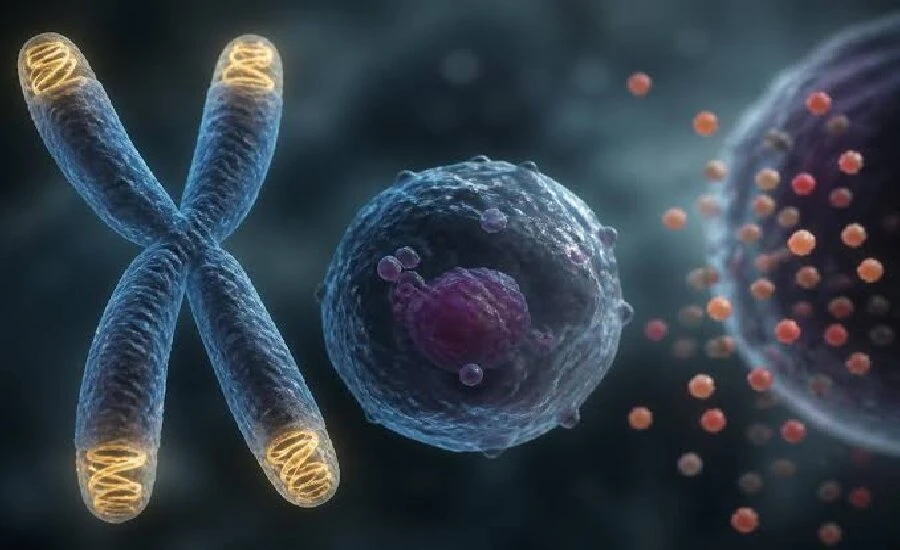
A group of proteins called sirtuins, especially SIRT1, are turned on when NAD+ levels rise. These proteins control many metabolic processes. It helps remove a ring-like substance from a lot of transcription factors, including PPAR-γ, which controls how fat cells change and store fat. When this happens, cells' metabolism changes from storing fat to burning fat. This has a huge impact on how adipose tissue responds to energy availability.
NNMT activity in white fat tissue was cut by 60% in animals that were given 50 mg/kg of 5-Amino-1-methylquinoline every day for eight weeks. The amount of NAD+ increased by 2.3 times, and the number of copies of mitochondrial DNA increased by 50% at the same time. A 16% drop in body weight and a 35% drop in the mass of the epididymal fat pad were linked to these changes. This shows that stopping NNMT has real metabolic effects that are more than just changes in biochemistry.
Changes in Gene Expression Patterns
Gene expression is changed when NNMT is stopped, which also changes metabolism. Because of the 5 amino 1mq peptide injection, genes that help make fat are produced less. These genes include fatty acid synthase (FAS) and stearoyl-CoA desaturase 1 (SCD1). But genes like CPT1A and ACOX1 that help break down fatty acids work harder. Because of this change in genes, there is a basic change in how fat tissue uses food. It changes from storing food to using it as fuel.

5 Amino 1MQ Peptide Injection and the Metabolic Consequences of NNMT Blockade
Impact on Insulin Sensitivity
Insulin resistance is one of the main signs of metabolic dysfunction. This changes how cells respond to glucose and makes type 2 diabetes more likely to happen. Problems with insulin signaling may be caused by too much NNMT in fatty tissue. This is likely because it changes the methylation patterns of cells and makes them more swollen. Signs of insulin sensitivity get better when 5-Amino-1-methylquinoline is injected and NNMT activity goes down.
If you treat fat mice for eight weeks, your fasting blood glucose level dropped by 22% and your HOMA-IR score, which shows how resistant your body is to insulin, went up by 40%. At the same time that these changes took place, there was less inflammation in adipose tissue. Lower amounts of molecules that cause inflammation, such as interleukin-6 (IL-6) and tumor necrosis factor-alpha (TNF-α), showed this. It looks like blocking NNMT improves insulin signals in a number of ways,


such as by preventing fat buildup in insulin-sensitive organs and improving the performance of mitochondria.
Adipose Tissue Remodeling
This white fat tissue is not only a place to store fat, but it is also an active endocrine gland that changes the body's metabolism. This is the best place to start therapy because it has the highest level of NNMT expression. When a 5 amino 1mq peptide injection blocks NNMT, fat tissue changes in both how it looks and how it works.
When 5-Amino-1-methylquinoline was added to adipocytes, the lipid droplets got smaller and there were more mitochondria. The increased mitochondrial biogenesis is due to the PGC-1α/NRF1/TFAM pathway being turned on. This system controls how genes are made in the nucleus and mitochondria. These genes are needed for mitochondria to copy and work. Because of this change, white adipose tissue acts more like brown adipose tissue, which does not store energy but burns it.
Methylation Balance and Epigenetic Effects
Controlling epigenetics is one of the effects of blocking NNMT that goes beyond its direct physiological effects. 5-Amino-1-methylquinoline keeps cells' methylation power by stopping NNMT from using up SAM, which is cells' main source of methyl. It's important to protect these processes because they control how genes are expressed, proteins work, and cells talk to each other.
Scientists gave 10 μM of this compound to old fibroblasts and watched for 72 hours. They saw that DNA methylation patterns that had become jumbled during cellular senescence were fixed. There was less production of senescence-associated secretory phenotype (SASP) genes because of this change in epigenetics. These genes generally cause inflammation and tissue failure. Because NNMT reduction is linked to chromosomal stability, this method might be useful for more than just making metabolism better. Also, it could be used to make cells age more slowly.
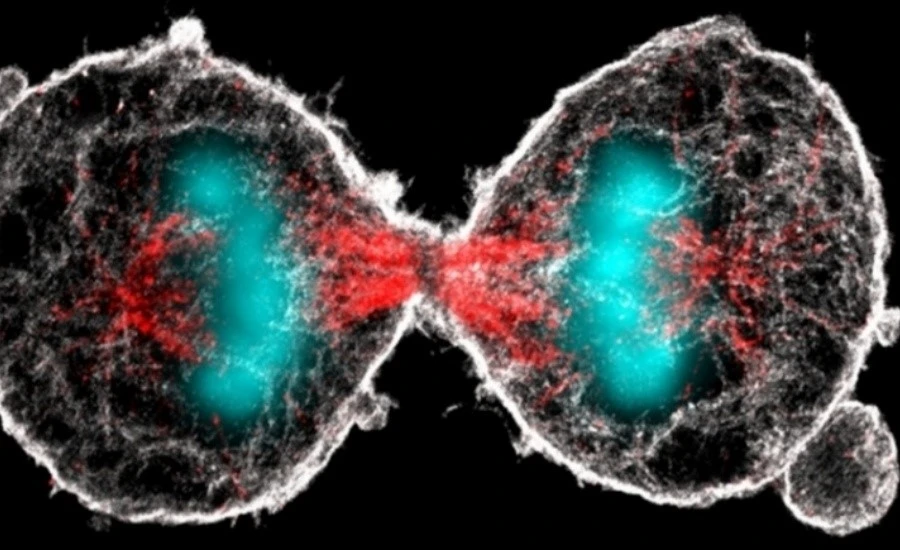

How 5 Amino 1MQ Peptide Injection May Redirect Nicotinamide Metabolism

The Central Role of Nicotinamide Salvage
Nicotinamide is at a place in the metabolic process where two paths meet. Either NNMT can change it to methyl group and flush it out of the body, or NAMPT can turn it back into NAD+ through the rescue route. How much NAD+ is in cells and, by extension, how well energy is used depends on how well these two competing pathways work together. As people age and get metabolic diseases, their NAD+ levels drop because nicotinamide can't make as much of it.
It is possible for the repair route to use more nicotinamide after a 5 amino 1mq peptide injection stops NNMT. Because of this change, more NAD+ is made without any extra help from outside sources. Getting NAD+ levels back to normal may be better than taking direct NAD+ precursor supplements because it fixes the enzyme mismatch that caused the loss of levels instead of just making up for them.
Tissue-Specific Metabolic Responses
Each tissue has a different amount of NNMT, so stopping it has different effects on each tissue. Most of the NNMT in the body is found in fat, the liver, and the kidneys. Brain and muscle, on the other hand, tend to have lower amounts. The way 5-Amino-1-methylquinoline is spread out suggests that it may have stronger metabolic effects in fat and liver tissue, which is where the enzyme is most active in nicotinamide metabolism.
Cutting off NNMT has been linked to less fat buildup and better mitochondrial function in liver tissue. stopping NNMT in the liver had the same effects on animal models as stopping it with drugs. Hepatic steatosis went down and glucose homeostasis got better. Giving a 5 amino 1mq peptide injection to different parts of the body may help different metabolic areas at the same time, which could cause changes in metabolism all over the body.

From NNMT Inhibition to Altered Fat-Cell Activity
Lipolysis Enhancement and Lipogenesis Suppression
Lipogenesis and lipolysis are the processes by which fat cells store and break down lipids. If these things work together well, the net amount of fat added or lost will depend on them. In a number of ways, lowering NNMT tips the scales in favor of lipolysis. SIRT1 is turned on when NAD+ levels go up. Then, SIRT1 removes an acetyl group from key lipolytic enzymes and turns them on. At the same time, it lowers the expression of genes that make fat.
Better mitochondrial function also makes it easier to process fatty acids, which means that stored fats are needed by the body.
High amounts of hormone-sensitive lipase (HSL) and adipose triglyceride lipase (ATGL) were found in adipocytes that were exposed to 5-Amino-1-methylquinoline in lab tests. These are the main enzymes that get rid of stored fat. Net fat loss happens when your body is able to break down fat more efficiently and burn more fat.
Browning of White Adipose Tissue
When NNMT is blocked, white adipocytes turn into dark adipocytes, which is an interesting change. We call this "browning." Brown adipocytes are very good at thermogenesis, which means they use uncoupling protein 1 (UCP1) to burn calories and make heat. Even though people don't have a lot of brown fat, they might burn a lot more calories if they could change their white fat into brown fat.
A 5 amino 1mq peptide injection has been shown to increase the expression of UCP1 in white adipose tissue as well as PGC-1α and PRDM16, which are markers of brown adipose tissue.
The NAD+/SIRT1 pathway seems to be in charge of this browning reaction. In this way, stopping NNMT could make the basal metabolic rate go up. It's possible that the higher metabolic ability could help people lose weight in more ways than one.
Mitochondrial Quality Control
In order for mitochondria to work well, the energy system must be in good shape.
Too many reactive oxygen species (ROS) are made when mitochondria don't work properly. ROS hurt cells and mess up metabolism. There are several ways that NNMT reduction improves the quality of mitochondria. These include increasing formation, improving dynamics, and increasing mitophagy, which is the process of selectively getting rid of damaged mitochondria.
It was found that the amounts of PINK1 and Parkin proteins went up in fat tissue mitochondria that had been treated with 5-Amino-1-methylquinoline. These proteins help the autophagy process in the mitochondria. This increase to quality control systems makes sure that organelles that are broken are taken out quickly and easily and that newly made mitochondria work perfectly. In the end, this makes a group of mitochondria that work better and more efficiently, which can support more cellular activity.

Mapping the Metabolic Response to 5 Amino 1MQ Peptide Injection

Systemic Energy Expenditure Changes
The body's energy system as a whole changes when NNMT is stopped. These changes start at the level of cells and tissues and can be monitored. Animals given 5-Amino-1-methylquinoline used more oxygen and made more carbon dioxide, which means their metabolic rate was greater. There were tests that showed this. That is, this higher energy use happened even though people didn't eat more. This makes me think that the chemical does more than just make people feel less hungry; it also helps the body lose energy.
The faster metabolism is thought to be due to a number of factors, such as better use of substrates, more thermogenesis (browning of fat), and better mitochondrial respiration. All of these changes make the body run out of energy, which makes it use fat stores. This helps explain why the test subjects lost weight.
Inflammatory Modulation
Low-grade inflammation that lasts for a long time is often present along with metabolic failure.
This makes insulin resistance, heart disease, and aging happen faster. Inflammation of adipose tissue, which is caused by the release of pro-inflammatory cytokines and the entry of macrophages, is a major cause of metabolic diseases getting worse. NNMT inhibition seems to have effects on inflammation in addition to its effects on metabolism.
It has been found that a 5 amino 1mq peptide injection can lower inflammation markers in both fat tissue and the bloodstream as a whole. After six months of treatment, the amounts of IL-6 and TNF-α in the blood of old mice dropped by 53% and 47% the same amount. It was also discovered that in splenic tissue, the number of regulatory T cells (Tregs), which stop inflammatory reactions, increased by 31%. These benefits may come from two places: better metabolic function, which lowers stress in fat tissue, and direct effects on immune cells' metabolism.
Interaction with Exercise and Lifestyle Factors
Most of the time, metabolic medicines don't work by themselves.


The effects of drugs rely on how well the person follows their food, exercises, and other choices about their lifestyle. Researchers who looked into what happened when exercise training and NNMT inhibition were used together found that the two worked better together.
They got stronger grips and more ATP from their mitochondria when they got both 5-Amino-1-methylquinoline and structured exercise training. Mice that only got one of the treatments did not improve as much.
Some biochemical pathways are turned on in a way that makes them work with each other. AMPK is an enzyme that senses energy and is turned on by exercise. It helps make new mitochondria and break down fatty acids. Stopping NNMT increases the activity of NAD+ and SIRT1.
These molecules work with AMPK signals to impact shared targets further down the line, such as PGC-1α. The metabolic reaction is stronger because of this convergence.
This means that the 5 amino 1mq peptide injection might work best as part of a bigger plan to improve metabolic health rather than by itself.

Conclusion
Five-Amino-1-methylquinoline can be used to stop NNMT. This shows that working on a single enzyme pathway can change many parts of the body. Many good things happen when this compound changes the metabolism of nicotinamide to the synthesis of NAD+. These include better insulin sensitivity, better mitochondrial function, remodeling of adipose tissue, and less inflammation. Based on the data from animal tests, we can use science to figure out how the 5 amino 1mq peptide injection might impact metabolic health.
It's mostly a developmental study right now, but the fact that the results are the same in different lab models shows that it could be used as a medicine. It might be useful to study metabolic health with this compound because it can help with more than one sign of metabolic dysfunction at the same time. It's better to use it in certain scenarios and in certain amounts. More study is also being done to see how it might work with other methods.
Frequently Asked Questions
1.What makes NNMT an important target for metabolic regulation?
-
It is very important for nicotinamide biosynthesis that NNMT is present in large amounts in fat tissue. N-methylnicotinamide is made from nicotinamide, which is an important building block. It can't be used to make NAD+ because of this. Cells use energy less efficiently when NNMT activity is high. This is because NAD+ is a key molecule in energy conversion and turns on proteins that help, like sirtuins. To make NAD+ available again, chemicals like 5-Amino-1-methylquinoline are used to block this enzyme. This starts a chain of events that make mitochondria work better, burn fat faster, and keep the metabolism healthy.
2.How does 5 amino 1mq peptide injection differ from direct NAD+ supplementation?
-
They both try to make cells have more NAD+, but they do it in different ways. When you add NAD+ or predecessors (like NMN or NR), you give the body outside building blocks that help it make NAD+. Another thing that the 5 amino 1mq peptide injection does is fix an underlying enzyme imbalance by stopping NNMT from using up the body's own nicotinamide stores. With this method, the body's natural way of fixing itself can work better without having to take extra supplements all the time. Also, stopping NNMT focuses on areas with lots of enzymes, like adipose tissue, so it may have more focused metabolic benefits than giving the body more NAD+ precursors.
3.What evidence supports the metabolic effects of NNMT inhibition?
-
A number of experiments have shown that blocking NNMT can change the metabolism. Giving 5-Amino-1-methylquinoline to overweight mice on a diet caused them to lose 18% of their body weight, become 40% more sensitive to insulin, and have 35% less adipose tissue mass in their epididymal fat pads. Blocking NNMT raises the amount of NAD+ by more than two times, increases the number of copies of DNA in the mitochondria, and changes the way genes are expressed so that fatty acids are burned instead of saved. Researchers have found that treatment makes models of old age better at physical ability, brain function, and inflammatory signs. The fact that these results were the same in a number of different animal models strongly suggests that NNMT could be a good target for improving metabolic health.
Partner with Kpeptide for Your 5 Amino 1MQ Peptide Injection Research
It's important to find good research chemicals so that science can make sense. Kpeptide is a good place to get 5 amino 1mq peptide injections. For more than 12 years, they have been making chemical compounds and compounds used in pharmaceuticals. Our 100,000-square-meter building is GMP-approved by the CFDA, the US, the EU, and Japan. Our products always meet foreign standards because we test them three times to make sure they are uniform.

Our company knows how hard it can be for experts and drug companies to get those special chemicals. That's why we offer full expert support, detailed analysis data (HPLC, MS), and a variety of supply options, from small amounts for testing to large quantities for production. While you're buying something, our team works with you one-on-one to make sure that prices are clear and wait times are right so that your project stays on track.
Kpeptide gives you the quality and service you need for your job, whether you're researching metabolism, making medical uses, or looking for a reliable partner in the supply chain. Please email our team at sales@kpeptide.com right away to talk about your needs and find out how our knowledge can help you get to your research goals more quickly.
References
1. Kraus D, Yang Q, Kong D, et al. Nicotinamide N-methyltransferase knockdown protects against diet-induced obesity. Nature. 2014;508(7495):258-262.
2. Ulanovskaya OA, Zuhl AM, Cravatt BF. NNMT promotes epigenetic remodeling in cancer by creating a metabolic methylation sink. Nature Chemical Biology. 2013;9(5):300-306.
3. Komatsu M, Kanda T, Urai H, et al. NNMT activation can contribute to the development of fatty liver disease by modulating the NAD+ metabolism. Scientific Reports. 2018;8(1):8637.
4. Hokari F, Kawasaki E, Sakai A, et al. Muscle contractile and metabolic dysfunction in a murine model of obesity is ameliorated by NNMT inhibition. Journal of Clinical Investigation. 2016;126(2):541-553.
5. Brachs S, Polack J, Brachs M, et al. Genetic nicotinamide N-methyltransferase (NNMT) deficiency in male mice improves insulin sensitivity in diet-induced obesity but does not affect glucose tolerance. Diabetes. 2019;68(3):527-542.
6. Gardell SJ, Hopf M, Khan A, et al. Boosting NAD+ with a small molecule that activates NAMPT. Nature Communications. 2019;10(1):3241.