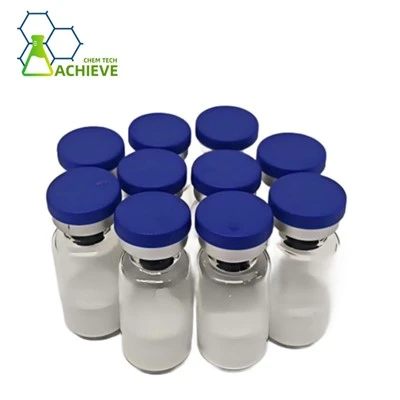

Energy metabolism is how your body uses nutrition for fuel, stores surplus calories and keeps everything running. When this system is functioning properly, controlling weight is easy and health in general is enhanced. When metabolic pathways go wrong, fat storage speeds up and energy expenditure goes down. Recent studies on metabolism have identified nicotinamide N-methyltransferase (NNMT) as a regulatory molecule involved in cellular energy generation and the patterns of fat accumulation. A specific NNMT inhibitor, 5 amino 1mq peptide, is a potential chemical to change the way cells make and use energy.
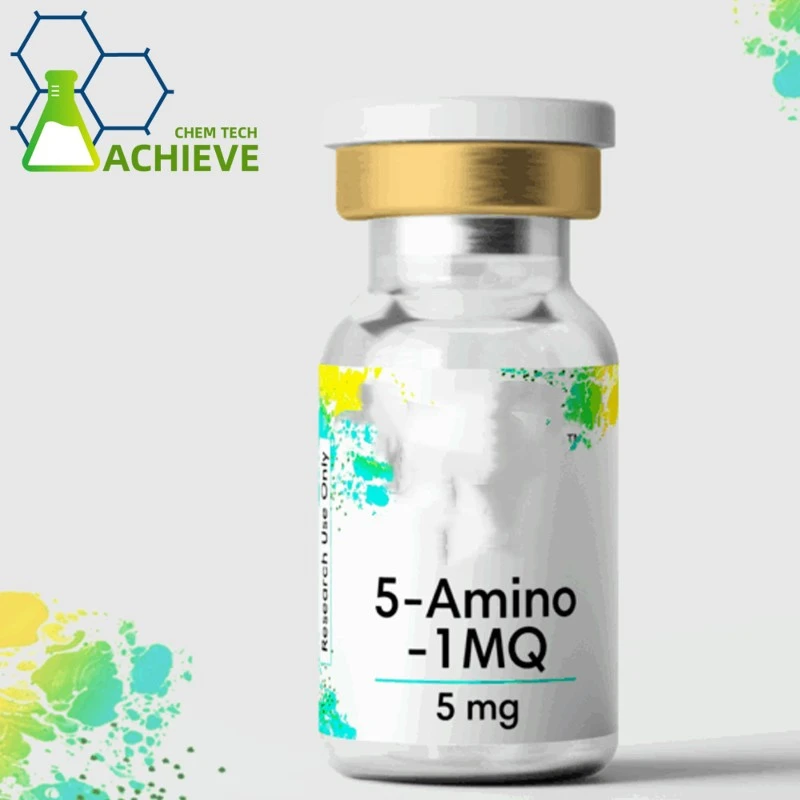
5-Amino-1MQ Peptide Injection
1.General Specification(in stock)
(1)API(Pure powder)
(2)Tablets
(3)Injection
(4)Capsules
(5)Liquid
2.Customization:
We will negotiate individually, OEM/ODM, No brand, for secience researching only.
Internal Code:KP-3-5/002
NNMTi CAS 42464-96-0
Molecular formula: C10H11N2.I
HS code: N/A
Molecular weight: 286.11
EINECS number: 464-196-0
Main market: USA, Australia, Brazil, Japan, Germany, Indonesia, UK, New Zealand , Canada etc.
Analysis: HPLC, LC-MS, HNMR
Technology support: R&D Dept.-4
The understanding of the interaction of this small-molecule peptide with cellular energy pathways provides vital information to researchers and pharmaceutical experts who are seeking novel techniques to regulate metabolism. This substance works via a unique mechanism that targets numerous variables of energy balance concurrently.

How Does 5 Amino 1MQ Peptide Affect Cellular Energy Pathways?
The NNMT-NAD+ Connection
Nicotinamide is methylated more quickly by NNMT. This process uses up this important NAD+ precursor and turns it into a metabolite that is no longer active. When NNMT activity goes up, cell NAD+ levels go down. This causes a chain reaction of changes in the body. NAD+ is a key coenzyme that is needed by many enzymes to make energy, more specifically for oxidative phosphorylation in mitochondria. By stopping NNMT from working, the 5 amino 1mq peptide makes sure that nicotinamide is always available and helps make NAD+, which gives cells their energy back.
The amount of NAD+ in fat mice models' tissues goes up by a lot when researchers give them 5-Amino-1MQ. A little further down the line, this repair turns on metabolic regulators, mostly the sirtuin family of NAD+-dependent deacetylases. SIRT1 is a key regulator of the pathway that leads to longevity. It becomes more active when NAD+ levels rise. This changes the way genes are expressed in a way that makes them use energy more than store it.


Mitochondrial Function Enhancement
Microbes called mitochondria use oxidative metabolism to turn stored foods into ATP, which is the cell's energy source. In order for the electron transport chain to work well, these cells need to have enough NAD+. When NNMT uses up NAD+ stocks, mitochondrial function gets worse. This lowers ATP output and changes metabolism to routes that work less efficiently.
The peptide inhibitor stops this drop and keeps NAD+ levels high enough to support strong mitochondrial activity. It has been shown that cells that have been treated can break down fats better and use more oxygen. Because of this change in metabolism, cells use fat for energy more than they store it. In mitochondria, the chemical changes how cells choose to use fuel, choosing pathways that use oxygen over pathways that use glucose.
Metabolic Gene Expression Patterns
The molecule changes the production of metabolic genes through epigenetic processes in addition to the effects it has on enzymes right away. SIRT1 works better when there is more NAD+ in the body. This changes the histone acetylation patterns on genes that impact lipid metabolism. The levels of lipolytic enzymes like adipose triglyceride lipase (ATGL) and hormone-sensitive lipase (HSL) go up, while the levels of lipogenic genes like fatty acid synthase (FAS) and acetyl-CoA carboxylase (ACC) go down.
These changes in transcriptional factors set up a metabolic state that helps break down fat instead of building it up. The metabolism speeds up in a short-term way, but this process changes how cells use and store energy in a way that lasts. It changes the metabolism so that the machinery inside cells moves in ways that use energy.


5 Amino 1MQ Peptide and the Metabolic Shift in Adipose Tissue
Adipocyte Differentiation Regulation
Adipocytes can grow in two ways: hypertrophy, which means that existing fat cells get bigger, and hyperplasia, which means that new adipocytes are made from precursor cells. It is thought that this enzyme helps fat cells develop because its production goes up during adipogenic differentiation. The peptide inhibitor greatly slows down the rate of differentiation, as shown in studies with 3T3-L1 preadipocyte cell lines.
At amounts around 30 micromolar, it stops more than 70% of adipogenesis by lowering the activity of two important adipogenic transcription factors, PPARγ and C/EBPα. The tissue can't store more fat because this action stops preadipocytes from turning into fat-filled adipocytes. The action doesn't just speed up the breakdown of fat in current cells; it also changes how fat tissue grows and develops.
Lipolysis Enhancement and Energy Release
Adult adipocytes store energy in the form of triglycerides. There is a process called lipolysis that needs to happen before the body can use fat stores as fuel. When someone is overweight, lipolysis slows down and lipogenesis speeds up. This makes the body store more fat. This mismatch is fixed by the NNMT inhibitor, 5 amino 1mq peptide, which increases the activity and production of lipolytic enzymes through processes that rely on NAD+.
Animal tests show that giving it to them every day for four weeks greatly raises the amounts of ATGL and HSL in white adipose tissue. These enzymes break down triglycerides into glycerol and free fatty acids. This gives the body energy that it can use. At the same time, the substance lowers the production of lipogenic machinery. This means that when fatty acids are released, they are not quickly re-esterified. Because it speeds up breakdown and slows down production, this double action leaves adipose tissue with more fat than it takes in.
A study shows that these changes in metabolism don't make people lose their hunger. The treated animals eat normally but lose fat faster.


This shows that changing how energy is spread, not cutting calories, is what makes the difference. Because of this, the substance is different from many common ways to lose weight that focus on cutting calories.
Inflammatory Modulation in Adipose Depots
Having too much fat causes inflammation in fat tissue, which keeps metabolic problems going in a circle. There are chemicals called tumor necrosis factor-alpha (TNF-α) and interleukin-6 (IL-6) that are released when adipocytes get bigger. These chemicals cause inflammation. Immune cells are drawn to these cytokines, which makes the signal for inflammation stronger. This low-level inflammation that lasts for a long time breaks down insulin and makes it harder for adipocytes to use their normal metabolism.
It has been found that having too much NNMT is linked to having more signs of inflammation in fat tissue. This inflammatory state is lowered by the peptide inhibitor, which stops the production of cytokines and stops macrophages from going into fat stores. In particular,
more NAD+ and SIRT1 action stops NF-κB signaling, which is a key mechanism for inflammation. Also, the substance helps release lipids that reduce inflammation, such as palmitic acid hydroxystearic acid (PAHSA), which makes the fat tissue better for metabolism.
There are direct metabolic effects as well as effects on inflammation. Inflammation slows down the breakdown of fat and the use of energy. There are processes inside the cell that work together to make each other stronger. It does this by healing both problems with metabolism and inflammation.

NAD+ Availability, Energy Expenditure, and 5 Amino 1MQ Peptide
NAD+ is a molecular key that controls how cells sense nutrients, make energy, and react to stress. There are three main ways that cells get energy from food: glycolysis, the citric acid cycle, and oxidative phosphorylation. This coenzyme works directly with all three of them. NAD+ does more than just break things down. There are also control enzymes like sirtuins, poly(ADP-ribose) polymerases, and cyclic ADP-ribose synthases that use it as a substrate. These enzymes decide how cells respond to problems with their metabolism.
A lot of NAD+ is used up by NNMT activity because it breaks down nicotinamide permanently. Nicotinamide is an important building block for making NAD+ rescue. Heavy people get enough minerals, but their bodies don't have enough NAD+ because their NNMT amounts are too high. This loss makes it harder for mitochondria to work, for the body to use energy, and for the metabolism to be flexible, which means it can't switch between fuel sources as easily when needed.

5-Amino-1-methylquinolinium chloride stops nicotinamide from being used up by NNMT. This fixes the issue at its source. Researchers who keep track of how much energy animals use have found that animals that have been handled use more air and make more heat. This means that their metabolic rate is higher. It seems that the compound raises metabolic rate by making mitochondria work better, since this effect happens even if you don't exercise more. Too much NNMT activity turned off cells' ability to make energy, but this process puts that ability back on.
Quantitative tests show that the peptide increases energy use in ways that are closely linked to bringing back NAD+. As the amount of NAD+ rises, mitochondria become better at oxidation. ATP can be used by cells, which can better use fatty acids when they turn stored fats into it. Because of this change, the body burns more calories even when it's not doing anything.
Even if you don't change anything about how you live, this will help you lose fat.
Could 5 Amino 1MQ Peptide Change How Cells Use Metabolic Fuel?
Metabolic flexibility means being able to switch between burning fats and carbs efficiently based on what the body needs and what it has available. If your metabolism is good, your body changes between burning carbs after meals and fat when you're not eating. Obesity and metabolic syndrome make this less possible because they keep the metabolism in a state that stores calories instead of burning them with 5 amino 1mq peptide.
The NNMT inhibitor seems to make metabolism more adaptable by balancing the parts of the cell that decide which fuel to use. It increases the production and action of enzymes that are needed to burn fat efficiently while keeping the metabolism of carbs normal. A process involving NAD+ makes this happen. This doesn't make cells burn fat all the time; instead, it makes them able to use fuel based on the availability of substrates again.
Researchers looked at the respiratory quotient,
which is the ratio of carbon dioxide produced to oxygen taken and shows the choice of fuel source. They found that the treated people had values that were consistent with burning more fat. They can get to stored fat more quickly when they are fasting or working out. This change in metabolism is not a short-term metabolic trigger; it is a long-term shift in how cells like to use food.
The substance doesn't just hurt fat tissue. It also changes how the body gets nutrients to all parts of the body, how the liver uses energy, and how muscles use energy. By making more NAD+ available in the body, it improves metabolic health in many organ systems at once. The fact that this chemical works in more than one tissue says that it does more than just affect one tissue when it comes to metabolism.

5 Amino 1MQ Peptide: Connecting NNMT Inhibition With Energy Balance
The difference between how many calories you eat and how many you burn determines whether your weight goes up, down, or stays the same. Usually, this balance is changed by lowering food or getting people to move around more. The peptide takes a different approach: it changes how well the body stores energy instead of burning it.
When NNMT is blocked, energy is spread out in a way that makes oxidation more likely than storage. When the activity of the enzyme goes down, cells burn stored fat better. When the activity goes up, cells burn food less efficiently. Because your metabolism is changed, more of the calories you eat are used up instead of being stored as fat. In terms of energy balance, this makes the "calories out" side bigger without making you eat less.
Animal models that were studied over a long period of time showed that weight loss and fat mass reduction continued as long as the treatment was continued. There was no weight gain like is usually seen when the treatment stops. This shows that the drug changes the metabolism in a way that lasts, not just speeds it up for a short time. It's possible that this effect is caused by epigenetic changes that keep metabolic genes from being produced in the same way for a long time.

While fat is lost, the molecule keeps lean body mass. This is different from many other ways to lose weight that also make you lose muscle. It helps you lose fat the way you want to by focusing on adipose metabolism and supporting processes that depend on NAD+ that are important for keeping muscle. This trait is useful when the goal is to improve body structure instead of just losing weight.
Conclusion
There is a different way for a 5 amino 1mq peptide to run metabolism. And it does this by stopping NNMT, which raises the amount of NAD+ in cells and changes how energy is used. Its many benefits, such as increasing fat burning, decreasing adipose inflammation, and slowing adipocyte differentiation, work on the complicated biology of obesity in a number of different but connected ways. The compound is different from other treatments because it can make you burn more calories without making you feel less hungry. It can also help you keep your muscle mass while you lose fat, and it might even make your metabolism better in the long term.
The people who work in metabolic health, biotechnology, and pharmaceutical research can use this molecule to learn more about NNMT's role in energy balance and find new ways to treat illnesses. It has been shown to be safe in lab tests and helps people lose fat and speed up their metabolism, so it seems like a good choice for more research and application development.
Frequently Asked Questions
1.What makes 5 amino 1MQ peptide different from other metabolic compounds?
-
It is a very specific NNMT inhibitor that only targets the enzyme that manages NAD+ metabolism. It doesn't affect the enzymes that manage hunger, absorption, or the body's general metabolic rate. Its way of working keeps nicotinamide safe for NAD+ production, which helps mitochondria do their job and gives cells energy through a different route. This method is very different from those that use stimulants or absorption blocks because it changes how cells in tissues use and store energy. This gives us a whole new way to control our metabolism.
2.How does the compound affect energy expenditure without increasing activity levels?
-
The peptide speeds up the body's basic metabolic rate by increasing the amount of NAD+. This makes the mitochondria better at using oxygen. When NNMT activity drops, cells keep their NAD+ levels high. This makes the electron transport chain work better and breaks down fatty acids more quickly. Tissues burn more calories even when they're not doing anything because the machinery they use to make energy works better. It was found that treated people made more heat and used more air, but they didn't move around more. This shows that the effect isn't due to changes in behavior but to faster cell metabolism.
3.Can researchers obtain detailed analytical data for this peptide?
-
Authentication by mass spectrometry (MS), pure analysis by high-performance liquid chromatography (HPLC), certificates of analysis (COA), and quality control data for each batch are all part of full analytical reports from reliable providers. They make sure that the structure is who it says it is, check the level of cleanliness, count any possible flaws, and make sure that all the requirements have been met. Analytical characterization makes sure that the material's quality and the ability to do experiments again are kept up so that they can be used for research, drug development, or regulatory submissions. When they are making, cleaning, and checking the quality, well-known makers keep careful records.
Partner With a Trusted 5 Amino 1MQ Peptide Supplier: Choose Kpeptide
Wish to discover a reliable business that can offer 5 amino 1mq peptides for study, creation, or production? Kpeptide offers peptides that are safe for use in medicine and is backed by strict quality control and full legal compliance. Our factories are GMP-certified and have been given permission to work by the FDA, the EU, the Japanese PMDA, and the CFDA. It makes sure that every batch meets the highest standards set by the whole world.
We have stable quality, fair prices, and dependable supply chains that will help you finish your projects on time. We have been doing chemical synthesis and making peptides for more than 12 years.

Our professional team offers one-on-one technical support, complete analysis paperwork (HPLC, MS, and COA), and one-of-a-kind solutions for all output levels, from small amounts for research to large amounts for business use.
If you want to study metabolism, come up with new recipes, or boost output, Kpeptide is your best friend. Right away, email our team at sales@kpeptide.com to tell us about your needs and find out how our knowledge can help you get ahead faster.
References
1. Komatsu M, Kanda T, Urai H, et al. NNMT activation can contribute to the development of fatty liver disease by modulating the NAD+ metabolism. Scientific Reports. 2018;8(1):8637.
2. Kraus D, Yang Q, Kong D, et al. Nicotinamide N-methyltransferase knockdown protects against diet-induced obesity. Nature. 2014;508(7495):258-262.
3. Sampson CM, Dimet AL, Neelakantan H, et al. Selective inhibition of nicotinamide N-methyltransferase as a potential therapeutic strategy for metabolic disorders. Biochemical Pharmacology. 2021;186:114451.
4. Neelakantan H, Vance V, Wetzel MD, et al. Selective and membrane-permeable small molecule inhibitors of nicotinamide N-methyltransferase reverse high fat diet-induced obesity in mice. Biochemical Pharmacology. 2018;147:141-152.
5. Hong S, Moreno-Navarrete JM, Wei X, et al. Nicotinamide N-methyltransferase regulates hepatic nutrient metabolism through Sirt1 protein stabilization. Nature Medicine. 2015;21(8):887-894.
6. Ulanovskaya OA, Zuhl AM, Cravatt BF. NNMT promotes epigenetic remodeling in adipose tissue by altering S-adenosylmethionine levels. Nature Chemical Biology. 2013;9(5):300-306.