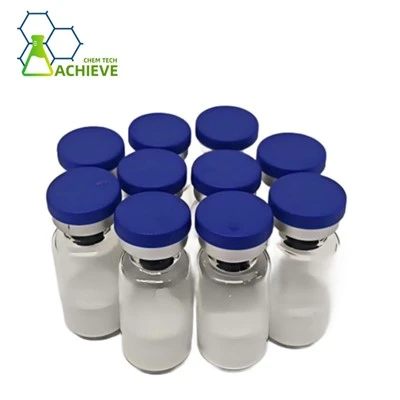
The quest to understand cellular aging and metabolic dysfunction has led researchers to explore innovative compounds that influence fundamental biological processes. Among these emerging research tools, 5 amino 1mq peptide injection has captured scientific attention for its potential role in cellular health investigations. This small molecule compound, known chemically as 5-Amino-1-methylquinoline, represents a promising avenue for studying how metabolic pathways influence cellular function, energy production, and the aging process itself.
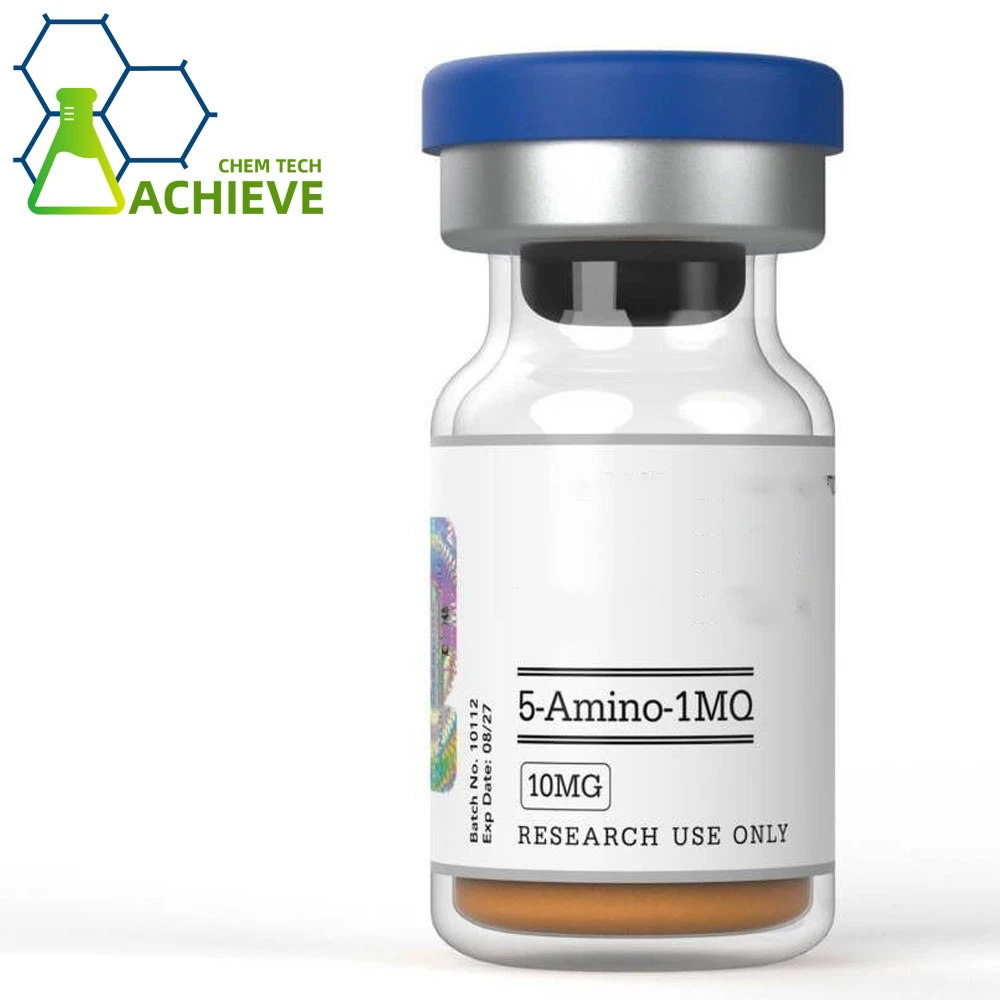
5-Amino-1MQ Peptide Injection
1.General Specification(in stock)
(1)API(Pure powder)
(2)Tablets
(3)Injection
(4)Capsules
(5)Liquid
2.Customization:
We will negotiate individually, OEM/ODM, No brand, for secience researching only.
Internal Code:KP-3-5/002
NNMTi CAS 42464-96-0
Molecular formula: C10H11N2.I
HS code: N/A
Molecular weight: 286.11
EINECS number: 464-196-0
Main market: USA, Australia, Brazil, Japan, Germany, Indonesia, UK, New Zealand , Canada etc.
Analysis: HPLC, LC-MS, HNMR
Technology support: R&D Dept.-4
Unlike naturally occurring peptides, this artificially synthesized compound offers researchers a unique tool to examine the intricate relationships between enzyme activity, cellular energy, and metabolic homeostasis. By targeting a specific enzyme pathway, scientists can observe how modulating metabolic processes affects cellular behavior at the molecular level. The research potential of this compound extends across multiple domains, from understanding mitochondrial function to exploring how cells maintain their youthful characteristics.
As research institutions and biotechnology organizations seek reliable compounds for cellular health studies, the importance of quality, purity, and comprehensive analytical data becomes paramount. Understanding how this compound functions in research settings provides valuable insights into the future of metabolic science and cellular biology.

How Is 5 Amino 1MQ Peptide Injection Studied in Cellular Health Research?
The Mechanism of NNMT Inhibition in Research Models
A lot of research into the 5 amino 1mq peptide injection is focused on its ability to stop NNMT, which stands for nicotinamide N-methyltransferase. This enzyme is very important for cell metabolism, especially in fatty tissue where it affects how energy is used and how metabolic signals are sent. Researchers can see how lowering NNMT activity affects metabolic processes further down the line when they add this compound to experimental systems.
Usually, different model systems are used in lab studies to test the compound's effects. Scientists have given the compound to mice in preclinical models at fixed doses to see how it changes metabolic factors. These studies have shown some interesting trends in how cells react when NNMT activity is lowered. Due to its strong binding to the enzyme, the compound stops it from doing its normal methylation work, which sets off a series of metabolic changes.


As part of the research process, changes in cellular energy markers, especially NAD+ levels, are often measured. These markers are very important for figuring out how metabolically active cells are. Researchers learn more about how metabolic pathways affect cellular health by keeping an eye on these biomarkers before and after compounds are given. To make sure that the results of these studies can be repeated, they need to be made with substances that are very pure and have stable batch quality.
Experimental Design and Research Applications
When this substance is used in research, strict scientific standards are usually followed. To find the best ways to see metabolic benefits, studies have looked at different ways to administer, dosage amounts, and treatment lengths. Because the compound is made up of small molecules, it can easily be absorbed and spread throughout experimental systems. This makes it a useful tool for studying the health of cells.
Investigators often use both combination administration and different types of analysis together.
Researchers can check the purity of a compound and keep track of its presence in biological samples with the help of advanced techniques like high-performance liquid chromatography and mass spectrometry. These methods of analysis make sure that the effects seen are definitely caused by the chemical and not by other substances or breakdown products.
In research projects, the length of time for an experiment depends on the study's goals. Longer-term studies, which last weeks or months, give us a better picture of how metabolic changes and cellular adaptations happen over a longer period of time. Short-term studies might look at instant metabolic reactions over hours or days. This temporal dimension helps us learn more about how cells react and change when their metabolism changes.

5 Amino 1MQ Peptide Injection and Cellular Metabolic Homeostasis
NAD+ Metabolism and Cellular Energy Balance
One of the most interesting study results is how the compound affects the amount of NAD+ in cells. NAD+ is an important coenzyme in the energy metabolism of cells. It takes part in hundreds of enzyme reactions that keep cells working. Researchers have seen noticeable rises in the amount of NAD+ in cells when NNMT activity is decreased by administering compounds.
This rise in NAD+ levels affects cell metabolism in a lot of different ways. The chemical changes the flow of metabolism by stopping the methylation of nicotinamide, which is a building block for NAD+. Experiments with mouse models have shown that NAD+ levels rise by more than two times in fat tissue after treatment periods. Researchers now have a powerful way to look into NAD+-dependent cellular processes and how they relate to metabolic health because of these big changes.
A big part of current study into cellular metabolism is looking at the link between NNMT inhibition and NAD+ levels.


Scientists can now look into how NAD+ depletion leads to metabolic problems and changes in cells that happen with getting older. The molecule is a drug probe that lets researchers precisely change this important metabolic variable in a lab setting.
Mitochondrial Function and Energy Production
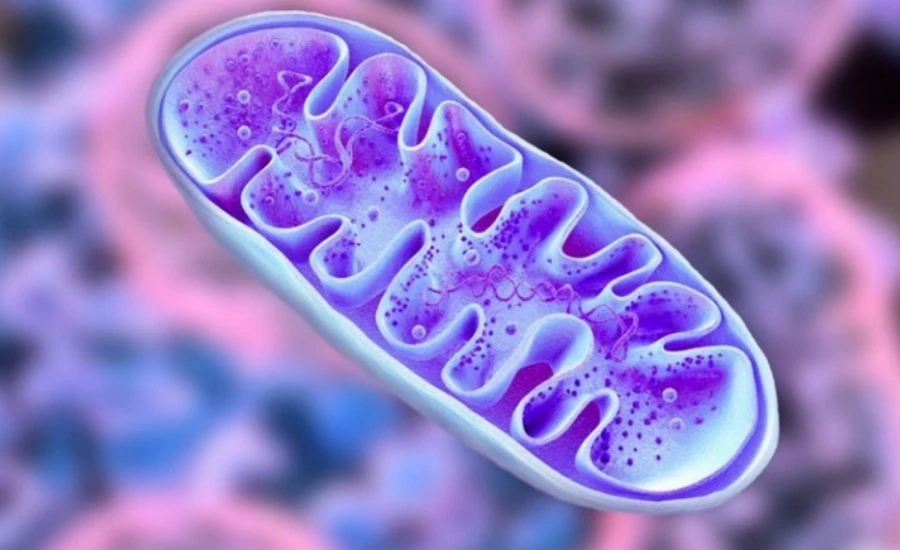
Researchers who use this substance are also very interested in mitochondria, which are sometimes called the "powerhouses" of cells. For their respiratory chain activities and ATP production, these cells depend on NAD+ a lot. When scientists give 5 amino 1mq peptide injections to test subjects, they can see how the mitochondria work by using different functional tests. Several measures of mitochondria got better after being treated with compounds, according to studies. The number of copies of mitochondrial DNA has gone up in treated samples, which shows that mitochondrial biogenesis is happening. Furthermore, tests of mitochondrial membrane potential, which is a key sign of organelle health, have shown that cells exposed to the compound work better.
Several signaling pathways are involved in the link between blocking metabolic enzymes and improving mitochondrial function. Researchers think that high amounts of NAD+ turn on sirtuins, a group of proteins that control the growth and operation of mitochondria. This activation chain shows how targeting a single enzyme can cause many cells to change in ways that help keep metabolism stable and make energy production more efficient.
Metabolic Pathway Interactions
Researchers have found that the compound affects more than just NAD+ and mitochondria. It also affects larger metabolic networks. Studies of gene expression patterns show that after treatment, there are changes in a number of biochemical processes. When NNMT is blocked, the expression profiles of genes that work with fatty acid oxidation, glucose metabolism, and cell energy sensing change.
In study models, these changes at the molecular level lead to metabolic effects that can be measured.
Animal models used in studies that looked at whole-body metabolism showed less fat, better insulin sensitivity markers, and more metabolic flexibility. These results show that the compound changes metabolic balance at both the cellular and systemic levels. This makes it useful for studying how metabolic control is linked to other processes.
Researchers value tools that can shed light on these complicated biochemical relationships. The compound is very helpful for systems biology approaches to studying cellular metabolism and health because it can change a central metabolic node and let researchers see what effects it has on other parts of the cell.

What Cellular Functions Are Investigated With 5 Amino 1MQ Peptide Injection?

Cellular Aging Research and Senescence Studies
Researchers studying aging have found new ways to understand how cellular senescence works by using this substance. Cells stop growing permanently because of stresses like telomere shrinking and DNA damage that builds up over time. This is called cellular senescence. Several studies have looked into whether changing metabolism by blocking NNMT can affect markers of senescence.
Experiments with models of aging cells have led to some interesting findings. When scientists use the compound on senescent fibroblasts, they see that classic signs of senescence like beta-galactosidase activity and p21 protein expression go down. These changes show that metabolic regulation may have an effect on the senescent appearance, but the exact ways are still being studied.
This is important for learning about how metabolic failure affects the aging process. Researchers can test their ideas about the role of metabolic enzymes in controlling the aging process of cells by using the compound as a research tool.
Finding new therapeutic targets and learning more about basic aging biology could be possible by going in this way with study.
Inflammatory Response and Cellular Signaling
Looking into inflammatory processes and communication pathways is another part of studying cellular health. Cells that are dying or having trouble with their metabolism often release chemicals that cause inflammation and affect the tissues around them. Researchers have used a 5 amino 1mq peptide injection to look into whether metabolic control changes these inflammatory effects. Researchers have measured inflammatory markers in the blood after giving a compound to animal models. Certain cytokines, like interleukin-6 and tumor necrosis factor-alpha, have been shown to be lower in treatment groups compared to controls. These results suggest that metabolic enzyme activity and inflammatory signaling pathways are linked in ways that need to be looked into further. There are a lot of different cellular signaling networks that work together to connect changes in metabolism to changes in inflammation.

Researchers think that pathways that depend on NAD+ affect transcription factors that control the production of genes that cause inflammation. So, the molecule gives us a way to break down these complicated connections between metabolism and the ways cells talk to each other.
Exploring NAD+-Dependent Cellular Processes With 5 Amino 1MQ Peptide Injection

Sirtuin Activation and Epigenetic Regulation
Increasing NAD+ levels by blocking NNMT is important for studying sirtuin proteins because they need NAD+ to work. Sirtuins control many things that happen inside cells, like how genes are expressed, how DNA is repaired, and how metabolism changes. Researchers can use the compound to look into how increasing the amount of NAD+ impacts the activities of cells that depend on sirtuin.
Experiments show that treating compounds with certain sirtuins turns them on. SIRT1 in particular is involved in controlling metabolism and resisting stress. Through histone deacetylation and other epigenetic changes, this action sets off consequences that change gene expression further down the line. Researchers can use the compound to look into how metabolic status affects the control of epigenetics and the ways cells adapt.
The link between metabolism and epigenetics is a new area of study in cellular biology. Scientists can change metabolic variables and watch epigenetic outcomes with this compound,
which is very useful for studying these connections. This kind of research could lead to basic ideas about how cells use metabolic information to control gene expression.
DNA Repair and Cellular Stress Responses
Because it helps enzymes like poly(ADP-ribose) polymerases do their job, NAD+ is also involved in DNA repair. Researchers have looked into whether blocking NNMT to make more NAD+ available helps cells fix DNA. Researchers who looked at DNA damage markers in cells that had been treated with the compound saw that the damage markers went down, which suggests that the cells were better at fixing themselves.
These results help us learn more about how metabolic state impacts the ability of cells to handle different kinds of stress. If cells have enough NAD+, their genomes may stay more stable and they may be able to handle external problems better. Researchers can test these hypotheses in controlled experimental settings with the help of the compound.
Researchers who have looked into the stress response pathways have also found that changing the metabolism can affect the ways cells protect themselves. When the compound is added to cells, it changes the activity patterns of heat shock proteins, autophagy pathways, and oxidative stress defenses. This shows that the compound has a wide range of effects on how cells deal with stress.

5 Amino 1MQ Peptide Injection Applications in Cellular Function Research

Metabolic Syndrome and Obesity Research Models
A lot of research has used the compound to make models of metabolic problems and obesity. The goal of these studies is to find out how changing metabolic enzymes affects metabolic factors and changes at the tissue level throughout the body. Researchers who used diet-induced obesity models have found that adding compounds to the body's metabolism leads to big improvements.
Body weight loss, less adipose tissue mass, and better glucose metabolism markers are some of the things that researchers have noticed. These systemic effects come from changes in metabolism at the cellular level that spread through the body's systems. In this way, the compound acts as a link between studies of cellular metabolism and those of metabolic physiology in whole organisms.
Researchers who study metabolic diseases are very interested in these results because they could be used in real life. For now, the main use is to understand how things work rather than to treat illnesses.
However, the study that has led to these discoveries has helped us learn more about how metabolism works and possible ways to help.
Exercise Physiology and Metabolic Adaptation
Combining metabolic modification with exercise interventions is an interesting area of research. Several studies have looked at whether giving compounds improves the metabolic changes that happen during exercise. It looks like the two approaches worked together to make improvements in muscle function and mitochondrial markers that were bigger than those made by either one alone.
These studies shed light on how metabolic status affects how the body adapts to physical activity. Researchers can change metabolic variables and watch how cells and tissues react to exercise stimuli using this compound. These kinds of studies help us figure out how exercise benefits our bodies and how to make our metabolisms more flexible.
In this field of study, functional outputs like grip strength, endurance ability,
and muscle mass are often measured along with molecular markers of metabolic gene expression and mitochondrial biogenesis. The multidimensional method gives a full picture of how changes in metabolism affect the function of cells and the body as a whole.
Neuroscience and Cognitive Function Studies
Research on 5-Amino-1MQ is exploring its effects on brain metabolism and cognitive function, particularly in aging models. Behavioral tests assess memory, learning, and spatial navigation, while molecular studies examine inflammation, mitochondrial function, and synaptic markers. Although applications remain preliminary, these studies may clarify links between metabolism, brain health, and cognitive aging.

Conclusion
The 5 amino 1mq peptide injection can be used for research in many areas of cellular health, from basic metabolism studies to more complex aging studies. Scientists have an exact way to change cellular energy routes and see how that changes cellular function, mitochondrial health, and metabolic homeostasis. This is because it works by blocking NNMT.
Researchers are still trying to figure out how metabolic enzymes, NAD+ metabolism, and cellular health are all connected. As a result, there is a greater need for high-quality study chemicals. The scientific community needs suppliers who know how important it is for rigorous research to have suppliers who understand the importance of purity, consistency, and full analytical documentation.
The future of cellular health study will probably see more uses for metabolic modulators like this chemical in a wider range of biological questions. These study tools help us learn important things that move biological science forward, like how metabolic changes affect tissue function and how aging is based on molecules.
Frequently Asked Questions
1.What makes 5 amino 1mq peptide injection useful for cellular metabolism research?
+
-
The chemical selectively blocks NNMT, which lets researchers change a key metabolic enzyme and see how it affects NAD+ levels, mitochondrial function, and metabolic pathways. Because it is unique and has measurable effects on cellular energy metabolism, it is useful for studying how metabolism is controlled.
2.How do researchers ensure quality when using this compound in studies?
-
For research-level uses, you need very high purity levels (usually more than 98%) and a lot of analysis data, like HPLC and mass spectrometry results. Consistency between batches, the right way to store things, and thorough records of analysis all make sure that the results of an experiment can be repeated.
3.What cellular processes are most commonly investigated using this research compound?
-
Researchers are mostly interested in NAD+ metabolism, mitochondrial biogenesis and function, measures of cellular age and senescence, metabolic gene expression, signaling pathways for inflammation, and stress response mechanisms. Because the compound affects all of these linked processes, it can be used to answer a wide range of research questions.
Partner With Kpeptide as Your Trusted 5 Amino 1MQ Peptide Injection Supplier
Kpeptide is ready to be your complete 5 amino 1mq peptide injection provider when your study needs high quality and dependable supply. Our 100,000-square-meter GMP-certified production facilities have been approved by the US-FDA, the EU, Japan, and China. This makes sure that every batch meets the high quality standards your cellular health research needs. We have been making organic compounds and pharmaceutical intermediates for more than 12 years, and we offer research-grade compounds that are guarantyd to be at least 98% pure. These compounds come with full analytical paperwork that includes HPLC, MS, and stable data.

Our quality assurance method includes three levels of checks: testing in the plant, analysis by a dedicated QA/QC department, and third-party certification by official Chinese authorities. This gives you peace of mind with every order. We know that research deadlines are important, that's why our ERP platform keeps track of everything from the initial inquiry to the delivery, giving you accurate pricing, lead times, and shipping documents that make clearing customs easy. We offer reasonable prices, skilled one-on-one service, a variety of packaging choices, and cold-chain logistics knowledge to 24 of the world's largest pharmaceutical and biotechnology businesses.
Kpeptide gives your projects the technical support and supply chain stability they need, whether you're a pharmaceutical company that needs a large supply with full CMC documentation, a research organization that needs detailed analytical data for experiments, or a CDMO that wants scalable solutions with regulatory guidance. Get in touch with our expert team right away at sales@kpeptide.com to talk about your specific study needs and find out how our dedication to quality, openness, and customer satisfaction can speed up your cellular health studies.
References
1. Kannt A, Pfenninger A, Teichert L, Tönjes A, Dietrich A, Schön MR, Klöting N, Blüher M. Association of nicotinamide-N-methyltransferase mRNA expression in human adipose tissue and the plasma concentration of its product, 1-methylnicotinamide, with insulin resistance. Diabetologia. 2015;58(4):799-808.
2. Kraus D, Yang Q, Kong D, Banks AS, Zhang L, Rodgers JT, Pirinen E, Pulinilkunnil TC, Gong F, Wang YC, Cen Y, Sauve AA, Asara JM, Peroni OD, Monia BP, Bhanot S, Alhonen L, Puigserver P, Kahn BB. Nicotinamide N-methyltransferase knockdown protects against diet-induced obesity. Nature. 2014;508(7495):258-262.
3. Ulanovskaya OA, Zuhl AM, Cravatt BF. NNMT promotes epigenetic remodeling in cancer by creating a metabolic methylation sink. Nature Chemical Biology. 2013;9(5):300-306.
4. Hong S, Moreno-Navarrete JM, Wei X, Kikukawa Y, Tzameli I, Prasad D, Lee Y, Asara JM, Fernández-Real JM, Maratos-Flier E, Hotamisligil GS. Nicotinamide N-methyltransferase regulates hepatic nutrient metabolism through Sirt1 protein stabilization. Nature Medicine. 2015;21(8):887-894.
5. Cantó C, Menzies KJ, Auwerx J. NAD+ metabolism and the control of energy homeostasis: a balancing act between mitochondria and the nucleus. Cell Metabolism. 2015;22(1):31-53.
6. Riederer M, Erwa W, Zimmermann R, Frank S, Zechner R. Adipose tissue as a source of nicotinamide N-methyltransferase and homocysteine. Atherosclerosis. 2009;204(2):412-417.