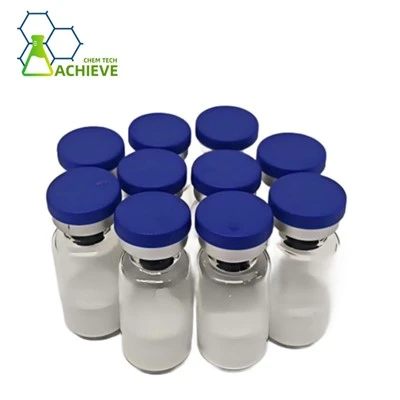

Understanding how metabolic pathways function at the cellular level is becoming more crucial in today's studies. One such new chemical in metabolic research is the 5 amino 1mq peptide, which has attracted interest due to its extremely specific inhibition and unusual method of action. This small molecule chemical targets nicotinamide N-methyltransferase (NNMT), an enzyme that plays a key role in cellular energy homeostasis and metabolic activity. This peptide inhibits NNMT, which has a downstream effect on NAD+ and SIRT1, both of which are major actors in cellular health and metabolism.

5-Amino-1MQ Peptide Injection
1.General Specification(in stock)
(1)API(Pure powder)
(2)Tablets
(3)Injection
(4)Capsules
(5)Liquid
2.Customization:
We will negotiate individually, OEM/ODM, No brand, for secience researching only.
Internal Code:KP-3-5/002
NNMTi CAS 42464-96-0
Molecular formula: C10H11N2.I
HS code: N/A
Molecular weight: 286.11
EINECS number: 464-196-0
Main market: USA, Australia, Brazil, Japan, Germany, Indonesia, UK, New Zealand , Canada etc.
Analysis: HPLC, LC-MS, HNMR
Technology support: R&D Dept.-4
All throughout the globe, researchers and organisations are examining how this molecule may control fat metabolism, energy expenditure and the processes of cellular ageing. The chemical is especially relevant for metabolism study since it modulates these pathways without influencing hunger. This may lead to a better understanding of the relationship between NNMT inhibition, NAD+ preservation and SIRT1 activation, offering important insights into cellular metabolism and opening new paths for therapeutic study.

How Does 5 Amino 1MQ Peptide Inhibit the NNMT Pathway?
Understanding NNMT Function in Cellular Metabolism
Nicotinamide N-methyltransferase is an enzyme that modifies nicotinamide, a type of vitamin B3, into a new form. This process converts nicotinamide to N-methyl-nicotinamide. This results in less nicotinamide available for NAD+ synthesis, and more free S-adenosylmethionine (SAM). Lower NAD+ levels are associated with increased NNMT levels. This impacts the usage of energy in metabolic tissues such as the liver and adipose tissue. NNMT activity is increased in adipocyte differentiation and in conditions of overweight, causing the worsening of metabolic dysfunction. Overworking the enzyme depletes cellular NAD+. NAD+ participates in numerous biological processes. Worse worse, this loss causes the mitochondria to perform less properly, lowering energy utilisation and leading to fat accumulation. NNMT is produced differently in different cells. Fat, liver and skeletal muscle have the greatest levels. These are places needed to preserve the energy balance of the body.
Mechanism of Selective NNMT Inhibition
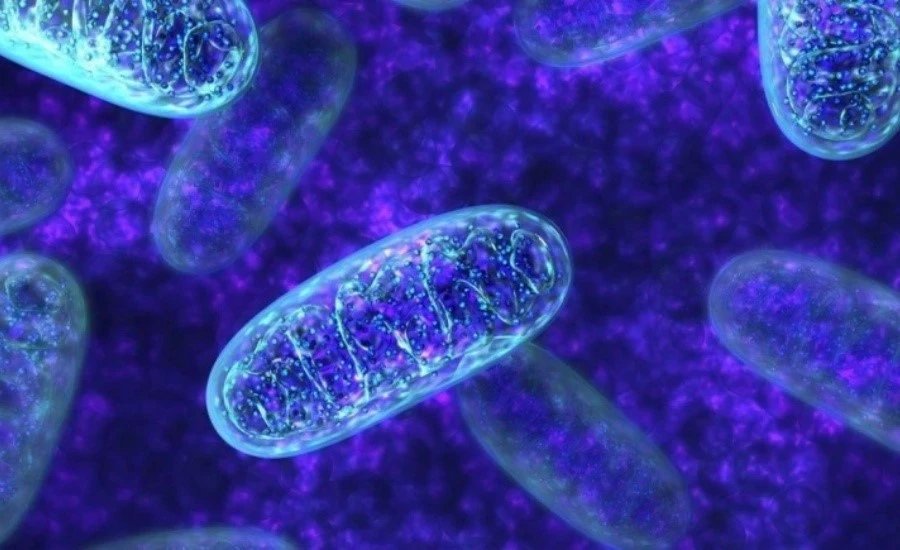
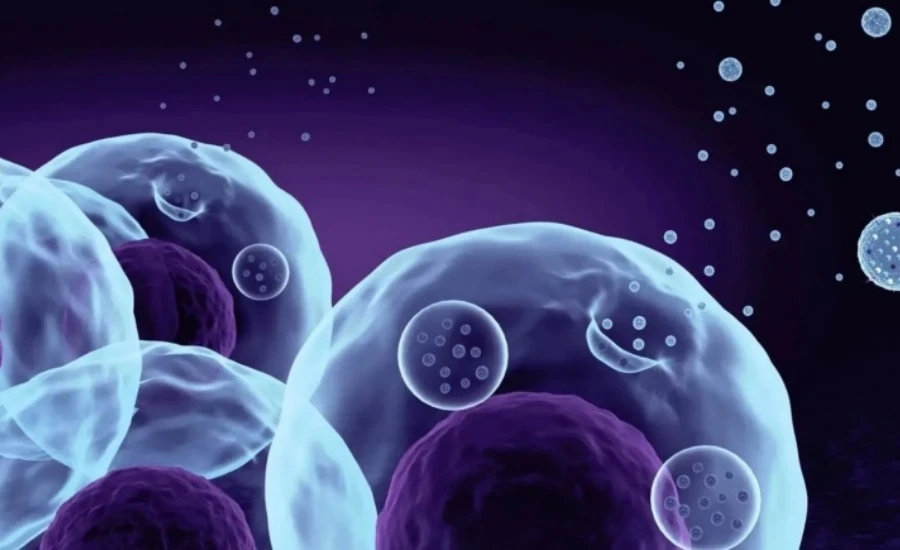
What the 5 amino 1mq peptide does is stop NNMT from working by competing with it. Because it is made up of quinoline molecules, it can bind very exactly to the active site of the enzyme. Scientists used 3T3-L1 preadipocytes to find that this inhibitor lowers NNMT activity by more than 70% at concentrations of about 30 μM. No methylation can happen to nicotinamide because of this.
Nicotinamide is then not used up by the NNMT pathway because of this specific blocking. Instead, it can be changed into NAD+ through the salvage pathway. It's easy for cells to take in the chemical because it has a low molecular weight making it pass through cell membranes. Because it only blocks NNMT, it has fewer side effects than broad-spectrum enzyme inhibitors. This makes it a useful tool for breaking down molecular processes.
Effects on Adipocyte Differentiation and Maturation
NNMT levels usually go up when preadipocytes change into adult adipocytes.
This rise helps the fat-making process by lowering NAD+ and stopping SIRT1 activity. The 5 amino 1mq peptide blocks NNMT at a key point in the differentiation process, stopping it in several stages.
Tests have shown that treatment during adipogenesis lowers the amounts of PPARγ and C/EBPα, which are both important transcription factors. The growth of adipocytes is controlled by these factors. Triglycerides and fat droplets don't build up as much in cells that are differentiating because of the chemical. Higher doses have a stronger effect on stopping adipogenesis, but this effect is dose-dependent. Adipose tissue mass growth is stopped by the operation, which also keeps the preadipocyte phenotype. Adipose tissue mass growth is a sign of fat.

5 Amino 1MQ Peptide, NAD+ and SIRT1 Signaling Explained
NAD+ as a Central Metabolic Cofactor
Nicotinamide adenine dinucleotide serves a critical function as a coenzyme in cellular metabolism , particularly in redox reactions . Glycolysis, the citric acid cycle, and oxidative phosphorylation are all about moving electricity around. You need electricity to produce ATP. NAD+ is then utilised to create energy but also a substrate for enzymes including CD38, sirtuins and PARPs. These enzymes regulate many biological processes, from repairing DNA to controlling genes.
They lose cellular NAD+ as they age and get metabolic diseases. This drop hurts the function of mitochondria, lowers cells' energy levels, and makes the body less able to handle stress.
It is now possible to treat metabolic diseases by making sure the body has the right amount of NAD+. This route, which changes nicotinamide back into NAD+, is the main way that NAD+ is made in human cells. It directly competes with this pathway by methylating nicotinamide and taking it out of the NAD+ pool.
How NNMT Inhibition Elevates Cellular NAD+
Without the inhibitor, nicotinamide accumulates instead of being converted to N-methyl-nicotinamide. This excess nicotinamide may be a substrate for nicotinamide phosphoribosyltransferase (NAMPT), an enzyme that slows down the NAD+ recovery process. NAMPT catalyses the reaction of nicotinamide to nicotinamide mononucleotide (NMN), whereas NMN adenylyltransferase catalyses the reaction of NMN to NAD+.
Researchers using the peptide inhibitor observed that following treatment, the cells had far more NAD+ When the chemical was added to adipocytes and hepatocytes, NAD+ levels went raised 30 to 50 percent within a few hours. As long as the cells are engaged they are high. This NAD+ replenishment replenishes the mitochondria's capacity to breathe, increases oxidative metabolism, and provides more energy to cells. This means that focusing on a methyltransferase may drastically impact the bioenergetics of the whole cell.
SIRT1 Activation Through NAD+ Availability
Sirtuin 1 (SIRT1) is a NAD+-dependent deacetylase that belongs to a family of enzymes regulating metabolic flexibility, stress responses and ageing. The activity of SIRT1 is closely related to the quantity of NAD+ in the body. SIRT1 activity decreases as NAD+ levels fall.
It cleaves a large number of links in substrate proteins such as PGC-1α, FOXO transcription factors and p53. This modifies the way they operate, which in turn impacts the metabolism, the generation of mitochondria and how well cells can remain alive.
It inhibits lipogenesis, improves insulin function and increases fat burning in metabolic cells. If PPARγ is deacetylated and switched off , preadipocyte differentiation is blocked , which therefore blocks the formation of fat cells . SIRT1 also promotes mitochondrial biogenesis by deacetylating PGC-1α, thereby increasing the cells' capacity to utilise oxygen. The 5 amino 1mq peptide activates SIRT1 which then initiates these useful metabolic processes . It does this by boosting NAD+ levels .
They have showed that SIRT1 activity is an important aspect of the metabolic alterations that occur after NNMT inhibition.
SIRT1 inhibition by genetic or pharmacological means blocks many of the metabolic and fat burning benefits of the peptide. SIRT1 is an important factor in the way NNMT inhibition works following its application in this scenario.

Why Does NNMT Inhibition Matter in 5 Amino 1MQ Peptide Research?
NNMT as a Metabolic Disease Target
A number of metabolic diseases are linked to higher amounts of NNMT. Samples of human adipose tissue from overweight people have a lot more NNMT mRNA and protein than samples from healthy weight people. Lower amounts of NAD+, issues with mitochondrial function, and long-lasting inflammation in adipose tissue are all linked to this rise. Hepatic NNMT expression goes up in a way that is linked to how bad the disease is in people who don't drink alcohol. The rise in the enzyme helps fat build up in the liver by stopping the breakdown of fatty acids and boosting lipogenesis. When insulin resistance is present, a rise in NNMT messes up the routes that insulin uses to send signals. This makes metabolic failure worse.
This means that NNMT might be a good way to help people who have problems with their metabolism. By blocking this enzyme, you are going after a regulator of metabolic homeostasis earlier on instead of your symptoms later on.
It took a lot of work to find specific NNMT inhibitors like the peptide molecule because they could be used as medicines. These show that the metabolism can change a lot when you change just one enzyme.
Validation Through Experimental Models
Several animal studies have shown that blocking NNMT has metabolic benefits. Giving mice that have been put on a diet 20 mg/kg of 5 amino 1mq peptide every day for 11 to 28 days always gets the same results. Animals that were treated gain a lot less body weight than animals that were not treated. Their white fat tissue mass drops by as much as 35%.
These changes happen even though people don't eat more or less. This shows that the effect is due to changes in metabolism and not less hunger. Trans fats have about 30% less cholesterol and triglycerides have a lot less in the liver.
A study of tissue sections shows that adipose tissue and the liver both have smaller adipocytes and less lipid droplet buildup.

It has been found that in these models, genes that make fat (FAS and ACC) are turned off and genes that break down fat (ATGL and HSL) are turned on more. It has been measured that animals that have been treated use more oxygen and make more carbon dioxide. This means that their metabolism is faster. These findings show that stopping NNMT changes the energy balance in a way that makes burning fat more important than storing it.
Implications for Adipose Tissue Inflammation
In overweight individuals, dysfunctional adipose tissue is in a condition of chronic low-grade inflammation.
The swelling of the region is due to the production of cytokines such as TNF-α and IL-6 by the infiltration of immune cells or adipocytes. These cytokines interfere with insulin signalling, hence maintaining metabolic dysfunction. But NNMT is more than simply a food breakdown enzyme.
There seems to be a relationship between NNMT expression and signs of inflammation in adipose tissue.
Treatment of adipose tissue with NNMT inhibitor reduces the production of genes and cytokines involved in inflammation. You reduce the accumulation of macrophages, which is a symptom of fat inflammation. This way SIRT1 inhibits NF-κB signalling, which is a major regulator of inflammatory reactions. The drug increases NAD+ and blocks inflammatory pathways and activates SIRT1.
It has also been shown that Inhibition of NNMT results in increased production of anti-inflammatory lipid mediators such as palmitic acid hydroxystearic acid (PAHSA) in the adipose tissue. These lipids increase insulin function and decrease inflammation, contributing to the metabolic benefits seen following therapy.

What Is the Link Between 5 Amino 1MQ Peptide and SIRT1 Activation?
NAD+ as the Connecting Bridge
NAD⁺ connects NNMT inhibition with SIRT1 activation. By preventing nicotinamide modification, NNMT suppression supports NAD⁺ regeneration through the salvage pathway, increasing the NAD⁺/NADH ratio and SIRT1 activity. Reduced acetylation of SIRT1 targets confirms enhanced deacetylation, with metabolic changes appearing within hours of inhibitor treatment.
SIRT1-Mediated Metabolic Reprogramming
NNMT inhibition increases NAD⁺ availability, activating SIRT1 and promoting PGC-1α-mediated mitochondrial biogenesis and respiration. SIRT1 also activates FOXO proteins and suppresses PPARγ, strengthening lipolysis while reducing lipogenesis. This metabolic reprogramming shifts adipose tissue toward fat mobilization and oxidation, potentially reducing fat storage without suppressing appetite.
Evidence From Mechanistic Studies
Studies that look at gain- and loss-of-function show a direct link between SIRT1 and the effects of the peptide.
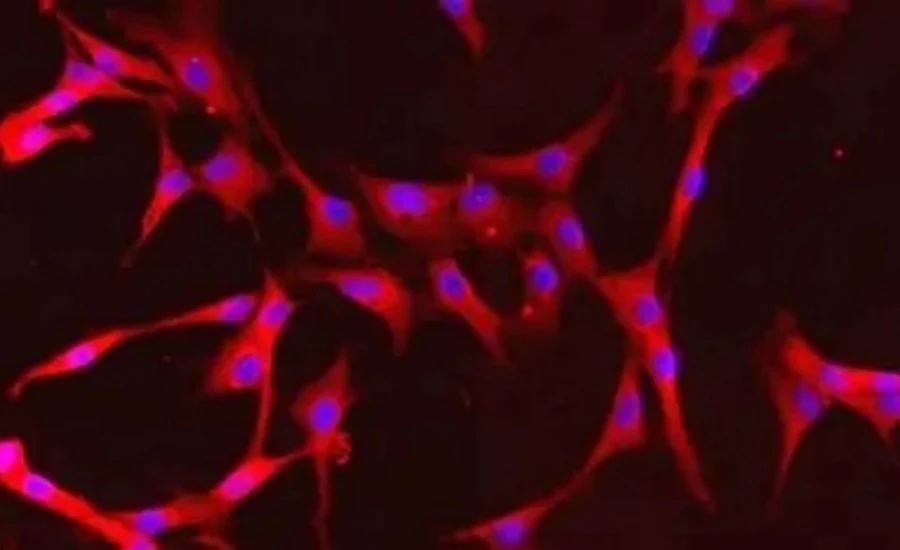
When SIRT1 levels are too high, cells react more quickly to blocking NNMT, which makes metabolic changes work better. It's not as good for your metabolism when SIRT1 is turned off or when substances like EX-527 are used to block it. In differentiation tests, stopping NNMT stops the growth of fat cells, but only if SIRT1 is working. When inhibitors are used, cells that don't have SIRT1 keep turning into mature adipocytes. Cells that do have SIRT1, on the other hand, stop adipogenesis completely. The DNA proof shows that SIRT1 is a key player and not a different process.
We can learn more about how things work with substrate-specific acetylation tests. Because it lowers acetylation of PGC-1α, PPARγ, and FOXO1, which are all known SIRT1 substrates, the 5 amino 1mq peptide can't be blocked by SIRT1. These molecular details complete the chain of events that start with NNMT being blocked and end with SIRT1 being turned on.
From NAD+ Preservation to Cellular Metabolism: 5 Amino 1MQ Peptide
Mitochondrial Function and Energy Expenditure
NNMT inhibition restores mitochondrial NAD⁺ levels, improving respiratory-chain function, oxygen consumption, and energy expenditure. The peptide may also promote mitochondrial biogenesis through the SIRT1-PGC-1α pathway, increasing mitochondrial DNA and proteins. Healthier, more abundant mitochondria enhance fat oxidation, reduce lipid accumulation, and support longer-term metabolic improvement.
Impact on Lipid Metabolism Pathways
NNMT inhibition may remodel lipid metabolism by reducing lipogenesis and increasing lipolysis. 5 amino 1mq decreases lipogenic enzymes such as ACC, FAS, and SCD while increasing ATGL, HSL, and CPT1, promoting fat breakdown and oxidation. SIRT1-related transcriptional changes may support this coordinated metabolic shift, contributing to reduced fat accumulation.
Glucose Metabolism and Insulin Sensitivity
NNMT suppression may improve glucose metabolism alongside fat metabolism. By reducing adipose tissue, inflammation, and circulating free fatty acids, 5 amino 1mq may improve insulin sensitivity and glucose tolerance. Enhanced insulin signaling, including Akt activation, together with SIRT1 activity, may reduce lipotoxicity and inflammatory interference, supporting broader metabolic health.

Conclusion
This route from NNMT to SIRT1 via maintaining NAD+ shows how the 5 amino 1mq peptide works at the most basic levels of how cells work. This regulator stops a certain enzyme from working too hard, which uses up important cofactors in the metabolism. This gives cells their energy back and starts processes that make people live longer. This substance could be used for research or as a medicine because it changed the metabolism to make insulin work better, raise mitochondrial activity, and shift fatty metabolism toward oxidation. It also reduced inflammation.
It is very helpful for metabolic studies and making new drugs to figure out how these chemicals work. Other ways aren't as safe as this one because it changes metabolism without changing appetite, and it has been shown to be safe in preclinical tests. More research needs to be done on the roles of NNMT in different body functions. In the meantime, selective inhibitors like this peptide will be useful for understanding how things work.
Scientists have found that stopping NNMT can help treat a number of illnesses in cells, animals, and molecules. Many parts of metabolic health are affected by this peptide's path, from the growth of adipocytes to the body's overall energy balance. The compound is more than one molecule; it also shows that metabolic enzymes can be used to get cells back to a state of balance.
Frequently Asked Questions
Lorem ipsum dolor sit amet,consectetur.
1.What makes 5 amino 1mq peptide different from other metabolic compounds?
-
The peptide works in a special way because it only stops NNMT. It doesn't affect any other regulators or enzymes that control hunger. This choice lets metabolic rewiring happen without making people less hungry. This is different from treatments that are based on what people want. Its effects on NAD+ and SIRT1 work with the body's own ways of aging instead of overstimulating the metabolism to make changes happen.
2.How quickly does NNMT inhibition affect cellular NAD+ levels?
-
Studies show that NAD+ levels start to rise hours after NNMT is blocked and reach a peak (30–50%) by the first day of treatment. This quick reaction shows how NAD+ metabolism is always changing and how quickly the salvage pathway can change nicotinamide that has been saved into NAD+ when there is no longer any NNMT competition.
3.Can NNMT inhibition be combined with other metabolic interventions?
-
Researchers have looked at what happens when you change your diet and do more exercise together. They found that the results are better than when you only did one of these things. The peptide's process works with calorie reduction by helping the body use fat while lowering the amount of fat eaten. In the same way, doing both at the same time speeds up your metabolism and uses even more energy. Because of these results, metabolic studies might do better with a method that is more interwoven.
Partner With Kpeptide as Your Trusted 5 Amino 1MQ Peptide Supplier
To get around the tricky world of metabolic study chemicals, you need a partner who knows how to do science right and how to apply what they've learned in real life. Organic synthesis has been done by Kpeptide for more than 12 years. The company has 100,000-square-meter sites in the US, EU, Japan, and China that are GMP-certified. We make sure that every batch of 5 amino 1mq peptide meets strict purity standards (≥98%) and comes with full analytical documentation, such as HPLC and MS verification, because we care about research-grade quality.

We're an approved supplier of 5 amino 1mq peptides to 24 of the biggest pharmaceutical and biotechnology companies in the world. We know how important it is for your research projects that the supply chain works, that batches are always the same, and that you follow all the rules. Our three levels of quality control-factory testing, internal QA/QC review, and proof by a third party-make sure that the material you receive meets your needs. Our prices are clear, our lead times are correct, and we offer focused technical help to make sure that your study goes smoothly.
You can talk to our professional team one-on-one at any time, whether you need small amounts for school or large amounts that can be made whenever you need them. Get in touch with us right away at sales@kpeptide.com to talk about your specific needs and find out how our unified approach to quality, safety, and customer service can help you meet your metabolic research goals.
References
1. Komatsu M, Kanda T, Urai H, et al. NNMT activation can contribute to the development of fatty liver disease by modulating the NAD+ metabolism. Scientific Reports. 2018;8(1):8637.
2. Kraus D, Yang Q, Kong D, et al. Nicotinamide N-methyltransferase knockdown protects against diet-induced obesity. Nature. 2014;508(7495):258-262.
3. Ulanovskaya OA, Zuhl AM, Cravatt BF. NNMT promotes epigenetic remodeling in cancer by creating a metabolic methylation sink. Nature Chemical Biology. 2013;9(5):300-306.
4. Hong S, Moreno-Navarrete JM, Wei X, et al. Nicotinamide N-methyltransferase regulates hepatic nutrient metabolism through Sirt1 protein stabilization. Nature Medicine. 2015;21(8):887-894.
5. Kannt A, Pfenninger A, Teichert L, et al. Association of nicotinamide-N-methyltransferase mRNA expression in human adipose tissue and the plasma concentration of its product, 1-methylnicotinamide, with insulin resistance. Diabetologia. 2015;58(4):799-808.
6. Roberti A, Fernández AF, Fraga MF. Nicotinamide N-methyltransferase: At the crossroads between cellular metabolism and epigenetic regulation. Molecular Metabolism. 2021;45:101165.