Mitochondria serve as the cellular powerhouses that drive energy production and metabolic processes throughout the body. Recent investigations into metabolic regulation have highlighted 5 amino 1mq peptide as a compelling research tool for understanding how cellular energy systems operate. This small-molecule inhibitor targets nicotinamide N-methyltransferase (NNMT), an enzyme increasingly recognized for its influence on mitochondrial metabolism and energy homeostasis.
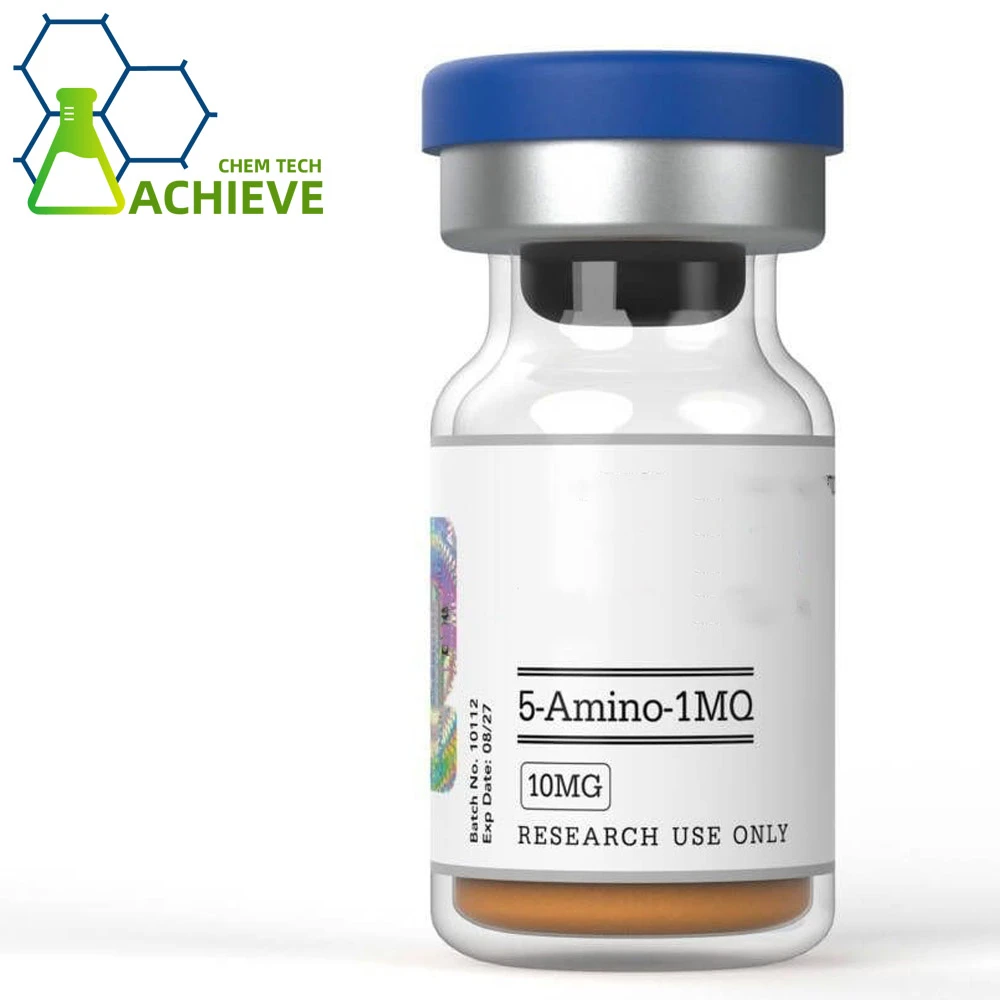
5-Amino-1MQ Peptide Injection
1.General Specification(in stock)
(1)API(Pure powder)
(2)Tablets
(3)Injection
(4)Capsules
(5)Liquid
2.Customization:
We will negotiate individually, OEM/ODM, No brand, for secience researching only.
Internal Code:KP-3-5/002
NNMTi CAS 42464-96-0
Molecular formula: C10H11N2.I
HS code: N/A
Molecular weight: 286.11
EINECS number: 464-196-0
Main market: USA, Australia, Brazil, Japan, Germany, Indonesia, UK, New Zealand , Canada etc.
Analysis: HPLC, LC-MS, HNMR
Technology support: R&D Dept.-4
Researchers across pharmaceutical laboratories and biotechnology organizations are examining how this compound affects NAD⁺-dependent pathways that govern mitochondrial function. The mechanistic pathway through which 5-Amino-1-methylquinolinium chloride operates offers valuable perspectives on cellular energetics, fat metabolism, and metabolic efficiency. Understanding these relationships provides critical insights for metabolic research and therapeutic development.

How Does 5 Amino 1MQ Peptide Relate to Mitochondrial Energy Production?
NAD⁺ Restoration and Mitochondrial Coenzyme Activity
The 5 amino 1mq peptide and mitochondrial energy output are linked by its ability to change the amount of NAD⁺ that is available. NNMT uses up NAD+ and S-adenosylmethionine to make 1-methylnicotinamide, which means that these important metabolic cofactors are no longer available.
This peptide keeps the amount of NAD⁺ inside cells steady by blocking NNMT activity. This directly affects the ability of mitochondria to oxidatively phosphorylate.
In the mitochondrial respiratory chain, NAD+ is an important electron carrier that can't be missed. If NNMT activity is not controlled, too many methylation reactions drain NAD⁺ pools. This makes complexes I and III less effective in the electron transport system. Experiments show that this NNMT inhibitor treatment greatly raises the amounts of NAD⁺ in cells, which restores the flow of electrons through mitochondria and increases the ability to make ATP.


Mitochondrial Biogenesis Signaling Pathways
In addition to keeping mitochondrial function the same,
5-Amino-1MQ changes the way new mitochondria are made through signaling cascades that depend on NAD+. High levels of NAD⁺ turn on SIRT1, a deacetylase enzyme that controls PGC-1α, the main enzyme that controls mitochondrial biogenesis. This activation sequence encourages the production of mitochondrial genes stored by the nucleus and boosts DNA replication in the mitochondria. Studies in the lab using cellular models have shown that this peptide treatment boosts the number of mitochondria in cells, especially in areas that are metabolically active. Higher mitochondrial mass means more oxidative ability and better energy state in cells. Based on these findings, it seems that the substance not only improves the performance of mitochondrial cells, but it also helps these cells multiply when metabolic demands rise.
Oxidative Phosphorylation Efficiency Enhancement
ATP production through oxidative phosphorylation is the best way to measure how much energy mitochondria make. According to research, giving 5 amino 1mq peptides makes the connection between substrate oxidation and ATP synthesis work better. This improvement comes from having the right amounts of NAD+ and NADH, which makes it easier for electrons to move through respiratory complexes.
ATP production and oxygen intake rates in treated cells show that they can breathe better and use oxygen more efficiently. The peptide affects the regulation of the membrane potential of the mitochondria, which makes sure that proton gradients stay strong so that ATP synthase can work. These bioenergetic changes show the basic link between blocking NNMT and the energy-making system in mitochondria.

5 Amino 1MQ Peptide and Cellular Energy Metabolism Research
Metabolic Flux Analysis in Research Models
Advanced analysis methods are used in modern metabolic studies to find out how 5-Amino-1MQ changes the way cells use energy. Using tagged glucose and fatty acids in isotope tracking studies shows that blocking NNMT changes the flow of metabolic energy toward oxidative pathways instead of storage pathways. Cells that have been treated burn more glucose through the tricarboxylic acid cycle, which causes mitochondria to use more oxygen. These changes in metabolism show that the peptide changes the way cells choose to use fuel, favoring making energy right away over storing it. Lactate production goes down while oxidative metabolism goes up, which suggests that mitochondria are working harder to make energy. This kind of metabolic reprogramming is very important for knowing how cells change how they use energy in reaction to NNMT regulation.
Energy Expenditure and Thermogenesis Studies
The metabolic effects seen at the cellular level are supported by studies of the whole organism.


It has been shown that giving 5 amino 1mq peptide to animal models makes them use more energy without making them more active. Indirect calorimetry readings show that more oxygen is being used and more carbon dioxide is being made, which are both signs of a faster metabolic rate. Studies on temperature control show that this higher energy use may be caused by better mitochondrial uncoupling. The fact that brown and white adipose tissues have higher levels of uncoupling proteins suggests that thermogenesis is starting up. This metabolic pattern is similar to what happens when you are exposed to cold or when your β-adrenergic receptors are stimulated. This suggests that blocking NNMT starts thermogenic programs that release chemical energy as heat through mitochondrial pathways.
Insulin Sensitivity and Glucose Metabolism Connections
Energy metabolism includes more than just burning fuel. It also includes systems that send hormones and sense nutrients.
Researchers have found that this peptide treatment makes biologically weakened models more sensitive to insulin. Better insulin action makes it easier for cells to take in and use glucose, which lowers the amount of glucose in the blood and raises the rate at which glucose is burned inside cells.
There are probably a number of mechanisms at play here, such as decreased inflammatory signaling, better mitochondrial function, and higher NAD+-dependent enzyme activity. Glucose tolerance tests on treated people show faster glucose clearance and lower insulin needs, which means that metabolic efficiency improves at both the general and cellular levels. These results show that blocking NNMT is a metabolically integrated measure that controls different parts of energy balance.

Why Is 5 Amino 1MQ Peptide Studied for Mitochondrial Function?
Many metabolic problems are caused by mitochondrial dysfunction, so treatments that improve mitochondrial health are very helpful.
Because 5-Amino-1MQ only binds to NNMT, it provides an exact place where metabolic regulation can be changed. Unlike broad-spectrum metabolic modifiers, this substance targets a particular enzyme whose activity directly affects the abundance of cofactors in mitochondria and the cell's ability to make energy.
This peptide is important to pharmaceutical companies and research institutions because it fixes a basic metabolic problem.
NNMT expression goes up in a number of metabolic conditions, which leads to a lack of NAD⁺ and lowers mitochondrial performance.
By turning this enzyme activity around, scientists can see if fixing NAD+ levels and mitochondrial function fixes metabolism problems that happen further down the line. It looks like the compound would work well in experiments based on its pharmacological profile.
Its low molecular weight makes it easier for it to get into cells, and its quinoline structure keeps it stable chemically.

Because of these features, researchers can do controlled studies on mitochondrial metabolism without having to deal with issues related to making complicated drugs or delivering them.
Exploring the Link Between 5 Amino 1MQ Peptide and Fat Oxidation
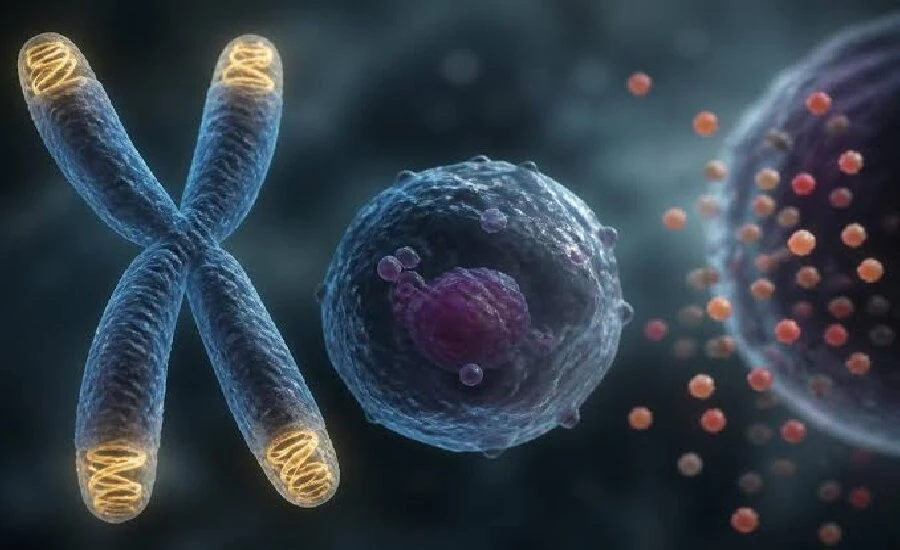
Lipid metabolism is another area where mitochondrial function is very important. Fatty acid β-oxidation happens in mitochondria, which needs electron transport chains to work and enough NAD+ to be available. NNMT suppression through 5 amino 1mq peptide injection improves the ability of cells to burn fat by making these mitochondrial requirements better.
It has been shown in experiments that treated adipocytes have higher levels of genes that code for fat metabolism enzymes, such as ATGL (adipose triglyceride lipase) and HSL (hormone-sensitive lipase).
These enzymes speed up the first steps of breaking down triglycerides, which frees up fatty acids for oxidation in the mitochondria. At the same time, genes that make lipids, like fatty acid synthase, are expressed less, which means that the body is switching its metabolism from storing lipids to using them.
Carnitine palmitoyltransferase systems move long-chain fatty acids across mitochondrial membranes and help mitochondria take in fatty acids. According to research, blocking NNMT speeds up these transport systems,
which lets more fatty acids get into the mitochondria, where β-oxidation takes place. This leads to more acetyl-CoA being made, which goes straight into the tricarboxylic acid cycle and makes reducing equivalents that power ATP production through the electron transport chain.
Several types of research have shown that this increased ability to burn fat has been proven. For example, respirometry studies have shown that higher levels of palmitate-driven oxygen consumption and metabolomic analyzes have shown higher levels of β-oxidation intermediates. The fact that the results were the same across all experimental platforms makes it more likely that 5-Amino-1MQ has a real effect on the metabolism of lipids in mitochondria.

How 5 Amino 1MQ Peptide May Influence Mitochondrial Metabolic Activity
Redox Balance and Reactive Oxygen Species Management
Reactive oxygen species are made when electrons are moved around in mitochondria during metabolic action. To keep the redox balance right, there needs to be enough antioxidants and good electron flow to keep electron leaks to a minimum. The peptide changes the availability of NAD+, which impacts both parts of redox homeostasis.
Higher amounts of NAD⁺ help antioxidant systems that depend on NAD⁺ work, such as NADPH renewal pathways that power glutathione and thioredoxin systems. These antioxidant networks stop reactive oxygen species from doing damage to mitochondrial proteins, lipids, and DNA. When this compound is added to research models, oxidative stress markers go down and mitochondrial shape gets better.
When the NAD+/NADH ratios are just right, the electron transport chain works more efficiently. This makes it less likely for electrons to leave and superoxide to form at complex I and complex III.

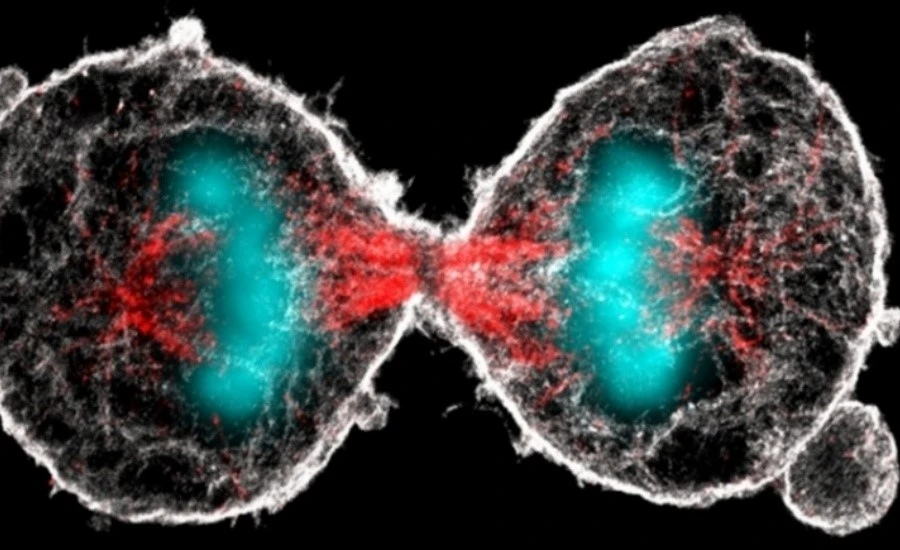
This better connection between oxidizing substrates and making ATP means that the metabolism is working more efficiently and fewer oxidative byproducts are being made. Because it increases the body's antioxidant defenses and lowers the production of reactive oxygen species, blocking NNMT is a good way to protect mitochondria.
Mitochondrial Dynamics and Quality Control
Mitochondria are always fusing and fissioning, which keeps the population healthy and changes based on what the cell needs. These changing processes make sure that broken mitochondrial parts are separated and thrown away by mitophagy, while healthy mitochondria join together to share their contents and improve their function. There is more and more evidence that the 5 amino 1mq peptide affects these quality control systems.
Proteins involved in mitochondrial dynamics and mitophagy are controlled by NAD+-dependent sirtuins, mainly SIRT1 and SIRT3. When NNMT is blocked, higher amounts of NAD⁺ turn on these sirtuins,
which increases the production of fusion proteins like mitofusins and OPA1 while changing the fission machinery. A healthy mitochondrial network that can handle metabolic problems is kept in check by fusion-fission processes that are in balance.
Mitophagy markers are expressed differently in cells that have been treated with this peptide, which suggests that dysfunctional mitochondria are removed more efficiently. This quality control improvement makes sure that the mitochondrial population stays at a high level of functionality, which helps the metabolism work well for a long time. Biogenesis, dynamics, and quality control all work together to make a full mitochondrial health program that is affected by NNMT inhibition.
Metabolic Flexibility and Substrate Switching
Metabolic flexibility, or the ability to switch between different fuel sources based on what's available and what the body needs, relies a lot on how well mitochondria can change. Cells need to be able to quickly switch from burning glucose when they are eaten to burning fat when they are hungry or working out.
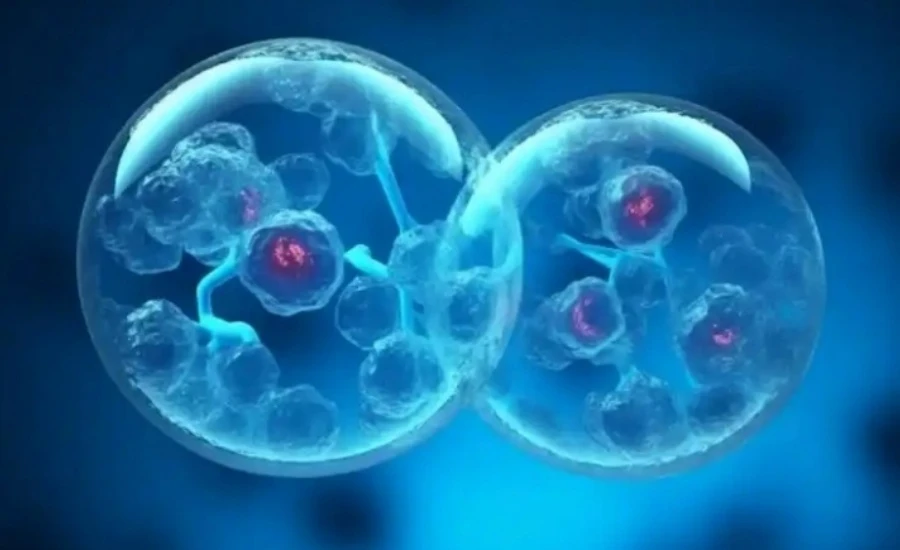
To switch substrates, changes must be made to the production of enzymes, the activity of transporters, and the metabolic routes in the mitochondria.
Researchers have found that 5-Amino-1MQ treatment improves metabolic flexibility by keeping the mitochondria's ability to burn both carbohydrates and fats. Cells keep their strong ability to burn glucose while also getting better at burning fat, which is a metabolic profile linked to healthy, insulin-sensitive tissues. This two-in-one ability stops metabolic inflexibility, a condition in which mitochondrial function problems limit the use of substrates.
Enhanced metabolic flexibility is caused by SIRT1 activation and PGC-1α upregulation, which work together to control the production of genes that make enzymes for many metabolic processes. This regulated transcriptional reaction makes sure that mitochondria can continue to handle different types of fuel inputs by changing their oxidative capacity to match the abundance of substrates and the energy needs of the cell.

Conclusion
The study of mitochondrial function using 5 amino 1mq peptides shows complex links between NNMT activity, NAD+ metabolism, and the energy levels of cells. This study tool makes it possible to look closely at how blocking enzymes affects the production of energy in mitochondria, the spread of metabolic flux, and the ability to oxidize. As more evidence comes in, it's clear that NNMT is a key regulator in metabolic control, and that blocking it makes many different parts of mitochondrial biology work better together.
Pharmaceutical businesses, research groups, and science labs are still looking into the specifics of how this peptide changes the metabolism of cells. The results of the experiments help us learn more about how metabolism works and what kinds of treatments might work for metabolic problems. As research models and analytical methods get better, the connections between NNMT inhibition and mitochondrial function will probably show even more levels of metabolic complexity.
Frequently Asked Questions
1.What makes 5 amino 1mq peptide relevant to mitochondrial research?
-
This peptide stops NNMT, an enzyme that lowers NAD⁺, an important cofactor for making energy in mitochondria. The molecule helps the electron transport chain work, ATP production, and mitochondrial biogenesis by keeping NAD⁺ levels stable. This makes it useful for studying how cells use energy and how metabolism works.
2.How does NNMT inhibition affect cellular energy metabolism?
-
Stopping NNMT makes more NAD⁺ available inside cells, which turns on SIRT1 and other enzymes that depend on NAD⁺ and control how energy is used. This action raises the reactive capacity of mitochondria, improves the oxidation of glucose and fatty acids, raises the body's energy use, and makes metabolism more flexible across different types of tissues.
3.What quality standards should researchers expect from peptide suppliers?
-
Researchers should ask for pharmaceutical-grade purity (≥98%), full analytical certificates with HPLC and mass spectrometry data, GMP-certified manufacturing, the right cold-chain logistics, and regulatory paperwork to back up their research applications. Reliable suppliers offer consistent batches, detailed impurity profiles, and quick technical support for fixing problems in experiments.
Partner With a Trusted 5 Amino 1MQ Peptide Supplier
Kpeptide is a trustworthy company that can provide you with high-quality research chemicals that can help you study metabolic and mitochondrial function. Our production facilities are GMP-certified and meet standards from the US, EU, Japan, and the CFDA. This means that the quality of your important study projects is pharmaceutical-grade. We give your projects the quality guarantee they need by providing full analytical paperwork that includes HPLC and MS data.

We can help with your research from the first idea to bulk production because we know a lot about organic synthesis and pharmaceutical intermediates and have worked in the field for 12 years. We work with 24 of the world's largest pharmaceutical and biotechnology companies to provide them with stable supply lines, competitive prices, and technical help that speeds up the time it takes to do research.
Our professional team offers one-on-one service, clear pricing, and full regulatory support, whether you need research-grade samples or large-scale production volumes. Email our knowledgeable staff at sales@kpeptide.com to talk about your 5 amino 1mq peptide supplier needs and find out how our focus on quality can help your mitochondrial metabolism research.
References
1. Kraus D, Yang Q, Kong D, et al. Nicotinamide N-methyltransferase knockdown protects against diet-induced obesity. Nature. 2014;508(7495):258-262.
2. Komatsu M, Kanda T, Urai H, et al. NNMT activation can contribute to the development of fatty liver disease by modulating the NAD+ metabolism. Scientific Reports. 2018;8(1):8637.
3. Parsons RB, Smith ML, Williams AC, et al. Expression of nicotinamide N-methyltransferase in the brain and other tissues. Journal of Neurochemistry. 2003;85(3):569-578.
4. Riederer M, Erwa W, Zimmermann R, et al. Adipose tissue as a source of nicotinamide N-methyltransferase and homocysteine. Atherosclerosis. 2009;204(2):412-417.
5. Ulanovskaya OA, Zuhl AM, Cravatt BF. NNMT promotes epigenetic remodeling in adipose tissue through NAD+ consumption. Nature Chemical Biology. 2013;9(5):300-306.
6. Hong S, Moreno-Navarrete JM, Wei X, et al. Nicotinamide N-methyltransferase regulates hepatic nutrient metabolism through Sirt1 protein stabilization. Nature Medicine. 2015;21(8):887-894.