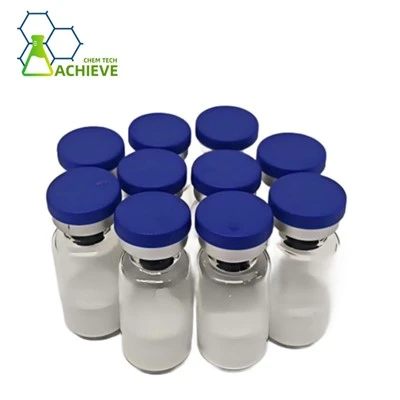
The dialogue around metabolic health and fat utilisation has been gaining traction among the scientific groups exploring novel options for adipose tissue management. The latest scientific talks are based on a small-molecule inhibitor named 5 amino 1mq peptide that blocks nicotinamide N-methyltransferase (NNMT).
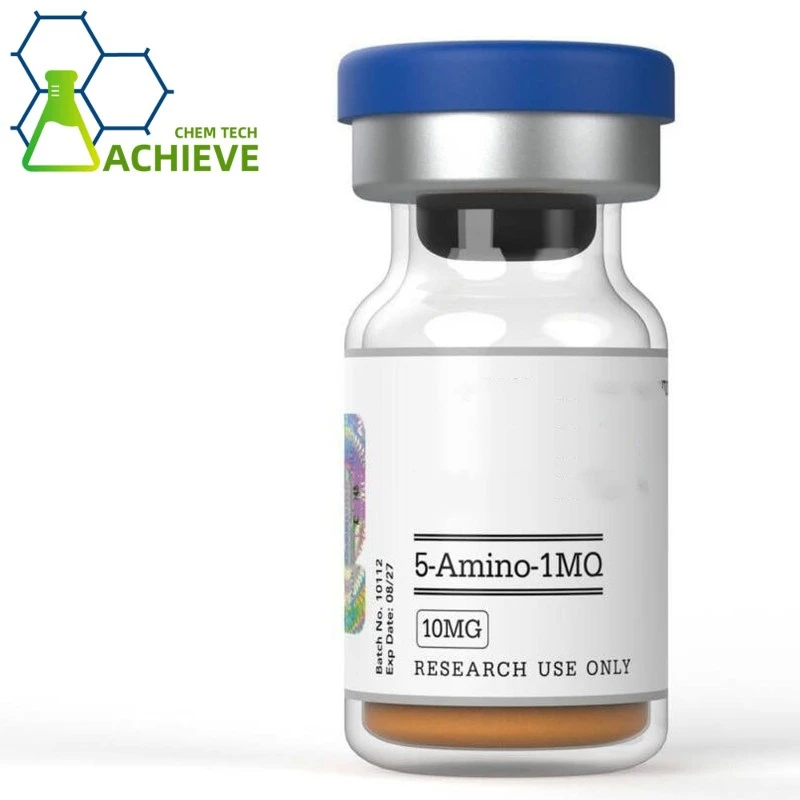
5-Amino-1MQ Peptide Injection
1.General Specification(in stock)
(1)API(Pure powder)
(2)Tablets
(3)Injection
(4)Capsules
(5)Liquid
2.Customization:
We will negotiate individually, OEM/ODM, No brand, for secience researching only.
Internal Code:KP-3-5/002
NNMTi CAS 42464-96-0
Molecular formula: C10H11N2.I
HS code: N/A
Molecular weight: 286.11
EINECS number: 464-196-0
Main market: USA, Australia, Brazil, Japan, Germany, Indonesia, UK, New Zealand , Canada etc.
Analysis: HPLC, LC-MS, HNMR
Technology support: R&D Dept.-4
Researchers are starting to unravel the complex mechanisms that regulate adipocytes' storage and release of fatty acids, and doubts remain as to whether this peptide may also impact cellular fat breakdown processes. To understand these possible linkages, we must examine the molecular processes governing lipid mobilisation and energy balance.

Research institutes have concentrated on substances that may be able to alter the rate of conversion of stored triglycerides into useful energy by adipocytes. Lipolysis, the enzymatic hydrolysis of lipids to free fatty acids and glycerol, is a basic part of cellular energy control. Blocking NNMT activity, scientists have shown, may induce metabolic changes that influence how fat cells metabolise stored lipids. This enquiry has identified the 5 amino 1mq peptide as a molecule of relevance in metabolic research, especially in respect to its proposed association with lipolytic pathways.
The road from observations in the laboratory to an overall knowledge includes the study of several levels of cellular metabolism. Enzyme activity, coenzyme availability, transcriptional control of metabolic genes The variables affecting lipolysis are part of a complicated network. As research continues, experts are still assessing whether NNMT inhibition may be a feasible technique to investigate adipose tissue dynamics and processes of fat mobilisation.
How Could 5 Amino 1MQ Peptide Relate to Lipolysis?
The NNMT Pathway and Its Metabolic Significance
Nicotinamide N-methyltransferase is an enzyme which is present in fat, liver, muscle and other locations. This enzyme catalyses the conversion of nicotinamide to 1-methylnicotinamide and S-adenosylhomocysteine using S-adenosylmethionine as the methyl donor. They observed that obese persons with metabolic issues had a greater expression of NNMT in their adipose tissue. The enzyme acts in a way that the level of NAD+ in cells seems to fluctuate. NAD+ is a coenzyme that assists in energy production and lipid transport inside the body.
So that is how NNMT is linked to metabolic function . NNMT alters the levels of NAD+ . To make nicotinamide, a building block for NAD+, more active, it is transformed into methylated forms. This might suggest that there are less substrates to generate NAD+. Scientists suspect low levels of NAD+ may impact sirtuin family proteins, specifically SIRT1. SIRT1 controls the expression of metabolic genes.


It's conceivable that NNMT activity is having a larger influence on metabolism, such as the way adipocytes store and transport fat.
5 amino 1mq peptide is a chemical that blocks NNMT in a certain way. Researchers have looked at this drug to see if it can keep NAD+ levels high in cells by stopping an enzyme from methylating. Scientists have used lab models to check if this decrease could then start processes that rely on NAD+ and change how lipids are broken down. The idea behind it is that keeping NAD+ levels high might help mitochondria work better and could change how fats are made and broken down in adipocytes.
Cellular Mechanisms Behind Fat Storage and Release
Adipocytes are unique cells that can store and release fats based on the body's needs. These cells store fats when they have more energy than they need. The process is known as lipogenesis. If your body needs more energy than it can get from food,
researchers saw genes related to lipolysis and mitochondrial fatty acid oxidation become more active, while genes that make fat decreased in activity. Scientists think that the peptide might change how adipocytes deal with fat in these ways, but they still need to figure out the exact cause-and-effect links.

5 Amino 1MQ Peptide and the Cellular Control of Fat Mobilization
Hormone-Sensitive Mechanisms and Metabolic Signaling
There are many chemicals that work together to tightly manage lipolysis. These include catecholamines, insulin, natriuretic peptides, and others. Protein kinase A is turned on when catecholamines bind to beta-adrenergic receptors on the membranes of adipocytes. This starts the production of cyclic AMP. Hormone-sensitive lipase and perilipin proteins, which cover lipid droplets, are phosphorylated by this chain reaction. Enzymes can get to stored triglycerides more easily this way. Insulin works the other way. It makes phosphodiesterases work, which break down cyclic AMP and slow down lipolysis.
Not only do regulatory programs quickly control hormones, they also set the basic ability of adipocytes to break down fat. Enzymes that break down fats are turned on and off by nuclear receptors and transcription factors such as peroxisome proliferator-activated receptors. Coenzymes, such as NAD+, change the way governing proteins, such as sirtuins, work when they are present. These proteins remove a charge from transcription factors and histone proteins.


This changes the way genes are expressed in ways that are important for metabolism. By studying the 5 amino 1mq peptide, researchers have tried to find out if NNMT reduction changes these regulatory layers. Researchers who used grown adipocytes found that the substance changed the production of transcription factors that help break down fats. The changes that were seen were in line with a change in metabolism that made it burn fat better and store less of it. Researchers think that stopping NNMT might help metabolic flexibility, which is the body's ability to quickly switch between saving and using lipids based on its needs. This is because it keeps NAD+ levels high.
Adipocyte Differentiation and Metabolic Phenotype
Adipocyte differentiation depends on coordinated PPARγ and C/EBP transcriptional programs, with NNMT expression increasing during development. Studies suggest that NNMT inhibition with 5 amino 1mq reduces adipogenic markers and triglyceride accumulation, slowing adipocyte formation. This may alter fat-tissue growth, cellular composition, and metabolic function, though mechanisms remain under investigation.

What Is the Link Between NNMT Inhibition and Lipid Breakdown?
NAD+ Availability and Mitochondrial Fat Oxidation
NAD + availability is also required in sirtuin-mediated metabolic control and mitochondrial fatty acid oxidation . We found that inhibiting NNMT with 5 amino 1mq may boost cellular NAD+ levels, mitochondrial respiration and fatty acid oxidation, and lipid utilisation. The results relate NNMT inhibition to an increased ability of cells to burn stored fat for energy.
Gene Expression Changes in Lipid Metabolism
Inhibition of NNMT may re-program lipid metabolism at the level of gene expression. There is an increased expression of lipolytic and oxidative genes and a decreased expression of lipogenic genes, indicating a shift towards fat breakdown. These reproducible observations in cell and animal models provide evidence for transcriptional regulation via NAD+-dependent pathways, although the entire mechanisms are under investigation.
Energy Expenditure and Thermogenic Potential
In addition to inducing lipolysis and fat oxidation, NNMT inhibition may affect total energy expenditure. Results vary but studies with 5 amino 1mq imply increased expression of mitochondrial and oxidative genes, and small increases in energy utilisation. Further studies are required to elucidate its thermogenic effects and organ-specific metabolic processes.
Fat Oxidation vs. Lipogenesis: Where Does 5 Amino 1MQ Peptide Fit?

The Metabolic Push-Pull of Lipid Balance
The ratio of lipids is determined by the interplay of lipogenesis, lipolysis and oxidation. Energy demand drives fat mobilisation, while a high energy level drives fat storage. Research shows that NNMT inhibition by 5 amino 1mq may concurrently increase oxidative pathways and decrease lipogenic activity, resulting in coordinated metabolic alterations that may be more efficient in reducing adipose tissue.
Insulin Sensitivity and Metabolic Flexibility
Obesity-associated insulin resistance impairs metabolic flexibility by diminishing insulin's ability to regulate lipolysis and enhancing fatty acid release and fat deposition. Studies have shown that NNMT inhibition by 5 amino 1mq may enhance glucose tolerance and insulin sensitivity, presumably via decreased adipose lipolysis and inflammation with 5 amino 1mq peptide. Further studies are required to elucidate the effects on liver and muscle.
Inflammatory Signaling and Metabolic Dysfunction
Obesity is linked to adipocyte hypertrophy, which encourages inflammation, cytokine secretion, macrophage infiltration and insulin resistance, so affecting fat metabolism.
The inhibition of NNMT by 5 amino 1mq was shown to decrease adipose inflammation and inflammatory signalling and may enhance lipolysis. The systemic metabolic effects of NNMT are to be understood by the interplay of NNMT, NAD+ metabolism and inflammatory pathways.

5 Amino 1MQ Peptide Research: Examining Adipocyte Energy Use
Experimental Models and Research Methodologies
In metabolic research, lipid metabolism is studied at multiple biological levels using in vitro, animal and ex vivo models. Adipocyte cultures allow the study of gene expression, metabolic flux, lipolysis, signalling and enzyme activity under regulated conditions. Animal models measure impacts on the entire organism whereas tissue explants retain interactions between cells and test the lipolysis generated by drugs or hormones.
Dose-Response Relationships and Treatment Duration
Dose response analyses are performed in NNMT inhibitor research to find effective dosages and to track toxicity. Oral and intraperitoneal dosage from milligrammes to tens of milligrammes per kilogram and therapy from single doses to many weeks have been used in animal investigations. Short-term impacts may lead to longer-term alterations in fat mass and metabolic health.
Translational Considerations and Research Gaps

NNMT inhibition has beneficial metabolic benefits in laboratory animals, however species differences may limit translation to people. The key gaps are the mechanism, appropriate therapeutic usage, long term safety and individual responses. More human-relevant research, careful testing and risk assessment, and regulation are needed before clinical use.

Conclusion
Scientists have studied the 5 amino 1mq peptide and found some interesting links between stopping NNMT and different parts of how cells use fats. Experiments have shown that blocking this enzyme may change the balance between whether fat is stored or moved around. This could happen by changing the amount of NAD+ that is accessible, the way mitochondria work, the way genes are expressed, or the signals that cause inflammation. In animal models, research has shown that NNMT inhibitors raise the expression of genes that break down fat, speed up the burning of fat, and lower the buildup of fat tissue.
Because of these results, the peptide can now be used to study metabolic control and the biology of fat tissue. It has been seen that the effects change many levels of regulation, from the activity of enzymes and the signaling between cells to transcriptional programs and the body's overall energy balance. This shows how intricate the webs are that manage fat metabolism. As the research goes on, it will be possible to get a better idea of how things work, what the best conditions are for experiments, and if they can be used in other situations.
We need more in-depth research, careful interpretation of experimental results, and an awareness of how complicated biological processes are in order to fully understand metabolism. Now that we know more about it, NNMT seems to be an interesting link in networks that control metabolism. In the lab, blocking it has measurable effects on lipid metabolism. This is just the beginning of our study into these processes and what they might mean for metabolism science.
Frequently Asked Questions
1.Does 5 amino 1mq peptide directly stimulate fat cells to release fatty acids?
-
The peptide doesn't directly break down fat; instead, it blocks NNMT. Researchers say that it has an indirect effect on fat release by keeping the amounts of NAD+ in cells steady. In turn, this changes biochemical enzymes and transcription factors that control lipolysis. Researchers in the lab have found that treatment makes more lipolytic enzymes. But this is more of a transcriptional reaction than a direct activation of lipase proteins.
2.How quickly do metabolic changes appear in research models treated with NNMT inhibitors?
-
Time studies show that changes at the molecular level, like changes in gene expression, can be seen just a few days after treatment starts. Treatments need to last longer, usually a few weeks in rat models, so that changes in body composition and fat mass can be seen. The time frame possibly shows how long it takes for changes in metabolism to have an effect on the body's general make-up and the amount of fat in its tissues.
3.Can NNMT inhibition affect metabolic tissues beyond adipose depots?
-
It has been found that NNMT is present in many body parts, including the heart, liver, and skeletal muscle. The 5 amino 1mq peptide changed how the liver used fats and improved liver function markers in obese lab animals, according to researchers who studied its metabolic effects. It's likely that the compound has effects on a lot of different tissues. These effects interact with each other in complicated ways to cause metabolic changes throughout the body. More research needs to be done to find out what NNMT does in different organs and what happens when it is stopped.
Partner With Kpeptide: Your Trusted 5 Amino 1MQ Peptide Supplier
Researchers and biotech businesses that study metabolic pathways and adipose tissue biology need to be able to consistently get their hands on high-quality research drugs in order to make scientific progress. Kpeptide is a company that only makes 5 amino 1mq peptides. They have a history of making both peptides and small chemicals. The US FDA, the EU, Japan, and China have all checked out our 100,000-square-meter GMP-certified production center and found it to meet strict quality standards. This makes sure that each batch meets the strict needs for research purposes.
We can do a lot of different types of research, such as NMR proof, HPLC, and mass spectrometry. Quality assurance comes in three forms for us: testing in the plant, review by our own QA/QC team, and approval by a third party. This is exactly what metabolic research needs. We can give you ≥98% pure goods, full paperwork to back up your experiments, and a variety of flexible packaging options that are made to fit the needs of metabolic research. Our team of experts has worked in organic synthesis and custom chemical production for more than 12 years. They can help you plan experiments and give you tips on how to work with chemicals.

24 foreign groups trust Kpeptide as a supplier because it has a stable supply chain, reasonable prices with clear pricing structures, and cold-chain logistics that keep compounds safe. Scholars can focus on making scientific discoveries instead of shopping because our one-stop service model makes it easier to buy things. We can help you with your research into NNMT inhibition and metabolic control, no matter if you need small amounts for basic studies or large amounts for long-term tests.
Our scientific team can be reached at sales@kpeptide.com to discuss your research needs, request certificates of analysis, or obtain full product specifications for 5 amino 1mq peptide and related metabolic research compounds.
References
1. Kannt A, Rajagopal S, Kadnur SV, et al. A small molecule inhibitor of nicotinamide N-methyltransferase for the treatment of metabolic disorders. Scientific Reports. 2018;8(1):3660.
2. Kraus D, Yang Q, Kong D, et al. Nicotinamide N-methyltransferase knockdown protects against diet-induced obesity. Nature. 2014;508(7495):258-262.
3. Ulanovskaya OA, Zuhl AM, Cravatt BF. NNMT promotes epigenetic remodeling in cancer by creating a metabolic methylation sink. Nature Chemical Biology. 2013;9(5):300-306.
4. Brachs S, Polack J, Brachs M, et al. Genetic nicotinamide N-methyltransferase (NNMT) deficiency in male mice improves insulin sensitivity in diet-induced obesity but does not affect glucose tolerance. Diabetes. 2019;68(3):527-542.
5. Hong S, Moreno-Navarrete JM, Wei X, et al. Nicotinamide N-methyltransferase regulates hepatic nutrient metabolism through Sirt1 protein stabilization. Nature Medicine. 2015;21(8):887-894.
6. Neelakantan H, Vance V, Wetzel MD, et al. Selective and membrane-permeable small molecule inhibitors of nicotinamide N-methyltransferase reverse high fat diet-induced obesity in mice. Biochemical Pharmacology. 2018;147:141-152.