


myristoyl hexapeptide-23 is a high-purity synthetic cationic lipopeptide developed independently with Kpeptide's mature cosmetic peptide R&D and production system.this white or off-white powder is a targeted anti-acne active raw material, specially designed for anti-bacterial, oil-control and skin barrier repair scenarios in acne-prone skin care products. It combines myristoyl hydrophobic modification and hexapeptide active sequence, delivering efficient and gentle performance far beyond ordinary common anti-acne ingredients.
Kpeptide Premium Quality Guarantee, HPLC purity ≥95%, strictly inspected under Kpeptide's full-chain quality management system, Stable batch consistency, supporting commercial mass production from gram to ton level,Complete technical document support.
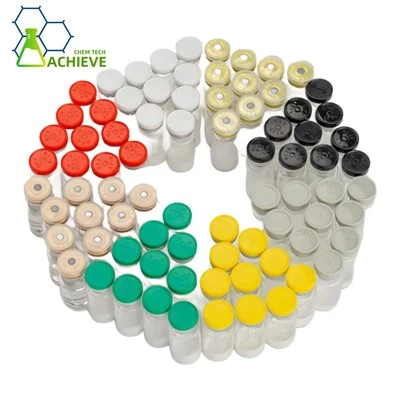
Our Products Form


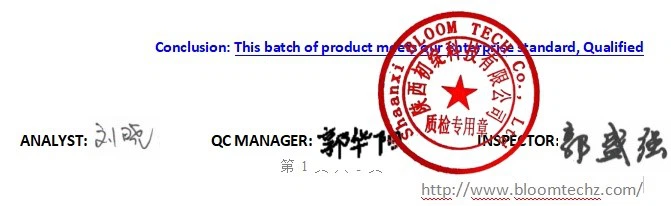
Myristoyl Hexapeptide-23 COA
 |
||
| Certificate of Analysis | ||
| Compound name | Myristoyl Hexapeptide-23 | |
| Grade | Pharmaceutical grade | |
| CAS No. | N/A | |
| Quantity | 15g | |
| Packaging standard | PE bag+Al foil bag | |
| Manufacturer | Shaanxi BLOOM TECH Co., Ltd | |
| Lot No. | 202601090056 | |
| MFG | Jan 9th 2026 | |
| EXP | Jan 8th 2029 | |
| Structure | N/A | |
| Item | Enterprise standard | Analysis result |
| Appearance | White or almost white powder | Conformed |
| Water content | ≤5.0% | 0.33% |
| Loss on drying | ≤1.0% | 0.27% |
| Heavy Metals | Pb≤0.5ppm | N.D. |
| As≤0.5ppm | N.D. | |
| Hg≤0.5ppm | N.D. | |
| Cd≤0.5ppm | N.D. | |
| Purity (HPLC) | ≥99.0% | 99.98% |
| Single impurity | <0.8% | 0.66% |
| Total microbial count | ≤750cfu/g | 530 |
| E. Coli | ≤2MPN/g | N.D. |
| Salmonella | N.D. | N.D. |
| Ethanol (by GC) | ≤5000ppm | 500ppm |
| Storage | Store in a sealed, dark, and dry place below 2-8°C | |
| N/A | ||
|
|
||
Collagen Boost, Skin Firming & Early Anti-Aging
1. Promotion of extracellular matrix (ECM) biosynthesis and collagen synthesis
Upon topical delivery, the Kpeptide peptide binds to cell surface receptors of dermal fibroblasts and epidermal keratinocytes, triggering intracellular signaling cascades that upregulate gene expression and protein production of type I and type III collagen, fibronectin and other ECM components. More intact ECM network reinforces dermal structural support, lifts skin firmness and elasticity, alleviates sagging induced by collagen loss, and fades fine lines and superficial wrinkles from early aging and photo‑damage.
2. Epidermal‑dermal junction reinforcement and barrier repair
It modulates keratinocyte behavior to strengthen epidermal integrity. Healthy keratinocyte turnover and basement membrane protein expression help restore the epidermal‑dermal connection. This stabilizes skin texture, reduces roughness and dullness caused by inflammation and UV exposure, and supports long‑term youthful skin appearance. This feature is particularly valuable for inflamed acne skin, where inflammatory insults often degrade collagen and accelerate premature aging.
3. Anti‑inflammatory anti‑aging synergy

By mitigating excessive inflammatory cytokine release, it lowers chronic low‑grade skin inflammation. Persistent inflammation drives matrix metalloproteinase (MMP) overexpression that breaks down collagen. The peptide indirectly reduces ECM degradation, slowing the progression of early aging and post‑inflammatory scarring and discoloration.
Research Progress: Signal Regulation in Fibroblasts and Keratinocytes

Molecular design phase
The molecule was rationally designed as a lipo‑signal peptide. The N‑terminal myristoyl group was introduced to solve the poor skin penetration limitation of ordinary hexapeptides. The peptide backbone was engineered to mimic endogenous skin repair signaling fragments. The dual biological profile was targeted: cationic structure for selective antibacterial activity against *Cutibacterium acnes, while the peptide sequence retains biomimetic signaling capacity to activate fibroblasts and keratinocytes. The raw material is manufactured via solid‑phase peptide synthesis with HPLC purity ≥95%.
In vitro cellular study stage
A series of in vitro cell assays were performed to validate its signal modulation on human dermal fibroblasts and epidermal keratinocytes:
1. Fibroblast signaling verification
When applied to cultured human dermal fibroblasts, myristoyl hexapeptide-23 acts as an extracellular messenger to activate downstream transcription pathways. Assays confirmed upregulated expression of collagen I, collagen III and fibronectin. The peptide signals fibroblasts to increase ECM secretion, which is the primary mechanism for dermal firming. Cell cytotoxicity tests demonstrated low cellular toxicity at working concentrations.
2. Keratinocyte signaling verification
In human keratinocyte culture models, the peptide modulates keratinocyte proliferation, differentiation and cytokine secretion profiles. It promotes proteins related to epidermal basement membrane and barrier function, and suppresses overproduction of pro‑inflammatory mediators. This signaling stabilizes epidermal homeostasis, reduces inflammation‑triggered matrix breakdown, and supports cross‑talk between epidermis and dermis.
3. Mechanism comparisonDistinct from retinoids or high‑concentration acids that directly stimulate cell turnover with high irritation risk,

this lipopeptide works through mild receptor‑mediated signal transduction. It does not cause drastic cell stress, which explains its good compatibility with sensitive inflamed acne skin.
Human clinical efficacy evaluation
A 12‑week human in‑use clinical test was carried out using formulations containing Kpeptide Myristoyl Hexapeptide‑23. Clinical outcomes showed statistically measurable improvements in skin elasticity, firmness and skin texture. The panel also exhibited reduced acne lesions and facial redness. The trial confirmed that under topical use, the peptide achieves both anti‑acne and early anti‑aging benefits on human skin. It is positioned as a cosmetic active for acne‑prone skin with early aging concerns.
2.4 Industrial and regulatory status
myristoyl hexapeptide-23 is classified as a cosmetic raw material, not a pharmaceutical agent. Its safety profile complies with cosmetic regulations in China, EU REACH and US TSCA. Solid‑phase synthesis has been scaled up for commercial supply. Current published research mainly covers in vitro cell tests and cosmetic human efficacy studies. There are no large‑scale clinical investigations for therapeutic drug indications.
Production Process
Resin loading: The C-terminal amino acid is anchored onto a solid polymer resin.
Cyclic coupling & deprotection: Amino acids are sequentially coupled in the predefined peptide sequence. The protecting group is removed after each coupling cycle.
N-terminal myristoylation: Myristic acid is conjugated to the N-terminus of the assembled hexapeptide chain to form the lipopeptide.
Cleavage & side-chain deprotection: The crude peptide is cleaved from the resin, and side-chain protecting groups are removed.
Purification: Crude product is purified by preparative high-performance liquid chromatography (HPLC).
Lyophilization: Purified peptide solution is freeze-dried to obtain white powder.
Transport requirements

1. Temperature control: Recommended transport temperature ≤25 °C. Avoid exposure to sunlight and heat sources. Long-distance ocean or air freight should prefer cool ambient conditions; cold chain is optional but recommended for high-volume shipments.
2. Moisture protection: Keep Kpeptide packages dry at all times. Prevent rain, water immersion and high-humidity warehouse transshipment. Do not open inner foil bags during transit.
3. Handling rule: Handle gently. Avoid heavy dropping, extrusion and package rupture. Stacking height is limited to prevent crushing outer cartons.
4. Compatible cargo: Separate from strong oxidants, strong acids and strong alkaline goods. Can be shipped together with general cosmetic raw materials.
Available transport modes
- Air freight: Acceptable as general cargo. Provide MSDS for airline declaration.
- Sea freight: General sea cargo. Recommended to select dry container; avoid container direct sun heating.
- Land freight (truck): General chemical cargo. Select covered truck; keep cargo away from cabin heating.
Transit documentation
Required documents: Commercial invoice, packing list, MSDS, COA (Certificate of Analysis. Some destinations may require cosmetic raw material declaration forms.
Storage after arrival
Upon receipt, transfer goods to dry warehouse at temperature ≤25°C, relative humidity <60%, away from light. Keep bags sealed until use. Shelf life remains valid under proper storage.
Risk contingency
If packaging is damaged during transit, isolate the package immediately to prevent moisture absorption of peptide powder. Inspect COA and sample testing before use if package integrity is compromised.
References
1.Therapeutic Peptides Inc. (TPI). SymPeptide®380 (Myristoyl Hexapeptide‑23) Technical Dossier. Internal R&D Report: Molecular design, in vitro antibacterial assay, fibroblast & keratinocyte signal regulation study, cytotoxicity evaluation.
2.Therapeutic Peptides Inc. (TPI). 12‑week cosmetic clinical efficacy report for formulation containing Myristoyl Hexapeptide‑23. Unpublished supplier-sponsored human topical trial.
3.Therapeutic Peptides Inc. (TPI). SymPeptide®380 Manufacturing, Quality & Stability Report. Solid-phase peptide synthesis, HPLC purification, lyophilization, QC specifications, hygroscopicity & thermal stability test.
4.Therapeutic Peptides Inc. (TPI). Material Safety Data Sheet (MSDS) & Transport Assessment for Myristoyl Hexapeptide‑23. Non-hazardous goods evaluation under IATA, IMDG and ADR.
5.Ghochikyan, A. (2025). Myristoyl hexapeptide‑23. Cosmetic Ingredients Guide.
6.Yuan, M., Song, Z. H., Ying, M. D., Zhu, H., He, Q. J., Yang, B., Cao, J. (2020). N-myristoylation: from cell biology to translational medicine. Acta Pharmacologica Sinica, 41(8), 1005–1015. https://doi:10.1038/s41401-020-0388-4.
Background paper: explains how N-terminal myristoylation improves lipophilicity and cell interaction for lipopeptides.
7.Zouboulis, C. C. (2004). Acne and sebaceous gland function. Clinics in Dermatology, 22(5), 360–366. https://doi:10.1016/j.clindermatol.2004.03.004
Background: Cutibacterium acnes, inflammation and matrix degradation in acne skin.
8.Pickart, L., & Vasquez, R. (2010). Biomimetic peptides in skin care: Signal peptides for extracellular matrix remodeling. Journal of Cosmetic Dermatology, 9(4), 307–312. https://doi:10.1111/j.1473-2165.2010.00521.
Background: General principle of cosmetic signal peptides acting on fibroblasts and keratinocytes to stimulate collagen.
9.Qualitide. Myristoyl Hexapeptide‑23 Product Technical Data Sheet.
Frequently Asked Questions
Q: How does it stimulate collagen and achieve skin firming & anti‑aging effects?
-
A: It acts as a biomimetic signaling lipopeptide. It interacts with cell receptors on fibroblasts and keratinocytes to trigger intracellular signaling cascades, upregulating synthesis of type I/III collagen and fibronectin. It also reduces the release of pro‑inflammatory cytokines, lowers MMP‑driven extracellular matrix degradation, strengthens the epidermal‑dermal junction, and improves skin elasticity and firmness to relieve early aging signs.
Q: What is the recommended addition dosage in cosmetic formulations?
-
A: The recommended dosage range is 0.5–2.0%. 0.5% is the preferred starting concentration for formulation screening. It can be incorporated into serums, lotions, creams, barrier repair products and pore refining skincare.
Q: What makes Myristoyl Hexapeptide‑23 different from conventional anti‑aging peptides such as Matrixyl series?
-
A: Traditional signal peptides mainly focus on collagen stimulation for anti‑aging. Myristoyl Hexapeptide‑23 is a lipopeptide with dual activity: selective bactericidal effect on *Cutibacterium acnes plus ECM‑promoting anti‑aging benefits. It is developed for acne‑prone skin with early aging concerns. The myristoyl lipid chain also delivers superior follicular penetration into sebaceous glands.
Q: Is Myristoyl Hexapeptide‑23 classified as dangerous goods for transportation?
-
A: No. It is non‑flammable, non‑corrosive and non‑explosive. It qualifies as general cosmetic raw cargo under IATA, IMDG and ADR rules. Dangerous goods declaration is not required, but MSDS and COA should be prepared for customs and carrier review.
Q: What documents can be supplied for shipment and regulatory registration?
-
A: COA (Certificate of Analysis), MSDS, TDS, commercial invoice and packing list. Additional supporting documents for cosmetic raw material declaration are available upon request.
Hot Tags: myristoyl hexapeptide-23, China myristoyl hexapeptide-23 manufacturers, suppliers, Best Ghk Cu Peptide Injection, botox 100 iu injection, Ghk cu Tablet, Glutathione Liposomal Tablets, Nad Peptide Injection, skincare peptide