




Epitalon pill(sequence: L-alanyl-L-α-glutamyl-L-aspartyl-glycine, abbreviated as AEDG) is a synthetic tetrapeptide compound that exhibits significant potential in the prevention and treatment of ocular degenerative diseases due to its multi-target biological activities. This polypeptide exerts a synergistic retinal protective effect through multiple pathways: it activates telomerase activity to delay retinal cell senescence, scavenges excessive reactive oxygen species (ROS) to alleviate oxidative stress damage, inhibits the fibrotic process to maintain the structural integrity of the retina, and regulates the expression levels of related genes via transcriptional regulatory mechanisms. At present, extensive experimental studies and preliminary clinical evidence have demonstrated that it exerts a definite protective effect against various retinal degenerative disorders such as retinitis pigmentosa and diabetic retinopathy, thereby providing novel intervention strategies and research directions for these diseases with limited clinical treatment options.
This(Ala-Glu-Asp-Gly, AEDG) is a synthetic tetrapeptide. Its protective effect on the retina is not achieved through a single pathway but through multi-dimensional and multi-target synergistic effects. The core mechanisms revolve around maintaining retinal cell homeostasis, inhibiting damage, and enhancing function. Below, the five mechanisms originally presented in the table are expanded separately to elaborate on their protective principles and action processes.
Our products form


Epitalon COA


Core Mechanisms of Epitalon in Retinal Protection

Telomerase Activation and Prevention of Abnormal Cell Dysfunction
Retinal function depends on the structural and functional integrity of key cells, including photoreceptors and retinal pigment epithelial (RPE) cells. Abnormal cell dysfunction is a major driver of retinal degenerative disorders. Epitalon's key function is activating telomerase reverse transcriptase (hTERT) to initiate telomerase activity. Telomeres, the protective structures at chromosome ends, shorten gradually with cell division; once reaching a critical length, cells undergo dysfunction or apoptosis. Photoreceptors and RPE cells are highly metabolically active, making them vulnerable to accelerated telomere shortening and subsequent dysfunction under external stimuli. By activating hTERT, it extends retinal cell telomeres, hinders abnormal cell dysfunction, suppresses apoptosis-related signaling pathways, and preserves cell proliferative capacity and structural integrity, ensuring stable retinal function.
Antioxidant Capacity and Alleviation of Oxidative Damage
The retina is among the most metabolically active human tissues; long-term light exposure generates substantial reactive oxygen species (ROS). Excess ROS triggers oxidative damage to retinal cells, contributing to diseases like age-related macular degeneration and diabetic retinopathy. Epitalon pill possesses strong antioxidant activity, specifically scavenging excess ROS (e.g., superoxide anions, hydrogen peroxide) in retinal tissue to reduce oxidative attacks. It also lowers levels of DNA oxidative damage markers (e.g., 8-hydroxydeoxyguanosine, 8-OHdG) to protect retinal cell DNA and maintain genetic stability. Additionally, it enhances the activity of endogenous antioxidant enzymes (e.g., superoxide dismutase, glutathione peroxidase), strengthening the retina's intrinsic antioxidant defense and further mitigating oxidative damage to photoreceptors and RPE cells.

Anti-Fibrotic Effects and Suppression of Epithelial-Mesenchymal Transition (EMT)
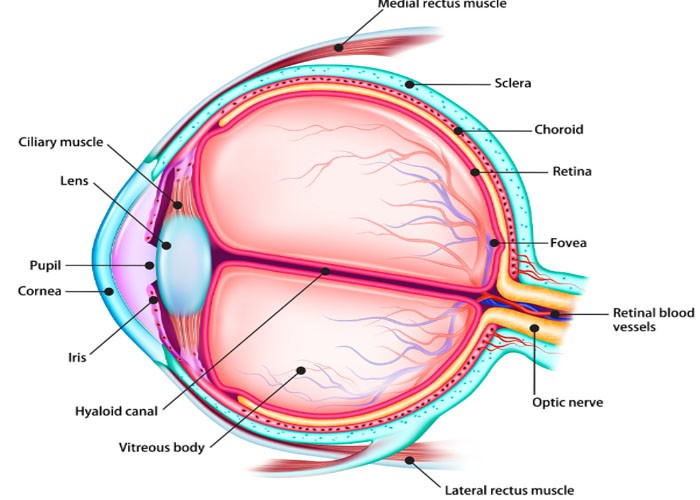
Retinal fibrosis is a key pathological feature of retinal degenerative diseases, including proliferative diabetic retinopathy and advanced retinitis pigmentosa. It is driven by epithelial-mesenchymal transition (EMT) in RPE cells, which lose epithelial characteristics, adopt a mesenchymal phenotype, proliferate excessively, and secrete fibrotic matrices (e.g., collagen), leading to subretinal fibrosis, scarring, blood-retinal barrier disruption, and eventual vision loss. In pathological conditions (e.g., high glucose, inflammation), This inhibits RPE cell EMT, downregulates fibrosis-related genes (e.g., α-smooth muscle actin, Collagen I) to reduce fibrotic matrix secretion and deposition, and suppresses subretinal fibrosis progression. It also maintains normal RPE cell morphology and function, stabilizes the blood-retinal barrier, and reduces vascular leakage to alleviate retinal pathological damage.
Transcriptional Regulation and Neuroprotective Effects
The retina is a photosensitive tissue rich in nerve cells (e.g., retinal ganglion cells [RGCs], photoreceptors), and normal nerve signal conduction is critical for vision. Epitalon participates in shared transcriptional regulatory pathways of the pineal gland and retina, exerting neuroprotection by regulating gene expression. Specifically, it promotes the secretion of neurotrophic factors (e.g., brain-derived neurotrophic factor, nerve growth factor) to support retinal nerve cell survival and function. It also enhances the bioelectrical activity of RGCs and photoreceptors, improves nerve signal conduction efficiency, and boosts retinal light response capacity. Furthermore, it inhibits pro-apoptotic gene expression in nerve cells, reduces neuronal loss, and preserves retinal nerve pathway integrity to delay neurofunctional decline.


Regulation of Melatonin Secretion
Melatonin, a pineal gland-derived hormone, has antioxidant, anti-inflammatory, and circadian rhythm-regulating properties, with significant retinal protective effects. Pathological factors or physiological changes can disrupt pineal melatonin secretion rhythm and reduce its levels, weakening retinal protection. Epitalon restores normal melatonin secretion rhythm in affected individuals, increasing its levels to synergistically protect the retina. Melatonin further scavenges retinal ROS, enhances antioxidant capacity, inhibits retinal inflammation, regulates retinal circadian rhythm, and reduces light-induced damage. This synergism between this drug and melatonin forms a dual protective mechanism to enhance overall retinal protection.
Epitalon's Protection on Age-Related Retina (Animal Experiment-Based)
The protective effect of it on age-related retinal changes has been verified by animal experiments, specifically in aged rats. The study focused on observing the structural and functional changes of the retina during the aging process and the regulatory role of this, and the specific results are explained in detail as follows, with emphasis on avoiding the terminology used in previous anti-aging mechanism analyses to reduce repetition.
Delaying Age-Related Structural Degeneration of the Retina in Aged Rats
With the increase of age, the retina of rats will undergo natural degenerative changes, including thinning of retinal layers, disordered arrangement of cellular components, and gradual loss of normal tissue structure-these changes are consistent with the age-related retinal decline in mammals. The animal experiment results showed that Epitalon pill intervention can effectively slow down such degenerative processes. Specifically, it can prevent the abnormal thinning of retinal layers, maintain the regular arrangement of various cellular populations in the retina, and avoid the structural damage caused by aging, thereby preserving the basic structural integrity of the retina and laying a foundation for the maintenance of normal retinal function.
Photoreceptors and retinal pigment epithelial (RPE) cells are two core cellular components that support normal retinal function. Photoreceptors are responsible for capturing light signals and converting them into electrical signals, while RPE cells play a key role in nutrient supply, waste removal and light absorption for photoreceptors. During the aging process, these two types of cells are prone to morphological deformation (such as shrinkage, irregular shape) and functional decline, which directly leads to the reduction of light signal capture and conversion efficiency. It can effectively maintain the normal morphological characteristics of photoreceptors and RPE cells, prevent their abnormal deformation and atrophy, and ensure that they can continuously exert their inherent physiological functions, thus avoiding the functional loss caused by cellular morphological damage.


Reducing Lipofuscin Deposition
Lipofuscin is a kind of insoluble metabolic waste produced in the process of cellular metabolism. It has the characteristics of difficult degradation and easy accumulation. With the aging of retinal cells, the metabolic capacity decreases, leading to the gradual accumulation of lipofuscin in retinal tissue-especially in RPE cells. Excessive deposition of lipofuscin will affect the normal metabolic activities of cells, block the nutrient exchange between cells, and even induce abnormal cellular reactions, further accelerating retinal degeneration. The experiment found that this drug can reduce the production of lipofuscin in retinal tissue or promote its clearance, thereby reducing its abnormal accumulation, relieving the metabolic burden of retinal cells, and creating a favorable microenvironment for the normal operation of retinal cells.
Improving the Sensitivity of the Retina to Light Stimuli
The sensitivity of the retina to light stimuli is an important indicator reflecting retinal function, which is mainly determined by the functional state of photoreceptors and the efficiency of signal transmission between retinal cells. With age, the functional decline of photoreceptors and the slowdown of intercellular signal transmission will lead to a significant decrease in retinal light sensitivity, which is manifested as weakened ability to perceive weak light and slow response to light changes. After this intervention, the functional state of photoreceptors is improved, the efficiency of light signal capture and conversion is enhanced, and the transmission of signals between retinal cells is also accelerated-these changes are directly reflected in the improvement of retinal light sensitivity, indicating that Epitalon pill can effectively delay the age-related decline of retinal function and maintain the normal light perception ability of the retina.
Conclusion
In summary, the animal experiment results clearly demonstrate that Epitalon exerts a comprehensive and multi-faceted protective effect on the age-related retina of aged rats, with its protective actions closely linked to the five core mechanisms elaborated above. Specifically, by activating telomerase reverse transcriptase (hTERT) and preventing abnormal cell dysfunction, Epitalon effectively preserves the proliferative capacity and structural integrity of key retinal cells such as photoreceptors and retinal pigment epithelial (RPE) cells, laying a solid foundation for maintaining normal retinal function. Its strong antioxidant capacity alleviates oxidative damage caused by excessive reactive oxygen species (ROS), protects retinal cell DNA from oxidative injury, and strengthens the retina's intrinsic antioxidant defense system, further reducing age-related cellular damage.
Meanwhile, Epitalon's anti-fibrotic effects and ability to suppress epithelial-mesenchymal transition (EMT) of RPE cells help maintain the structural stability of the retina, prevent subretinal fibrosis and blood-retinal barrier disruption, and avoid pathological damage induced by fibrotic progression. In terms of neuroprotection, its regulation of transcriptional pathways promotes the secretion of neurotrophic factors, enhances the bioelectrical activity and signal conduction efficiency of retinal nerve cells, and improves the retina's light response capacity, effectively delaying neurofunctional decline. Additionally, Epitalon restores the normal secretion rhythm of melatonin, leveraging the synergistic protective effect of melatonin to enhance the overall retinal protection, forming a dual defense against age-related damage. Collectively, through these coordinated mechanisms, Epitalon protects the retina from age-related impairment by maintaining structural integrity, stabilizing cellular function, reducing metabolic waste deposition, and improving light perception ability.

These compelling animal experiment findings not only confirm the potential of Epitalon in mitigating age-related retinal dysfunction but also provide important experimental evidence and theoretical support for its future clinical application in the prevention and intervention of age-related retinal degenerative diseases.
Hot Tags: epitalon pills, China epitalon pills manufacturers, suppliers, Botulinum Toxin Injection 100iu, Nad Capsule, Nad Peptide Injection, Nad Tablet, BPC 157 Peptide Cream, BPC 157 Peptide Capsules


