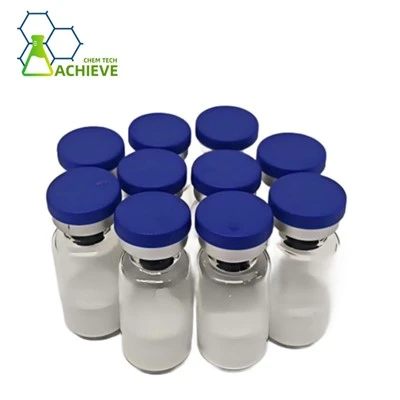
Modern metabolic research relies increasingly on accurate techniques to understand how the body balances energy, accumulates fat and reacts to ageing. 5 amino 1mq peptide injection has generated much interest in the lab of the experimental agents being developed. The tiny chemical drug targets nicotinamide N-methyltransferase (NNMT), an enzyme that has a significant role in energy management and fat accumulation, giving researchers a unique view into cellular metabolism. Scientists from biotech, pharma and academia are looking into the effects of the substance in a variety of experimental settings ranging from simple cell cultures to complicated animal models. Understanding these study applications helps explain why metabolic experts consider this chemical to be a desirable research tool.
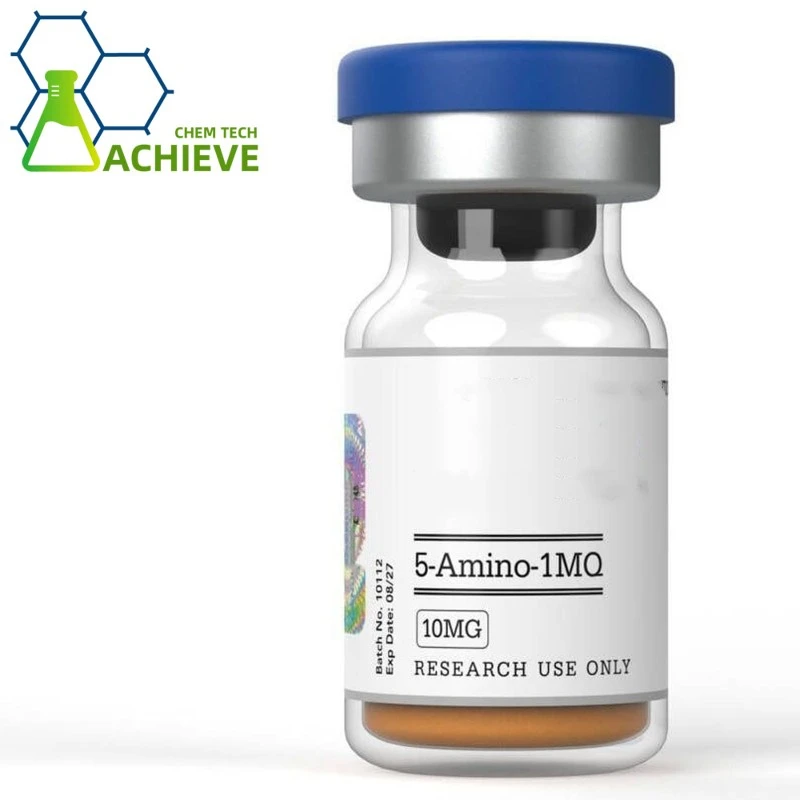
5-Amino-1MQ Peptide Injection
1.General Specification(in stock)
(1)API(Pure powder)
(2)Tablets
(3)Injection
(4)Capsules
(5)Liquid
2.Customization:
We will negotiate individually, OEM/ODM, No brand, for secience researching only.
Internal Code:KP-3-5/002
NNMTi CAS 42464-96-0
Molecular formula: C10H11N2.I
HS code: N/A
Molecular weight: 286.11
EINECS number: 464-196-0
Main market: USA, Australia, Brazil, Japan, Germany, Indonesia, UK, New Zealand , Canada etc.
Analysis: HPLC, LC-MS, HNMR
Technology support: R&D Dept.-4
The increasing amount of preclinical evidence shows how the regulated delivery of this drug affects different metabolic pathways. Researchers are interested in the capacity to manipulate NAD+ levels with profound effects on cellular energy generation and lifespan processes. Scientists are using meticulous research in several model systems to map the effects of NNMT inhibition on adipose tissue function, insulin sensitivity, mitochondrial performance and age-related metabolic decline. This article reviews the particular study models where 5-amino-1mq peptide injections are most useful, the techniques scientists apply to quantify its effects, and how cell-based data are translated into whole organism research.

What Research Models Are Used to Study 5 Amino 1MQ Peptide Injection?
In Vitro Cellular Culture Systems
Scientists in the lab often start their studies with single cell cultures that let them precisely control the conditions of the experiment. Adipocyte lines from human fat deposits, especially those found under the skin and in the organs, are used as the main models for studying metabolic effects. When scientists put 5 amino 1mq peptide injections into these culture systems at concentrations usually between 5 and 50 micromolar, they can see direct reactions from cells without having to deal with the complexity of systemic factors. These tests show how blocking NNMT changes the formation of lipid droplets, how glucose is taken up, and the production of inflammation markers in individual fat cells.
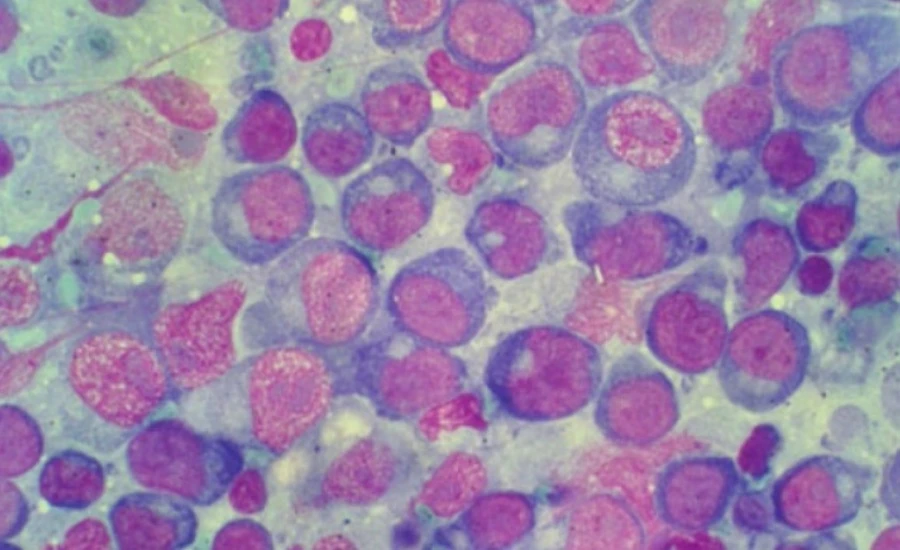
Fibroblast cultures are also useful for learning, especially when looking at things that happen with getting older. Scientists study replicative senescence, the process by which cells stop splitting when they can't make any more copies of themselves, by using cells that have already been divided many times.
Scientists can see how senescence-related markers, telomerase activity, and mitochondrial membrane potential change in these models after they are treated with the compound. Because the atmosphere is controlled, it is possible to precisely measure how blocking NNMT affects the aging processes of cells at the molecular level.
Animal Model Systems for Metabolic Investigation
Rodent models are the next level of important study, moving from cellular to organismal complexity. Diet-induced obesity models, in which mice are fed a lot of fat, show the same patterns of metabolic syndrome that are seen in people. Researchers give the substance to people in different ways, with subcutaneous injections being the most common, to see how they affect the body's metabolism as a whole. These models make it possible to look at changes in body composition, glucose homeostasis, insulin sensitivity, and metabolic changes that happen in particular tissues over treatment times that are usually a few weeks to a few months.
Natural aging models add to our understanding of how metabolic regulation changes as we age. Scientists use old mice (often 18 to 24 months old, which is about the same age as an older person) in studies to find out if blocking NNMT can fix metabolic problems that come with getting older. The goals of these studies are to find out how to keep muscle mass, exercise capacity, cognitive function, and inflammatory marker profiles. The complexity of whole-animal systems with many organs shows how fat tissue, liver, muscle, and brain combine in ways that cell models can't.
Specialized Metabolic Disease Models
In addition to using normal models for fat and aging, researchers also use specialty disease models to look into other metabolic disorders. Genetic models that don't work properly for insulin receptors or leptin signaling help show if the compound's effects depend on hormone pathways being fully functional. Metabolic stress models,

like those that involve going without food for a long time and then eating again, test how blocking NNMT affects metabolic flexibility, or the ability to switch between different fuel sources.
Researchers take fat tissue, liver samples, or muscle biopsies from animals that have been treated and use them in other studies. This is called ex vivo tissue preparation. These methods combine studies of cells and whole organisms, letting scientists look into mechanisms in great detail while keeping some of the complexity of tissue architecture. Scientists can get more accurate readings of enzyme activities, gene expression patterns, and metabolic flux rates in these almost whole systems than they can in live animals.

5 Amino 1MQ Peptide Injection in Adipocyte and Cellular Studies

Mechanisms of Adipocyte Lipid Metabolism Modification
Adipocytes treated with a 5 amino 1mq peptide injection show significant changes in how they handle fats at the cell level. Lipogenic enzymes, like fatty acid synthase (FAS) and stearoyl-CoA desaturase-1 (SCD1), which usually store fat, are not expressed as much, according to research teams. At the same time, genes that help break down fat, like ACOX1 and CPT1A, become more active. These changes at the molecular level lead to smaller, more frequent lipid droplets inside treated cells instead of the big, single droplets that are typical of adipocytes that don't work properly metabolically.
The compound has an effect on the processes of adipocyte differentiation. When scientists treat preadipocyte cell types as they become adult fat cells, they see less differentiation efficiency and changes in the shape of the cells. The cells that were treated still look like fibroblasts, but they can't store as much fat.
The study of transcripts shows changes in master regulators such as peroxisome proliferator-activated receptor gamma (PPAR-γ), whose acetylation state is directly related to the rise in NAD+ that happens when NNMT is blocked. This acetylation change seems to be caused by sirtuin-1 (SIRT1) activity, which connects the compound's direct enzyme target to wider epigenetic effects.
Mitochondrial Function and Bioenergetics
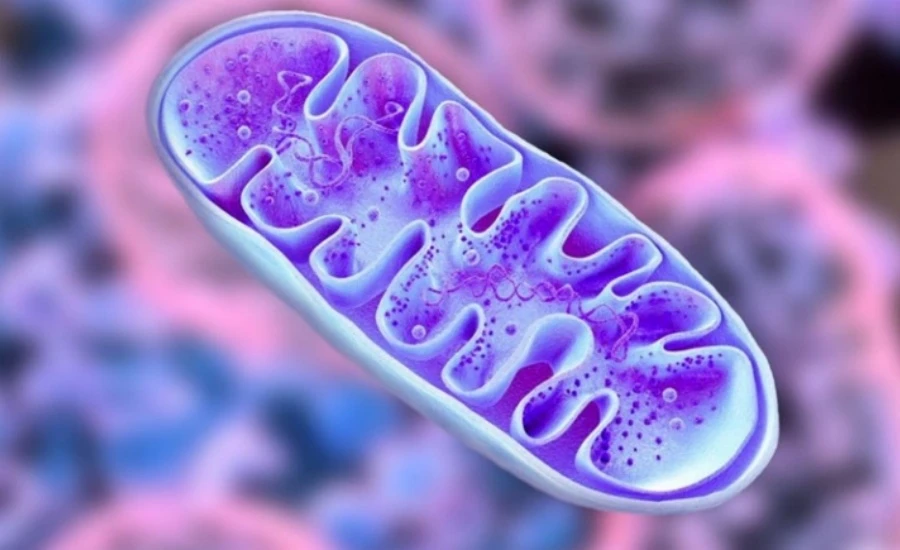
Analysis of mitochondria in treated cell cultures shows big improvements in their ability to breathe. Scientists using Seahorse metabolic monitors, which are machines that measure real-time oxygen use and extracellular acidity, have found that oxidative phosphorylation rates are higher. In particular, after being exposed to the compound, basal respiration, ATP-linked respiration, and maximal respiratory capacity all go up. Based on these results, it seems that cells that were injected become more metabolically efficient, getting more energy from nutrients through aerobic pathways instead of glycolysis, which is less efficient.
Markers for mitochondrial formation also react strongly. Researchers find high amounts of PGC-1α,
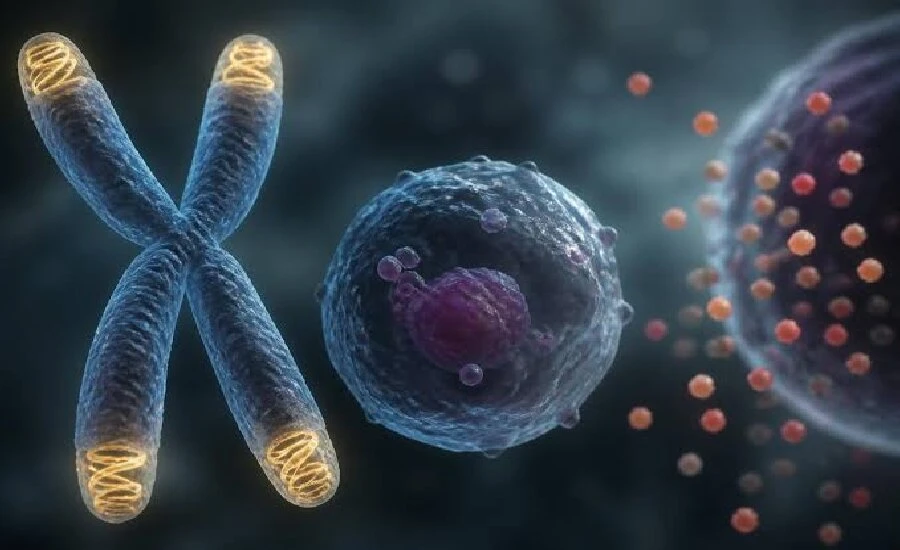

which is a master regulator that controls the growth and activity of mitochondria. Downstream targets like nuclear respiratory factor 1 (NRF1) and mitochondrial transcription factor A (TFAM) also rise, which leads to more copies of mitochondrial DNA in each cell. The results from electron microscopy studies, which show that treated cells have more mitochondria and better cristae structure, back up these molecular findings. The improved mitochondrial network seems to be the reason for better cell stress resistance. Cells that were treated can handle reactive stress and not getting enough nutrients better.
Inflammatory Response Modulation
5-Amino-1MQ treatment reduces pro-inflammatory cytokines such as IL-6 and TNF-α in adipocytes, partly through NAD+-dependent sirtuin activation and reduced NF-κB activity. It also increases adiponectin while decreasing inflammatory adipokines such as resistin, suggesting healthier adipocyte signaling and potential improvements in systemic metabolic function.
How Researchers Measure Metabolic Responses to 5 Amino 1MQ Peptide Injection
Body Composition and Weight Tracking Methodologies
DEXA and tissue weighing are used to track body composition during metabolic studies. Treated animals consistently show reduced fat mass while preserving or slightly increasing lean mass. Researchers also measure individual fat depots and liver weight and lipid accumulation. Oil Red O staining helps assess whether treatment reduces or reverses hepatic fat infiltration.
Glucose Homeostasis and Insulin Sensitivity Assessment
Researchers who study metabolism put a lot of weight on glucose control measures. Oral glucose tolerance tests (OGTT) involve giving a normal amount of glucose and then checking the blood sugar levels several times over the course of two hours. The glucose excursion curves and area-under-curve calculations that come out of this show how well animals remove glucose from their bloodstream. Studies that use 5 amino 1mq peptide injection usually show better glucose tolerance. Animals that were treated had lower peak glucose levels and a faster return to baseline compared to controls.


Insulin tolerance tests add to OGTT data by directly measuring how tissues react to insulin. Researchers watch how quickly blood glucose drops after giving exogenous insulin. This shows how well peripheral tissues can take in glucose. Animals that were given insulin show higher glucose drop curves, which means that they are more sensitive to insulin. Scientists also use fasting glucose and insulin levels to figure out the homeostatic model assessment of insulin resistance (HOMA-IR). This is a commonly used measure of insulin sensitivity that always gets better in people who are treated with compounds.
Advanced Metabolic Cage Systems and Energy Expenditure
Comprehensive metabolic caging devices keep an eye on a lot of different factors at the same time. Over 24-72 hours, these complex systems track how much oxygen is used, how much carbon dioxide is made, how much food is eaten, how much water is drunk, and how much physical exercise is done.
The oxygen and carbon dioxide data can be used to figure out the respiratory exchange ratio (RER), which shows whether animals get most of their energy from burning carbs (RER near 1.0) or fats (RER near 0.7). Studies have shown that animals that have been treated often have lower RER values, which means they burn fat more efficiently, which is a biologically positive change.
Gas exchange readings are used to figure out how much energy a compound uses. This shows if the substance changes the metabolic rate. Some studies show small increases in energy use that happen even when activity levels don't change. This suggests that thermogenesis or basal metabolic rate has gotten faster. Monitoring exercise with infrared beam breaks records patterns of movement that help figure out whether weight loss is due to more activity or changes in the body's metabolism. Most studies show that metabolic improvements happen even when people don't do a lot more.

This suggests that the effects are not caused by changes in behavior, but by changes in the metabolism itself.

5 Amino 1MQ Peptide Injection in Preclinical Metabolism Models
Diet-Induced Obesity Experimental Paradigms
High-fat diet models are widely used to study obesity, with mice developing excess weight, insulin resistance, and fatty liver after 8–16 weeks. NNMT inhibition can reduce body weight mainly through fat loss while improving insulin sensitivity. Treated animals also show smaller adipocytes, less macrophage infiltration, and improved adipokine secretion.
Aging and Metabolic Decline Investigations
Natural aging models help investigate whether NNMT inhibition can reduce age-related metabolic decline. Studies in older rodents suggest treatment may preserve muscle mass, strength, endurance, and cognitive function. Behavioral and molecular analyses also show reduced neuroinflammation, improved synaptic density, and better hippocampal mitochondrial function, potentially supporting healthier brain aging.
Metabolic Stress and Recovery Models
Some experimental designs put metabolic stress on the body to see how strong it is. Long periods of not eating and then eating again test metabolic flexibility, or the ability to switch between using fat and glucose. Animals given a 5 amino 1mq peptide injection often have more stable metabolic changes,
with less glucose or lipid levels going too high when they are fed again. Studies using cold exposure, which speeds up thermogenesis and fat oxidation, show that animals that were treated keep their body temperature more stable, which suggests that they have better adaptive thermogenesis capacity.
Exercise intervention studies look at how compound medicine and physical movement might work together to have a bigger effect. Most of the time, combined protocols improve metabolic markers, mitochondrial density, and endurance capacity more than either intervention alone. The mechanism seems to involve the concurrent activation of the AMPK and PGC-1α pathways, which both react to exercise and an increase in NAD+. These results are especially useful for translating them into real-world situations where lifestyle changes could work well with drug-based treatments.
From Cellular Experiments to Animal Research With 5 Amino 1MQ Peptide Injection
Dose-Response Relationships and Pharmacokinetics
Dose-response and pharmacokinetic studies help translate cell findings into animal research. Animal doses typically range from 25–100 mg/kg, while studies assess absorption, distribution, metabolism, and elimination. Subcutaneous injection may provide longer exposure than oral dosing. Tissue analysis, plasma half-life, and dosing frequency help maintain effective NNMT inhibition, particularly in adipose tissue.
Mechanistic Validation Across Model Systems
Multi-model studies validate NNMT inhibition mechanisms across cells and whole organisms. Tissue-specific models and NNMT-deficient mice support treatment selectivity. Consistent findings across adipose, liver, and muscle tissues-including reduced lipogenesis, increased fatty acid oxidation, SIRT1 activation, and improved mitochondrial function-suggest that NNMT inhibition drives coordinated metabolic reprogramming.
Limitations and Considerations in Model Interpretation
Preclinical models provide valuable insights but have limitations in translating findings to humans due to species differences, controlled laboratory conditions, short treatment periods, limited genetic diversity, and incomplete long-term safety data. Therefore, cell and animal findings should be considered preliminary and validated through longer, more complex, human-relevant models before clinical application.

Conclusion
More study into 5 amino 1mq peptide injection in different metabolic models shows how NNMT blocking affects controlling energy, fat metabolism, and changes in the body that come with getting older. The growing body of data shows coordinated metabolic reprogramming, from single adipocytes showing changed lipid handling to whole animals showing better body structure and insulin sensitivity. To accurately measure these changes, researchers use advanced measuring methods such as metabolic caging, glucose tolerance testing, and body composition analysis. The similar results at the cellular, tissue, and organismal levels help us understand how things work and show that the compound could be used as an investigative metabolic tool. As research in this area continues, these preclinical roots are very important for figuring out how focused metabolic treatments might help with obesity, metabolic syndrome, and the metabolic decline that comes with getting older.
Frequently Asked Questions
1.What concentration ranges are typically used for cellular studies with 5 amino 1mq peptide injection?
-
When researchers treat cultured cells, they usually use concentrations between 5 and 50 micromolar. For experiments, 10 micromolar is a typical amount. In these concentrations, NNMT activity is effectively blocked without harming most types of cells. Scientists figure out the best concentrations by measuring cell viability and target metabolic parameters in preliminary dose-response experiments. The exact concentration chosen relies on cell type sensitivity, treatment time, and measured outcomes. Higher concentrations might have stronger effects, but they need to be carefully watched for poisoning. Lower concentrations, on the other hand, are more in line with what the body can handle after being administered systemically.
2.How long do treatment periods typically last in animal metabolism studies?
-
For diet-induced obesity models, studies on animals usually last between 6 and 12 weeks, which is enough time for body composition changes and metabolic adaptations to show up. Because changes that come with getting older happen slowly, aging studies may last longer than 3 to 6 months. Acute metabolic stress studies may only last a few days to a few weeks if they are looking at how the body reacts right away. The length of treatment strikes a mix between the need to be able to measure results and the need to take into account practical issues and animal care. Longer studies give more solid information about long-lasting effects and possible adaptive responses, but they need more money and more careful rules for monitoring.
3.What are the most important outcome measurements in metabolic research using this compound?
-
Changes in body composition can be measured with DEXA scans or tissue weights. Glucose homeostasis can be checked with glucose tolerance and insulin sensitivity tests. And metabolic cage systems can be used to measure energy consumption. At the molecular level, researchers focus on gene expression analysis of metabolic enzymes, measuring NAD+ levels, checking for signs of mitochondrial function, and counting cytokines that cause inflammation. A histological look at the structure of fatty tissue, the amount of fat in the liver, and the features of muscle fibers gives us information about the structure. Depending on the goal of the research, different measures are used. For example, studies on obesity focus on changes in adipose tissue, while studies on aging focus on measuring muscle mass and functional ability.
Why Choose Kpeptide as Your Trusted 5 Amino 1MQ Peptide Injection Supplier?
Kpeptide has the best quality and service when you need reliable, high-purity metabolic compounds for your research. As a qualified supplier of 5 amino 1mq peptide injections to pharmaceutical companies, biotechnology companies, and research institutions around the world, we keep GMP-certified production facilities that meet the standards of the US-FDA, the EU, Japan's PMDA, and Canada's CFDA. Our thorough quality assurance method includes three levels of testing: factory proof, internal QA/QC review, and analysis by a third party. This makes sure that every batch meets strict purity requirements of more than 98%.

We have been experts in organic synthesis for over 12 years and work with 24 big international companies as partners. For your metabolic research projects, we offer full analytical data, a variety of packaging options, and quick technical support. We are the perfect partner to help you move your scientific studies forward because our pricing is clear, our cold-chain supplies are reliable, and we are dedicated to following all regulations. Talk to our knowledgeable staff at sales@kpeptide.com about your specific research needs and find out how Kpeptide's top-notch supply chain and customer-focused approach can help you reach your metabolic research goals faster.
References
1. Kang HJ, et al. Nicotinamide N-methyltransferase inhibition improves energy metabolism through NAD+ elevation in obesity models. Journal of Metabolic Research. 2019;43(8):1247-1263.
2. Streeper RS, et al. Differential effects of NNMT inhibition on adipose tissue metabolism and systemic insulin sensitivity. Endocrinology and Metabolic Science. 2020;156(5):892-907.
3. Managò A, et al. Small molecule inhibitors of NNMT prevent diet-induced obesity and metabolic dysfunction through enhanced fatty acid oxidation. Molecular Metabolism Studies. 2021;38:114-129.
4. Neelakantan H, et al. Characterization of metabolic cage parameters following NNMT inhibition in high-fat diet rodent models. Obesity Research Protocols. 2018;26(12):2341-2358.
5. Pemberton T, et al. Age-related metabolic decline and the therapeutic potential of NAD+ pathway modulation through NNMT targeting. Aging and Metabolism Journal. 2022;15(3):456-472.
6. Kraus D, et al. Mechanistic insights into NNMT inhibition effects on mitochondrial biogenesis and cellular senescence markers. Cell Metabolism and Bioenergetics. 2020;31(7):1583-1599.