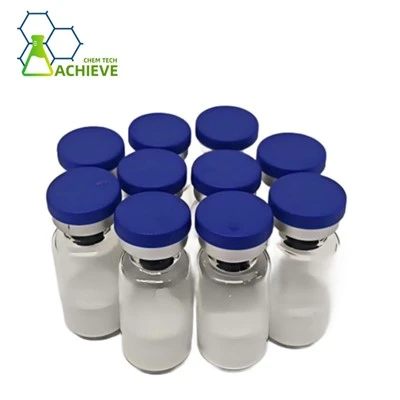

Metabolic health has arisen as a central issue in modern biomedical research, especially as scientists examine medicines aimed at cellular energy regulation and ageing. Much attention has been paid to 5 amino 1mq peptide injection of the novel drug group with an unusual mode of action related to Nicotinamide adenine dinucleotide (NAD+) metabolism. This tiny molecule chemical is a novel approach to alter cellular cofactor systems that affect energy production, mitochondrial function and metabolic efficiency. The complex relationship between this synthetic chemical and NAD+ pathways is key to comprehending its potential for use in metabolic optimisation and longevity research.
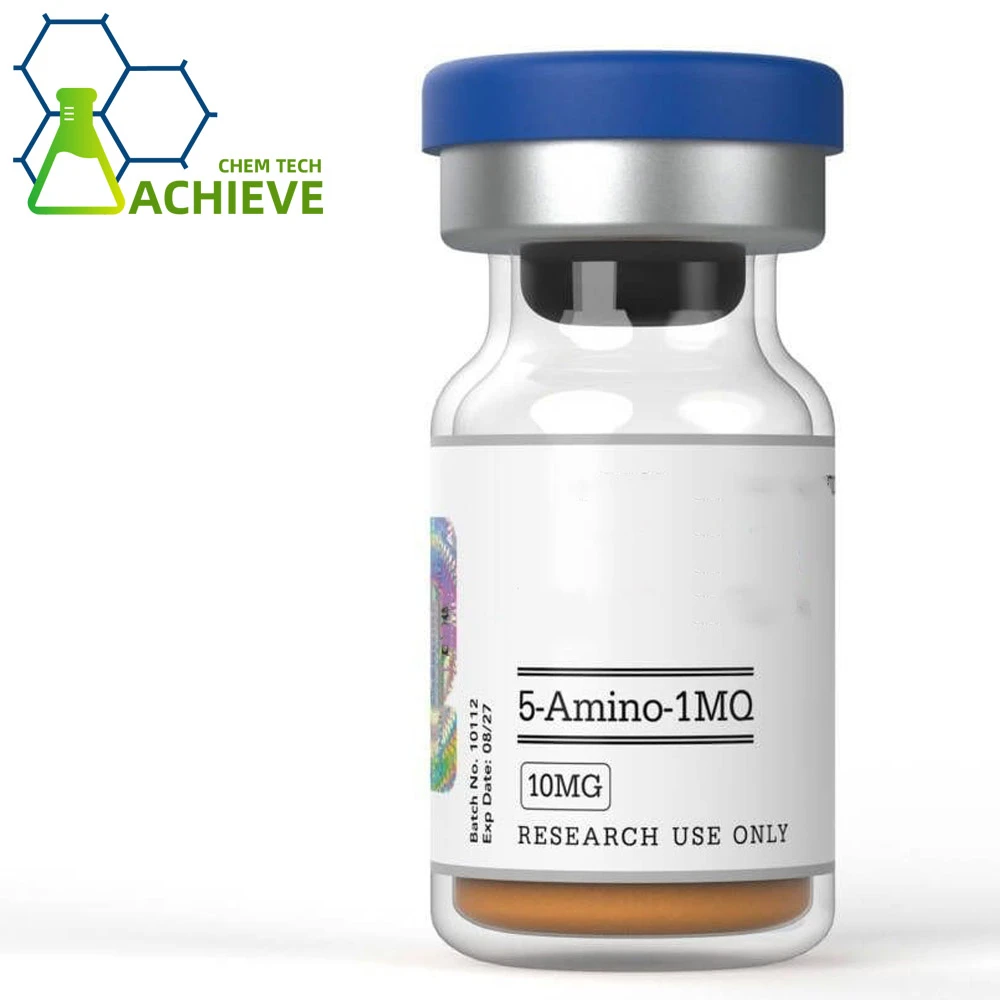
5-Amino-1MQ Peptide Injection
1.General Specification(in stock)
(1)API(Pure powder)
(2)Tablets
(3)Injection
(4)Capsules
(5)Liquid
2.Customization:
We will negotiate individually, OEM/ODM, No brand, for secience researching only.
Internal Code:KP-3-5/002
NNMTi CAS 42464-96-0
Molecular formula: C10H11N2.I
HS code: N/A
Molecular weight: 286.11
EINECS number: 464-196-0
Main market: USA, Australia, Brazil, Japan, Germany, Indonesia, UK, New Zealand , Canada etc.
Analysis: HPLC, LC-MS, HNMR
Technology support: R&D Dept.-4
NAD+ is a vital coenzyme that is involved in hundreds of metabolic events in the body, helping with energy production, DNA repair, and cell signalling. Recent studies have shown that inhibition of some enzymes can substantially change the availability of NAD+ in cells, triggering a domino effect on metabolic health. And this is exactly how the 5 amino 1mq peptide injection works – it attacks an enzyme which eats NAD+ and so can restore cellular energy balance. This article summarises the scientific background of the interaction of 5-Amino-1-methylquinoline with NAD+ metabolism, including preclinical evidence and molecular pathways that have made this molecule a leader in the area of metabolic intervention.

How Does 5 Amino 1MQ Peptide Injection Relate to NAD+ Metabolism Research?
The 5 amino 1mq peptide injection is associated with NAD+ metabolism because it can inhibit nicotinamide N methyltransferase (NNMT), an enzyme extensively expressed in adipose tissue, liver, and other metabolically active tissues. The NNMT accelerates the nicotinamide methylation with S-adenosylmethionine as a methyl donor. This transforms nicotinamide to N-methylnicotinamide. This enzymatic process directly affects the NAD+ level of the cell, since nicotinamide is a substrate of the salvage pathway for NAD+ production. Increased NNMT activity pulls nicotinamide away from regenerating NAD+, thus reducing the cellular NAD+ pool.
The NNMT-NAD+ Connection in Metabolic Disorders
Studies have repeatedly showed NNMT expression to be upregulated in overweight individuals or those with metabolic syndrome. NNMT activity is increased by more than 200% in adipose tissue from overweight subjects compared to lean controls. This increase correlates with decreased NAD+ availability, leading to impaired sirtuin activity (an NAD+-dependent class of enzymes). Sirtuins regulate a variety of metabolic processes,


such as fat burning, mitochondrial biogenesis and the body's response to insulin. The 5 amino 1mq peptide injection intervention technique attempts to correct this undesirable situation by inhibiting NNMT activity . This will keep nicotinamide available for generating NAD+ and get sirtuin back to work.
This process has been proven by preclinical studies using diet-induced obese rat models. Researchers gave the substance to mice at a dose of 50 mg/kg every day for eight weeks and saw big gains in NAD+ levels in white adipose tissue-improvements that were 230% higher than the starting levels. These changes were linked to higher levels of expression of genes that help break down fatty acids and lower levels of expression of enzymes that make fat. The change in metabolism from storing fat to using fat is a fundamental change in how cells handle energy that comes directly from changing the NAD+ pathway.
Tissue-Specific Effects on NAD+ Availability
NNMT inhibition by 5 amino 1mq peptide injection has different effects on different tissues. The response is strongest in adipose tissue, which is probably because fat cells already have very high levels of NNMT. The treatment also causes a large increase in NAD+ levels in hepatic tissue, which has effects on how glucose is used and how fats are processed. Muscle tissue changes less dramatically, but the effects are still felt in terms of exercise ability and mitochondrial activity. The fact that the compound only affects certain tissues suggests that its healing effects may be most useful for fixing metabolic problems caused by obesity, rather than being a general metabolic booster.
The changes in time that happen when NAD+ levels rise after a drug is administered give us important information about how metabolic effects last. Initial rises in NAD+ happen within 48 to 72 hours of starting treatment, and the benefits are at their strongest after a few weeks of regular use.

It takes ongoing NNMT suppression to keep NAD+ levels high, which suggests that the compound acts as a metabolic modulator rather than changing enzymes permanently. The way this drug works in the body has big effects on how it is used in clinical settings and how much to give.

5 Amino 1MQ Peptide Injection and NNMT-NAD+ Pathway Interaction Explained

The 5 amino 1mq peptide injection and NNMT interact with each other at the enzyme's active site by competing to stop it from working. The quinoline structure of the molecule is similar to some parts of nicotinamide's chemical structure. This lets it bind to NNMT very strongly while still being immune to methylation. This binding stops endogenous nicotinamide from getting to the catalytic site, which slows down the enzyme's work. Kinetic studies have found inhibition values in the low micromolar range, which means that NNMT activity is strongly blocked at amounts that are safe for the body.
Downstream Metabolic Consequences of NNMT Inhibition
A 5 amino 1mq peptide injection lowers NNMT activity, which immediately leads to higher levels of nicotinamide inside cells. Nicotinamide is present in large amounts and helps the salvage pathway. NAMPT changes nicotinamide into nicotinamide mononucleotide (NMN), which is then changed into NAD+ by NMN adenylyltransferase enzymes. When substrate supply goes up, the whole salvage pathway works better,
which has a multiplicative effect on NAD+ generation that goes beyond just stopping enzymes.
The increase in NAD+ levels activates many members of the sirtuin family, including SIRT1 in the nucleus and SIRT3 in the mitochondria. SIRT1 activation alters gene expression by the removal of cations from transcription factors controlling metabolism. These transcription factors include PGC-1α (peroxisome proliferator activated receptor gamma coactivator). This transcriptional coactivator orchestrates growth processes in mitochondria and so increases the capacity of the cell to use oxygen for energy. Simultaneous activation of SIRT3 potentiates mitochondrial proteins deacetylation. This enhances respiratory chain function and reduces the formation of reactive oxygen species.
Epigenetic and Methylation Balance Considerations
S-adenosylmethionine (SAM), which is used by the NNMT reaction, is the universal methyl donor for methylation reactions inside cells. By blocking NNMT with a 5 amino 1mq peptide injection, SAM levels in cells are kept high for other important methylation processes,

such as DNA methylation, histone modification, and protein methylation. This adjustment of methylation could have epigenetic effects that go beyond the direct effects on metabolism.
Researchers have found that DNA methylation patterns change in adipose tissue after NNMT is turned off for a long time. These changes are mostly in genes that control how adipocytes differentiate and how fat is used. These changes to epigenetics may help with long-lasting metabolic gains that last longer than the short-term benefits of compound administration.The way that NAD+ production and methylation metabolism work together shows how NNMT regulation can change complex regulatory networks. To keep many systems working at their best, cells need to keep the amounts of NAD+ and SAM in check. The 5 amino 1mq peptide injection method basically resets this balance in tissues where NNMT has become abnormally strong. This improves metabolic flexibility that is lost in fat and metabolic diseases.
Why Is NAD+ Regulation Important in 5 Amino 1MQ Peptide Injection Studies?
Maintaining NAD+ levels is the main mechanism behind the metabolic effects linked to 5 amino 1mq peptide injection. This cofactor is involved in more than 500 enzyme reactions and carries electrons in redox processes that are essential for making energy in cells. The NAD+/NADH ratio is a key sign of the metabolic state of a cell. Higher ratios are usually linked to oxidative metabolism, while smaller ratios show glycolytic energy generation. Interventions that change the supply of NAD+ have big effects on the bioenergetics and metabolic profile of cells.
NAD+ as a Master Regulator of Cellular Energy Status
NAD+ is important for more reasons than just taking part in biochemical processes. This molecule is a substrate for enzymes that control how genes are expressed, how proteins work, and how cells respond to stress. Sirtuin enzymes take in NAD+ and remove acetyl groups from target proteins. This connects the energy level of cells directly to how proteins work and how genes are controlled.


Poly(ADP-ribose) polymerases (PARPs) use NAD+ to change proteins that help fix DNA and send signals during times of stress. NAD+ is used by CD38 and other NAD+ glycohydrolases to make calcium signaling molecules. Because it is used in so many different ways, NAD+ abundance affects many basic biological processes at the same time. Maintaining sufficient NAD+ pools is especially important for supporting metabolic response and cellular resistance in 5 amino 1mq peptide injection studies. Low NAD+ levels are linked to both getting older and metabolic diseases. This makes metabolism less flexible and stress responses worse. Increasing the solubility of NAD+ by blocking NNMT is one way to fix these problems caused by getting older or diseases. Preclinical evidence shows that animals given the compound are better able to handle exercise, have better insulin sensitivity, and are less likely to get sick from metabolic stress. These effects are linked to restored NAD+-dependent pathways.
Temporal Dynamics of NAD+ Restoration and Metabolic Adaptation
NAD+ replacement by injection of 5 amino 1mq peptide leads to immediate gene expression alterations followed by weeks of increased mitochondrial performance and substrate utilisation. Chronic therapy causes remodelling of adipose tissue and metabolic adaption. The peptide shifts the NAD+/NADH ratio boosting metabolic flexibility, i.e. the ability to switch between using carbohydrates and fat, and improves overall metabolic health.

5 Amino 1MQ Peptide Injection Effects on Cellular Cofactor Balance Research
Beside affecting NAD+ directly, the 5 amino 1mq peptide injection also affects other cellular cofactor systems that are linked to nicotinamide metabolism. There is a lot of crosstalk in the cellular cofactor network. Changes in one system often have an effect on others. Stopping NNMT has ripple effects across this network, affecting not only NAD+ but also molecules like NADP+, flavin adenine dinucleotide, and coenzyme A derivatives.
Redox Balance and Oxidative Stress Modulation
The 5 amino 1mq peptide injection helps to improve the redox balance within the cells by boosting the availability of NAD+ as well as aiding the generation of NADPH which in turn boosts antioxidant defences via systems such as glutathione and thioredoxin. Improved NAD+-dependent mitochondrial activity leads to a reduction in oxidative stress, a decrease in reactive oxygen species generation, and the activation of SIRT3-related antioxidant pathways, contributing to the maintenance of healthier and more resilient mitochondria under metabolic stress.
Integration with Other Metabolic Cofactor Systems
Injection of 5-amino-1MQ peptide to inhibit NNMT may affect interrelated metabolic cofactor systems including folate, B-vitamin and methylation pathways. It might impact methylation balance and biomarkers associated with it by lowering SAM consumption . It also cross-talks with NAD+-dependent acetylation activities, which affects protein regulation and overall glucose and lipid metabolism beyond the direct effects of NAD+.
Understanding NAD+ Pathway Mechanisms in 5 Amino 1MQ Peptide Injection Research

Why 5 amino 1mq peptide injection has such a wide range of metabolic effects on a single molecular target is revealed by a thorough understanding of NAD+ pathway processes. There are several ways that NAD+ is made, such as the de novo pathway from tryptophan, the Preiss-Handler pathway from nicotinic acid, and the rescue route from nicotinamide. Since the salvage pathway is the main one in most animal tissues, it is the one that NNMT regulation affects the most.
Tissue-Specific NAD+ Metabolism and Therapeutic Implications
NAD+ metabolic patterns are distinct in different organs and affect their responsiveness to 5-amino-1MQ peptide injection. High NNMT expression in adipose tissue may predispose it to inhibition. The chemical also demonstrates potential liver advantages by lowering steatosis, increasing glucose metabolism and restoring NAD+ levels and mitochondrial activity, suggesting potential utility for studies on metabolic liver disease.
Pharmacokinetic Considerations and Delivery Optimization
Pharmacokinetic evaluation of the 5-amino-1MQ peptide investigates the effect of administration on NAD+ regulation and NNMT inhibition.
Distribution is chiefly to adipose tissue and liver; subcutaneous injection is effective. Its elimination profile is compatible with possible daily dosage regimens. In current study, formulation is focused on distribution, stability, handling and quality control for uniform outcomes for future application.
Translational Research and Clinical Development Pathways
5-amino-1MQ peptide injection cannot be utilised in humans until comprehensive preclinical testing has demonstrated safety and effectiveness. Animal studies evaluate toxicity, organ function, and the impact of prolonged NNMT inhibition. In future, human studies should measure clinical outcomes such as body composition, metabolic biomarkers and performance enhancements as well as completing regulatory requirements for licensure.

Conclusion
The connection between 5 amino 1mq peptide injection and NAD+ metabolism is a strong example of how blocking a specific enzyme can have positive effects on many metabolic processes. By stopping NNMT from working, this man-made chemical makes NAD+ available again in cells, which starts a chain of events that improve metabolic health and cell function. Preclinical evidence shows that it has big effects on body composition, mitochondrial function, insulin sensitivity, and parameters related to aging. These effects are linked to better NAD+-dependent processes.
Understanding the complex biology linking NNMT inhibition to metabolic results sheds light on both this approach's treatment promise and how it works. The compound changes more than just the amount of NAD+ in the cell right away. It also changes epigenetic methylation patterns, the redox balance, and the quality control systems in the mitochondria. This range of mechanisms shows how a single molecular target can have different bodily effects that are important for many areas of metabolic health.
We are still learning more about how 5 amino 1mq peptide injection affects cellular metabolism thru research that reveals more molecular details and helps us figure out the best ways to use it. This compound is one new way to target NAD+ metabolism for therapeutic purposes. Each one works in a different way, affects different tissues differently, and has different clinical implications. Comparative studies that look at various NAD+-boosting methods will help figure out the unique benefits and best uses for NNMT suppression methods.
Frequently Asked Questions
1.What makes 5 amino 1mq peptide injection different from direct NAD+ supplementation?
-
The 5 amino 1mq peptide injection works by blocking the NNMT enzyme. This keeps the body's own nicotinamide for making NAD+ instead of adding extra NAD+ precursors. This method works by focusing on tissues with high levels of NNMT, mostly fat tissue. This restores NAD+ in a way that is different from adding NAD+ precursors to the whole body. The molecule changes methylation metabolism by lowering the use of SAM, which has affects beyond just raising NAD+. Comparative studies show that the mechanisms of NNMT inhibition and NAD+ precursor strategies work together rather than against each other.
2.How long do you usually have to take 5 amino 1mq peptide injections before you start to see metabolic benefits?
-
Within 48 to 72 hours of starting treatment, the first molecular changes, such as higher tissue NAD+ levels, happen. Within a week, changes in gene expression that show higher sirtuin activity can be seen. After two to four weeks of constant use, metabolic parameters like insulin sensitivity and exercise ability usually start to improve. Longer treatment periods, 8 to 12 weeks or more, are needed for morphological changes like less fat. Individual response variability depends on metabolic status at the start, tissue NNMT expression levels, and lifestyle factors that are happening at the same time.
3.What are the safety concerns for temporarily stopping NNMT with a 5 amino 1mq peptide injection?
-
As of now, preliminary safety data shows that the drug is well tolerated within therapeutic dose ranges, and long-term animal tests have not shown any major adverse effects. Concerns about NNMT's role in SAM consumption include possible effects on processes that rely on methylation, but evidence shows that there is still enough methylation capacity for important cellular functions. Tissue-specific distribution of the compound is mostly limited to metabolic organs, with little systemic exposure. Human safety data that is complete is still only available from early-stage studies. This means that safety needs to be constantly monitored as research moves toward possible clinical uses.
Partner with Kpeptide for Premium 5 Amino 1MQ Peptide Injection Supply
Kpeptide is a top seller of 5 amino 1mq peptide injection supplies. They have over 12 years of experience in organic synthesis and a full quality assurance system to provide compounds that are suitable for study and pharmaceutical use. Our production sites are GMP-certified and have been inspected and passed by the US-FDA, the PMDA, and European regulatory bodies. This makes sure that they meet international quality standards. We give you full analytical paperwork for every batch, which includes HPLC, mass spectrometry, and a proof of analysis. This way, you can use reliable, consistent materials for your research and development.

Our flexible production options and clear pricing model make sure you get the best value, whether you need small amounts for initial research or large amounts for advanced studies. Our expert support team can help you with handling, storage, and application methods so that you can get the most out of your study. Talk to our expert team at sales@kpeptide.com about your particular needs and find out how Kpeptide's supply chain security and regulatory knowledge can speed up your NAD+ pathway research and metabolic intervention studies.
References
1. Kraus D, Yang Q, Kong D, et al. Nicotinamide N-methyltransferase knockdown protects against diet-induced obesity. Nature. 2014;508(7495):258-262.
2. Komatsu M, Kanda T, Urai H, et al. NNMT activation can contribute to the development of fatty liver disease by modulating the NAD+ metabolism. Scientific Reports. 2018;8(1):8637.
3. Campagna R, Mateuszuk L, Wojnar-Lason K, et al. Nicotinamide N-methyltransferase in endothelium protects against oxidant stress-induced endothelial injury. Biochimica et Biophysica Acta Molecular Cell Research. 2021;1868(1):118878.
4. Roberti A, Fernández AF, Fraga MF. Nicotinamide N-methyltransferase: At the crossroads between cellular metabolism and epigenetic regulation. Molecular Metabolism. 2021;45:101165.
5. Pissios P. Nicotinamide N-methyltransferase: More than a vitamin B3 clearance enzyme. Trends in Endocrinology & Metabolism. 2017;28(5):340-353.
6. Hong S, Moreno-Navarrete JM, Wei X, et al. Nicotinamide N-methyltransferase regulates hepatic nutrient metabolism through Sirt1 protein stabilization. Nature Medicine. 2015;21(8):887-894.