
Cellular senescence and metabolic derangements are major problems of modern health science . Recent advances in small-molecule therapies have uncovered potential options to treat these issues at the molecular scale. One such innovation is 5 amino 1MQ peptide injection, a very interesting molecule with multiple cellular modes of action.
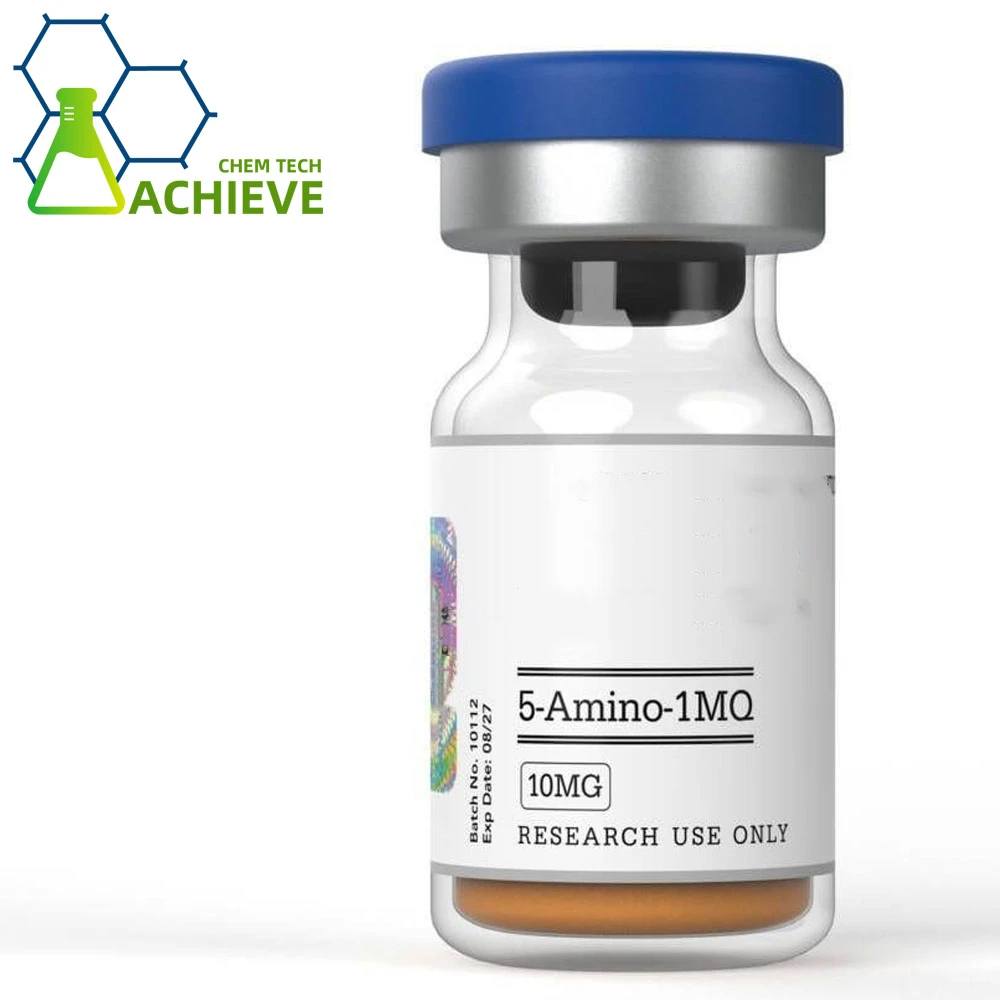
5-Amino-1MQ Peptide Injection
1.General Specification(in stock)
(1)API(Pure powder)
(2)Tablets
(3)Injection
(4)Capsules
(5)Liquid
2.Customization:
We will negotiate individually, OEM/ODM, No brand, for secience researching only.
Internal Code:KP-3-5/002
NNMTi CAS 42464-96-0
Molecular formula: C10H11N2.I
HS code: N/A
Molecular weight: 286.11
EINECS number: 464-196-0
Main market: USA, Australia, Brazil, Japan, Germany, Indonesia, UK, New Zealand , Canada etc.
Analysis: HPLC, LC-MS, HNMR
Technology support: R&D Dept.-4
This synthetic compound, 5-Amino-1-methylquinoline, attaches to certain enzymes and influences metabolic processes in human cells. The cellular mechanisms of this chemical can give us useful information about its possible applications in metabolic optimisation and cellular health maintenance.

How Does 5 Amino 1MQ Peptide Injection Work Inside Cells?
The Molecular Structure and Cellular Entry
The 5 amino 1mq peptide injection is small-molecule shaped and easily gets into cells. This small molecule drug can pass through cell membranes passively, which is a different way of delivering treatments to the target than with larger protein-based medicines. Once within the cell it identifies its specific target locations, where metabolic enzymes are concentrated, mainly in liver and adipose tissue cells. The quinoline-based structure of the molecule is stable in physiologic circumstances, yet reactive enough to interact with enzyme targets. Its structure allows the molecule to remain active inside cells for extended periods of time resulting in long lasting impacts on metabolism.
Intracellular Distribution Patterns
Inside the cell the chemical spreads throughout the cell. They are demonstrated to accumulate at sites of high metabolic activity, such as in the vicinity of mitochondria and in cytoplasmic areas in which metabolic enzymes are active. The chemical itself functions in a way that fits this pattern of dispersion,
placing it cleverly close to its key enzyme targets. The gradient of concentrations established in cells enables the enzymes to react in a uniform manner over the duration of the treatment.
Duration of Cellular Activity
The length of time that 5 amino 1mq peptide injection's metabolic actions last depends on how long it stays in cells. Studies that looked at cellular retention show that the substance stays at a level that can be detected for several hours after it has been given, which means that it can be dosed once a day in experimental models. This pharmacokinetic profile allows long-lasting enzyme inhibition without needing to be administered continuously, which makes it more useful in study settings.

5 Amino 1MQ Peptide Injection Mechanism Through NNMT Enzyme Modulation

NNMT Enzyme Function in Metabolism
This enzyme, nicotinamide N-methyltransferase (NNMT), is very important for cell respiration because it changes nicotinamide into nicotinamide adenine dinucleotide (NAD+). This enzyme action changes the amount of energy available in cells directly by using SAM (S-adenosylmethionine) as a methyl source and creating methylnicotinamide. Higher NNMT activity is linked to less NAD+ being available in metabolic tissues, which in turn hurts mitochondrial function and energy production. Since the enzyme is highly expressed in white adipose tissue, it is a good place to start when trying to change metabolism. NNMT activity changes epigenetic control and larger metabolic pathways by using up cellular methylation capacity.
Inhibitory Binding Mechanism
When the 5 amino 1mq peptide injection is given, its main effect is to stop the NNMT enzyme from working.
The molecular structure of the compound is similar enough to the enzyme's natural substrate that it can occupy the active site and stop nicotinamide from binding and methylating. This competition inhibition process works only on NNMT and not on other methyltransferases, which lowers the effects that aren't meant to happen. The results of experiments with biological models show that the substance lowers NNMT activity by about 60 to 70% in adipose tissue, which makes it easier for NAD+ to build up. The inhibitor and enzyme can still connect to each other in a reversible way, which lets cellular metabolism slowly return to normal after treatment stops.
Downstream Metabolic Consequences
Blocking NNMT sets off a chain of reactions that change the metabolism of all cells. The immediate effect is that more NAD+ is available in the body, which helps many metabolic reactions happen. When NAD+ levels rise, sirtuin family proteins, especially SIRT1, are activated. These proteins control metabolism by deacetylating other proteins. This activity affects several pathways, including better fatty acid oxidation thru deacetylation of metabolic enzymes,

improved mitochondrial biogenesis thru PGC-1α signaling, and improved glucose metabolism thru insulin signaling increase. Researchers using diet-induced obesity models have shown that these changes in metabolism lead to measurable improvements, such as less fat tissue mass and higher insulin sensitivity markers.

How Does 5 Amino 1MQ Peptide Injection Influence Cellular Metabolic Signals?

NAD+ Elevation and Sirtuin Activation
The 5 amino 1mq peptide injection initiates a basic metabolic reaction, repair of cellular NAD+ reserves. Excess NNMT activity during chemical stress depletes NAD+ reserves, impairing cells' ability to produce energy and repair themselves. When the enzyme is inhibited, the level of NAD+ in the treated tissues can increase two to three times, which provides optimal conditions for sirtuin activation. SIRT1, the most researched member of the family, functions as a deacetylase in the presence of NAD+. When SIRT1 is turned on, it modifies several metabolic proteins including PGC-1α (which enhances mitochondrial function), FOXO transcription factors (which increases cell resistance to stress), and liver X receptors (which affects fat usage in the body). This signalling cascade proceeds all the way to SIRT3, a mitochondrial sirtuin that increases the efficiency of the respiratory chain and reduces oxidative stress.
AMPK Pathway Engagement
The chemical also disrupts another vital signalling route involved in energy sensing by AMP-activated protein kinase (AMPK). When mitochondrial function gets better, a master metabolic regulator called AMPK is turned on. This causes alterations in energy status of cells. When activated, AMPK phosphorylates downstream targets that inhibit anabolic activities and stimulate catabolic processes. This involves the inhibition of ACC (acetyl-CoA carboxylase) to block fatty acid synthesis and translocation of GLUT4 to increase glucose absorption. When AMPK activation and sirtuin signalling operate together, they modify metabolism such that energy is burned rather than stored.
Inflammatory Pathway Modulation
The chemical impacts not just metabolic signalling but also inflammatory pathways that intersect with metabolic function. One mechanism of metabolic dysfunction and insulin resistance is chronic low-grade inflammation, especially in adipose tissue. Blocking NNMT causes metabolic alterations that reduce pro−inflammatory signals in several ways.
Enhanced mitochondrial performance leads to a reduced formation of reactive oxygen species that then activate inflammatory pathways and there is more NAD+ available to assist in resolving inflammatory responses. Experimental models have shown considerable decrease in inflammatory indicators such as IL-6 and TNF-α levels after therapy. That means the benefits of metabolic improvement and anti-inflammatory actions are additive.

5 Amino 1MQ Peptide Injection and Intracellular Energy Regulation Research

Mitochondrial Biogenesis Enhancement
5 amino 1mq peptide injection helps make new mitochondria thru certain signaling pathways, according to research into how energy is controlled inside cells. The substance changes the amount of NAD+ that is available, which turns on PGC-1α, a transcriptional coactivator that controls mitochondrial formation. When PGC-1α is activated, it directs the production of mitochondrial proteins stored by the nucleus and speeds up DNA replication in the mitochondria by targeting NRF1 and TFAM. Studies using models of metabolic diseases show that treatment increases the number of copies of mitochondrial DNA and the amount of respiratory chain complex. These changes to the structure lead to higher ATP production in cells, which means cells have more energy to keep working normally.
Fatty Acid Oxidation Optimization
One of the most prominent metabolic alterations induced by the chemical is a shift to increased fatty acid oxidation. The increase in NAD+ levels activates SIRT1, which deacetylates PPAR-α, increasing the transcriptional activity of PPAR-α. The nuclear receptor controls the activity of genes encoding enzymes involved in fatty acid transport and oxidation, such as ACOX1 and CPT1A (carnitine palmitoyltransferase 1A). In tests, these oxidative pathways were increased in treated adipose, whereas lipogenic enzymes including FAS (fatty acid synthase) and SCD1 (stearoyl-CoA desaturase 1) were decreased. This metabolic reprogramming alters how cells use energy, shifting from storing fat to utilising it, which supports the weight loss outcomes found in experimental animals.
Glucose Metabolism Improvements
Thru its metabolic effects, NNMT suppression makes a big difference in how cells handle glucose. As inflammatory molecules go down and mitochondrial activity goes up, insulin signaling sensitivity goes up. The compound affects AMPK activation, which helps GLUT4 move to cell membranes.

This makes it easier for muscle and fat tissues to take in glucose. At the same time, gains in mitochondrial oxidative ability make glucose oxidation more efficient, which means cells use glycolytic pathways less. Researchers have found that glucose tolerance tests and insulin sensitivity indices get a lot better in obese models. Fasting blood glucose levels and HOMA-IR scores go down, which shows that the body's glucose metabolism gets better as a whole.

Cellular Mechanisms Behind 5 Amino 1MQ Peptide Injection Applications

Cellular Quality Control Enhancement
The compound affects quality control systems inside cells that keep proteins and organelles in good shape. When NAD+ levels are high, quality control transcription factors like HSF1 (heat shock factor 1) are activated. This increases the production of molecular chaperones like HSP70 and HSP90. These chaperone proteins help proteins fold correctly and keep damaged proteins from sticking together. The treatment also changes another quality control system by making autophagy work better. When autophagy-related genes (ATG5, ATG7) are turned on, they help get rid of damaged organelles and protein aggregates. In models of cellular aging, this improved quality control lowers signs of cellular stress and raises the general function of cells. This is one way that the substance helps keep cells healthy.
DNA Damage Response and Repair
Cellular reactions to DNA damage get better when the compound increases the amount of NAD+.
By removing a ketone group from repair proteins and checkpoint factors, SIRT1 and other sirtuins take part in DNA damage reaction pathways. Researchers have found that cells treated with the substance are better at fixing DNA and have less DNA damage markers build up. When cellular NAD+ pools are filled up again, PARP (poly ADP-ribose polymerase) enzymes work better because they use more NAD+ while fixing DNA. The compound's potential uses in maintaining cellular health are based in large part on its ability to make genomic integrity better.
Epigenetic Landscape Modification
The chemical changes the epigenetic marks that control how genes are expressed. NNMT blocking changes DNA methylation patterns and histone modifications by affecting sirtuin activity and the ability of cells to methylate. SIRT1 deacetylates histone H3K9 and changes the acetylation status of H4K16. These changes affect the structure of chromatin and the ability of genes to be accessed.

These epigenetic changes help metabolic gene expression patterns that are good for using energy and fixing cells. In models of aging, research has shown that treatment can partly undo changes in epigenetics that come with getting older. These changes include restoring heterochromatin structure and balancing DNA methylation patterns. These epigenetic effects help explain why the compound causes such a complete reprogramming of cells.
Conclusion
The cellular processes that make up 5 amino 1mq peptide injection show a complex substance that works by blocking specific enzymes to produce a wide range of metabolic benefits. This small molecule returns cellular NAD+ availability and starts up important metabolic signaling pathways like sirtuins and AMPK by specifically blocking NNMT activity. These changes at the molecular level affect many parts of cells, making mitochondria work better, improving energy consumption, and helping the quality control systems inside cells. The study shows that metabolic factors, inflammatory markers, and cellular health signs all get better in a number of different experimental models. As scientists learn more about how these processes work, the compound becomes an important tool for studying metabolism and maybe even making new medicines. Companies that need high-quality compounds for study purposes should look for providers that have strict quality control and follow all regulations.
Frequently Asked Questions
1.What makes 5 amino 1MQ different from traditional metabolic supplements?
-
5 amino 1mq peptide injection works as a specific enzyme inhibitor that targets NNMT, unlike nutritional nutrients that provide precursors or cofactors. This process changes the activity of metabolic enzymes directly instead of just adding to existing pathways. It does this by targeting biochemical action and causing unique metabolic effects.
2.How long do the affects of 5 amino 1MQ on cells last after it is given?
-
Based on pharmacokinetic studies, the compound keeps cells active for several hours after it is given. There are metabolic effects that last longer than the substance itself. These effects include changes in gene expression and mitochondrial function. Some adaptations last for days as cells' metabolism responds to the new signaling environment.
3.Can 5 amino 1MQ be used with other metabolic treatments?
-
Research shows that treatments like exercise or food changes may work better when used together. Preclinical studies show better results when NNMT reduction is combined with metabolic stress from exercise. There are bigger gains in mitochondrial capacity and metabolic markers when these two things are done together than when one is done alone. When researchers are making combination methods, they should look at important books.
Partner with Kpeptide as Your Trusted 5 Amino 1MQ Peptide Injection Supplier
Kpeptide is a dependable company that can provide you with 5 amino 1mq peptide injections. They offer research-grade compounds that are backed by strict quality control and full regulatory compliance. Our 100,000-square-meter GMP-certified production facilities meet US, EU, JP, and CFDA standards, so you can be sure that the quality is pharmaceutical-grade for your research. We have been making organic synthesis and fine chemicals for 12 years and provide reliable supply chains to 24 large international pharmaceutical and biotechnology companies.

Our three-tier quality system-factory testing, internal QA/QC review, and third-party certification-ensures that chemicals meet your needs with purity levels of 98% or more and full analytical paperwork, such as HPLC and MS data. To help you reach your study goals faster, we offer clear pricing, accurate wait times, and professional one-on-one technical support. Contact our team at sales@kpeptide.comto talk about your project needs and get full product details for high-quality 5 amino 1mq peptide injection and complete supply chain solutions.
References
1. Kraus D, Yang Q, Kong D, et al. Nicotinamide N-methyltransferase knockdown protects against diet-induced obesity. Nature. 2014;508(7495):258-262.
2. Komatsu M, Kanda T, Urai H, et al. NNMT activation can contribute to the development of fatty liver disease by modulating the NAD+ metabolism. Scientific Reports. 2018;8(1):8637.
3. Campagna R, Vignini A. NAD+ Homeostasis and NAD+-Consuming Enzymes: Implications for Vascular Health. Antioxidants. 2023;12(2):376.
4. Cantó C, Menzies KJ, Auwerx J. NAD+ Metabolism and the Control of Energy Homeostasis: A Balancing Act between Mitochondria and the Nucleus. Cell Metabolism. 2015;22(1):31-53.
5. Verdin E. NAD+ in aging, metabolism, and neurodegeneration. Science. 2015;350(6265):1208-1213.
6. Yoshino J, Baur JA, Imai SI. NAD+ Intermediates: The Biology and Therapeutic Potential of NMN and NR. Cell Metabolism. 2018;27(3):513-528.