
Metabolic research is entering an exciting era, where molecular precision is combined with the management of cellular energy. Scientists and research institutions throughout the world are studying new chemicals to elucidate the complicated processes that regulate human metabolism. 5 amino 1mq peptide injection is one of these novel study techniques which has attracted much attention in the scientific society. This tiny molecule compound 5-Amino-1-methylquinoline synthesised in this study offers a viable approach for understanding the cellular energy dynamics and the metabolic control at a molecular scale.

5-Amino-1MQ Peptide Injection
1.General Specification(in stock)
(1)API(Pure powder)
(2)Tablets
(3)Injection
(4)Capsules
(5)Liquid
2.Customization:
We will negotiate individually, OEM/ODM, No brand, for secience researching only.
Internal Code:KP-3-5/002
NNMTi CAS 42464-96-0
Molecular formula: C10H11N2.I
HS code: N/A
Molecular weight: 286.11
EINECS number: 464-196-0
Main market: USA, Australia, Brazil, Japan, Germany, Indonesia, UK, New Zealand , Canada etc.
Analysis: HPLC, LC-MS, HNMR
Technology support: R&D Dept.-4
The substance acts by a unique method that targets nicotinamide N-methyltransferase (NNMT) an enzyme that plays a major role in metabolic processes throughout the body. The researchers are pleased that this contact produces detectable changes in the behaviour of the cells, rendering it useful for experimental studies. As the metabolic syndrome and age-related metabolic decline continue to affect global health systems, laboratory studies with substances like 5 amino 1mq peptide injection are essential to understand possible ways to intervene.
Metabolic pathways need sophisticated technologies that can generate reproducible and measurable data. Research-grade applications of this chemical have opened the way to investigate everything from mitochondrial function to epigenetic alterations relevant to metabolic health. Research groups and drug makers are increasingly interested in how such molecular manipulations could shape future treatment methods.

How Is 5 Amino 1MQ Peptide Injection Applied in Current Metabolic Studies?
Investigating NNMT Inhibition Mechanisms
Enzyme blocking is a key part of modern metabolic study that tries to explain how cells balance their energy. The 5 amino 1mq peptide injection works as a specific NNMT inhibitor, which lets researchers see what happens when this metabolic block is changed. In controlled lab settings, research has shown that when NNMT activity drops, cellular NAD+ levels rise by a large amount. Researchers who study how cells use energy have turned this link into a main focus.
Researchers have shown that adding this substance to test models changes biological markers in ways that can be seen. When the amount of NAD+ goes up, sirtuins, especially SIRT1, start working. These proteins control many metabolic processes. Because of this cascade effect, the compound is useful for figuring out how metabolic pathways are linked. Researchers who are interested in metabolic flexibility, energy homeostasis, and cellular aging have used this tool in their experiments.
Preclinical Model Applications

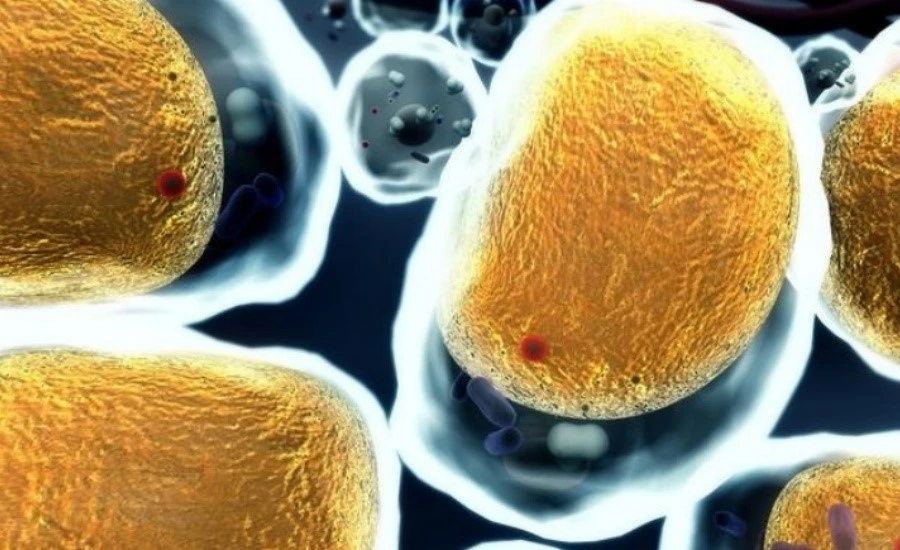
Experiments with animals, especially rats that were made fat thru diets, have given us a lot of information about metabolic reactions. Researchers see changes in body makeup, insulin sensitivity, and adipose tissue features when they give these models 5-amino-1MQ peptide injections over long periods of time. In one study, people who took 50 mg/kg of the drug every day for eight weeks lost about 18% of their body weight and showed changes in signs of glucose metabolism.
Researchers can use these experimental results to learn more about dose-response relationships and figure out which metabolic parameters are most affected by NNMT reduction.
Studies have shown that the substance has particularly interesting effects on white adipose tissue, with fewer adipogenic genes being expressed and more fatty acid oxidation markers being present. It would be hard to do such a thorough metabolic profiling without compounds that have effects that are consistent and can be repeated.
Cellular Metabolism Laboratory Investigations
This chemical is used in cellular research tools to look at metabolic changes at the microscopic level, in addition to studies of whole organisms.
Researchers can tightly control variables and see direct responses from cells in cultured systems.
The compound has been shown to reverse several signs of cellular senescence in human fibroblast models. For example, it has been shown to reduce the number of β-galactosidase positive cells from 68% to 32% in documented experiments.
Another use case is being able to see how mitochondrial activity changes in real time.
Scientists check things like the potential of the mitochondrial membrane, the rate at which ATP is made, and the production of reactive oxygen species to figure out how blocking NNMT affects the production of energy in cells.
These in-depth mechanistic studies give us the basic information we need to understand how metabolism works in a more general way.


5 Amino 1MQ Peptide Injection Research Areas in Cellular Metabolism and Energy Balance
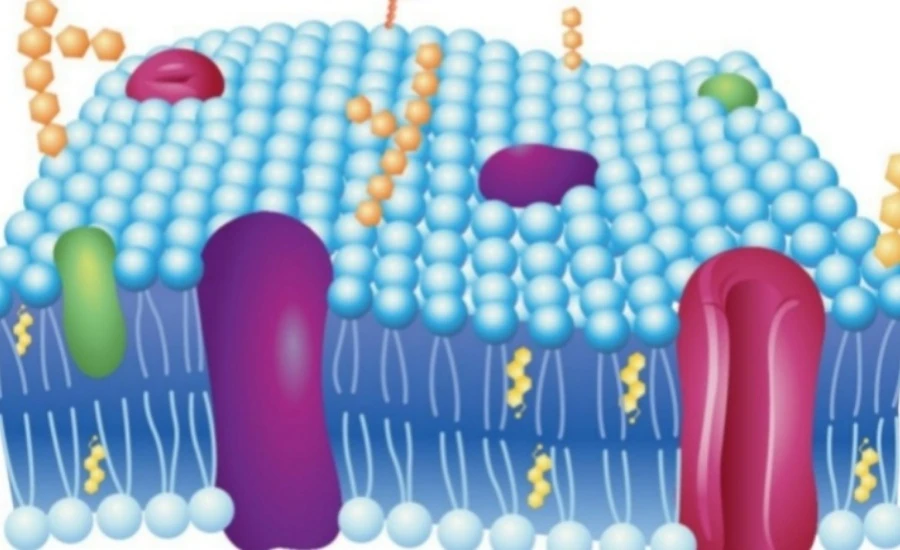
NAD+ Metabolism and Sirtuin Activation Studies
The link between the amount of NAD+ in the body and metabolic health has become one of the main topics of current study. Scientists know that NAD+ is an important coenzyme for many biological processes, such as making energy and controlling gene expression. Researchers can see how higher amounts of NAD+ affect later metabolic events when they use 5 amino 1mq peptide injection in lab settings.
Research that has been published shows that treatment can raise the amount of NAD+ in fat tissue by up to 2.3 times. This raise turns on SIRT1, which then deacetylates several target proteins that help control metabolism. The substance basically makes a model that is good for understanding sirtuin biology and how it affects metabolism. This method has been very helpful for scientists studying pathways for longevity, metabolic flexibility, and how cells respond to stress.
Mitochondrial Function and Biogenesis Research
Most of the energy production in cells takes place in mitochondria, which are like power plants.
A lot more research has been done on mitochondrial health, and scientists are now trying to figure out what makes mitochondria work at their best. The 5 amino 1mq peptide injection has become useful for studying mitochondrial biogenesis because it changes the PGC-1α/NRF1/TFAM pathway.
Experiments show that treating cells with compounds raises the number of copies of mitochondrial DNA and increases the amount of respiratory chain complex. Researchers can use different analytical methods to measure these changes, which gives metabolic studies measurable endpoints.
Because the compound can improve mitochondrial quality control mechanisms, such as the cleaning up of damaged mitochondria by autophagy, it is useful for studying how cells lose the ability to maintain themselves as they age.
Scientists studying neurological diseases have used this substance in cell models to see how better mitochondrial function affects the buildup of proteins and the survival of cells.


One study using cells as a model for Huntington's disease found that treatment decreased the amount of mutant protein clumping by 58%. This shows that the substance can be used in a variety of research areas.
Adipose Tissue Metabolism and Remodeling Studies
Adipose tissue does more than just store energy; it's also an active hormonal system that affects metabolism throughout the body. Researchers are still trying to figure out how adipose tissue grows, saves energy, and reacts to biochemical messages. The 5 amino 1mq peptide injection lets us study how adipose tissue changes by looking at how it changes the expression of adipogenic genes. Studies in the lab show that the substance lowers the expression of genes that make fat, like FAS and SCD1, while increasing the expression of genes that burn fat, like CPT1A and ACOX1. This change from storing fat to using fat creates a metabolically unique tissue type that scientists can study in more depth. Scientists who are studying how fat works, how metabolic syndrome develops, and how weight is controlled have used this substance in their experiments.
Changes in the metabolism of adipose tissue have also been studied in terms of how they affect the health of the whole metabolic system. Studies that looked at changes in insulin sensitivity and glucose metabolism after compounds were given show that remodeling fatty tissue has metabolic effects that reach far and wide. This view of the whole system helps experts understand how metabolic control works as a whole.

Why Is 5 Amino 1MQ Peptide Injection Studied in Metabolic Pathway Research?
Selective Enzyme Targeting Capabilities
To study metabolic pathways, we need tools that can change certain enzymatic steps without having effects that aren't meant to be there. Because the compound only blocks NNMT, it gives experts an exact point where they can start their work. Scientists can say that changes they see in metabolism are caused by the NNMT pathway modulation and not by effects that are more general and harder to understand.
Biochemical studies have shown how the molecule binds to NNMT and stops the enzyme from changing nicotinamide into methyl form.
Because of this clear chemical relationship, it is easier to understand and repeat the results of experiments in different labs. Compounds with clear mechanisms of action are valuable to research institutions because they make hypothesis-driven studies and mechanistic understanding easier.
Because it is specific, researchers can use the compound in a wide range of experimental systems, from whole organisms to models with many cells,


and be sure that the effects they see are related to the pathway they want to study. Because of its accuracy, the 5 amino 1mq peptide injection is the best way to figure out how NNMT affects metabolic regulation as a whole.
Reproducible Metabolic Phenotypes
Experimental data that can be repeated are important for scientific growth. Researchers need tools that give the same results in different labs and tests that are done over and over again.
In different types of experiments, the substance has shown consistent dose-response relationships and expected metabolic effects. This makes it easier to trust research results and lets different teams build on and confirm each other's work.
Multiple measurement methods can be used with standardized analytical methods to find out how the compound affects metabolism. To make full metabolic profiles, researchers can look at changes in gene expression, protein amounts, enzymatic processes, and measures of metabolic flux.
Multiple analytical methods that come to the same results increases the scientific value of study findings.
Bridging Molecular and Whole-Organism Metabolic Understanding
Connecting molecular-level observations with physiological results at the whole-organism level is one of the hardest parts of metabolic studies. Because it has effects that can be measured at different biological scales, the 5 amino 1mq peptide injection is useful for connecting different areas of research. Within the same experimental setting, researchers can track changes at the molecular level in enzyme activity, see metabolic shifts in cells, and measure outcomes at the whole organism level, such as body composition and exercise ability.
This ability to work on different levels helps scientists figure out how changes at the molecular level affect the body.
Studies have shown that exercise ability gets better when compound treatment and exercise training are used together. The combined benefits are stronger than either strategy alone. These kinds of results help scientists figure out how changes in molecular metabolism lead to changes in how things work.


5 Amino 1MQ Peptide Injection as a Tool for Advanced Metabolism Investigation

Epigenetic Regulation in Metabolic Research
5 amino 1mq peptide injectionis studied in metabolic epigenetics because NNMT inhibition increases NAD+ availability and activates sirtuins, affecting histone modifications and gene expression. Research shows treatment changes chromatin structure, improves metabolic gene regulation, and may reverse some epigenetic changes linked to dysfunction. These findings support further studies on metabolic memory, aging, and disease prevention.
Inflammatory Pathway Interactions with Metabolism
Modern study on metabolism has shown that metabolic dysfunction and chronic inflammation are closely linked. When metabolic function is hampered, adipose tissue releases pro-inflammatory cytokines that make metabolic function even worse, starting a cycle that keeps going. Experimental models have shown that the substance can reduce inflammation. IL-6 and TNF-α levels were lowered by about 53% and 47%, respectively.
The 5 amino 1mq peptide injection is useful for understanding how metabolism and inflammation work together because it reduces inflammation. Researchers can look into whether changes in metabolism lead to less inflammation or whether anti-inflammatory effects help with metabolic benefits. The compound's ability to lower the senescence-associated secretory phenotype (SASP) in old cells gives researchers another way to look into how the metabolic state of cells affects signaling for inflammation.
Protein Homeostasis and Metabolic Health Connections
Protein homeostasis is closely linked to metabolic health, as misfolded proteins and damaged organelles can reduce cellular function. The compound activates HSF1, increases chaperone proteins like HSP70 and HSP90, and improves autophagy to remove damaged components. These effects support mitochondrial function, energy production, and research into the relationship between metabolic regulation, stress responses, and cellular quality control.

Exploring New Research Directions with 5 Amino 1MQ Peptide Injection
Metabolic Flexibility and Substrate Utilization Studies
When cells and animals can switch between different food sources based on what's available, this is called metabolic flexibility. To keep your metabolism healthy, you need to be able to switch between burning glucose and fatty acids quickly and easily. Scientists have started to look into what happens to metabolic flexibility when they block NNMT with a 5 amino 1mq peptide injection.
Based on early research, the substance may make it easier to use lipid fuels because it changes the production of genes involved in fatty acid oxidation. Finding out how NNMT activity affects fuel choice could be done by measuring changes in respiratory quotient and substrate oxidation rates after chemical treatment. This line of study could help us figure out why some people with fat and metabolic syndrome have metabolic inflexibility.
Scientists are planning studies that will test how metabolic flexibility can be changed by changing diets or exercise plans. Then, they will see if compound treatment changes metabolic reactions.


These kinds of studies could shed light on the regulatory networks that control how substrates are used and help find possible places to improve metabolic flexibility.
Circadian Rhythm and Metabolic Timing Research
Circadian research shows that biological processes follow light-dark cycles, with NAD+ metabolism closely linked to timing. Studies are exploring whether 5 amino 1mq peptide injection can influence circadian metabolic rhythms by altering NNMT activity. Monitoring gene expression patterns over time may reveal how NNMT inhibition affects metabolic regulation and provide insights into the connection between circadian disruption and metabolic disease.
Cross-Tissue Metabolic Communication Studies
NNMT inhibition studies explore how metabolic changes in one tissue influence distant organs through circulating factors and neural pathways.
Using tissue-specific models and systemic treatment helps identify whether effects are local or whole-body. Research on 5 amino 1mq peptide injection also aims to discover metabolites, hormones, and signals that coordinate communication between tissues and regulate overall metabolism.
Conclusion
The use of 5 amino 1mq peptide injection in modern metabolic studies is an example of how focused molecular tools help scientists learn more. This chemical has been useful in many areas of science, from studying how cells use energy to studying how whole organisms use energy. It selectively blocks NNMT, which has metabolic effects that can be repeated. These effects help scientists figure out how energy balance, cellular age, and metabolic health are controlled by complex regulatory networks.
Researchers have found links between the metabolism of NAD+, the operation of mitochondria, the control of epigenetics, and inflammatory processes by using this substance. These new ideas add to what we already know about metabolism and help us think of possible ways to treat metabolic diseases. As metabolic study moves toward more precise molecular methods, compounds with well-known and selective modes of action will continue to be very useful.
Researchers are using the compound in more and more areas, such as metabolic flexibility, circadian rhythms, and inter-organ communication. This shows how flexible it is and how many metabolic questions scientists are trying to answer. Each study adds a small piece of information that, when added together, helps us understand metabolism better. Access to high-quality study compounds is still very important for research schools that want to make metabolic science better.
Frequently Asked Questions
1.What about the 5-amino-1MQ peptide injection makes it good for metabolic research?
-
The molecule selectively blocks NNMT with well-studied molecular processes, producing metabolic effects that can be repeated in both cell and whole-organism models. It's useful for studying many parts of energy metabolism, from mitochondrial function to epigenetic control, because it can change the amounts of NAD+ and turn on metabolic pathways further down the chain. Researchers like how consistent the compound is and how easy it is to understand the results of experiments.
2.How do study organizations make sure the quality of the chemicals they buy for metabolic studies?
-
To make sure the quality of research compounds, several checks must be done. These include analytical certificates showing that the compounds are pure (usually ≥98% for metabolic studies), HPLC and mass spectrometry data showing that the compounds are the right ones, and proof that the batches are consistent. Suppliers you can trust give you thorough analytical data, keep your supply lines stable, and follow quality management systems. To make sure compounds meet research-grade standards, researchers should check that they follow GMP and ask for full documentation.
3.What types of analyzes help researchers figure out how this compound affects metabolism in studies?
-
Different types of analysis are used in metabolic research based on the study's goals. By using qPCR or RNA sequencing to look at gene expression, differences in biochemical pathways can be seen. Western blotting or immunoassays are used to measure the levels of proteins and keep track of changes in regulation and enzyme proteins. Using mass spectrometry in metabolicomics helps find changes in metabolite levels. Assays that test functions check things like NAD+ levels, glucose uptake, fatty acid oxidation, and the rate of mitochondrial respiration. By using more than one analytical method together, you can get a full picture of the metabolism.
Partner with Kpeptidefor Your Metabolic Research Compound Needs
If the quality and dependability of the compounds you need for your study are important, Kpeptide is ready to be your 5 amino 1mq peptide injection provider. Our production sites are GMP-certified and meet the standards of the US-FDA, the EU, the PMDA, and the CFDA. This makes sure that your study follows the rules and has the paperwork it needs. We offer research-grade molecules with full analytical data, consistent batch-to-batch quality, and a variety of packing choices to meet the needs of your experiments. We have more than 12 years of experience in organic synthesis and pharmaceutical intermediates.

Our professional team is here to help you with technical issues all the way thru the buying process, from the first question to the delivery. Thru our ERP tool, we keep our prices clear, our supply lines strong, and we can track all of our quality. As approved suppliers to 24 foreign research and pharmaceutical companies, we know how important compound quality is for making study results that can be repeated and published.
Kpeptide can help you reach your metabolic research goals by providing the quality, paperwork, and service you need, whether you need small amounts for beginning studies or large amounts for long-term studies. Get in touch with our team right away at sales@kpeptide.com to talk about your specific research needs and find out how our skills can help you reach your scientific goals.
References
1. Kraus D, Yang Q, Kong D, et al. Nicotinamide N-methyltransferase knockdown protects against diet-induced obesity. Nature. 2014;508(7495):258-262.
2. Brachs S, Polack J, Brachs M, et al. Genetic Nicotinamide N-Methyltransferase (NNMT) deficiency in male mice improves insulin sensitivity in diet-induced obesity but does not affect glucose tolerance. Diabetes. 2019;68(3):527-542.
3. Komatsu M, Kanda T, Urai H, et al. NNMT activation can contribute to the development of fatty liver disease by modulating the NAD+ metabolism. Scientific Reports. 2018;8(1):8637.
4. Neelakantan H, Vance V, Wetzel MD, et al. Selective and membrane-permeable small molecule inhibitors of nicotinamide N-methyltransferase reverse high fat diet-induced obesity in mice. Biochemical Pharmacology. 2018;147:141-152.
5. Campagna R, Mateyka J, Casamassimi A, et al. Nicotinamide N-methyltransferase in endothelium protects against oxidant stress-induced endothelial injury. Biochimica et Biophysica Acta - Molecular Cell Research. 2021;1868(1):118487.
6. Hong S, Moreno-Navarrete JM, Wei X, et al. Nicotinamide N-methyltransferase regulates hepatic nutrient metabolism through Sirt1 protein stabilization. Nature Medicine. 2015;21(8):887-894.