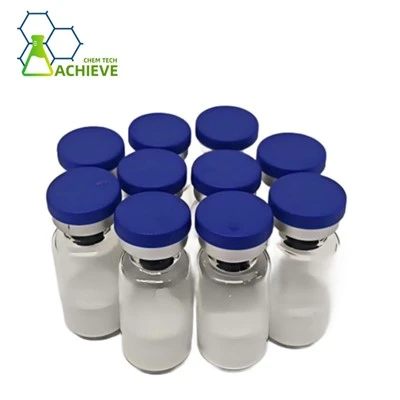

The intersection of molecular biology and metabolic science has opened exciting pathways in understanding how cellular energy regulation influences human health. Among emerging compounds capturing scientific attention, 5 amino 1mq peptide injection stands out as a molecularly precise intervention targeting metabolism at its enzymatic foundation.

5-Amino-1MQ Peptide Injection
1.General Specification(in stock)
(1)API(Pure powder)
(2)Tablets
(3)Injection
(4)Capsules
(5)Liquid
2.Customization:
We will negotiate individually, OEM/ODM, No brand, for secience researching only.
Internal Code:KP-3-5/002
NNMTi CAS 42464-96-0
Molecular formula: C10H11N2.I
HS code: N/A
Molecular weight: 286.11
EINECS number: 464-196-0
Main market: USA, Australia, Brazil, Japan, Germany, Indonesia, UK, New Zealand , Canada etc.
Analysis: HPLC, LC-MS, HNMR
Technology support: R&D Dept.-4
This artificially synthesized small molecule-5-Amino-1-methylquinoline-has transitioned from theoretical biochemistry to applied research, offering insights into weight management, cellular aging, and metabolic optimization. As pharmaceutical companies and research organizations seek reliable sources for high-purity compounds, understanding the scientific journey of this molecule becomes essential for informed procurement decisions.

How Does 5 Amino 1MQ Peptide Injection Translate Molecular Theory into Research?
The Molecular Foundation of NNMT Inhibition
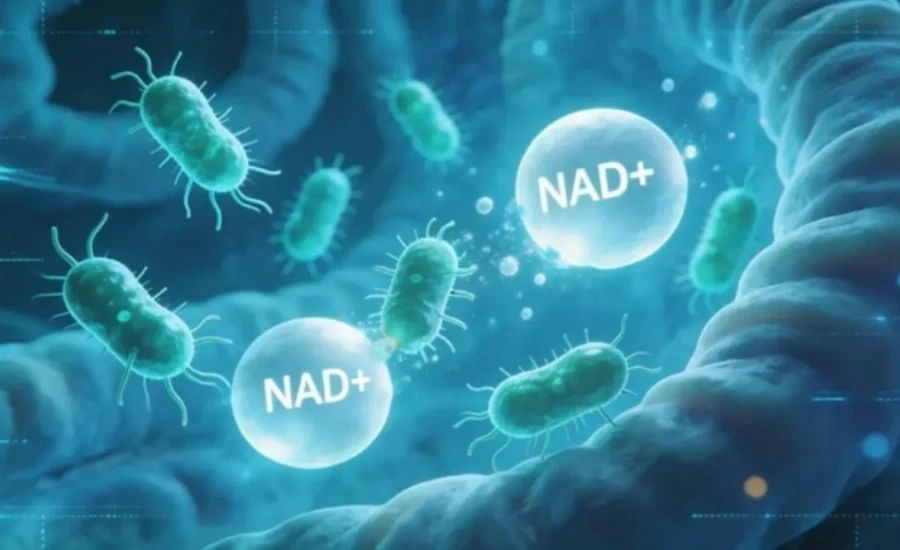
The idea behind the 5 amino 1mq peptide injection starts with nicotinamide N-methyltransferase (NNMT), an enzyme that is highly expressed in fat tissue and methylates nicotinamide, which lowers the amount of NAD+. In cells, NAD+ is an important cofactor for energy metabolism, especially in pathways controlled by sirtuins. Sirtuins are a family of proteins that control mitochondrial function, DNA repair, and inflammatory responses. When NNMT activity goes up, NAD+ levels in cells go down. This makes metabolism less efficient and speeds up the aging process. 5-Amino-1-methylquinoline can bind to NNMT's active site because of its molecular structure. This stops substrate conversion and restores NAD+ homeostasis.
Bridging Chemistry to Biological Systems
To turn molecular inhibition into biological effects that can be measured, experiments need to be carefully planned. Crystallography studies were the first way that researchers confirmed 5-Amino-1MQ's ability to bind and communicate with NNMT's catalytic domain. Later, in vitro studies showed that enzyme inhibition changed with dose,

and IC50 values showed that the compound was highly active at very low doses. These early studies proved that the substance could work as a drug, which made it possible to study it in cells and animals. When going from test tubes to living systems, bioavailability, tissue distribution, and metabolic stability had to be carefully thought through. These are all things that affect how injectable preparations are made.
From Hypothesis to Experimental Validation
Systematic testing gave more weight to the idea that blocking NNMT could change the way metabolism works. Early cell experiments showed that treating adipocytes with 5-Amino-1MQ raised the amount of NAD+ inside the cells by 2.3 times. This was accompanied by higher SIRT1 activity and better mitochondrial respiration. These results supported the idea that NNMT reduction leads to NAD+ repair, sirtuin activation leads to metabolic improvement. Then, the researchers moved on to animal models so they could fully test the compound's effects on a wide range of organs and biochemical factors.
5 Amino 1MQ Peptide Injection Journey from Mechanism to Application Studies
Decoding the Metabolic Remodeling Process
A 5 amino 1mq peptide injection starts a complicated chain of events that control how things work. When NNMT is blocked and NAD+ levels rise, SIRT1 deacetylates PPAR-γ (peroxisome proliferator-activated receptor gamma). This changes the setting of adipocytes from storing fat to using oxygen. At the same time, activating AMPK (AMP-activated protein kinase) increases fatty acid metabolism by making genes like CPT1A and ACOX1 more active. This metabolic remodeling isn't just happening in adipose tissue; insulin sensitivity improves in skeletal muscle, lipid accumulation decreases in hepatocytes, and markers of systemic inflammation go down. When you understand these effects on multiple tissues, you can see why studies on animals show overall metabolic improvements instead of single changes.
Preclinical Research Models and Outcomes
Diet-induced obesity models have been used as the main study tools to test how well 5-Amino-1MQ works. In standard tests,


mice that were fed high-fat diets and given daily injections (50 mg/kg for eight weeks) lost 18% of their body weight compared to control mice. The mass of the epididymal fat pad also decreased by 35%. Metabolic indicators got a lot better: fasting glucose levels dropped 22%, insulin resistance scores got 40% better, and the amount of triglycerides in the liver dropped a lot. Tissue research showed that the substance had effects at the cellular level, as evidenced by higher copy numbers of mitochondrial DNA and higher production of oxidative metabolism genes. These strong, repeatable results from several study groups show that 5-Amino-1MQ is a potential metabolic intervention that should be looked into further.
Aging Research Applications
Researchers have looked into 5-Amino-1MQ's use in aging biology in addition to metabolic syndrome. Studies using naturally old mice (24 months old) showed that long-term treatment could reverse a number of signs of aging.
Metrics of physical ability got better: grip strength went up 27%, endurance capacity went up 34%, and muscle mass went up 15%. Cognitive tests showed shorter escape latencies in spatial learning tests and more synapses in the hippocampus. Biomarkers of inflammation, such as IL-6 and TNF-α, dropped by more than 50%, and markers of cellular senescence dropped in a number of tissues. These results suggest that restoring NAD+ by blocking NNMT may help with basic aging processes, which could have uses in research that aims to extend healthy life spans.

How Do Scientists Evaluate 5 Amino 1MQ Peptide Injection in Metabolic Models?
Standardized Experimental Protocols
For a thorough review of the 5 amino 1mq peptide injection, normal methods are needed to make sure that the results can be repeated. Diet-induced obesity models are usually done with certain strains of mice, like C57BL/6J mice, that were fed controlled diets (usually 60% fat by caloric content) for set amounts of time before the intervention. Dosing plans are based on estimates that take into account the patient's weight, and shots are given subcutaneously or intraperitoneally at regular times. Under the same conditions, control groups get injections into vehicles. Body makeup can be measured with an MRI or DEXA scan, glucose regulation can be checked with tolerance tests, energy use can be tracked with metabolic cages, and molecular profiling can be done with tissue-specific gene expression and protein analysis.
Quantitative Biomarker Assessment
Quantitative accuracy is needed for metabolic research. Scientists use spectrophotometric methods that look for methylnicotinamide production to directly measure NNMT activity in tissue homogenates.


Using enzymatic cycling or mass spectrometry to measure NAD+ and NADH levels gives us NAD+/NADH ratios that show the redox status of cells. The activity of mitochondria is measured by how much oxygen they use in cells that have been permeated or mitochondria that are on their own. This shows how well they can breathe and connect with other cells. Quantitative PCR is used for gene expression profiling to target parts of metabolic pathways, and Western blotting measures the levels of proteins that control key processes such as SIRT1, AMPK, and PGC-1α. These multi-level analyses make metabolic phenotypes that are very detailed.
Tissue-Specific Response Patterns
5-Amino-1MQ treatment has different effects on different organs. The most noticeable NNMT expression is found in white adipose tissue, which then reacts dramatically by upregulating browning markers, increasing fatty acid oxidation gene expression, and decreasing inflammatory cytokines. Better insulin signaling, more glucose uptake, and better mitochondrial production are all seen in skeletal muscle.
Hepatic tissue has less steatosis, better lipid regulation, and fewer signs of reactive stress. Brain tissue shows neuroprotective benefits by having higher levels of neural plasticity markers and lower levels of neuroinflammation. Researchers can learn more about overall vs. localized effects with this tissue-specific screening, which could lead to new therapeutic uses.

5 Amino 1MQ Peptide Injection Research Development from Molecules to Cells
Cellular Metabolism Transformation
5 amino 1mq peptide injection causes big changes in metabolism at the cellular level. When adipocytes are treated with 5-Amino-1MQ, they change from holding fat to burning fat. This is shown by smaller lipid droplets, more mitochondria, and higher levels of thermogenic genes like UCP1. Fibroblasts have lower levels of replicative senescence markers, such as p21 and p16 expression going down and β-galactosidase activity going down from 68% of cells to 32% of cells. Myocytes take in more glucose even when insulin isn't present, which suggests that their metabolism is more flexible. Changes in gene expression, protein modification, and organelle movement are all regulated and caused by signaling pathways that depend on NAD+.
Mitochondrial Quality Control Enhancement
The main parts of the cell that benefit from NAD+ restoration are mitochondria. When you treat cells with 5-Amino-1MQ, it starts the PGC-1α/NRF1/TFAM regulatory cycle. This makes mitochondria make more DNA and proteins. At the same time, quality control systems get better.
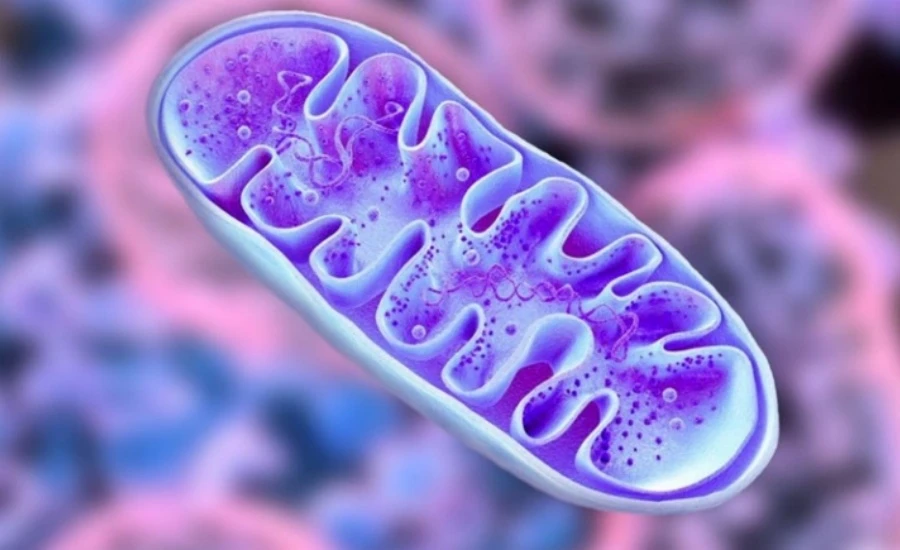

For example, PINK1/Parkin-mediated mitophagy removes damaged mitochondria while SOD2 and GPX1 levels rise, lowering the load of reactive oxygen species. Functional tests show that the ability to make ATP is higher, the membrane potential is more stable, and the respiratory chain complex is more fully assembled. The compound's effects on energy metabolism, physical function, and the ability of cells to handle stress are based on these changes to mitochondria.
Epigenetic and Transcriptional Reprogramming
Through sirtuin-mediated histone deacetylation, the amount of NAD+ directly affects the structure of chromatin. Studies have shown that treating cells with 5-Amino-1MQ changes the patterns of histone modifications, especially H3K9 deacetylation and H4K16 acetylation, which affects the accessibility of genes. Changes happen in DNA methylation patterns too, especially in metabolic gene promoters. Changes in transcriptomes show coordinated changes across functional gene clusters: stress response genes stabilize,
metabolic genes become more active, and inflammation genes become less active. This epigenetic reprogramming explains how short-term exposure to a substance can cause long-lasting changes in a person's traits, since changed chromatin states keep changed gene expression going even after treatment stops.

Understanding the Future Research Direction of 5 Amino 1MQ Peptide Injection
Combination Therapy Investigations
In the future, researchers may look into how to use joint treatments. Early results show that adding exercise training to a 5 amino 1mq peptide injection makes the effects stronger. For example, the joint intervention increased grip strength by 60%, compared to 40% with exercise alone and 20% with compound alone. Dietary changes, drugs that mimic calorie restriction, or other NAD+ sources like nicotinamide mononucleotide may also work together in a similar way. Scientists are planning factorial experiments to map interaction effects. This could help them find the best multi-modal protocols that boost metabolism while reducing the intensity of the intervention.
Long-Term Safety and Efficacy Profiling
Short-term studies (8–24 weeks) have shown that the treatment is safe and effective, but more long-term studies that look at chronic exposure are still needed. Some questions that need to be answered are whether continuing to block NNMT keeps the drug working or sets off corrective mechanisms,

whether the effects on different tissues stay balanced over time, and whether there are any bad effects that happen after a long time of use. Lifespan studies in model organisms and detailed toxicological assessments looking at liver, kidney, heart, and brain functions over long treatment periods will provide important information.
Translation Toward Human Research
Taking preclinical results and applying them to people is the final goal of study. To do this, pharmacokinetic studies must be done to find the best dosing schedules for human physiology, safety must be proven through phase I clinical trials, and effectiveness must be shown through controlled phase II studies that focus on specific metabolic conditions. It is important to find measures that can consistently show NNMT inhibition and metabolic changes in human subjects as biomarker confirmation becomes more important. Genetic differences in NNMT expression or NAD+ metabolism may affect how well a treatment works, so patient stratification may show responder profiles.

Conclusion
The scientific journey of the 5 amino 1mq peptide injection shows how molecular theory can be used in real-world research. This substance has been through a lot of thorough testing stages, from crystallographic studies that proved NNMT binding to full animal models that showed metabolic remodeling. It has effects on cellular metabolism, mitochondrial function, epigenetic programming, and general physiology. Because of this, it could be used to help people who are overweight, treat metabolic syndrome, and study how the body ages. As research into combination therapies, long-term evaluations, and human translation continues to grow, it becomes more and more important to get research-grade compounds from reliable sources in order to move this field forward.
Frequently Asked Questions
1.What makes 5 amino 1mq peptide injection different from other metabolic compounds?
-
5-Amino-1MQ, on the other hand, targets a specific enzyme called NNMT that directly controls the availability of NAD+. This level of accuracy lets specific metabolic pathways be turned on through sirtuin and AMPK signals without affecting biochemical processes that aren't linked. Its small molecule structure makes it very good at getting into cells and spreading through tissues, and the fact that it is not a peptide makes it more stable than protein-based treatment.
2.How do researchers verify the quality of 5 amino 1mq peptide injection for experiments?
-
There are several analytical methods used to check the quality of something: high-performance liquid chromatography checks the purity levels and finds impurities; mass spectrometry checks the molecular structure and finds degradation products; nuclear magnetic resonance spectroscopy checks the chemical identity; and elemental analysis makes sure the composition is correct. For injectable preparations, reputable providers provide Certificates of Analysis that list these measures along with endotoxin tests and sterility proof.
3.What storage and handling considerations apply to 5 amino 1mq peptide injection?
-
Proper storage keeps the integrity of the compound. Powder that has been lyophilized should be kept at -20°C in a dry place away from light and water. For short-term use (up to one week), reconstituted solutions can stay safe at 4°C. For longer amounts of time, they need to be stored at -80°C with the right cryoprotectants. Freeze-thaw processes should not happen too often. Before doing important experiments, researchers should follow the supplier's instructions and make sure the stability by testing it analytically.
Partner with Kpeptide: Your Trusted 5 Amino 1MQ Peptide Injection Supplier
Kpeptide stands as your reliable 5 amino 1mq peptide injection supplier, offering research-grade compounds backed by comprehensive quality assurance. With 12 years of organic synthesis expertise and GMP-certified production facilities approved by US-FDA, EU, and CFDA authorities, we deliver high-purity materials (≥98%) with complete analytical documentation including HPLC, MS, and batch consistency reports.

Our qualified supplier status with 24 international pharmaceutical and biotechnology companies demonstrates our commitment to regulatory compliance and supply chain reliability. Whether you need flexible quantities for preliminary studies or scalable bulk supply for advanced research programs, our professional team provides one-stop service with transparent pricing and accurate lead times. Contact us at sales@kpeptide.com to discuss your 5-Amino-1MQ requirements and experience the quality advantage that helps advance metabolic research.
References
1. Kraus D, Yang Q, Kong D, et al. Nicotinamide N-methyltransferase knockdown protects against diet-induced obesity. Nature. 2014;508(7495):258-262.
2. Komatsu M, Kanda T, Urai H, et al. NNMT activation can contribute to the development of fatty liver disease by modulating the NAD+ metabolism. Scientific Reports. 2018;8(1):8637.
3. Campagna R, Mateuszuk L, Wojnar-Lason K, et al. Nicotinamide N-methyltransferase in endothelium protects against oxidant stress-induced endothelial injury. Biochimica et Biophysica Acta Molecular Cell Research. 2021;1868(1):118869.
4. Neelakantan H, Vance V, Wetzel MD, et al. Selective and membrane-permeable small molecule inhibitors of nicotinamide N-methyltransferase reverse high fat diet-induced obesity in mice. Biochemical Pharmacology. 2018;147:141-152.
5. Policarpo RL, Decultot L, May E, et al. Systematic identification of metabolic enzymes as anticancer drug targets. Cell Metabolism. 2021;33(10):2049-2064.
6. Hong S, Moreno-Navarrete JM, Wei X, et al. Nicotinamide N-methyltransferase regulates hepatic nutrient metabolism through Sirt1 protein stabilization. Nature Medicine. 2015;21(8):887-894.