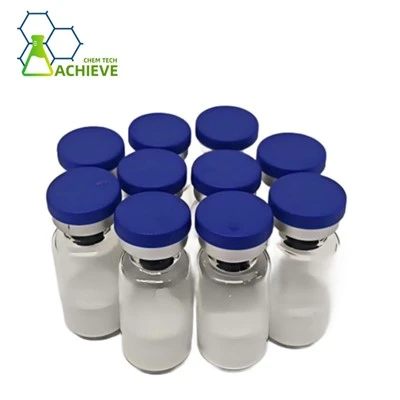

Increased interest in metabolic optimisation has focused research on substances that may affect cellular energy pathways. One study topic is injection of 5 amino 1mq peptide which acts on an enzyme called nicotinamide N-methyltransferase (NNMT) and this enzyme plays a key role in metabolic control. By knowing the chemical foundation of this interaction, one may understand the interest in this tiny molecule by pharmaceutical researchers, biotech companies and metabolic health professionals throughout the globe.
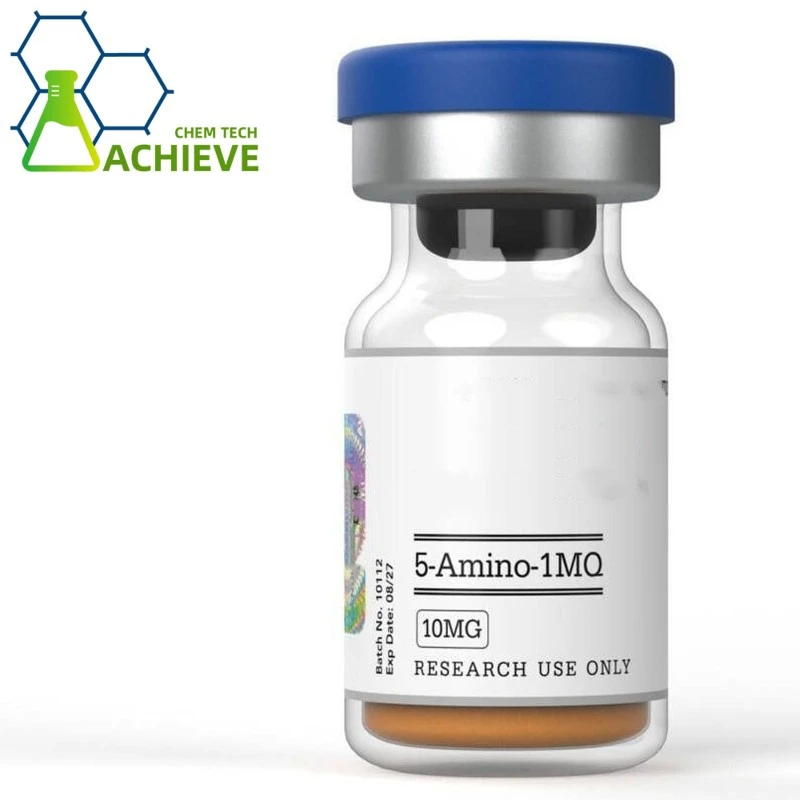
5-Amino-1MQ Peptide Injection
1.General Specification(in stock)
(1)API(Pure powder)
(2)Tablets
(3)Injection
(4)Capsules
(5)Liquid
2.Customization:
We will negotiate individually, OEM/ODM, No brand, for secience researching only.
Internal Code:KP-3-5/002
NNMTi CAS 42464-96-0
Molecular formula: C10H11N2.I
HS code: N/A
Molecular weight: 286.11
EINECS number: 464-196-0
Main market: USA, Australia, Brazil, Japan, Germany, Indonesia, UK, New Zealand , Canada etc.
Analysis: HPLC, LC-MS, HNMR
Technology support: R&D Dept.-4
NNMT also plays a function in cellular metabolism, converting nicotinamide to N-methylnicotinamide, which alters availability of NAD+ in the body. However, NNMT activity may become dysregulated, especially in adipose tissue, resulting in weight gain and a reduction in cellular energy efficiency. This enzymatic activity and the mechanism of interference by 5 amino 1mq peptide injection provide important insight into possible metabolic therapies.
In this study, we examine the molecular interactions that identify 5 amino 1mq peptide injection as a NNMT inhibitor, focusing on binding processes, substrate competition, and downstream metabolic effects. If you are on a pharmaceutical development team, research institution or a CDMO looking for high purity metabolic chemicals, knowledge of these molecular characteristics may impact your sourcing choices and trial design.

How Does 5 Amino 1MQ Peptide Injection Bind to NNMT?
Structural Recognition Between Small Molecule and Enzyme
The interaction between 5 amino 1mq peptide injection and NNMT begins with their structures fitting together. Its catalytic domain usually accepts nicotinamide, the natural substrate of NNMT. The structure of 5-amino-1-methylquinoline is close enough to the aromatic ring system of nicotinamide to fit into this pocket of the active site. The quinoline scaffold in this drug travels into the substrate binding pocket and acts as a competitive inhibitor.
Crystallography of NNMT-inhibitor complexes has indicated that tiny compounds having aromatic heterocycles including nitrogen may meet with favourable interaction with the enzyme active site. Some groups in the quinoline ring aid to bind e.g. the methyl in position 1 and the amino in position 5. Hydrogen bonds and van der Waals interactions occur between these functional groups and the amino acid residues that border the entrance to the active site. This stabilises the inhibitor-enzyme combination.
Key Molecular Interactions Stabilizing the Complex
The simultaneous interactions between 5 amino 1mq peptide injection and NNMT are responsible for the binding. The aromatic quinoline system stacks with phenylalanine and tyrosine residues via π-stacking interactions in the binding pocket. The amino group at position 5 may hydrogen-bond to carbonyl oxygen atoms of the protein backbone. At the same time the nitrogen in the quinoline ring may receive hydrogen bonds from nearby side chains.
These interactions together comprise a stable yet reversible binding process. The binding is strong enough to inhibit the NNMT catalytic activity, but yet flexible enough to allow the body to self-regulate. The research-based inhibition constant (Ki) values indicate rates of competitive inhibition, meaning that the compound directly competes with nicotinamide for the same binding site. This competition allows for the inhibitor to be outcompeted to a certain degree by larger amounts of the natural substrate.

5 Amino 1MQ Peptide Injection and the NNMT Nicotinamide-Binding Site
Overlapping Spatial Occupancy With Natural Substrate
The nicotinamide-binding site of NNMT is a well-defined pocket formed by a number of amino acid residues that have evolved to recognise the pyridine ring of nicotinamide. When the 5 amino 1mq peptide injection enters this binding site, its quinoline structure overlaps with much of the same three-dimensional region. Both compounds have aromatic rings with nitrogen atoms, but the quinoline has a longer bicyclic structure that has more sites of contact with the enzyme surface.
Researchers have studied extensively the interaction between enzymes and inhibitors, and have discovered that active NNMT inhibitors usually mimic the electrical structure and spatial arrangement of the native substrate. The position of the nitrogen atoms in the heterocyclic system is particularly significant because they govern crucial electrostatic interactions with charged or polar residues in the binding pocket.

The additional methyl group on the quinoline ring in the 5 amino 1mq peptide injection may aid with selection by filling in hydrophobic regions that nicotinamide does not quite cover.
Preventing Cofactor SAM Access and Catalysis
NNMT is a methyltransferase that utilises the methyl donor S-adenosylmethionine (SAM) to methylate nicotinamide. The mechanism involves the near approach of nicotinamide and SAM at the active site, allowing methyl transfer. The binding of 5 amino 1mq peptide injection to the nicotinamide binding site prevents the substrate from aligning properly and prevents the formation of a functional enzyme-substrate-cofactor complex.
The inhibitor affects the conformation of the space required for catalysis and SAM may not be able to attach to its particular cofactor-binding site. The methyl transfer reaction is not working properly since the acceptor substrate site is occupied by a molecule that does not chemically combine with anything else. The mechanism of action is that it inhibits the activity of the NNMT enzyme,
which results in decreased synthesis of N-methylnicotinamide and increased availability of NAD+ in cells. This block in the metabolic cycle affects several biological activities that need NAD+ as a coenzyme.

Why Is 5 Amino 1MQ Peptide Injection Studied as an NNMT Inhibitor?
Connection Between NNMT Activity and Metabolic Dysfunction
Researchers are looking into NNMT inhibition because they have seen a link between high levels of NNMT expression and metabolic problems. Studies in human fat tissue have shown that NNMT levels are related to body mass index and insulin resistance factors in a good way. When NNMT activity rises in fat cells, it uses up nicotinamide and makes methylated molecules, which lowers the amount of NAD+ in the cells. This lack of NAD+ makes sirtuins and other enzymes that rely on NAD+ work less well, which affects metabolic balance.
Animal models have shown strong links between NNMT and controlling weight. Mice that are genetically lacking NNMT are less likely to become overweight and keep their better glucose metabolism compared to wild-type controls. Based on these findings, it seems that blocking NNMT with drugs might have similar positive metabolic effects without changing genes.


Researchers looked at compounds like 5 amino 1mq peptide injection that could change this enzyme pathway through direct binding interactions in their search for selective small-molecule NNMT inhibitors.
Preclinical Evidence Supporting Metabolic Benefits
In the lab, studies have shown that treating someone with a 5 amino 1mq peptide injection causes biochemical changes that are consistent with blocking NNMT. In models of obesity caused by a low-calorie diet, giving the substance led to weight loss, less fat mass buildup, and better glucose control. Biochemical study of treated tissues showed that NNMT activity was lower and NAD+ levels were higher. This showed a direct link between blocking enzymes and the results that were seen.
The metabolic improvements were more than just a change in weight. Animals that were treated had better mitochondrial function markers, such as higher activation of genes that are involved in burning fat and making respiratory chain complexes. Measurements of energy use showed that metabolic rate was higher,
which is associated with better energy handling in cells. These wide-ranging metabolic changes were in line with what we thought would happen when we increased the supply of NAD+ by blocking NNMT. This is why we should keep looking into this treatment method.
Understanding NNMT Substrate Competition With 5 Amino 1MQ Peptide Injection
Kinetic Parameters Defining Competitive Inhibition
Through enzyme kinetics studies, we can figure out how competitively 5 amino 1mq peptide injection stops NNMT. Competitive inhibitors raise the substrate's apparent Michaelis constant (Km) without changing the reaction's top speed (Vmax). We measured NNMT activity in the lab with different amounts of nicotinamide and an inhibitor. The results show kinetic patterns that are consistent with competing for a single binding site.
These physical relationships help us understand how things affect our bodies in real life. How well an enzyme is blocked depends on both the amount of inhibitor and the amount of nicotinamide in the area. Even small amounts of inhibitors can greatly lower NNMT activity in tissues where nicotinamide levels are still low. On the other hand, when nicotinamide levels get too high, it may take higher concentrations of inhibitors to stop enzymes from working as well. This relationship that depends on concentration helps researchers figure out how much to use in their experiments.


Selectivity Profile and Off-Target Considerations
An important thing about any enzyme inhibitor is that it works only on the target enzyme and not on enzymes that are genetically similar. NNMT is a methyltransferase, which is a type of enzyme that uses SAM as a helper. Finding out if 5 amino 1mq peptide injection only blocks NNMT and not other methyltransferases is important for understanding how it works and what it could be used for.
Screening studies that look at how inhibitors work on groups of related enzymes help make selectivity profiles. The structural features of the 5 amino 1mq peptide injection that allow it to bind NNMT may not work as well with the active sites of other methyltransferases that are specific to different substrates. This is especially true for the quinoline scaffold and the placement of nitrogen atoms.
It's easier to be sure that the effects seen are caused by the NNMT pathway when we can show that blocking NNMT doesn't affect enzymes that work on histone methylation, DNA methylation, or other important regulatory processes.

From NNMT Binding to Metabolic Regulation With 5 Amino 1MQ Peptide Injection
Restoration of NAD+ Pools and Sirtuin Activation
Restoring cellular NAD+ levels is the main metabolic effect of blocking NNMT with a 5 amino 1mq peptide injection. Less nicotinamide is methylated when NNMT activity goes down. This lets it be turned back into NAD+ through salvage pathways. Because NAD+ is involved in hundreds of enzyme processes throughout cellular metabolism, the increase in its availability has affects that are felt all over the body.
The sirtuin family enzymes are especially important because they control metabolic gene expression as NAD+-dependent deacetylases. SIRT1, the family member that has been studied the most, changes transcription factors that affect glucose regulation, lipid metabolism, and mitochondrial biogenesis based on how much NAD+ is available. When NNMT is blocked, NAD+ levels rise, which makes SIRT1 work harder. This helps deacetylate proteins like PGC-1α and FOXO1. These changes in regulatory factors move cellular metabolism away from storing fat and toward burning it. This helps explain why the treatment led to better metabolic health.

Impact on Adipocyte Metabolism and Fat Accumulation
When NNMT is blocked, it causes big changes in the biology of fat cells in fatty tissue. It is common for adipocytes to have high levels of NNMT, especially in obese people. Several metabolic changes happen when 5 amino 1mq peptide injection lowers NNMT activity in these cells. Downregulation of lipogenic enzymes, such as fatty acid synthase and stearoyl-CoA desaturase, which are in charge of making new fatty acids, is seen in gene expression analysis. At the same time, genes that help break down fatty acids are being expressed more.
These planned changes change the balance in adipocytes between storing fat and moving it around. It gets harder for the cells to take in lipids from the blood and turn carbohydrates into stored fat. At the same time, they become more active at giving other tissues stored energy. At the level of the tissue,
these changes in cells show up as less fat pad mass and different patterns of adipose tissue distribution. Changing the metabolism of adipose tissue is a big part of the total metabolic changes seen when NNMT is blocked.
Broader Implications for Age-Related Metabolic Decline
In addition to controlling short-term metabolism, blocking NNMT may help with changes in cell function that come with getting older. As we age, NAD+ levels naturally drop in many organs, which can make mitochondrial failure worse and make it harder for the body to adapt to changes in metabolism. Since NNMT activity tends to rise with age in some tissues, this drop in NAD+ may be caused in part by increased enzyme activity. One way to stop the loss of NAD+ that comes with getting older is to stop NNMT from working.
Researchers have used old animal models to show that increasing the availability of NAD+ through different methods can improve many signs of good aging,

such as brain function, tissue repair ability, and physical endurance. If blocking NNMT with a 5 amino 1mq peptide injection raises NAD+ levels in animals that are getting older, then similar effects might happen. Studies that looked at the compound's effects on older animals found that it improved muscle function, exercise ability, and inflammation markers. This suggests that blocking NNMT may have uses beyond weight loss to improve health across the lifespan.

Conclusion
It is known that the 5 amino 1mq peptide injection blocks NNMT because of the clear molecular interactions between the quinoline-based small molecule and the enzyme's active site. This compound lowers the catalytic activity of NNMT by competing with it for the nicotinamide-binding pocket. This makes more NAD+ available in cells and starts metabolic pathways that depend on NAD+. As a result, changes in metabolism happen that lead to better fat burning, better mitochondrial function, and positive changes in gene expression patterns linked to energy metabolism.
For research purposes and product development involving NNMT inhibition, it is important to understand these mechanistic details. The competitive nature of the blockage, the selectivity profile, and the metabolic effects further down the line are all things that go into planning experiments and possible drug development. As research into metabolic regulation keeps going forward, compounds like NNMT that change important enzymatic control points will stay useful for both academic study and real-world use.

Frequently Asked Questions
1.What makes 5 amino 1mq peptide injection effective as an NNMT inhibitor?
-
The quinoline structure of the compound fits perfectly with NNMT's nicotinamide-binding site in terms of both space and electricity. The aromatic heterocyclic system interacts with active site residues in a number of ways at the same time, including hydrogen bonding and π-stacking. This creates competitive inhibition, which lowers enzyme activity and raises the supply of NAD+ in cells.
2.How does competitive inhibition by 5 amino 1mq peptide injection affect NNMT function?
-
As a competitive inhibitor, 5 amino 1mq peptide injection takes up the same binding site as nicotinamide. This stops the substrate from getting to the enzyme and stops the methyltransferase reaction. This process raises the apparent Km for nicotinamide without changing the maximum enzyme velocity. This lowers NNMT activity in a way that depends on the amounts of inhibitor and substrate present.
3.What analytical methods confirm the quality of 5 amino 1mq peptide injection for research use?
-
High-performance liquid chromatography (HPLC) sets purity levels. For pharmaceutical study purposes, these values are usually ≥98%. Mass spectrometry (MS) checks the identity of molecules and looks for possible impurities. Nuclear magnetic resonance (NMR) research checks the stability of structures. Reliable sellers give out certificates of analysis that list these measures for every batch of production. This makes sure that the quality is always the same so that experiments can be repeated.
Partner With Kpeptide for Your 5 Amino 1MQ Peptide Injection Supply Needs
Kpeptide is a specialized provider of 5 amino 1mq peptide injections. They offer research-grade and GMP-certified compounds to help with your biotechnology research, pharmaceutical development, or CDMO activities. Our 100,000 square meter combined GMP production facilities meet standards set by the US Food and Drug Administration (FDA), the European Union (EU), the Canadian Food Inspection Agency (CFIA), and the Canadian Food Harmonization Board (CFDA). This means that your most demanding uses will be in line with the rules. We have been experts in organic synthesis for more than 12 years, and we can help you with your CMC requirements and quality assurance processes by giving you full analytical paperwork that includes HPLC and MS data.

Our quality control system has three levels: testing in the factory, internal QA/QC verification, and third-party certification. For pharmaceutical uses, it guaranties purity levels of at least 98%. Our scalable supply chain and one-on-one expert support team make sure that you get what you need on time and at a reasonable price, whether you need gram-scale amounts for early research or large manufacturing for clinical development. We are approved suppliers to 24 foreign pharmaceutical and research groups. We offer the same low prices as on the Chinese market and provide all the necessary export paperwork for customs clearance.
You can email our team at sales@kpeptide.com to talk about your specific needs for 5 amino 1mq peptide injection, to ask for certificates of analysis, or to get full quotes with accurate lead times that fit your project schedule.
References
1. Kraus D, Yang Q, Kong D, et al. Nicotinamide N-methyltransferase knockdown protects against diet-induced obesity. Nature. 2014;508(7495):258-262.
2. Ulanovskaya OA, Zuhl AM, Cravatt BF. NNMT promotes epigenetic remodeling in cancer by creating a metabolic methylation sink. Nature Chemical Biology. 2013;9(5):300-306.
3. Komatsu M, Kanda T, Urai H, et al. NNMT activation can contribute to the development of fatty liver disease by modulating the NAD+ metabolism. Scientific Reports. 2018;8:8637.
4. Hong S, Moreno-Navarrete JM, Wei X, et al. Nicotinamide N-methyltransferase regulates hepatic nutrient metabolism through Sirt1 protein stabilization. Nature Medicine. 2015;21(8):887-894.
5. Neelakantan H, Vance V, Wetzel MD, et al. Selective and membrane-permeable small molecule inhibitors of nicotinamide N-methyltransferase reverse high fat diet-induced obesity in mice. Biochemical Pharmacology. 2018;147:141-152.
6. Roberti A, Fernández AF, Fraga MF. Nicotinamide N-methyltransferase: At the crossroads between cellular metabolism and epigenetic regulation. Molecular Metabolism. 2021;45:101165.