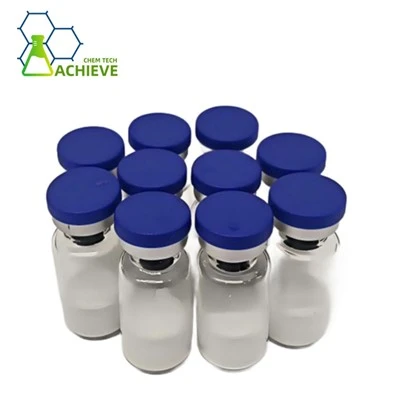
Insulin sensitivity is an important biological factor that tells us how well cells react to insulin signals. When this sensitivity goes down, glucose control is harmed, which can cause metabolic problems and the health problems that Bioglutide NA-931 peptide comes with. To deal with these issues, researchers have looked into different therapeutic peptides. Bioglutide NA-931 peptide has become an interesting chemical in metabolic studies. This multi-receptor agonist peptide has special features that could change the way glucose is processed in the body. Figuring out how the Bioglutide NA-931 peptide works with cell systems gives us useful information about possible uses for studying metabolic control. Because of the way it's structured, the peptide can interact with multiple receptor systems at the same time. This makes it different from chemicals that only target one receptor system. Researchers are still looking into how peptide-based chemicals change the way insulin signals are sent and received. Scientists are still trying to figure out how receptor activation patterns affect biological processes further down the line. Looking at the specifics of how Bioglutide NA-931 peptide works in these biological systems helps to define its possible role in changing metabolism.

Bioglutide NA-931
1.General Specification(in stock)
(1)API(Pure powder)
(2)Tablets
(3)Capsules
2.Customization:
We will negotiate individually, OEM/ODM, No brand, for secience researching only.
Internal Code: KP-2-6/002
Bioglutide NA-931
Manufacturer: BLOOM TECH Wuxi Factory
Analysis: HPLC, LC-MS, HNMR
Main market: USA, Australia, Brazil, Japan, Germany, Indonesia, UK, New Zealand , Canada etc.
Technology support: R&D Dept.-4
We provide Bioglutide NA-931, please refer to the following website for detailed specifications and product information.
Product:https://www.kpeptide.com/bodybuilding-peptide/bioglutide-na-931.html

How Does Bioglutide NA-931 Peptide Influence Insulin Signaling Pathways
Activation of Multiple Receptor Systems
Bioglutide NA-931 peptide works as a multi-receptor agonist, meaning it binds to both GLP-1 and glucagon receptors at the same time. This pattern of two triggers provides a balanced approach to metabolic signaling that is very different from drugs that only target one pathway. The peptide's molecular structure makes it very specific to these receptor sites, where it can bind and start a chain of events that change insulin signaling pathways. When Bioglutide NA-931 peptide binds to GLP-1 receptors, it starts messaging inside cells using cyclic AMP-dependent pathways.


This activity makes pancreatic beta cells more sensitive, which could lead to better insulin secretion patterns when glucose levels rise. When glucagon receptors are activated at the same time, they create a counterbalancing effect that helps stop hypoglycemic episodes and supports processes that burn energy. According to research, activating multiple receptors may have metabolic control effects that work together. Coordinated signals through both routes seem to make glucose sensing better at the cellular level. Bioglutide NA-931 peptide is different from other single-agonist molecules because it engages multiple receptors at the same time. It also offers a new way to change metabolic pathways.
Enhancement of Post-Receptor Signaling Cascades
Bioglutide NA-931 peptide affects signaling molecules that control insulin sensitivity after it binds to receptors. The peptide changes the phosphorylation patterns of insulin receptor substrates, especially IRS-1 and IRS-2. These are important parts of the insulin signaling network. More phosphorylation of these target proteins makes it easier for signals to get to effectors further down the chain. The chemical also changes the activation of the PI3K-AKT pathway, which is a key signaling mechanism for insulin-mediated glucose uptake. Bioglutide NA-931 peptide may Bioglutide NA-931 peptide make cells more sensitive to insulin's metabolic signals by improving the function of this pathway.


In order for this to happen, there are both direct effects on receptors and secondary effects on the energy state of cells. The peptide also seems to change the activity patterns of AMPK, an enzyme that senses energy and controls metabolic switches. AMPK activity helps glucose uptake without insulin signals, giving the body another way to get rid of glucose. This multi-pathway method of controlling glucose shows the complex metabolic effects that Bioglutide NA-931 peptide may have on biological systems.

Bioglutide NA-931 Peptide Role in Glucose Uptake and Metabolic Response
Facilitation of GLUT4 Translocation Mechanisms
Proteins called glucose transporters, especially GLUT4 in muscle and fat areas, are very important for taking glucose into cells.
The Bioglutide NA-931 peptide affects the movement of GLUT4 from intracellular vesicles to the plasma membrane, which is a necessary step for the clearance of glucose when insulin is released. In normal conditions, this transfer is the step that limits how fast cells can take in glucose.
The peptide seems to have effects on GLUT4 movement that are both insulin-dependent and insulin-independent. The Bioglutide NA-931 peptide makes the insulin-mediated translocation reaction stronger by improving the signaling pathways.
The substance may also turn on other processes that help GLUT4 move without insulin, which would provide extra ways to improve glucose uptake.
Bioglutide NA-931 peptide activation sends messages to parts of the vesicle trafficking system that control the movement of GLUT4. When proteins that help vesicles dock and fuse at the plasma membrane are exposed to peptides, their activity patterns change.
These molecular features show the wide range of effects that happen in cells, from activating receptors to achieving metabolic function.
Optimization of Hepatic Glucose Production Control
By controlling how much glucose is made, the liver is very important for keeping glucose balance. The Bioglutide NA-931 peptide affects the processes of gluconeogenesis and glycogenolysis in the liver, which control how much glucose the liver produces.
In addition to its effects on glucose uptake in the peripheral tissues, the peptide helps control blood sugar levels by changing these routes. Activating glucagon receptors usually causes the liver to make more glucose, but Bioglutide NA-931 peptide's regulated dual-agonist qualities give it a more complex impact on liver metabolism.
The joint activation of GLP-1 receptors seems to stop the production of too much glucose while keeping the body's reactions to metabolic needs normal.
To change the way the liver uses glucose, this controlled regulation is a complex method. The peptide also changes how sensitive the liver is to insulin through processes that involve the breakdown of fats.
By changing how lipids build up inside the liver, Bioglutide NA-931 peptide may lessen the harmful effects of lipotoxicity that make it harder for insulin to work in liver cells.
Better hepatic insulin sensitivity makes the liver more sensitive to insulin's effects on stopping glucose production, which helps keep blood sugar levels in check generally.

What Research Suggests About Bioglutide NA-931 Peptide and Insulin Sensitivity
Bioglutide NA-931 peptide has been studied in preclinical studies to see how it changes insulin sensitivity measures in animal models. Studies that use metabolic measurement methods show that peptide administration improves glucose tolerance and insulin response. These study results give us basic information about how the chemical affects metabolism, but before we can use it in medicine, we need to do a lot more research.


Hyperinsulinemic-euglycemic clamp tests, which are thought to be the best way to measure insulin sensitivity, show that people who were given Bioglutide NA-931 peptide had faster glucose clearance rates. The strength of these effects changes based on the settings of the experiment, the person's metabolic state at the start, and the dose schedule. Researchers are still learning more about the Bioglutide NA-931 peptide, the best settings for peptides to work in metabolic modulation.
Molecular studies show that tissues from people who were treated with peptides have different gene expression patterns that are aligned with better metabolic function. The expression of genes related to glucose transport, insulin signaling, and mitochondrial activity goes up, while the expression of genes related to the inflammatory pathway goes down.


These molecular signatures are linked to practical changes in measures of insulin sensitivity.
Long-term dose studies check to see if the metabolic benefits seen at the start of the study last when the peptide is still present. According to research, Bioglutide NA-931 peptide stays useful over long periods of treatment without developing tolerance. This long-lasting effectiveness is a key factor to think about for possible medicinal uses that need long-term involvement.

Why Insulin Sensitivity Is Linked to Multi-Receptor Peptide Activity
Because metabolic processes are linked to each other, single-target methods for controlling metabolism often have mixed or incomplete effects. Multi-receptor agonists, such as Bioglutide NA-931 peptide, work on multiple regulatory points at the same time, which changes metabolism more completely. This systems-level method fits with how glucose homeostasis is controlled in living systems, which is a complicated process with many pathways.
GLP-1 and glucagon receptor stimulation work together to change metabolism in ways that neither route could do on its own. GLP-1 receptor signaling increases insulin release and encourages appetite signaling. Glucagon receptor activity increases energy expenditure and stops glucose levels from dropping too low. The mix of these factors makes a metabolic profile that helps keep glucose levels steady without big changes.
Beyond simple additive effects, receptor interaction may make the metabolic benefits of dual agonism even greater. At certain points in a signaling route, interactions can happen that work together to improve metabolic reactions further down the line.
More research into these molecular interactions is showing complex control mechanisms that explain why multi-receptor peptides have better metabolic effects than single-agonist molecules.
Because receptor expression patterns and communication efficiency vary from person to person, multi-receptor methods may help more people. People who are less sensitive to one route of receptors may still be able to react through other pathways that are activated by Bioglutide NA-931 peptide. This double-layering of mechanisms makes the metabolic effects strong across a wide range of metabolic traits.

Mechanistic Insights Into Bioglutide NA-931 Peptide and Glucose Regulation
To find out how peptides work, from how they connect to receptors to how they affect cells later on, detailed molecular studies use complex methods. Fluorescent tagging methods show how peptides and receptors interact quickly by tracking patterns of receptor activity in real time. These studies show that Bioglutide NA-931 peptide activates receptors for a longer time than natural ligands that are quickly broken down.
Phosphoproteomics studies find the range of proteins whose phosphorylation Bioglutide NA-931 peptide state changes when exposed to peptides. Bioglutide NA-931 peptide affects hundreds of phosphorylation events in many signaling networks, showing that the molecule has wide-ranging effects on cells. Bioinformatic pathway study of these phosphorylation changes shows that peptides mainly affect metabolic control networks in the central nervous system.


Metabolomics studies add to phosphoproteomics by following changes in the levels of metabolites that happen because of changes in signaling pathways caused by peptides. After Bioglutide NA-931 peptide is given, glucose and fatty metabolites show unique patterns that show changes in cellular metabolic flow. These metabolic marks show how the biochemical changes that happen when peptides and receptors combine work.
Putting together different kinds of genomic data makes full models of how Bioglutide NA-931 peptide affects the chemistry of cells. Systems biology methods show new features of the peptide's effects that aren't clear when looking at individual pathways by themselves. These combined studies help us learn more about the complicated mechanisms that make metabolic changes possible with peptide treatment.

Conclusion
Bioglutide NA-931 peptide shows several ways it might affect how insulin works and how glucose is used in the body. Because it binds to multiple receptors, the molecule has well-balanced metabolic effects that work on different parts of glucose regulation at the same time. There is research proof that the peptide can improve glucose uptake, insulin signaling pathways, and metabolic responses in a number of different organs.
The molecular information gained from studying Bioglutide NA-931 peptide helps us learn more about how metabolism works and possible treatments. Multi-receptor activation methods are a new way to look at metabolic studies because they deal with how complicated and linked glucose homeostasis is. More research into these processes will help us understand the peptide's biochemical effects and possible uses better.
Metabolic peptide researchers and companies need reputable sources for high-quality study compounds. Access to peptides that have been carefully defined and come with full analytical data helps researchers get consistent results and increases our knowledge of how metabolic control works.
FAQ
What distinguishes Bioglutide NA-931 peptide from single-receptor agonists in metabolic research?
Bioglutide NA-931 peptide works as a dual agonist, meaning it binds to both GLP-1 and glucagon receptors at the same time. This makes metabolic effects that are balanced, which chemicals that only target one receptor can't do. This activity of multiple receptors has positive effects on glucose metabolism through complementary processes that increase insulin secretion, support energy expenditure, and stop glucose levels from dropping too low. The compound can change more than one regulatory route at the same time, which is better than standard single-target methods because metabolic regulation is more complicated and linked.
How does Bioglutide NA-931 peptide change the way cells take in glucose?
The peptide improves the consumption of glucose by cells in a number of ways, including by moving the GLUT4 transporter to the cell surface. It boosts glucose transport caused by insulin by increasing insulin signaling pathways and starting up pathways that don't need insulin by turning on AMPK. By using two different mechanisms, this method offers extra support for glucose uptake, so it might still work even if insulin communication is lost. The substance changes the machinery that moves vesicles and the processes that control the movement of GLUT4. This has a wide range of effects on cells and leads to better glucose clearance.
What quality standards should researchers expect when sourcing Bioglutide NA-931 peptide for metabolic studies?
Bioglutide NA-931 peptide for research purposes should be very pure, usually ≥98%. It must come with complete analytical data, such as HPLC and mass spectrometry results, to prove its identity and purity. High-quality compounds should be made in GMP-certified facilities to ensure consistent quality and follow international rules. Using peptides that have been well-characterized helps make sure that metabolic studies can be repeated and that the data obtained is solid.
Source Premium Bioglutide NA-931 Peptide from BLOOM TECH
BLOOM TECH stands as your reliable Bioglutide NA-931 peptide supplier, providing research-grade compounds that meet rigorous quality standards for metabolic research applications. Our GMP-certified facilities maintain compliance with international pharmaceutical standards, including US-FDA, EU-GMP, and PMDA certifications, ensuring consistent product quality that supports your critical research objectives. With over 12 years of experience in organic synthesis and pharmaceutical intermediate manufacturing, we deliver comprehensive analytical documentation, including HPLC and mass spectrometry characterization for every batch. Our quality assurance process includes triple verification-factory testing, internal QA/QC review, and third-party certification-with a complete refund guarantee if any contractual specifications are unmet. We understand that research timelines matter, which is why our ERP platform provides accurate pricing, transparent lead times, and detailed shipping information to eliminate supply chain uncertainties. Whether you require small quantities for preliminary studies or scalable production for advanced research phases, our technical support team and flexible service approach adapt to your specific project requirements. Connect with our team today at Sales@bloomtechz.com to discuss your Bioglutide NA-931 peptide requirements and discover how BLOOM TECH's commitment to quality, transparency, and scientific partnership can accelerate your metabolic research program.
References
1. Finan B et al. "Unimolecular dual incretins maximize metabolic benefits in rodents, monkeys, and humans." Science Translational Medicine, vol. 5, no. 209, 2013, pp. 209ra151.
2. Habegger KM, et al. "The metabolic actions of glucagon revisited." Nature Reviews Endocrinology, vol. 6, no. 12, 2010, pp. 689-697.
3. Müller TD, et al. "Glucagon-like peptide 1 (GLP-1)." Molecular Metabolism, vol. 30, 2019, pp. 72-130.
4. Petersen MC, Shulman GI. "Mechanisms of insulin action and insulin resistance." Physiological Reviews, vol. 98, no. 4, 2018, pp. 2133-2223.
5. Tschöp MH, et al. "A guide to analysis of mouse energy metabolism." Nature Methods, vol. 9, no. 1, 2012, pp. 57-63.
6. Day JW, et al. "A new glucagon and GLP-1 co-agonist eliminates obesity in rodents." Nature Chemical Biology, vol. 5, no. 10, 2009, pp. 749-757.