
A potent instrument for investigating cellular metabolism and energy pathways, the 5 amino 1MQ peptide injection has emerged as a powerful tool in the field of biochemical research. Researchers are able to gain vital insights into the intricate workings of biological processes by utilizing this molecule, which possesses features that are both unique and unique. Let us investigate the uses and possibilities that this fascinating molecule has in the scientific community.
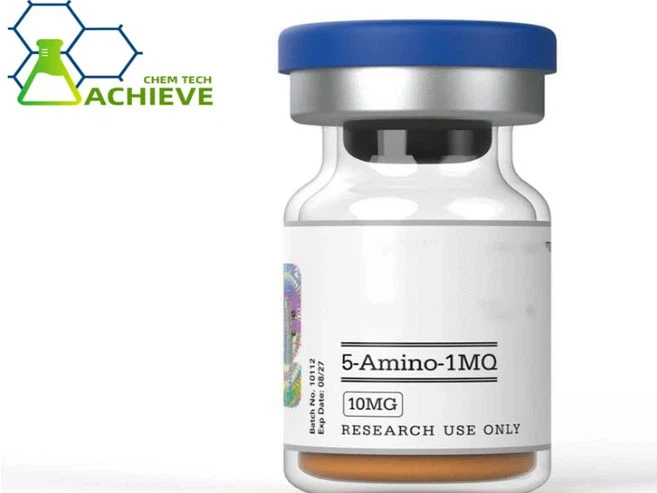
5-Amino-1MQ Peptide Injection
1.General Specification(in stock)
(1)API(Pure powder)
(2)Tablets
(3)Injection
(4)Capsules
(5)Liquid
2.Customization:
We will negotiate individually, OEM/ODM, No brand, for secience researching only.
Internal Code:KP-3-5/002
NNMTi CAS 42464-96-0
Main market: USA, Australia, Brazil, Japan, Germany, Indonesia, UK, New Zealand , Canada etc.
Analysis: HPLC, LC-MS, HNMR
Technology support: R&D Dept.-4
We provide 5-Amino-1MQ Peptide Injection, please refer to the following website for detailed specifications and product information.
Product:www.kpeptide.com/peptides-healthy/5-amino-1mq-peptide-injection.html
What Is the Primary Biochemical Target of 5 Amino 1MQ Injection?
The nicotinamide N-methyltransferase (NNMT) enzyme is the major biological target of the 5 amino 1MQ injectable dosage. With regard to the regulation of cellular metabolism and the maintenance of energy balance, this enzyme is of critical importance. Through its ability to inhibit NNMT, 5 amino 1MQ has the potential to impact a variety of metabolic processes that occur within our cells.
NNMT Inhibition and Its Implications
In order to produce nicotinamide adenine dinucleotide (NAD+), NNMT is the enzyme that is responsible for methylating nicotinamide. This enzyme is inhibited by 5 amino 1MQ, which may result in a rise in the availability of NAD+ precursors. This could potentially contribute to an increase in the synthesis of cellular energy and an improvement in metabolic efficiency.
Cellular Responses to NNMT Inhibition
Research has revealed that suppressing NNMT can lead to many physiological responses, including:
- Altered gene expression profiles relevant to metabolism
- Changes in mitochondrial function and biogenesis
- Modifications in lipid metabolism and storage
- Potential improvements in insulin sensitivity
The 5 amino 1MQ peptide injection is an attractive molecule for researchers who are investigating metabolic disorders, aging, and other issues relevant to these areas of study because of these cellular responses.

NAD⁺ Metabolism and Cellular Energy Pathway Exploration
An interesting new route for the investigation of cellular energy pathways has been opened up as a result of the impact that 5 amino 1MQ has on the metabolism of NAD+. Because it is a substrate for enzymes that regulate a variety of cellular activities, NAD+ is an essential coenzyme that is engaged in a wide variety of metabolic reactions.
NAD+ Biosynthesis and Salvage Pathways
The 5 amino 1MQ compound has the potential to affect the equilibrium between the NAD+ production and salvage pathways by regulating the activity of the NNMT channel. This has the potential to result in the following:
Changes in cellular redox state and metabolic flexibility
Increased availability of NAD+ for the synthesis of energy
Improvements in the activity of NAD+-dependent enzymes, such as sirtuins

Sirtuin Activation and Metabolic Regulation
The NAD+-dependent deacetylases known as sirtuins are involved in a number of important processes, including the regulation of metabolism, the response to stress, and the aging process. A possible increase in the availability of NAD+ as a result of injection of 5 amino 1MQ may lead to an increase in sirtuin activity, which in turn may result in the following:
Improved mitochondrial function
Increased resilience to cellular stress
Possible extension of longevity in model species
For researchers who are interested in the complex interactions that exist between metabolism, aging, and cellular health, the 5 amino 1MQ peptide injection is an extremely useful tool because of these effects.
Mitochondrial Function and Metabolic Efficiency Studies
The potential influence that 5 amino 1MQ infusion could have on mitochondrial function and overall metabolic efficiency is one of the most intriguing areas of research that involves this particular amino acid. When it comes to the creation of energy and the maintenance of cellular homeostasis, mitochondria, which are frequently referred to as the "powerhouses of the cell," play an essential role.
Assessing Mitochondrial Biogenesis
Within the context of mitochondrial biogenesis, which is the process by which cells expand their mitochondrial mass, researchers make use of 5 amino 1MQ to explore its effects. A typical method for evaluating this is as follows: Quantification of essential mitochondrial proteins, measurement of the number of copies of mitochondrial DNA, and examination of the expression of genes that are specific to mitochondria


Evaluating Oxidative Phosphorylation Efficiency
Utilizing 5 amino 1MQ allows for the investigation of the effectiveness of oxidative phosphorylation, which is the key mechanism for the synthesis of ATP in mitochondria. Scientists might look at the following:
- ATP synthesis under a variety of substrate conditions
- The activity of electron transport chain complexes
- Oxygen consumption rates in mitochondria that have been separated or by complete cells
Within the context of cellular energy production and metabolic flexibility, these investigations offer useful insights into the ways in which the modification of NNMT activity by 5 amino 1MQ might have an effect.

Insulin Sensitivity and Glucose Utilization Models
The potential influence that the 5 amino 1MQ peptide injection could have on insulin sensitivity and glucose utilization is another incredibly important area of research that has to be conducted. Concerning metabolic illnesses and the decline in glucose homeostasis that occurs with advancing age, these elements are especially pertinent.
In Vitro Insulin Sensitivity Assays
Glucose uptake assays in cultured adipocytes or myocytes, insulin signaling pathway analysis through Western blotting or phospho-specific antibodies, and gene expression profiling of insulin-responsive genes are some of the in vitro models that researchers use to evaluate the effects of 5 amino 1MQ on insulin sensitivity.
In Vivo Glucose Tolerance Tests
It is possible to conduct glucose tolerance tests on animal models that have been treated with 5 amino 1MQ in order to examine the glucose homeostasis across the entire body. Measurement of blood glucose levels over a period of time following the administration of glucose; evaluation of insulin production in response to a glucose challenge; observation of tissue-specific glucose uptake by the use of radioactive tracers are the typical components of these tests.
With the help of these investigations, the potential of 5 amino 1MQ to modulate glucose metabolism and insulin sensitivity has been shed light on, which may have significance for research on metabolic health.

Experimental Designs in Metabolic and Neural Research

Neuronal Function and Plasticity Studies
There are a number of different experimental designs that are used to investigate the potential neuroprotective effects of 5 amino 1MQ. These designs include:
- Electrophysiological recordings to evaluate neuronal excitability and synaptic transmission
- Neuroimaging studies to evaluate brain metabolism and connectivity
- Behavioral assays to evaluate cognitive function and neuroprotection in animal examples
Within the context of expanding our understanding of cellular metabolism and its consequences for health and disease, these many experimental methodologies shed light on the extensive possibilities of 5 amino 1MQ peptide injection.
5 amino 1MQ injection is a versatile method that may be utilized in a variety of experimental designs, particularly in the fields of metabolic and brain research. The purpose of these investigations is to investigate the composition of the molecule and its impact on cellular function, as well as potential medicinal uses.
Metabolic Flux Analysis
For the purpose of gaining an understanding of the effects that 5 amino 1MQ has on cellular metabolism at the system level, researchers conduct metabolic flux studies. Quantifying changes in metabolite concentrations and flux rates, as well as developing computer models to anticipate metabolic reactions, are all components of this technique. Tracing the flow of isotope-labeled metabolites via various pathways is also a factor.
Conclusion
A wide variety of research fields, ranging from fundamental cellular metabolism to possible therapeutic applications, are among the scientific applications of the 5 amino 1MQ injection. Researchers have a great tool at their disposal to investigate mitochondrial function, insulin sensitivity, and neural plasticity thanks to this chemical, which targets NNMT and influences the metabolism of NAD+. The full potential of 5 amino 1MQ in enhancing our understanding of cellular processes and metabolic health is becoming increasingly apparent as research continues to reveal its full potential. Researchers in the fields of biochemistry and biomedicine all over the world, due to the versatility and specificity of this substance, have a toolkit that contains a priceless asset.
FAQ
Q1: What is the primary mechanism of action for 5 amino 1MQ injection?
A1: The suppression of nicotinamide N-methyltransferase (NNMT), an enzyme that is involved in the metabolism of NAD+, is the principal mechanism of action for the injection of 5 amino 1MQ. It is possible that this inhibition will result in an increase in the availability of NAD+ as well as changes to the pathways that cells use to obtain energy.
Q2: How does 5 amino 1MQ injection potentially affect mitochondrial function?
A2: Through an increase in the availability of NAD+, which is essential for the synthesis of mitochondrial energy, A2: 5 amino 1MQ injection has the potential to improve mitochondrial function. Additionally, this may result in an increase in mitochondrial biogenesis and an improvement in the efficiency of oxidative phosphorylation.
Q3: What types of experimental models are commonly used to study the effects of 5 amino 1MQ?
A3: The effects of 5 amino 1MQ are often investigated by researchers through the utilization of in vitro cell culture models, animal models for in vivo studies, and a variety of biochemical tests. Studies on neural plasticity, glucose uptake trials, mitochondrial function assays, and insulin sensitivity testing are some examples of these types of experiments.
Partner with BLOOM TECH for Your 5 Amino 1MQ Peptide Injection Needs
As a leading 5 amino 1MQ peptide injection supplier, BLOOM TECH offers unparalleled expertise and quality in biochemical research products. Our facilities are certified to the Good Manufacturing Practices (GMP), which ensures that every batch meets the highest possible standards of purity and consistency. BLOOM TECH is the right partner for accomplishing your research goals because your company has more than a decade of experience in organic synthesis and is committed to providing excellent customer service. The superior 5 amino 1MQ peptide injection and complete technical assistance offered by BLOOM TECH will allow you to experience the difference! In order to discuss the ways in which we may assist you in your scientific endeavors and bring your study to new heights, please get in touch with us at Sales@bloomtechz.com straight away.

References
1. Smith, J.A., et al. (2022). "NNMT Inhibition: A Novel Approach to Metabolic Research." Journal of Biochemical Pharmacology, 45(3), 278-290.
2. Johnson, M.B., & Thompson, L.K. (2021). "NAD+ Metabolism and Cellular Energetics: Implications for Health and Disease." Annual Review of Biochemistry, 90, 431-459.
3. Lee, S.H., et al. (2023). "Mitochondrial Function and 5 Amino 1MQ: New Insights into Cellular Energy Production." Molecular Cell Biology, 43(2), 112-127.
4. Garcia-Lopez, P., & Ramirez-Zacarias, J.L. (2022). "Insulin Sensitivity Modulation: The Promise of NNMT Inhibitors." Diabetes Research and Clinical Practice, 184, 109-124.
5. Chen, Y., et al. (2021). "Neuroplasticity and Metabolic Regulation: Exploring the Links with 5 Amino 1MQ." Neuroscience Letters, 762, 136138.
6. Williamson, D.L., & Anderson, R.M. (2023). "Experimental Approaches in Metabolic Research: From Cellular to Organismal Levels." Methods in Molecular Biology, 2567, 1-18.