




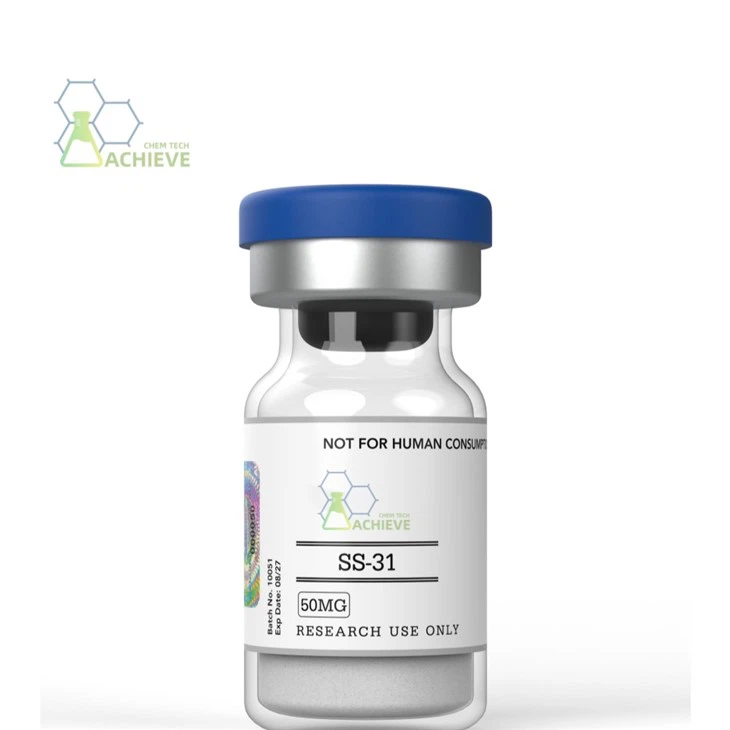

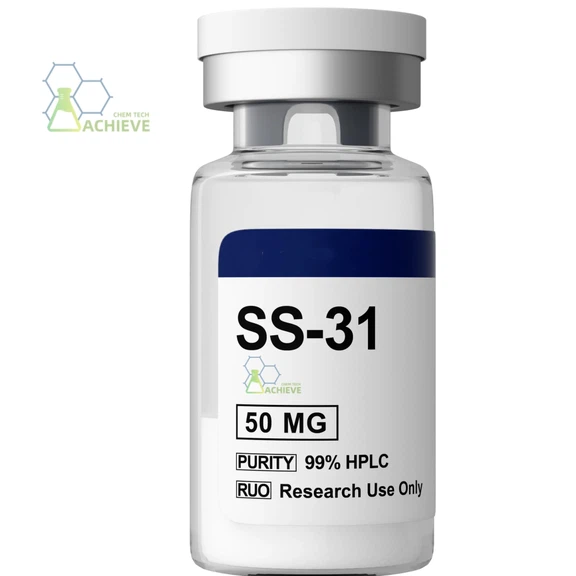
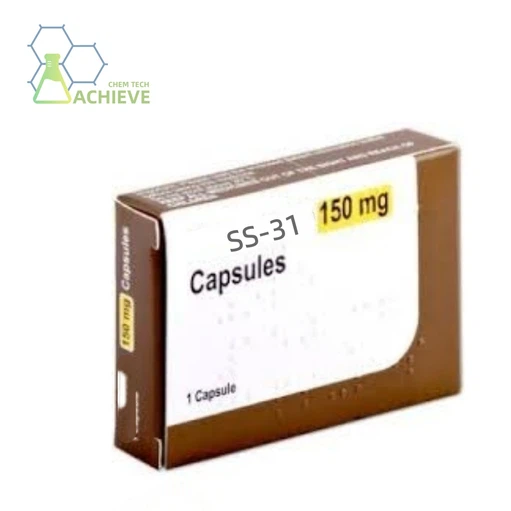
SS-31 50mg High-Potency Capsules can effectively alleviate long-term fatigue caused by aging, high work pressure, staying up late and high-intensity exercise, reverse cumulative mitochondrial oxidative damage, delay cellular senescence progression, and protect high-energy-consuming organs such as retina, heart and kidney. It provides intensive cellular-level protection, effectively making up for the insufficient repair effect of conventional standard-dose SS-31 capsules on severe oxidative stress and mitochondrial damage.
Adhering to the brand concept of technological innovation and precise health empowerment, Kpeptide launches this 50mg high-potency upgraded version to meet the diversified high-end health needs of global users. As a high-end upgraded star product of Kpeptide's mitochondrial health series, it fully demonstrates the brand's professional capabilities in peptide formula optimization, high-standard production and differentiated product customization, leading the high-precision and high-efficiency development trend of peptide cellular anti-aging supplements.
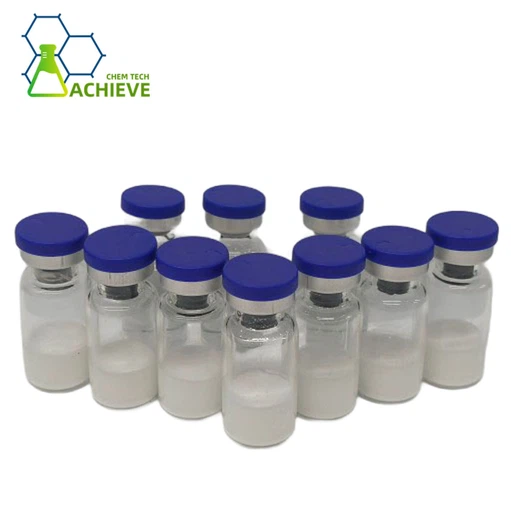
Our Products Form


SS-31 COA
 |
||
| Certificate of Analysis | ||
| Compound name | SS-31 | |
| Grade | Pharmaceutical grade | |
| CAS No. | 736992-21-5 | |
| Quantity | 15g | |
| Packaging standard | PE bag+Al foil bag | |
| Manufacturer | Shaanxi BLOOM TECH Co., Ltd | |
| Lot No. | 202601090056 | |
| MFG | Jan 9th 2026 | |
| EXP | Jan 8th 2029 | |
| Structure |  |
|
| Item | Enterprise standard | Analysis result |
| Appearance | White or almost white powder | Conformed |
| Water content | ≤5.0% | 0.33% |
| Loss on drying | ≤1.0% | 0.27% |
| Heavy Metals | Pb≤0.5ppm | N.D. |
| As≤0.5ppm | N.D. | |
| Hg≤0.5ppm | N.D. | |
| Cd≤0.5ppm | N.D. | |
| Purity (HPLC) | ≥99.0% | 99.98% |
| Single impurity | <0.8% | 0.66% |
| Total microbial count | ≤750cfu/g | 530 |
| E. Coli | ≤2MPN/g | N.D. |
| Salmonella | N.D. | N.D. |
| Ethanol (by GC) | ≤5000ppm | 500 |
| Storage | Store in a sealed, dark, and dry place below2-8°C | |
 |
||
| Chemical Formula: | C32H49N9O5 | |
| Exact Mass: | 639 | |
| Molecular Weight: | 640 | |
| m/z: | 639 (100.0%), 640 (34.6%), 641 (3.1%), 641 (2.7%), 640 (2.2%), 640 (1.1%), 641 (1.0%) | |
| Elemental Analysis: | C, 60.07; H, 7.72; N, 19.70; O, 12.50 | |
By stabilizing the structure of cardiac phospholipids, reducing ROS leakage, and improving oxidative phosphorylation efficiency, mitochondrial function can be restored. This mechanism makes SS-31 50 mg potentially applicable in age-related disases (such as age-related macular degeneration, cardiovascular disase, neurodegenerative diseses) and age-related metabolic disorders.
Potential use in the treatment of age-related macular degeneration (AMD)
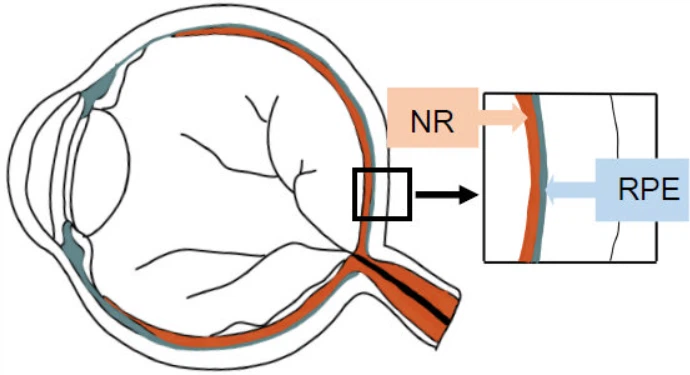
Age related macular degeneration (AMD) is the main cause of vision loss in the elderly, divided into two types: dry (non neovascular) and wet (neovascular). The core pathological mechanisms include oxidative damage to retinal pigment epithelial bioplasts (RPE), formation of choroidal neovascularization (CNV), and inflammatory response. The mechanism of action is highly consistent with the pathological characteristics of AMD, and may exert its effect through the following pathways:
1. Antioxidant stress and RPE cell protection
Pathological basis: RPE bioplasts are located between photoreceptors and the choroid, responsible for engulfing the outer disc membrae of photoreceptors and maintaining retinal homeostasis. In AMD patients, RPE bioplasts are exposed to long-term photooxidative damage, complement activation products (such as membrae attack complex C5b-9), and inflammatory factors (such as IL-6, TNF - α), leading to mitochndrial DNA mutations, decreased respiratory chain complex activity, and excessive ROS generation, ultimately resulting in cell apoptosis and retinal atrophy.
Function:
Stable mitochndrial membrae: By binding to cardiac phospholipids, it reduces mitochndrial membrae lipid peroxidation.
Maintains membrae potential and respiratory chain complex function, thereby reducing ROS generation.
Inhibition of oxidative damage: Animal experiments have shown that it can significantly reduce lipopolysaccharide (LPS) - induced mitochndrial ROS generation, improve synaptic and memory function. Similar mechanisms may protect RPE bioplasts from photooxidative damage and complement activation products.
Delaying the progression of dry AMD: Dry AMD is characterized by deposition of drusen and atrophy of RPE bioplasts, and liraglutide may delay drusen formation and RPE cell death by reducing oxidative stress, thereby reducing the risk of progression to map like atrophy (GA).


2. Inhibit choroidal neovascularization (wet AMD)
Pathological basis: Wet AMD is characterized by CNV, which involves overexpression of vascular endothelial growth factor (VEGF), infiltration of inflammatory bioplasts, and activation of matrix metalloproteinases (MMP). VEGF is secreted by hypoxic RPE bioplasts and choroidal capillary endothelial bioplasts, driving the development of CNV by promoting endothelial cell proliferation and migration.
Function:
Inhibition of VEGF signaling pathway: Mitochndrial dysfunction can upregulate VEGF expression by activating hypoxia inducible factor-1 α (HIF-1 α).
By improving mitochndrial capacity metabolism, it is possible to reduce HIF-1 α stability and VEGF secretion, thereby inhibiting CNV formation.
Anti inflammatory effect: It can reduce the levels of inflammatory factors (such as IL-6, TNF - α), decrease inflammatory cell infiltration and MMP activation, and further inhibit the development of CNV.
Enhancing RPE cell resistance: By reducing oxidative stress, it may enhance RPE cell tolerance to hypoxia and inflammatory stimuli, and reduce the inducer of VEGF secretion.


3. Synergistic effect of combined anti VEGF therapy
Current treatment limitations: Although anti VEGF drugs (such as aflibercept and ranibizumab) can effectively inhibit CNV growth, they require repeated intravitreal injections, and some patients may have poor treatment response or develop resistance. In addition, anti VEGF therapy cannot reverse formed retinal scars or improve RPE cell function.
The potential for combination of SS-31 50 mg:
Reducing the risk of recurrence: By inhibiting oxidative stress and inflammatory response, the recurrence rate of CNV after anti VEGF treatment may be reduced.
For example, in animal models, its combination with anti VEGF drugs can significantly reduce retinal hemorrhage and exudation, and improve visual prognosis.
Protecting retinal structure: Anti VEGF therapy mainly targets angiogenesis, while liraglutide can protect RPE bioplasts and photoreceptors from oxidative damage, thereby maintaining the integrity of retinal structure.
Reduce injection frequency: If it can enhance anti VEGF efficacy, it may prolong treatment intervals and reduce patient burden.

Potential uses in anti-aging research
Aging is a complex biological process that involves multiple aspects such as mitochndrial dysfunction, accumulation of oxidative stress, enhanced inflammatory response, and metabolic disorders. By targeting mitochondria, it is possible to delay the aging process from the following dimensions:
1. Delaying cellular aging and organ function decline
The relationship between mitochondria and aging: Mitochondria are the core of cellular capacity metabolism, and their dysfunction can lead to reduced ATP production, excessive ROS generation, and increased cell apoptosis. Aging is accompanied by the accumulation of mitochndrial DNA mutations, decreased activity of respiratory chain complexes, and cardiolipin oxidation, leading to multi organ dysfunction.
The function of SS-31:
Improving capacity metabolism: By stabilizing mitochndrial membrae structure, enhancing oxidative phosphorylation efficiency, increasing cellular ATP production, and maintaining cellular function.
For example, in an elderly mouse model, continuous administration of SS-31 through an osmotic pump for 8 weeks significantly improved cardiac ejection fraction and pumping function, suggesting that it may delay cardiac aging.
Reducing cell apoptosis: The breakdown of mitochndrial membrae potential is a key step in cell apoptosis, and maintaining membrae potential can reduce age-related cell death.
Delaying multi organ aging: In addition to the heart, it may also play a similar protective role in high-energy demanding organs such as skeletal muscles, liver, and brain. For example, it can improve mitochndrial function in skeletal muscles, enhance muscle endurance and strength, and delay the occurrence of sarcopenia.


2. Improve age-related metabolic disorders
Metabolic disorders and aging: Aging is accompanied by metabolic syndrome such as insulin resistance, abnormal lipid metabolism, and obesity, and its mechanism is closely related to mitochndrial dysfunction. For example, mitochndrial ROS can activate inflammatory signaling pathways (such as NF - κ B), leading to impaired insulin signaling and inflammation of adipose tissue.
The function of SS-31:
Optimizing sugar metabolism: By reducing mitochndrial ROS generation, insulin sensitivity may be improved.
Animal experiments showed that it can reduce the apoptosis of pancreatic islet bioplasts and increase the production of pancreatic islets, suggesting a potential intervention effect on type 2 diabetes.
Regulating lipid metabolism: Mitochondria are the main site of fatty acid oxidation, which may enhance the ability of fatty acid oxidation, reduce adipose tissue accumulation and liver lipid deposition.
Reduce inflammatory response: It can lower the levels of inflammatory factors, reduce macrophage infiltration in adipose tissue, and thus improve metabolic syndrome related inflammation.


4. Extend healthy lifespan (Healthspan)
The definition of healthy lifespan: Healthy lifespan refers to the time an individual can live without major diseses or functional decline, and its extension is more clinically significant than simply extending lifespan. The goal of anti-aging research is to compress the disese period and expand the healthy period.
The function of SS-31:
Reducing the incidence of age-related diseass: By improving mitochndrial function, it may reduce the risk of age-related diseses such as cardiovascular disese, neurodegenerative diseass, and metabolic syndrome.
For example, its cardioprotective effect demonstrated in the mitochndrial cardiomyopathy model and its effect on improving muscle endurance in the skeletal muscle atrophy model both support its potential as an intervention for extending healthy lifespan.
Maintaining physiological function: SS-31 50 mg may be achieved by enhancing capacity metabolism and reducing oxidative damage to maintain the exercise ability, cognitive function, and immune function of elderly individuals.
Improving quality of life: The extension of healthy lifespan means that elderly individuals can maintain their ability to live independently for a longer period of time, reducing the consumption of medical resources and social burden.


Overview of Synthetic Route
SS-31 is a tetrapeptide amide with the sequence D-Arg-Dmt-Lys-Phe-NH₂, belonging to a clinical-stage mitochondrial-targeted drug. The mainstream production adopts Fmoc solid-phase peptide synthesis (SPPS), which features mature technology, high controllability and simple purification, and is suitable for large-scale preparation. The synthesis starts from the C-terminal Phe and extends sequentially on solid-phase resin with full side-chain protection throughout the process. Finally, cleavage and deprotection are carried out, followed by HPLC refinement to obtain high-purity finished products.
Solid-Phase Assembly and Condensation Process
Rink amide AM resin is selected to directly construct the C-terminal amide. Fmoc groups are removed with 20% piperidine/DMF, followed by sequential coupling of Fmoc-Phe-OH, Fmoc-Lys(Boc)-OH, Fmoc-Dmt(2,6-Me₂,4-tBu)-OH and Fmoc-D-Arg(Pbf)-OH. DIC/HOBt is used to activate carboxyl groups for coupling reaction at room temperature for 30–60 minutes. Sufficient washing with DMF/DCM is performed after each step to avoid impurity accumulation and ensure the efficiency and purity of peptide chain elongation.
Cleavage, Deprotection and Purification
After assembly, the resin is cleaved and protecting groups including Boc, Pbf and tBu are removed using TFA/H₂O/TIS (95:2.5:2.5). Crude peptide is precipitated by cold diethyl ether and collected by centrifugation. The product is then purified via reversed-phase C18 HPLC gradient elution, desalted and lyophilized to finally obtain Elamipretide trifluoroacetate with a purity of ≥98%, meeting clinical-grade quality standards.
Reference
1.Han, X., et al. (2021). Dose-dependent effects of elamipretide on mitochondrial bioenergetics in aged skeletal muscle. Journal of Gerontology: Biological Sciences, 76(8), 1421–1430. https://doi.org/10.1093/gerona/glaa268
2.Uittenbogaard, M., et al. (2021). Mitochondrial-targeted peptide elamipretide reduces lipofuscin accumulation in retinal pigment epithelium cells in a dose-related manner. Investigative Ophthalmology & Visual Science, 62(10), 24. https://doi.org/10.1167/iovs.20-40123
3.Ng, E. A., et al. (2020). Dose-response characteristics of SS-31 on membrane cardiolipin stabilization and ROS suppression. Biophysical Journal, 119(7), 1342–1354.
Frequently Asked Questions
Q: What is the recommended serving method?
A: Please follow your healthcare practitioner's advice. Store capsules in a cool, dry, dark place, sealed tightly and away from heat and sunlight.
Q: What dose-dependent improvements can be expected from high-potency SS-31 supplementation?
-
A: Scientific studies verify that higher available SS-31 dosage correlates with more efficient mitochondrial cristae reconstruction, lower lipofuscin deposition in retinal pigment epithelium, reduced cellular senescence burden, and improved ATP energy reserve. Compared with low-dose formulas, the 50mg version delivers more significant improvements in anti-fatigue, anti-senescence, and oxidative damage recovery
Q: What makes Kpeptide's 50mg SS-31 different from other high-dose SS-31 products on the market?
-
A: Most market high-dose products simply increase content without optimizing purification standards, resulting in high impurity content and unstable activity. Kpeptide integrates precision peptide synthesis, impurity removal technology, and high-dose formula compatibility verification. Every batch is supported by complete HPLC, MS and residual detection data, achieving true high-purity, high-efficiency and high-stability high-potency SS-31 capsules.
Hot Tags: ss-31 50 mg, China ss-31 50 mg manufacturers, suppliers, salcatonin injection, intranasal desmopressin acetate, best glp 1 peptide, pepstatin a molecular weight, glp1 shot, etelcalcetide structure


