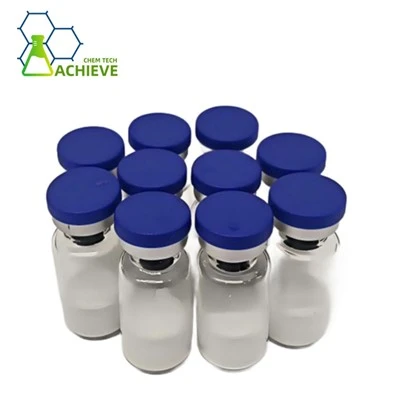
In the search for metabolic modulators, 5 amino 1mq peptide (5-amino-1MQ) has gained attention as an NNMT inhibitor affecting NAD+ biosynthesis, methylation, and cellular bioenergetics. NNMT methylates nicotinamide, consuming SAM and producing SAH. Inhibiting this enzyme may alter downstream biochemical processes, making it relevant for metabolic health research. Pharmaceutical and biotechnology groups are investigating whether this compound represents advanced NNMT inhibition technology, as targeting this pathway offers potential approaches to metabolic dysfunction through cellular energy regulation and methylation balance.

1.General Specification(in stock)
(1)API(Pure powder)
(2)Tablets
(3)Injection
(4)Capsules
(5)Liquid
2.Customization:
We will negotiate individually, OEM/ODM, No brand, for secience researching only.
Internal Code:KP-3-5/002
NNMTi CAS 42464-96-0
Molecular formula: C10H11N2.I
HS code: N/A
Molecular weight: 286.11
EINECS number: 464-196-0
Main market: USA, Australia, Brazil, Japan, Germany, Indonesia, UK, New Zealand , Canada etc.
Analysis: HPLC, LC-MS, HNMR
Technology support: R&D Dept.-4
We provide 5-Amino-1MQ Peptide Injection, please refer to the following website for detailed specifications and product information.
Product:https://www.kpeptide.com/peptides-healthy/5-amino-1mq-peptide-injection.html

Why 5 Amino 1MQ Peptide Is Considered a Core Breakthrough in NNMT Inhibition Science?
The Mechanism Behind NNMT Targeting
+
-
NNMT expression varies across tissues, with highest levels in adipose tissue, liver, and skeletal muscle. Elevated NNMT activity links to metabolic instability, reduced NAD+ availability, and altered methylation capacity. 5-amino-1MQ peptide acts as a competitive inhibitor, binding the NNMT active site to block substrate access. This selective approach enables investigation of reduced NNMT activity without broadly affecting other methylation processes. Molecular structure enables precise binding pocket association, minimizing off-target effects crucial for clean experimental results in preclinical studies.
Reproducibility and Research Validation
+
-
Reproducible results across laboratories require consistent compound performance. Studies using 5-amino-1MQ peptide demonstrate reliable NNMT inhibition across multiple in vitro models, supported by chemical stability and well-characterized biological profiles. Research groups studying metabolic processes value compounds offering predictable results. Standardized testing methods can be applied because synthesis processes and analytical protocols are well established. This facilitates collaborative research across institutions and accelerates discovery timelines. Biotechnology companies developing metabolic therapeutics use this compound as a reference standard for evaluating novel candidates.
Accessibility for Diverse Research Applications
+
-
The molecule is useful for a wide range of research projects, from basic biochemistry studies to more advanced drug creation efforts. This inhibitor is useful for molecular studies in academic labs that study NAD+ biology, methylation biochemistry, or mitochondrial function. Contract development and production companies that work with pharmaceutical clients need to be able to get research-grade materials that are safe and meet strict quality standards.

How 5 Amino 1MQ Peptide Redefines Metabolic Pathway Targeting at the Cellular Level?

Cellular NAD+ Dynamics and Methylation Balance
NNMT activity affects both NAD+ availability and cellular methylation capacity. Using SAM as methyl donor and nicotinamide as NAD+ precursor, NNMT can influence hundreds of downstream processes dependent on these cofactors. Researchers using 5 amino 1mq peptide (5-amino-1MQ) observe changes in these fundamental metabolic parameters. Nicotinamide otherwise methylated remains available for NAD+ synthesis via salvage pathway. Preserved SAM levels support methylation processes needed for epigenetic regulation, neurotransmitter synthesis, and membrane lipid production. These linked effects make NNMT targeting a multi-faceted intervention point.
Tissue-Specific Metabolic Effects
Tissues express NNMT at different levels, potentially responding differently to inhibition. Adipose tissue, with high NNMT expression, has been a primary research focus. NNMT inhibition studies in adipocytes demonstrate altered lipid handling, energy expenditure parameters, and inflammatory signaling patterns. Liver tissue, another NNMT-rich organ, serves as metabolic hub. Hepatic models using 5-amino-1MQ peptide investigate effects on glucose metabolism, lipid synthesis, and cellular energy status. Muscle tissue metabolism research examines mitochondrial function, substrate utilization patterns, and respiration parameters following inhibitor treatment.


Integration with Broader Metabolic Research
Modern metabolic research increasingly recognizes interconnected cellular energy processes. 5-amino-1MQ peptide fits this framework, enabling investigation of links between methylation biochemistry, NAD+ biology, and mitochondrial function. This systems-level perspective benefits pharmaceutical developers designing next-generation metabolic interventions. Biotech companies conducting multi-omics studies use NNMT inhibitors to perturb metabolic networks in controlled ways. Resulting data reveal downstream effects across multiple biological pathways, identifying potential biomarkers and molecular signatures. This comprehensive approach accelerates translation from basic research toward therapeutic applications.
The Unique Role of 5 Amino 1MQ Peptide in Advancing Energy and NAD+ Regulation Research
NAD+ has emerged as crucial molecule in aging and metabolic health research, supporting energy production, DNA repair, and cellular signaling. NNMT activity may limit NAD+ availability by diverting nicotinamide from recycling pathways. Researchers using 5-amino-1MQ peptide investigate whether reducing this metabolic drain enhances cellular NAD+ pools. Post-inhibition NAD+ level studies provide information about salvage pathway function and regulation, identifying bottlenecks limiting NAD+ biosynthesis. Pharmaceutical developers interested in NAD+ biology use these mechanistic insights to develop complementary or alternative intervention strategies.

Mitochondrial Function and Cellular Bioenergetics

Mitochondria require adequate NAD+ for electron transport chain function and ATP production. Researchers use cellular models to examine mitochondrial parameters during NNMT inhibition, assessing whether enhanced NAD+ availability improves mitochondrial function. Oxygen consumption, ATP production, and membrane potential measurements provide practical bioenergetic cell health assessment. These studies extend beyond parameter measurement to homeostatic adaptation. Cells may alter metabolic flux through different pathways when NAD+ availability changes. 5-amino-1MQ peptide serves as perturbation tool to identify compensatory mechanisms and regulatory nodes.

Why 5 Amino 1MQ Peptide Remains the Benchmark Compound in NNMT-Focused Studies?
Scientific rigor demands thorough compound characterization before meaningful biological interpretation. This peptide has undergone extensive analytical validation using HPLC, MS, and NMR techniques, providing comprehensive structural and purity data. Researchers can attribute observed biological effects to NNMT inhibition rather than impurities or degradation products. Pharmaceutical companies conducting preclinical studies require this analytical thoroughness to meet regulatory expectations. Standardized characterization protocols facilitate batch-to-batch quality verification and consistency, supporting structure-activity relationship studies.
Moving substances from being synthesized on a small scale in the lab to being made in bigger quantities is very difficult. Multiple attempts have been made to improve the synthetic routes for making the 5 amino 1mq peptide, which now allows for efficient large-scale production. Pharmaceutical firms that are doing large developmental studies that need a lot of material need this scalability in order to do their studies. The compound's production methods have been improved to guarantee consistency from batch to batch, which is a key factor for long-term study projects.
Biotechnology companies that are working on long-term projects need to know that the qualities of the materials will stay the same from one production batch to the next. This uniformity comes from well-established rules for making things. Contract development and production companies that work with pharmaceutical clients need sources that can meet strict quality standards and keep their supply chains running smoothly. The level of industrial development for the compound lets providers regularly meet these high standards.
Pharmaceutical research and development operates within stringent regulatory frameworks requiring comprehensive documentation. Research materials used in preclinical studies must be accompanied by complete analytical reports, synthesis descriptions, and stability data. 5-amino-1MQ peptide suppliers have developed documentation packages meeting these requirements. This regulatory infrastructure facilitates translation of research findings toward potential therapeutic applications. Pharmaceutical companies benefit from working with compounds having robust supporting documentation, simplifying regulatory submissions. Established documentation standards for this compound streamline preclinical research workflows.

How 5 Amino 1MQ Peptide Continues to Shape the Direction of Metabolic Optimization Research?
Emerging Research Applications
+
-
As study into metabolism changes, NNMT inhibitors keep finding new uses. Researchers looking for links between methylation state and epigenetic control use the compound to change the ability to methylate in the lab. These studies show how changes in methylation affect how genes are expressed and how cells look. More and more research that looks at how metabolism and inflammation are connected sees NNMT as a possible control point. Researchers using a 5 amino 1mq peptide are looking into how blocking NNMT affects metabolic pathways that control inflammation signals. These studies show us new ways to look into how metabolic and inflammation processes interact with each other. NNMT suppression is also getting a lot of attention in the field of aging study. The substance is used in studies that look at how NNMT expression and activity change with age to see if changing this enzyme can slow down the metabolic decline that comes with getting older. These experimental studies could lead to the discovery of new ways to help people's metabolisms work well throughout their lives.
Combination Approaches and Synergistic Strategies
+
-
Combination methods that target multiple pathways at the same time are being looked into more and more in modern pharmaceutical research. Researchers who look at NNMT reduction along with other metabolic treatments look at how they might work together to get better results. Researchers are testing whether multi-targeted methods are better than single-agent techniques by mixing the peptide with NAD+ precursors, sirtuin activators, or mitochondrial nutrients. To tell the difference between additive and synergistic effects in these mix studies, the experiments need to be carefully planned. Researchers doing these studies like well-defined individual parts that make it easy to understand the effects of the combinations they find. The well-known profile of the peptide makes it ideal for these complicated testing setups. When coming up with new ways to do things, biotechnology businesses that make metabolic health goods may look at what academic combination studies have to say. Knowing how various metabolic treatments work together affects product development strategies and puts companies in a position to create unique products.
Translation Toward Applied Contexts
+
-
The main goal of pharmaceutical research is to turn mechanistic findings into useful uses. Preclinical studies with the 5 amino 1mq peptide give us information that helps us decide how to move forward with clinical research. When pharmaceutical firms decide whether to move NNMT inhibition methods to human studies, they look at these preclinical results. To move forward with translation attempts, a lot of safety analysis, pharmacokinetic characterization, and mechanism validation studies need to be done. The compound is used by the research groups doing these studies as both a research tool and a possible treatment option. The large amount of preliminary data that is available speeds up these translation attempts by giving regulators something to talk about. As programs move forward, contract development and manufacturing companies that help with translation must get ready for stricter quality and paperwork standards. Setting up strong systems for manufacturing and quality control early on in the development process makes it easier to meet legal goals.
Conclusion
The field of NNMT suppression study is changing quickly because more people are realizing how important this enzyme is for metabolism. It's hard to say for sure which substance is "the best" without taking into account the specifics of the study and use case. However, 5 amino 1mq peptide has clearly become an important tool in this field. Its well-known mechanism, results that can be repeated, and wide acceptance in many research situations make it a standard compound for studies that focus on NNMT. When planning metabolic studies, reviewing therapeutic strategies, or doing mechanistic investigations, researchers, pharmaceutical makers, and biotechnology companies can use the compound's well-known profile to their advantage. Researchers are still finding out more about NNMT biology and how it affects metabolic health as they keep using this inhibitor in their studies. As study into metabolism moves toward more complex systems-level methods, tools that allow exact pathway modulation become more useful. The peptide we're talking about here is an example of a well-known, dependable research tool that speeds up scientific progress and makes it easier to apply molecular insights to possible treatment uses.
FAQ
1. What makes 5 amino 1mq peptide particularly valuable for NNMT research compared to other potential inhibitors?
+
-
Researchers need qualities like selectivity, repeatability, and well-known features for mechanistic studies, and this compound has all of them. Its unique binding to the NNMT active site reduces effects that aren't supposed to happen, which makes it easier to understand the results of experiments. Also, standard analysis methods and synthesis processes make sure that each batch is the same across different production runs. This is very important for long-term research programs that need conditions that can be repeated.
2. How does NNMT inhibition potentially influence cellular NAD+ levels through the salvage pathway?
+
-
NNMT helps nicotinamide become methylated, which takes it out of the cellular nicotinamide pool. Nicotinamide phosphoribosyltransferase (NAMPT), an enzyme in the rescue pathway, would normally be able to change this nicotinamide back into NAD+. By stopping NNMT, more nicotinamide is left over to be recycled into NAD+, which could help improve the balance of NAD+. A lot of study has been done on this method because NAD+ is so important for making energy in cells and for sending signals.
3. What quality standards should researchers expect when sourcing research-grade NNMT inhibitors for pharmaceutical development?
+
-
Materials used in pharmaceutical research must meet strict purity standards, usually ≥98% by HPLC, and come with full analytical profile data that includes mass spectrometry and NMR data. Suppliers should give thorough records of analysis, data on stability, and paperwork that shows how to handle and store the goods properly. For studies that are meant to support regulatory reports, materials should be made using quality systems that are in line with GMP principles. This includes research-grade supplies. This is to make sure that the strict paperwork and batch tracking that regulatory agencies expect is done.

Partner With a Trusted 5 Amino 1MQ Peptide Supplier for Your Research and Development Needs
BLOOM TECH is ready to help your metabolic research projects by providing you with high-quality research materials and full analytical data. Our GMP-certified factories and quality control measures make sure that each batch meets the standards for cleanliness and stability that pharmaceutical companies, biotechnology companies, and research institutions need. We know how hard it is to make new medicines because we've been doing organic synthesis and fine chemical production for more than 12 years. To help your preclinical research programs, our team gives you full scientific support, including HPLC, MS, and NMR data, as well as stability information and regulation paperwork. Our skilled customer service team and flexible supply chain make sure you can always get the materials you need, whether you need research-grade amounts for early studies or large-scale production for many preliminary studies.
Get in touch with our technical experts to talk about your unique needs for 5-amino-1-mq peptide or other compounds used in metabolic studies. Companies in the pharmaceutical, contract manufacturing, research, and biotechnology industries that need a reliable 5 amino 1mq peptide provider that is dedicated to quality, openness, and scientific excellence are welcome to contact us. Email us at Sales@bloomtechz.com right now to find out how BLOOM TECH can speed up your metabolic research projects by providing you with reliable compounds and technical help.
References
1. Kraus D, Yang Q, Kong D, et al. Nicotinamide N-methyltransferase knockdown protects against diet-induced obesity. Nature. 2014;508(7495):258-262.
2. Ulanovskaya OA, Zuhl AM, Cravatt BF. NNMT promotes epigenetic remodeling in cancer by creating a metabolic methylation sink. Nature Chemical Biology. 2013;9(5):300-306.
3. Hong S, Moreno-Navarrete JM, Wei X, et al. Nicotinamide N-methyltransferase regulates hepatic nutrient metabolism through Sirt1 protein stabilization. Nature Medicine. 2015;21(8):887-894.
4. Komatsu M, Kanda T, Urai H, et al. NNMT activation can contribute to the development of fatty liver disease by modulating the NAD+ metabolism. Scientific Reports. 2018;8(1):8637.
5. Roberti A, Fernández AF, Fraga MF. Nicotinamide N-methyltransferase: At the crossroads between cellular metabolism and epigenetic regulation. Molecular Metabolism. 2021;45:101165.
6. Campagna R, Vignini A. NAD+ homeostasis and NAD+-consuming enzymes: implications for vascular health. Antioxidants. 2023;12(2):376.