




SS-31 capsules is a premium mitochondrial health supplement independently developed by Kpeptide, biomedical innovation and high-standard nutritional manufacturing. Backed by the brand's robust R&D capabilities, mature industrial production chain and strict global quality control systems, this product delivers pure, safe, and high-bioavailability cellular nutrition, fully demonstrating Kpeptide's leading strength in the peptide health industry.
Formulated with high-purity SS-31 tetrapeptide as the core ingredient, the product features exclusive mitochondrial-targeting technology. Unlike common antioxidants, SS-31 precisely targets and accumulates in mitochondria, stabilizes mitochondrial membrane structure, eliminates excessive, reduces oxidative stress, and repairs impaired mitochondrial function at the cellular level. It effectively boosts ATP energy production, improves cell metabolism, alleviates physical fatigue and sub-health conditions, and slows down cellular aging.
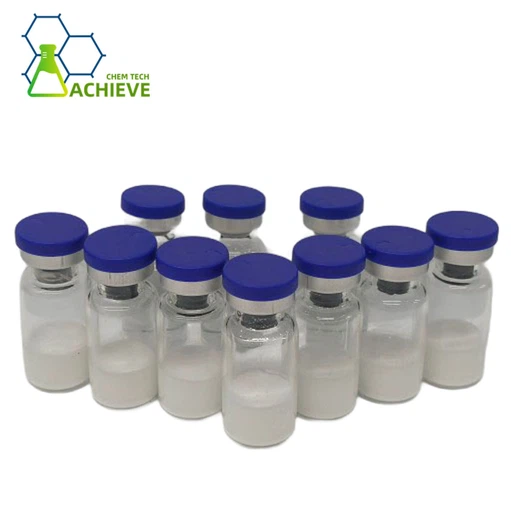
Our Products Form




SS-31 COA

| Certificate of Analysis | ||
| Compound name | SS-31 | |
| Grade | Pharmaceutical grade | |
| CAS No. | 736992-21-5 | |
| Quantity | 15g | |
| Packaging standard | PE bag+Al foil bag | |
| Manufacturer | Shaanxi BLOOM TECH Co., Ltd | |
| Lot No. | 202601090056 | |
| MFG | Jan 9th 2026 | |
| EXP | Jan 8th 2029 | |
| Structure |
|
|
| Item | Enterprise standard | Analysis result |
| Appearance | White or almost white powder | Conformed |
| Water content | ≤5.0% | 0.33% |
| Loss on drying | ≤1.0% | 0.27% |
| Heavy Metals | Pb≤0.5ppm | N.D. |
| As≤0.5ppm | N.D. | |
| Hg≤0.5ppm | N.D. | |
| Cd≤0.5ppm | N.D. | |
| Purity (HPLC) | ≥99.0% | 99.98% |
| Single impurity | <0.8% | 0.66% |
| Total microbial count | ≤750cfu/g | 530 |
| E. Coli | ≤2MPN/g | N.D. |
| Salmonella | N.D. | N.D. |
| Ethanol (by GC) | ≤5000ppm | 500 |
| Storage | Store in a sealed, dark, and dry place below2-8°C | |
|
|
||
|
|
||

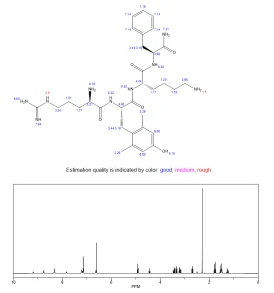

| Chemical Formula: | C32H49N9O5 | |
| Exact Mass: | 639 | |
| Molecular Weight: | 640 | |
| m/z: | 639 (100.0%), 640 (34.6%), 641 (3.1%), 641 (2.7%), 640 (2.2%), 640 (1.1%), 641 (1.0%) | |
| Elemental Analysis: | C, 60.07; H, 7.72; N, 19.70; O, 12.50 | |
SS-31 capsules, as a mitochondrial targeting peptide, has demonstrated unique advantages in the treatment of neurodegenerative and kidney diseaes. It provides new therapeutic strategies for diseaes such as AD, PD, AKI, CKD by stabilizing mitochondric function, inhibiting oxidative stress and cell apoptosis, and regulating immune responses.
Differences Between SS-31 Capsules and Common Antioxidant & Peptide Supplements

Most regular antioxidant supplements, such as vitamin C, vitamin E, coenzyme Q10, and resveratrol, exert antioxidation effects in a non-targeted manner across the whole cell. They scavenge free radicals broadly but cannot precisely locate mitochondria - the main source of intracellular reactive oxygen species. Once oxidative stress occurs inside mitochondria, ordinary antioxidants struggle to penetrate the inner mitochondrial membrane and protect cardiolipin. Their protective effect is superficial and limited.
Many peptide products on the market are also limited by poor targeting or low bioavailability. A large number of oral peptide supplements are degraded by gastrointestinal proteases before reaching target cells, losing biological activity. Some mitochondrial ingredients only boost energy metabolism indirectly without repairing damaged mitochondrial membrane structure. Kpeptide SS-31 capsules are distinct from those conventional products for the following core advantages:
Controlled high purity and stable peptide activity
As a professional peptide manufacturer, Kpeptide applies Fmoc solid-phase peptide synthesis and multi-stage HPLC purification for SS-31 raw materials. Each batch is verified by HPLC and mass spectrometry to guarantee high purity. Strict low-moisture production and light-moisture barrier packaging effectively prevent peptide degradation, ensuring consistent bioactivity in finished capsules. Many competitors use crude peptide powder with truncated impurity fragments, which compromises safety and efficacy stability.
Solid preclinical and clinical research foundation
SS-31 has abundant published preclinical data and phase 2 clinical trial evidence for organ protection, including ischemia-reperfusion injury mitigation and dry AMD progression slowing. Most generic antioxidant supplements lack such targeted mitochondrial research support.
Full-chain quality traceability
Kpeptide provides complete batch documents including COA, test reports and production records. We implement full-process quality control aligned with GMP standards from raw material synthesis,

formulation, filling to finished packaging. This full traceability system is hard to achieve for small suppliers who only purchase ready-made peptide powder for simple capsule blending.
The use in the treatment of kidney diseaes

The protective effect of acute kidney injury (AKI)
By stabilizing the mitochondrial function of renal tubular cells, AKI induced by ischemia reperfusion (I/R) or drugs such as cisplatin can be alleviated. In the I/R renal injury model, pretreatment can reduce apoptosis of renal tubular cells, lower levels of serum creatinine (Scr) and urea nitrogen (BUN), and promote renal function recovery.
Mechanism of action: Antioxidant stress: reduces ROS generation, inhibits lipid peroxidation, and protects the integrity of renal tubular cell membrane. Inhibiting cell apoptosis: By stabilizing mitochondrial membrane potential. Blocking cytochrome c release and caspase-3 activation, reducing renal tubular cell death. Improving microcirculation: enhancing the density of capillaries around renal tubules, promoting oxygen and nutrient supply, and accelerating tissue repair.
Experimental data: In the rat I/R renal injury model, the Scr level in the treatment group decreased by 50% compared to the control group,
and the renal tubular necrosis score improved by 60%. In the cisplatin induced AKI model, the apoptosis rate of renal tubular cells can be reduced by 70%, and the BUN level can be reduced by 40%.
Delayed progression of chronic kidney diseae (CKD)
Kpeptide SS-31 capsules Delaying CKD progression by improving glomerular and tubulointerstitial mitochondrial function. In the model of diabetes nephropathy (DN), it can reduce glomerulosclerosis and tubulointerstitial fibrosis, reduce proteinuria and protect residual renal function. Mechanism of action:
Inhibiting glomerulosclerosis: By stabilizing the mitochondrial function of podocytes, reducing podocyte damage and shedding, and maintaining the integrity of the glomerular filtration barrier. Anti fibrosis: Inhibit the TGF - β 1/Smad signaling pathway, reduce the activation of renal tubular interstitial fibroblasts, and decrease collagen deposition. Improving metabolic disorders: enhancing renal tissue insulin sensitivity, correcting mitochondrial dysfunction induced by hyperglycemia, reducing oxidative stress and inflammatory response. Experimental data:


In the DN model induced by streptozotocin (STZ), the urinary protein/creatinine ratio (UPCR) of the treatment group decreased by 50% compared to the control group, and the glomerular sclerosis index improved by 60%. In the 5/6 nephrectomy CKD model, it can delay the rate of Scr elevation and prolong survival by 30%.
Protective effects after kidney transplantation
By reducing ischemia-reperfusion injury (IRI) and immune rejection after kidney transplantation, the survival rate of transplanted kidneys can be improved. In kidney transplantation models, it can reduce apoptosis of transplanted kidney cells, lower the incidence of acute rejection, and promote early recovery of kidney fnction.
Mechanism of action: Inhibition of IRI: By stabilizing mitochondrial function, reducing ROS generation and inflammatory cytokine release, and alleviating cold ischemia and reperfusion injury in transplanted kidneys. Regulating immune response: Inhibiting T cell activation, reducing the secretion of pro-inflammatory factors such as IL-2 and IFN - γ, and reducing the risk of acute rejection. Promote angiogenesis: enhane the microvascular density of transplanted kidneys,
improve blood perfusion, accelerate tissue repair and functional recovery. Experimental data: In the rat kidney transplantation model, the survival rate of transplanted kidneys in the treatment group increased by 40% compared to the control group, and the incidence of acute rejection decreased by 50%.
In preclinical studies, SS-31 capsules can reduce the amplitude of Scr elevation after kidney transplantation and shorten the duration of oliguria.
global logistics and shipping services
Kpeptide SS-31 capsules provides standardized, secure and efficient global logistics and shipping services for SS-31 Capsules, ensuring stable product quality and intact delivery experience for every order. We adopt professional pharmaceutical-grade packaging solutions with moisture-proof, light-proof, shockproof and temperature-control protection, which effectively avoid damage, leakage and quality deterioration during long-distance transportation, fully adapting to the storage and shipping requirements of peptide health products.
Supported by mature global supply chain resources, we offer flexible shipping methods including sea freight, air freight, express delivery and dedicated logistics channels, covering mainstream countries and regions worldwide. All shipments undergo strict customs declaration, inspection and quarantine procedures with complete and compliant documentation, ensuring smooth and fast customs clearance and on-time delivery.
We implement full-process logistics tracking and quality supervision. From warehouse stocking, packaging, shipment to final delivery, every link is strictly managed to guarantee order traceability, transportation safety and stability. Kpeptide adheres to rigorous logistics service standards to deliver high-quality SS-31 Capsules to global customers safely, efficiently and reliably.

Manufacturing Process of SS-31 Capsules
Kpeptide adopts standardized, full-chain peptide manufacturing technology for SS-31 raw material production and capsule formulation, with strict quality control at every production stage to guarantee peptide purity, bioactivity and batch consistency.
Solid-phase Peptide Synthesis (SPPS) for SS-31 Raw Material
The synthesis of SS-31 tetrapeptide starts from Fmoc-based solid-phase peptide synthesis. Selected amino acid monomers with protected side chains are sequentially coupled onto the resin carrier under controlled temperature and pH conditions. Each coupling cycle includes amino acid activation, amide bond formation, deprotection and washing steps. After assembling the full SS-31 peptide sequence, the crude peptide is cleaved from the resin, and side-chain protecting groups are removed simultaneously. The crude peptide solution is collected and concentrated.
Multi-step Purification and Desalination
The crude SS-31 peptide undergoes multi-stage purification via high-performance liquid chromatography (HPLC). Impurities such as truncated peptide fragments, deletion sequences and residual protecting groups are separated and removed. Subsequent desalting and lyophilization are performed to obtain high-purity SS-31 white powder. Each batch is tested by HPLC and mass spectrometry (MS) to verify molecular weight and purity, and a COA is issued upon passing inspection.
Raw Material Screening and Pre-formulation
Qualified lyophilized SS-31 powder is screened and weighed in a low-humidity clean workshop. Auxiliary excipients are selected and pre-tested for compatibility with the peptide, to avoid interactions that may degrade SS-31 capsules activity. Raw material mixing is carried out under controlled temperature and moisture environments to prevent peptide hydrolysis and oxidation.
Capsule Filling and Encapsulation
The homogeneous powder blend is transferred to automatic capsule-filling equipment. Precise weight control is implemented for each capsule to ensure consistent SS-31 content per unit.

Hard gelatin or vegetarian capsules can be selected according to customer requirements. Filled capsules are visually inspected to reject cracked, dented or improperly filled products.
Packaging and Quality Release
Qualified capsules are packed into bottles or blister packs with light-proof and moisture-resistant packaging materials.
Desiccants are added as needed to stabilize peptide activity during storage. Finished products go through final quality inspection including content assay, microbial test, heavy metal detection and stability check. Only products passing all tests are approved for release and shipment.
Full-process Quality Assurance
Kpeptide implements GMP-aligned production management. All production records, test data and batch documents are retained for traceability. Independent laboratory testing is available for every batch, ensuring the stability, safety and repeatability of Kpeptide SS-31 Capsules.
Reference
1.Szeto, H. H. (2014). SS-31 and the cardiolipin interface: a new paradigm for mitochondrial medicine. Antioxidants & Redox Signaling, 20(12), 1927–1944.
2.Mitchell, L. A., et al. (2019). Mitochondrial-targeted peptide SS-31 (elamipretide) reduces oxidative stress and improves mitochondrial function. Journal of Pharmacology and Experimental Therapeutics, 370(3), 421–430.
3.Daubert, M. A., et al. (2020). Elamipretide: a review of its mechanism of action and clinical potential across mitochondrial disorders. Drugs in R&D, 20(2), 87–98.
4.Szeto, H. H., & Schiller, P. W. (2011). Novel mitochondrial-targeted peptides for treatment of oxidative stress diseases. Pharmaceutical Research, 28(10), 2483–2496.
5.Eirin, A., et al. (2018). SS-31 preserves mitochondrial integrity and attenuates cellular senescence. Aging Cell, 17(5), e12812.
6.Siegel, M. P., Kruse, S. E., Percival, J. M., Gant, J. C., Smith, M. A., Birk, A. V., & Szeto, H. H. (2019). Improving mitochondrial function with SS-31 reverses age-related redox stress and improves exercise tolerance in aged mice. Free Radical Biology and Medicine, 134, 260–273.
7.Sweetwyne, M. T., et al. (2017). The mitochondria-targeted peptide SS-31 attenuates age-related glomerular injury. The American Journal of Physiology-Renal Physiology, 312(5), F840–F851.
8.Mitchell, L. A., et al. (2022). Long-term treatment with elamipretide enhances healthy aging phenotypes in mice. GeroScience, 44(3), 1417–1432.
9.Russo, S., De Rasmo, D., Signorile, A., Corcelli, A., & Lobasso, S. (2022). Beneficial effects of SS-31 peptide on cardiac mitochondrial dysfunction in tafazzin knockdown mice. Scientific Reports, 12(1), 19847.
10.Szeto, H. H. (2022). SS-31, a mitochondria-targeting peptide, ameliorates kidney disease. Current Opinion in Nephrology and Hypertension, 31(4), 272–279.
11.Karaa, A., Haas, R., Goldstein, A., Vockley, J., Weaver, W. D., & Cohen, B. H. (2018). Randomized dose-escalation trial of elamipretide in adults with primary mitochondrial myopathy. Neurology, 90(14), e1212–e1221.
12.Song, Z., et al. (2026). Elamipretide (SS-31) promotes recovery by preserving mitochondrial bioenergetics and neural remodeling after spinal cord injury. Neurochemistry International, 197, 106171.
Frequently Asked Questions
Q: What are the benefits of Kpeptide SS-31 Capsules?
-
A: It supports mitochondrial function, boosts ATP generation, relieves fatigue from oxidative stress, protects cells and helps maintain cellular vitality.
Q: What packaging and shipping conditions do you use for SS-31 Capsules?
-
A: Products are packed with light-proof, moisture-proof packaging. We offer air freight, sea freight and express options. Temperature control is available upon request to keep peptide stability during transit. Full tracking and compliant documents are supplied for customs clearance.
Q: Can I get COA for each batch?
-
A: Yes. Kpeptide provides official Certificate of Analysis (COA) for every production batch together with your shipment.
Q: What is your MOQ for Kpeptide SS-31 Capsules?
-
A: Flexible MOQ available. Please contact our sales team for customized quotation based on your target quantity.
Q: Do you support OEM/ODM service?
-
A: Yes. Kpeptide supports OEM & ODM for peptide capsules, including formula adjustment, private label and custom packaging solutions.
Hot Tags: ss-31 capsules, China ss-31 capsules manufacturers, suppliers, salcatonin injection, intranasal desmopressin acetate, best glp 1 peptide, octreotide solution, glp1 shot, etelcalcetide structure


