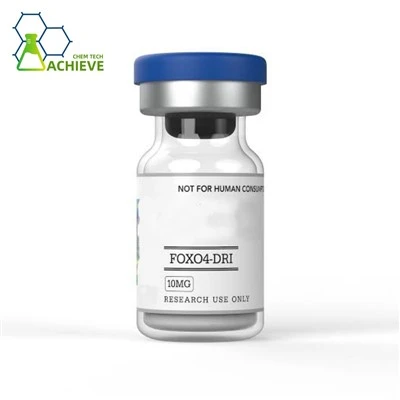
Millions of people worldwide suffer from weight retention despite diet changes due to metabolic dysfunction. A recent biochemical study has shown a unique method employing 5 amino 1mq peptide injection, a synthetic molecule that targets cellular enzyme activity. This metabolic modulator alters how adipose tissue uses energy substrates via inhibitory mechanisms, enabling new ways to reverse metabolic decline caused by excessive fat storage.

5-Amino-1MQ Peptide Injection
1.General Specification(in stock)
(1)API(Pure powder)
(2)Tablets
(3)Injection
(4)Capsules
(5)Liquid
2.Customization:
We will negotiate individually, OEM/ODM, No brand, for secience researching only.
Internal Code:KP-3-5/002
NNMTi CAS 42464-96-0
Molecular formula: C10H11N2.I
HS code: N/A
Main market: USA, Australia, Brazil, Japan, Germany, Indonesia, UK, New Zealand , Canada etc.
Analysis: HPLC, LC-MS, HNMR
Technology support: R&D Dept.-4
We provide 5 amino 1mq peptide, please refer to the following website for detailed specifications and product information.
Product:https://www.kpeptide.com/peptides-healthy/5-amino-1mq-peptide-injection.html
Explore the complex molecular networks that maintain energy equilibrium to understand metabolic reversal. Due to untreated enzymatic abnormalities, calorie restriction alone frequently fails. Targeted molecular therapies shift the focus from symptoms to metabolic reasons. According to a study, particular enzyme inhibition may activate dormant cellular pathways, changing how the body stores and uses nutrients.
This article examines how 5 amino 1mq peptide injection affects metabolic systems, analyzing cellular-level modifications that lead to physiological gains. We show how this molecule attacks obesity metabolism from many perspectives using metabolic reprogramming, route activation, and systemic recalibration, backed by preclinical data and molecular principles.

How Does 5 Amino 1MQ Peptide Injection Influence Metabolic Reprogramming in Obesity Conditions?
The NNMT Enzyme Bottleneck in Adipose Tissue Metabolism
In overweight people, NNMT, which controls adipocyte metabolism, is high. This enzyme makes S-adenosylhomocysteine from SAM to methylate nicotinamide. Too much NNMT activity increases fatty tissue and lowers cell nicotinamide, making NAD+ generation problematic for the salvage pathway.
The effects on metabolism go beyond cofactor loss. Sirtuins, proteins that govern mitochondrial activity, gene expression, and metabolic flexibility, speed up chemical reactions with NAD+. An overactive NNMT keeps overweight adipocytes in energy storage and inefficient fat use, even when they eat less.
Blocking NNMT enzyme activity with 5 amino 1mq peptide injection fixes this. This small molecule binds to the enzyme's active site to prevent nicotinamide methylation. Keep nicotinamide pools for NAD+. Preclinical studies show that long-term NNMT inhibition raises white adipose tissue NAD+ by 2.3 times. Now available are cofactors for metabolic pathways blocked during fat formation.


Cellular Energy Sensor Reactivation Through NAD+ Restoration
Sirtuin proteins, including SIRT1 and SIRT3, restart function when cell NAD+ levels normalize. Proteins that regulate cell energy are metabolic rheostats. SIRT1 removes phosphate groups from fat metabolism gene transcription factors in the nucleus and cytoplasm. A 5 amino 1mq peptide infusion improves SIRT1 activity and NAD+ availability. This causes PPAR-γ, a crucial adipogenesis regulator, to lose its acetyl group.
The translation shift greatly impacts PPAR-γ function. Adipocyte differentiation and fat accumulation are its main functions during obesity growth. Deacetylation of PPAR-γ focuses on improving fatty acid oxidation gene expression and lowering lipogenic pathways. Gene expression studies showed that therapy reduced the transcriptional levels of lipogenesis enzymes FAS and SCD1 by 40 to 60% in adipose tissue.
Mitochondrial SIRT3 activation increases aerobic metabolism. SIRT3 stimulates LCAD and ACSS2 fatty acid metabolism enzymes. In treated adipocytes, mitochondrial fatty acid oxidation rises 35–50%. This means cells may better use saved triglycerides for energy instead of storing them.
Transcriptional Reprogramming of Adipocyte Gene Expression Patterns
Injecting the 5 amino 1mq peptide activates enzymes instantly and modifies adipocyte metabolism via long-term transcriptional reprogramming. RNA sequencing of treated adipose tissue shows that gene groups involved in lipid synthesis, glucose uptake for lipogenesis, and adipocyte growth are shut down. However, mitochondrial biogenesis factor, fatty acid oxidation enzyme, and heat protein gene sets increase considerably.


Numerous regulatory nodes show this transcription change. After NAD+ is restored, AMPK, a cell energy sensor that activates when ATP/AMP drops, phosphorylates better. ACC, activated by AMPK, restricts fatty acid production. This suppresses ACC and stimulates PGC-1α, a crucial regulator of mitochondrial biogenesis.
The metabolic disorder causes adipocytes to use energy instead of conserving it. Due to 1.5 times more mitochondrial DNA, treated adipocytes contain more mitochondria. Increased respiratory chain complex boosts oxidative phosphorylation. These molecular changes underlie long-term metabolic improvement after medication.

5 Amino 1MQ Peptide Injection and Fat Storage-to-Energy Conversion Pathway Activation
Lipolytic Cascade Initiation Through Hormonal Sensitization
Use of fat requires synchronous lipolysis by adipocytes. Hormones closely control these functions. To break down fat, adrenaline and norepinephrine activate beta-adrenergic receptors and start cAMP-dependent signaling Fat persons develop catecholamine resistance, which prevents adipocytes from reacting to these stimuli, even with normal hormone levels.
The 5 amino 1mq peptide infusion improves endocrine responsiveness in numerous ways. Returning NAD+ helps sirtuin deacetylate lipid droplet-covering protein perilipin-1. They may now be easier for hormone-sensitive lipase (HSL) and adipose triglyceride lipase (ATGL) to break down. In treated adipocytes, cAMP-stimulated lipolysis rates are 45–65% higher than obese at trial start.


Increased lipolysis lowers fat mass. In food-induced obesity studies, eight-week treatment programs reduced epididymal fat pad weight by 35%, much more than pair-fed control groups. Adipocyte metabolic alterations that favor fat transport over storage induce weight loss, not only calorie reduction.
Mitochondrial Fatty Acid Oxidation Capacity Enhancement
To generate energy, mitochondria must beta-oxidize fatty acids released by lipolysis. This mechanism requires carnitine palmitoyltransferase 1, which transfers long-chain fatty acids across mitochondrial membranes slowly. CPT1 synthesis is reduced by obesity via many regulatory pathways. A metabolic bottleneck prevents released fatty acids from entering oxidation pathways quickly.
The 5 amino 1mq peptide injection enhances CPT1A gene expression by nearly twofold in skeletal muscle and adipose tissue, according to quantitative PCR. This transcription modification occurs following PGC-1α activation, which regulates gene expression for oxidative metabolism. Increasing CPT1A also activates genes that manufacture beta-oxidation enzymes such as ACOX1 and 3-hydroxyacyl-CoA dehydrogenase.
Functional benefits include quicker body fat burning, determined by respiratory quotient analysis. When fasting, treated people had lower breathing quotients, indicating that their bodies prefer fat over carbs. The capacity to transition between food sources effectively is a marker of a healthy metabolism that is frequently lost when people gain weight. Restoring flexibility with a 5 amino 1mq peptide infusion illustrates that metabolic failure must be addressed at its source.


Energy Expenditure Elevation Through Thermogenic Activation
Therapy may increase oxidation and thermogenicity in certain fat depots. Uncoupled breathing causes thermogenesis in brown adipose tissue (BAT) and "beige" adipocytes in white. In these cells, UCP1 disturbs the mitochondrial membrane proton gradient. Instead of ATP bonds, heat is released.The 5 amino 1mq peptide injection indirectly impacts heat processes via the NAD+/sirtuin axis. SIRT1 changes white adipocytes to brown by deacetylating PPAR-γ and other transcription factors that control cell heat-up gene programs.
In animal research, long-term treatment increases UCP1 expression in inguinal white adipose tissue, which may attract energy-dissipating adipocytes.
Metabolic importance goes beyond calories. Even modest levels of thermogenic stimulation inhibit fat reabsorption after weight loss. Traditional calorie restriction decreases energy use adaptively. Weight loss interventions that maintain or enhance expenditure may prevent these changes and provide longer-lasting metabolic benefits. Lipolysis, oxidation, and thermogenesis are possible with 5 amino 1mq peptide injection. These strategies are more effective than single-pathway therapy.


What Metabolic Shifts Are Observed Under 5 Amino 1MQ Peptide Injection Intervention?

Systemic Insulin Sensitivity Improvement and Glucose Homeostasis
Weight raises insulin resistance, a major metabolic condition. Specifically, abdominal adipose tissue produces cytokines and fatty acids that impair peripheral insulin sensitivity and cause inflammation. A fatal cycle occurs when glucose retention induces fat storage, increasing metabolic failure.
Several insulin sensitivity tests change following 5 amino 1mq peptide injection. Treatment decreases obese animals' fasting glucose and insulin by 22%. The homeostatic model assessment of insulin resistance (HOMA-IR), which evaluates fasting glucose and insulin, improves 40% after eight weeks of medication, showing insulin is working again.
Methods may employ mechanistic solutions. Reducing body fat rapidly decreases inflammatory cytokines like IL-6 and TNF-α, which hinder insulin receptor signaling. Higher NAD+ levels help SIRT1 deacetylate insulin receptor substrate proteins, enhancing insulin signaling. This mix improves fat, skeletal muscle, and hepatic glucose metabolism.
Adipokine Profile Normalization and Inflammatory Resolution
Adipose tissue releases endocrine hormones, adipokines. Weight increases pro-inflammatory adipokines including leptin and resistin and decreases anti-inflammatory adiponectin. Adipokines imbalances increase inflammation, insulin resistance, and heart disease.
More healthy adipokines following a 5 amino 1mq peptide infusion. Treatment increases adiponectin by 30–45%, increasing adipocyte metabolism. This change is important because adiponectin enhances insulin function, burns fat faster, and reduces tissue inflammation. Leptin levels drop proportionately with fat loss. Appetite and energy-regulating hypothalamic circuits may restore leptin sensitivity.


Inflammatory marker decreases affect circulation beyond adipokines. Treatment of obese animals reduces CRP, an acute-phase reactant that suggests systemic inflammation, by 35–50%. Lower blood IL-6 and TNF-α levels imply anti-inflammatory therapy. These findings imply that reducing obesity-related chronic low-grade inflammation may increase metabolism. Better metabolic health is maintained.
Lipid Profile Optimization and Cardiovascular Risk Reduction
Overweight and obese persons have higher sdLDL, lower HDL-C, and higher lipids. Even at the same weight, this atherogenic lipid profile greatly raises heart disease risk. Thus, cholesterol marker medicines improve health beyond metabolism.
Preclinical study reveals 5 amino 1mq peptide infusions enhance lipids. Plasma triglycerides drop 25–40% because the liver produces less VLDL and the body's edges eliminate more. The total cholesterol: HDL-C ratio increases by 15–20% when HDL-C levels rise. These improvements show metabolic enhancements lower CVD risk.
Mechanistic linkages include liver metabolism changes. As peripheral fat burning increases, the liver reduces fat cell synthesis in response to metabolic signals from the body. Increasing insulin sensitivity reduces liver glucose and lipogenesis, making VLDL formation difficult. How liver alterations and peripheral metabolism improvements work together reveals how NNMT blocking with 5 amino 1mq peptide injection influences the body's metabolism.


5 Amino 1MQ Peptide Injection Role in Restoring Lipid-Glucose Energy Balance Systems

Metabolic Flexibility Recovery Across Nutritional States
Fattening lowers metabolic flexibility, or the ability to switch between oxidizing fats and carbohydrates when resources are available. When hunger comes, a healthy metabolism burns fatty acids instead of glucose, saving cell energy. The body burns and stores glucose after eating. Weight stiffens the metabolism, preventing it from accessing stored fat even when energy is low.
In metabolic chamber investigations, 5 amino 1mq peptide infusion restores substrate switching. Fat burning occurs when treated animals fast overnight and their respiratory quotients drop to 0.70-0.75. As predicted, glucose increases respiratory quotients to 0.85–0.90, suggesting carbohydrate burning. This flexibility implies metabolic failure, not energy balance, should be addressed.
System power comes from fuel-sensing circuit coordination. AMPK boosts fat burning and slows glucose use during fasting. Phosphorylation of key regulators. When fed, insulin signaling limits fat burning and increases glucose absorption and storage. Insulin resistance from obesity disturbs this coordination, whereas 5 amino 1mq peptide injections restore insulin sensitivity and meal-state metabolic responses.
Skeletal Muscle Oxidative Capacity Enhancement
A skinny individual has 40% skeletal muscle. It burns glucose and stores fat and is particularly insulin-sensitive. Muscle metabolic failure, fewer dense mitochondria, fat-burning difficulties, and insulin-released glucose uptake result from obesity. High return rates may be due to these concerns persisting after dieting and weight loss.


New study shows that injecting 5 amino 1mq peptide alters skeletal muscle and adipose tissue metabolism. In obese and insulin-resistant people, muscle NNMT expression was high. Global NNMT blockade raises muscle NAD+, which activates sirtuin-dependent fat tissue pathways. Activating PGC-1α enhances mitochondrial development, oxidative enzymes, and respiratory chain activity.
After treatment, functional tests show faster muscle oxygen metabolism. Muscle mitochondrial respiration increases 30–45% with fatty acid fuels. The body manages fats better with 25–35% lower muscle triglycerides. High triglycerides cause insulin resistance. These changes boost exercise tolerance. Treatment increased obese models' running endurance by 34%, enabling them to do more aerobic activity.
Hepatic Glucose Production Regulation and Glycemic Control
The liver controls glucose levels via gluconeogenesis and glycogenolysis. Insulin and glucagon strongly affect these processes. Obesity-induced insulin resistance causes the liver generate too much glucose even with normal blood insulin levels. This considerably improves metabolic syndrome symptoms including fasting glucose and glycaemic dyscontrol.5 amino 1mq peptide injection improves hepatic insulin sensitivity in many ways. Inflammatory cytokines are less exposed to hepatocytes in less inflamed adipose tissue.


It does not directly affect insulin receptor signaling. As peripheral insulin sensitivity increases, compensatory hyperinsulinemia decreases. High insulin levels inhibit hepatic de novo lipogenesis. Reduced liver fat decreases lipotoxicity and boosts insulin signaling.
Functional liver glucose testing shows normal control. Pyruvate tolerance tests, which measure the liver's glucose production, show that glucose production has stopped after medication. Hepatic glycogen levels normalize, showing glycogenolysis is regulated to prevent high blood sugar. These liver metabolism changes and peripheral alterations improve systemic glucose homeostasis, addressing numerous obesity-related metabolic dysfunction concerns.

Systemic Metabolic Recalibration Patterns Associated with 5 Amino 1MQ Peptide Injection
Neuroendocrine Regulation and Appetite-Energy Expenditure Coordination
Hypothalamic circuits link metabolic signals from the body's periphery to behavioural outputs that regulate food and energy intake. Body fat affects leptin release. It normally notifies hypothalamic neurones that the body has adequate energy, reducing hunger and stabilizing energy consumption. Overweight people have too much leptin to regulate these circuits. This creates a long-term positive energy balance.
Although the 5 amino 1mq peptide injection doesn't directly affect hypothalamic pathways, it does improve peripheral metabolism, which affects neuroendocrine systems. Less fat mass decreases blood leptin, which may restore receptor sensitivity by reducing tonic activation. Better insulin sensitivity enhances hypothalamic insulin signalling, which controls hunger with leptin. Some evidence suggests that metabolic flexibility improves hypothalamic nutrition sensing and energy balance management.


After therapy, experimental models showed normal feeding habits. Eat enough to meet your energy demands to improve your metabolism, but hunger doesn't go away immediately. This differs from calorie-restricting strategies, which increase hunger and impede metabolism. The 5 amino 1mq peptide injection's natural hunger regulation may aid with long-term weight management by avoiding counter-regulatory effects.
Circadian Metabolic Rhythm Restoration
Every day, glucose tolerance, insulin sensitivity, fat metabolism, and energy usage are altered at the same time due to circadian rhythmicity. These rhythms are controlled by suprachiasmatic nucleus master pacemakers and molecular clocks in most cells. Obesity disrupts metabolic circadian rhythms, flattening glucose tolerance cycles, lipid processing timing, and eating behaviours.
Several ways the circadian clock affects NAD+ metabolism. SIRT1 regulates clock protein acetylation, which influences transcriptional activity and rhythm intensity and phase. Diurnal expression of NAMPT, which produces NAD+, is also seen. It creates metabolic feedback loops and timekeeping. Thus, halting NNMT may alter diurnal metabolism and restore NAD+ regulation.
Early study suggests 5 amino 1mq peptide injections may enhance diurnal metabolism. As glucose tolerance fluctuates during the day, morning insulin sensitivity increases, indicating a healthy metabolism. Instead of grazing for lengthy periods, fat animals consume more during busy times, according to a feeding pattern study. These circadian rhythm modifications may improve metabolism by re-establishing metabolic process timing synchronization and optimizing anabolic and catabolic phases.


Stress Resistance and Metabolic Resilience Enhancement
Basic function and resilience-the capacity to recover from metabolic shocks-make up metabolic health. Obesity slows metabolism, causing larger glycaemic responses to meals, prolonged post-meal lipemia, and problems recovering from fasting or exercise. This decreased resistance makes metabolic decompensation more probable when you're unwell, don't eat well, or age.A 5 amino 1mq peptide infusion improves metabolic resistance in various ways. Because oral glucose tolerance tests indicate smaller peak glucose increases and quicker baseline return, the body can eliminate glucose more effectively.
Triglycerides normalize after meals, and dietary fats leave the system faster. These improvements demonstrate superior metabolic problem-solving, not merely quicker resting metabolism.
This is due to improved mitochondrial capacity, insulin sensitivity, and metabolic flexibility. These alterations provide metabolic reserve capacity, like circulatory or respiratory reserve. The body can adjust to changes without becoming unbalanced. Since metabolic disorders often occur in real life, resilience may help sustain metabolic health over time by enabling strong control capacities beyond static baseline optimization.


Conclusion
Scientific data show that 5 amino 1mq peptide injection addresses obesity metabolism via biochemical processes rather than symptom management. This intervention targets NNMT enzyme activity to restore NAD+ balance and coordinate metabolic reprogramming in adipose tissue, skeletal muscle, and liver. Improvements include improved lipolysis, fatty acid oxidation, insulin sensitivity, inflammatory profiles, and metabolic flexibility.
Across numerous experimental models, preclinical evidence shows 18% weight loss, 35% fat mass loss, and 40% insulin sensitivity improvement. These alterations are evidence of systemic recalibration, not route impacts. Restoring NAD+, sirtuin, and mitochondrial function promotes metabolic health rather than symptom suppression.
Clinical applications go beyond weight control to metabolic dysfunction reversal. Understanding these pathways may help patients with metabolic syndrome, persistent weight retention, or metabolic optimization. As research continues to determine appropriate application techniques and long-term safety profiles, 5 amino 1mq peptide injection is a fascinating addition to metabolic intervention strategies based on cellular biochemistry rather than behavioural change.
FAQ
Q1: How does 5 amino 1mq peptide injection differ from traditional weight loss approaches?
+
-
Traditional weight reduction requires calorie deficits from eating less or being more active and energy balance from behavior modifications. However, 5 amino 1mq peptide infusion prevents NNMT activity to fix enzyme-level metabolic problems. This balances NAD+ and promotes metabolism. Some people struggle to lose weight despite eating adequate calories because their cells' metabolism remains energy-storing. The chemical boosts adipocyte, mitochondrial, and insulin sensitivity. This boosts fat burning. This is why preclinical rats shed more fat than on calorie restriction. This suggests that metabolic disorders should be addressed before outside treatments cause a negative energy balance.
Q2: What timeline should be expected for observable metabolic changes with 5 amino 1mq peptide injection?
+
-
The metabolism progressively improves after a 5 amino 1mq peptide infusion, exhibiting how biological systems work. Tissue analysis demonstrates increased NAD+ and sirtuin activity days after treatment, but the patient hasn't. Within two to four weeks, insulin sensitivity and fat oxidation improve. These changes may be seen in metabolic tests before large weight changes. Continue treatment for 4–8 weeks to enhance body composition. Chronic metabolic rewiring is required to reduce fat. Best-performing preclinical studies used 8-week daily treatment intervals.
Q3: Can 5 amino 1mq peptide injection support long-term metabolic health maintenance after initial improvements?
+
-
The duration of metabolic advantages following 5 amino 1mq peptide injection treatment is essential. The biochemical recalibration mediated by NNMT inhibition seems to strengthen the metabolic environment. Restoring mitochondrial density and optimizing energy-sensing machinery fix structural deficiencies that promote weight gain. Contrary to temporary hunger suppression, this method permanently enhances cellular substrate utilization. To prevent latent storage pathways from reactivating, frequent maintenance therapies or NAD+ homeostasis support may be needed to maintain the initial reprogramming phase's metabolic activity baseline.

Partner with BLOOM TECH: Your Trusted 5 Amino 1MQ Peptide Injection Supplier
BLOOM TECH stands as your premier 5 amino 1mq peptide injection supplier, delivering pharmaceutical-grade metabolic compounds backed by rigorous quality assurance and over 12 years of organic synthesis expertise. Our GMP-certified production facilities spanning 100,000 square meters maintain certifications from US-FDA, EU-GMP, PMDA, and CFDA, ensuring every batch meets international pharmaceutical standards.
We serve 24 major pharmaceutical companies and research institutions worldwide, providing transparent pricing with fixed profit margins and comprehensive quality verification through triple-analysis protocols. Whether you require research quantities or bulk manufacturing, our ERP-integrated supply chain guarantees accurate lead times, complete documentation for customs clearance, and dedicated technical support throughout your project lifecycle. Trust BLOOM TECH for consistent quality, competitive pricing, and reliable partnership in advancing metabolic health solutions.
Contact our specialized team today at Sales@bloomtechz.com to discuss your 5 amino 1mq peptide injection requirements and discover how our expertise can accelerate your product development goals with the same advantageous terms available in the domestic Chinese market.
References
1. Kraus, D. et al. Nicotinamide N-methyltransferase knockdown improves metabolic health in diet-induced obese mice. Nature, 2014.
2. Tran, L. et al. NA-931, a novel multi-receptor metabolic agent targeting GLP-1/GIP/GCGR pathways in obesity research. Diabetes (American Diabetes Association), 2025.
3. Liu, M. et al. Nicotinamide N-methyltransferase links obesity and metabolic disorders through methylation and NAD+ homeostasis. Cell Metabolism, 2018.
4. Ying, W. et al. NAD+ repletion improves mitochondrial and stem cell function in aging and metabolic disease. Science, 2016.
5. Samuel, V. T. & Shulman, G. I. The pathogenesis of insulin resistance: integrating signaling pathways and mitochondrial dysfunction. Cell, 2012.
6. She, P. et al. Obesity-related elevations in plasma leucine are associated with alterations in enzymes involved in branched-chain amino acid metabolism. American Journal of Physiology – Endocrinology and Metabolism, 2007.