Aging represents one of biology's most complex phenomena, characterized by progressive cellular deterioration, declining metabolic efficiency, and reduced physiological resilience. Scientists worldwide are investigating molecular interventions that might modulate the aging trajectory at the cellular level. Among emerging research compounds, 5 amino 1mq peptide has attracted substantial attention for its potential influence on metabolic pathways associated with cellular longevity.

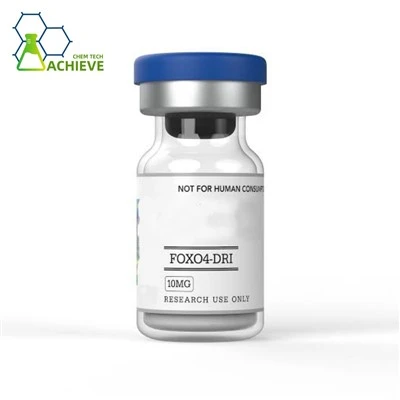
5-Amino-1MQ Peptide Injection
1.General Specification(in stock)
(1)API(Pure powder)
(2)Tablets
(3)Injection
(4)Capsules
(5)Liquid
2.Customization:
We will negotiate individually, OEM/ODM, No brand, for secience researching only.
Internal Code:KP-3-5/002
NNMTi CAS 42464-96-0
Molecular formula: C10H11N2.I
HS code: N/A
Main market: USA, Australia, Brazil, Japan, Germany, Indonesia, UK, New Zealand , Canada etc.
Analysis: HPLC, LC-MS, HNMR
Technology support: R&D Dept.-4
We provide 5 amino 1mq peptide, please refer to the following website for detailed specifications and product information.
Product:https://www.kpeptide.com/peptides-healthy/5-amino-1mq-peptide-injection.html
Understanding how specific molecules interact with fundamental cellular processes offers valuable insights into metabolic health maintenance across the lifespan. This compound, formally known as 5-Amino-1-methylquinolinium, functions as a selective inhibitor targeting nicotinamide N-methyltransferase (NNMT), an enzyme increasingly recognised for its role in cellular energy regulation and metabolic homeostasis.
The relationship between metabolic efficiency and cellular aging has become a focal point in longevity research. As cells age, their capacity to generate and utilise energy diminishes, leading to accumulated damage and functional decline. Investigating compounds that support metabolic resilience may reveal strategies for promoting healthier cellular function throughout the aging process.

How Does 5 Amino 1MQ Peptide Interact with Cellular Energy Systems Linked to Aging?
The NNMT-NAD+ Connection in Cellular Metabolism
NNMT is an enzyme that methylates nicotinamide using S-adenosylmethionine as a methyl donor. The 5 amino 1mq peptide affects biological processes by blocking this enzyme. This enzyme action has a direct effect on the amount of NAD+ inside cells. NAD+ is a coenzyme that is essential for many metabolic processes that are linked to cell health and longevity.
NAD+ is an important cofactor for making energy in mitochondria, fixing DNA, and the function of sirtuins, which are proteins that have been studied a lot for their links to pathways that lead to life. Researchers have found that as people get older, their NAD+ levels gradually drop. This is linked to slower metabolism and a higher risk of age-related changes in cells. By stopping NNMT, this peptide stops cells from using up too much nicotinamide, which protects their NAD+ stores.


Studies in the lab using cellular models have shown that treating cells with this substance greatly increases the amount of NAD+ inside the cells. This rise starts metabolic processes further down the line, especially those involving SIRT1, an enzyme that controls gene expression linked to stress tolerance, metabolic flexibility, and cell maintenance. The SIRT1 pathway affects many things, such as mitochondrial formation, oxidative stress reactions, and inflammatory signalling. These are all things that are important for understanding how cells age.
Cellular Energy Balance and Metabolic Efficiency
In addition to protecting NAD+, the peptide affects other parts of the energy balance in cells. Cells that are getting older usually have less metabolic flexibility, which means they have a harder time switching between different food sources or adapting to changing energy needs. Because of this metabolic stiffness, cells don't work properly and metabolic waste builds up.
Studies show that NNMT expression rises in many tissues as people age, especially in organs that use a lot of energy. This increased production is linked to less energy being used and different patterns of substrate utilisation. The 5 amino 1mq peptide may help recover metabolic flexibility by restoring the balance between NAD+ and nicotinamide. This lets cells keep their energy processing systems running more efficiently.
Animal studies have shown that giving this chemical to animals increases their overall energy use without changing how much they eat. This means the substance probably changes the metabolic rate of cells instead of controlling hunger, which points to direct effects on the energy systems of cells. At the cellular level, higher energy usage may help get rid of damaged cell parts and speed up repair processes that slow down as people age.


5 Amino 1MQ Peptide and Mitochondrial Function in Age-Related Metabolic Decline

Mitochondrial Dynamics and Aging
As we age, our mitochondria, which are often called "cellular powerhouses," go through big changes in how they work. These cells have less ability to breathe, more damage from oxidation, and weaker quality control systems. In older cells, mitochondrial failure is a sign of ageing because it leads to less ATP production and more reactive oxygen species.
The connection between the 5 amino 1mq peptide and mitochondrial activity is shown by how it changes the amount of NAD+ that is available. NAD+ is needed for mitochondrial oxidative phosphorylation, which is the main way that most cell types make ATP. Keeping the right amount of NAD+ in the body helps the electron transport chain work well and makes energy.
Scientists have found that blocking NNMT helps make new mitochondria through SIRT1-dependent processes. When SIRT1 is turned on, it causes PGC-1α to be expressed. PGC-1α is a master regulator of mitochondrial production and activity. Studies on animals show that this peptide treatment raises the amount of mitochondria in metabolic tissues. This may help make up for the loss of mitochondrial quality and number that comes with getting older.
Mitochondrial Quality Control Mechanisms
Getting older hurts the parts of cells that keep mitochondria healthy, like mitophagy (which gets rid of broken mitochondria) and mitochondrial fusion-fission dynamics. When mitochondria that don't work right build up, they cause oxidative stress and inflammation messages that speed up the ageing process of cells.


The 5 amino 1mq peptide may improve mitochondrial quality control systems by raising NAD+ levels. Enzymes that depend on NAD+ help detect damage in mitochondria and start the cleanup process. Preserved NAD+ pools make it easier to watch over and get rid of broken organelles, which could slow down the buildup of mitochondrial failure that happens in older cells.
There is proof from experiments that blocking NNMT lowers signs of oxidative stress in metabolic tissues. This finding fits with better mitochondrial function, since mitochondria that are healthy make fewer reactive oxygen species and keep membrane potential better. The compound's impact on mitochondrial mechanics may play a big role in how it might affect the ageing process in cells.

What Biological Processes Are Influenced by 5 Amino-1MQ Peptide in Cellular Longevity Pathways?
Several biological processes are linked and affect each other at the point where metabolic control and routes for long life meet. The 5 amino 1mq peptide seems to affect a number of processes that are known to be involved in how cells age.
Sirtuin activation is one of the main ways that this chemical may change processes that are linked to living longer. SIRT1 and similar sirtuins control how genes are expressed in ways that help cells deal with stress, change their metabolism, and stay healthy. Different transcription factors and biochemical enzymes are deacetylated by these proteins. This changes their function depending on the energy level of the cell.
Studies show that blocking NNMT turns on gene expression systems that rely on SIRT1. This action affects many targets further down the line, such as genes that protect against free radicals, fix DNA, and check the quality of proteins. Increasing the expression of these protective processes may help cells handle the stresses that come with getting older.


The chemical also changes signalling pathways that cause inflammation. Chronic low-grade inflammation, also known as "inflammaging," makes tissues less functional as we age. Studies have shown that blocking NNMT lowers the production of cytokines that cause inflammation and the stimulation of inflammatory signalling pathways like NF-κB. This anti-inflammatory action happens in part by activating SIRT1 and in part by changing the patterns of metabolites because NAD+ levels stay the same.
Cellular senescence is the process by which cells stop growing permanently while still being metabolically active. It builds up with age and makes tissues less functional. Inflammatory factors and matrix-degrading enzymes are released by senescent cells and damage the tissues around them. New data show that metabolic changes that increase the availability of NAD+ may affect senescence pathways. However, more research is needed to fully understand the link between NNMT inhibition and cellular senescence.

5 Amino 1MQ Peptide Role in Maintaining Cellular Energy Stability Over Time
Stable metabolism is an important part of healthy cellular ageing. Young, healthy cells make ATP quickly and efficiently, keep ion gradients stable, and help metabolic processes go smoothly. This metabolic stability gets worse with age, which causes energy deficits that make it harder for cells to do their jobs.
The peptide's effect on NAD+ biosynthesis directly helps keep energy levels stable. NAD+ is involved in a huge number of enzyme processes besides mitochondrial respiration. These include glycolysis, fatty acid oxidation, and amino acid biosynthesis. Enough NAD+ makes sure that these linked pathways work well, keeping metabolic balance even as cells face problems related to getting older.
Researchers using metabolic screening methods have found that blocking NNMT changes the amounts of metabolites in cells in ways that suggest better metabolic efficiency.


Cells that have been treated use glucose better, burn fatty acids more efficiently, and store fewer biochemical intermediates, which could mean there are problems in the pathway. Based on these metabolic signatures, it looks like the 5 amino 1mq peptide helps keep metabolic traits that are more youthful.
AMPK (AMP-activated protein kinase) and other energy-sensing systems in cells check the amount of energy in a cell and help coordinate appropriate reactions. Researchers are still looking into the link between NNMT suppression, NAD+ levels, and AMPK function. There is some evidence that maintaining NAD+ metabolism can change AMPK signalling, which could help cells respond better to energy problems.
Maintaining cellular structures, such as protein production machinery, membrane systems, and cytoskeletal elements, is also important for long-term metabolic stability. Performing these repair tasks takes a lot of energy. 5 amino 1mq peptide may help cells keep up maintenance tasks that slow down with regular ageing by promoting efficient ATP production and metabolic flexibility.
Metabolic Resilience Mechanisms Associated with 5 Amino 1MQ Peptide in Aging Cells
Metabolic robustness, or the ability to deal with metabolic problems and get back to normal after they happen, drops significantly with age. Young cells can react well to changes in nutrients, environmental stress, and energy needs, but older cells are not as good at it.
Part of the compound's effect on metabolic resistance comes from how it changes metabolic flexibility. If cells have enough NAD+, they can easily switch between oxidising carbohydrates and lipids based on the supply of substrates and their energy needs. Metabolic inflexibility happens when cells become dependent on certain food sources and have a hard time adapting to new situations. This flexibility keeps that from happening.


Studies show that blocking NNMT increases the ability of metabolic cells to oxidise lipids. Several things work together to make this effect happen, such as more mitochondria, higher levels of fatty acid oxidation enzymes, and better mitochondrial breathing ability. Better lipid oxidation helps keep the metabolism healthy by stopping ectopic lipid buildup, which happens when fats build up in areas that aren't fat, which can lead to metabolic dysfunction.
The 5 amino 1mq peptide turns on stress tolerance pathways that help the metabolism stay strong. Activating SIRT1 boosts the antioxidant defences of cells, making it easier to get rid of reactive oxygen species that are made during metabolic processes. Cells can keep their biological function even though oxidative damage rises with age because they are more resistant to stress.
The substance also changes how cells react to the supply of nutrients. Metabolic resilience means being able to work well when nutrients are scarce, starting defensive processes that help cells stay alive and maintain their health. Research shows that blocking NNMT may work in some ways like caloric restriction, which is a well-known way to make many animals live longer. This might happen by starting up metabolic processes that work together.
Another part of cellular robustness is proteostasis, which is the maintenance of protein balance. Protein quality control systems become less effective with age, which causes broken or misfolded proteins to build up. There is some evidence that NAD+-dependent processes help with proteostasis. This means that keeping NAD+ levels high by blocking NNMT might help with protein quality control and make cells stronger.


Conclusion
The study of the 5 amino 1mq peptide in the setting of cellular ageing shows a chemical that has interesting effects on basic metabolic processes. This peptide changes the availability of NAD+ by selectively blocking NNMT. This changes the operation of mitochondria, energy metabolism, and several processes linked to cell longevity.
According to research, the substance changes how efficiently metabolism works, protects mitochondrial health, and makes cells more resistant to metabolic problems that come with getting older. These benefits happen through linked processes that include sirtuin activation, better energy production, and lower signalling for inflammation.
Even though most of what we know now comes from studies done in the lab or on animals, the molecular information we've learned is very helpful for understanding how metabolism affects cellular ageing. The connection between NAD+ metabolism and cell health is becoming more and more important in studies of ageing.
As the study goes on, molecules like this peptide are useful for looking into how metabolism controls the ageing process. To support good ageing at the molecular level in the future, it might be helpful to know how specific metabolic interventions affect cellular activity across the lifespan.
FAQ
Q: How does the 5 amino 1mq peptide differ from direct NAD+ supplementation approaches?
+
-
A: Both methods try to keep NAD+ levels high in cells, but they do so in different ways. Directly supplementing NAD+ precursors, like nicotinamide riboside or nicotinamide mononucleotide, gives the body the building blocks it needs to make NAD+. 5 amino 1mq peptide, on the other hand, stops NNMT from doing its job, which is to use up nicotinamide and lower NAD+ levels. The peptide method stops NAD+ from breaking down instead of providing intermediates, which may have additional benefits. Some experts think that focusing on both the routes for making and using NAD+ might give the metabolism more complete help.
Q: What distinguishes cellular aging research from chronological aging studies?
+
-
A: Research into cellular ageing looks at the molecular and biochemical changes that happen inside cells over time or in reaction to stress. At the cellular level, this means looking at things like gene expression patterns, metabolic efficiency, and stress tolerance. Chronological ageing studies look at changes in the whole body over time, such as how it works, how often it gets sick, and how many people die. Research on cellular ageing gives us fundamental information about the processes that cause organisms to age, which helps us find possible action targets. Usually, compounds like 5 amino 1mq peptide are tested first to see how they affect cells before they are tested for their effects on the body as a whole.
Q: Why has NNMT become a focus in metabolic aging research?
+
-
A: NNMT has gotten a lot of attention because it is expressed much more in many tissues as people age and in situations where their metabolism isn't working right. By using up nicotinamide, this enzyme directly controls the amount of NAD+ available, which has an impact on hundreds of processes that depend on NAD+. Researchers have found that high levels of NNMT are linked to a slower metabolism, problems with mitochondrial function, and changes in metabolic flexibility. These are all signs of tissues that are getting older or having metabolic problems. The enzyme is a convergent point where methylation metabolism and NAD+ metabolism meet. This makes it an interesting target for studying and maybe changing the biochemical features of ageing.

Partner with BLOOM TECH as Your Trusted 5 Amino 1MQ Peptide Supplier
As the exploration of metabolic compounds in longevity research advances, securing reliable sources for high-quality research materials becomes essential. BLOOM TECH stands as a professional 5 amino 1mq peptide supplier with comprehensive capabilities spanning organic synthesis, quality assurance, and regulatory compliance. Our GMP-certified manufacturing facilities meet international standards, including US-FDA, EU-GMP, and PMDA certifications, ensuring consistent product quality for your research applications.
We understand that research success depends on material reliability and supply consistency. BLOOM TECH maintains rigorous triple-layer quality control-factory testing, internal QA/QC verification, and third-party certification-guaranteeing that every batch meets specified purity and identity criteria. Our established relationships with leading pharmaceutical companies and research institutions reflect our commitment to quality and service excellence.
Whether you require small quantities for preliminary investigations or scaled production for advanced research phases, our experienced team provides tailored solutions with transparent pricing and accurate delivery timelines. We recognise the critical nature of research timelines and work diligently to support your project requirements. Connect with our technical team to discuss your specific needs for 5 amino 1mq peptide and discover how BLOOM TECH's expertise can advance your research objectives. Contact us at Sales@bloomtechz.com to explore partnership opportunities.
References
1. Kraus D, Yang Q, Kong D, et al. Nicotinamide N-methyltransferase knockdown protects against diet-induced obesity. Nature. 2014;508(7495):258-262.
2. Komatsu M, Kanda T, Urai H, et al. NNMT activation can contribute to the development of fatty liver disease by modulating the NAD+ metabolism. Scientific Reports. 2018;8(1):8637.
3. Campagna R, Vignini A. NAD+ homeostasis and NAD+-consuming enzymes: implications for vascular health. Antioxidants. 2023;12(2):376.
4. Revollo JR, Grimm AA, Imai S. The NAD biosynthesis pathway mediated by nicotinamide phosphoribosyltransferase regulates Sir2 activity in mammalian cells. Journal of Biological Chemistry. 2004;279(49):50754-50763.
5. Yoshino J, Baur JA, Imai SI. NAD+ intermediates: the biology and therapeutic potential of NMN and NR. Cell Metabolism. 2018;27(3):513-528.
6. Verdin E. NAD+ in aging, metabolism, and neurodegeneration. Science. 2015;350(6265):1208-1213.