




Foxo4-dri 18 mg is the world's first highly selective small molecule inhibitor developed for the FoxO4 transcription factor, serving as a core representative compound of the new generation of Senolytics (senescent cell scavengers). It can also be used for systemic interventions related to aging. In long-term intermittent administration experiments in naturally aging mice, Kpeptide technicians have shown that it can extend the median lifespan of mice by 25%, reduce the spontaneous incidence of elderly tumors, and improve the aging phenotype of multiple organs. It is currently one of the few Senolytics compounds that has been validated to have anti-aging effects in multiple organ systems simultaneously. If you have any questions, please feel free to send an inquiry to Kpeptide sales personnel at any time,
Our Products Form


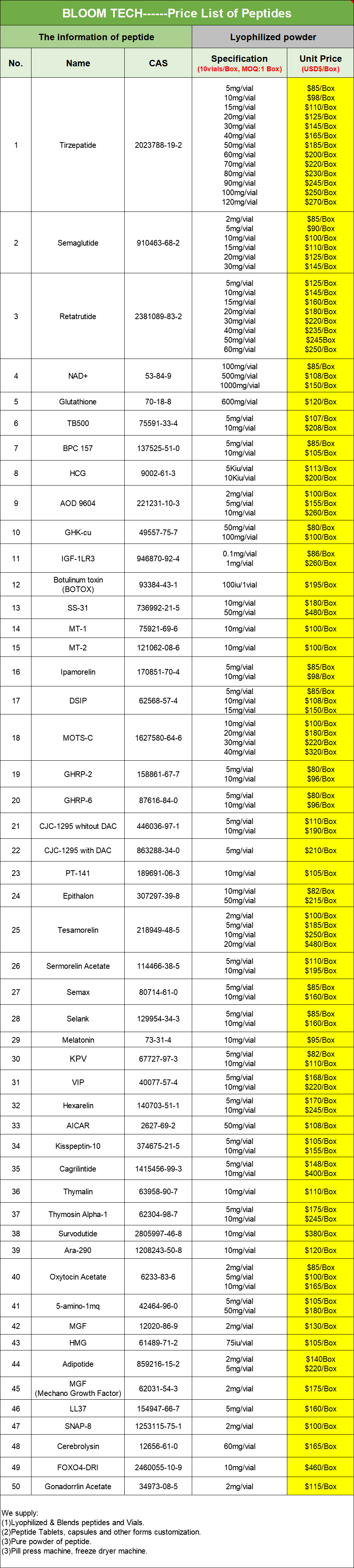
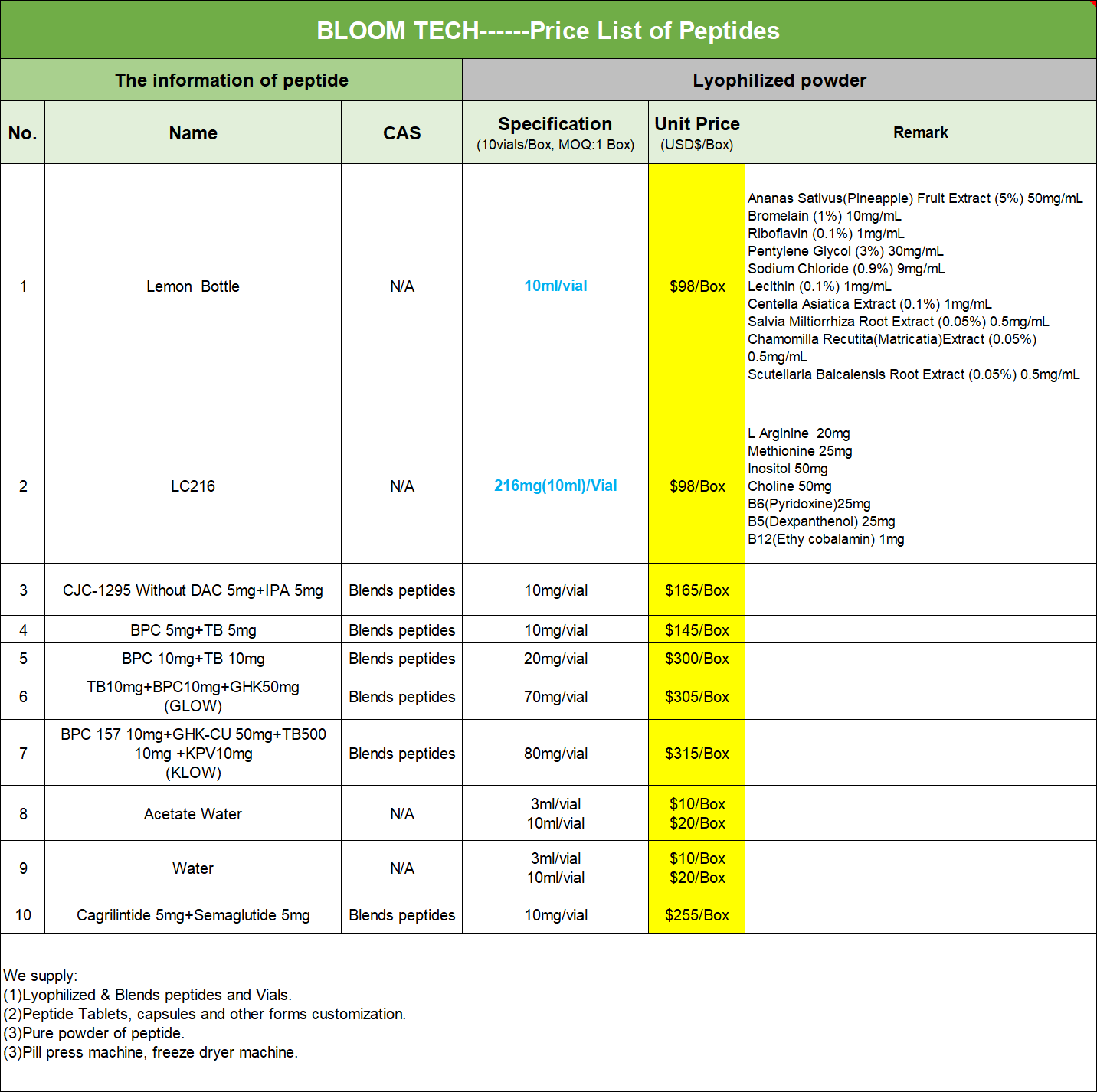
FOXO4-DRI COA
 |
||
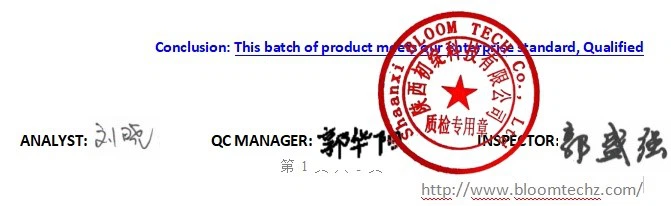
| Certificate of Analysis | ||
| Compound name | FOXO4-DRI | |
| Grade | Pharmaceutical grade | |
| CAS No. | 2460055-10-9 | |
| Quantity | 21g | |
| Packaging standard | PE bag+Al foil bag | |
| Manufacturer | Shaanxi BLOOM TECH Co., Ltd | |
| Lot No. | 202601090056 | |
| MFG | Jan 9th 2026 | |
| EXP | Jan 8th 2029 | |
| Structure | N/A | |
| Item | Enterprise standard | Analysis result |
| Appearance | White or almost white powder | Conformed |
| Water content | ≤5.0% | 0.42% |
| Loss on drying | ≤1.0% | 0.39% |
| Heavy Metals | Pb≤0.5ppm | N.D. |
| As≤0.5ppm | N.D. | |
| Hg≤0.5ppm | N.D. | |
| Cd≤0.5ppm | N.D. | |
| Purity (HPLC) | ≥99.0% | 99.90% |
| Single impurity | <0.8% | 0.24% |
| Total microbial count | ≤750cfu/g | 89 |
| E. Coli | ≤2MPN/g | N.D. |
| Salmonella | N.D. | N.D. |
| Ethanol (by GC) | ≤5000ppm | 550ppm |
| Storage | Store in a sealed, dark, and dry place below 2-8°C | |
|
|
||

Foxo4-dri 18 mg is completely different from the off target defects of early non selective Senolytics drugs. By specifically binding to the DNA binding domain of fox4-dri, it accurately blocks the anti apoptotic signaling pathway mediated by FoxO4 in senescent cells, only inducing apoptosis in senescent cells and almost not causing toxicity to normal proliferating cells. This unique mechanism has shown far greater potential in the treatment of age-related diseases than traditional drugs.
Precise treatment of aging diseases in the bone and joint system

Osteoarthritis is the most common age-related degenerative disease in the elderly population, with a prevalence rate of over 50% in people aged 65 and above. Traditional treatment can only alleviate pain and cannot reverse disease progression, but is the first Senolytics drug to achieve cartilage tissue repair in animal models. In a mouse model of traumatic and age-related osteoarthritis, a single low-dose injection into the joint cavity can clear over 70% of senescent chondrocytes and senescent synovial fibroblasts within 72 hours without damaging normal chondrocytes. Four weeks after administration, the joint cartilage thickness of the test animals significantly increased, and the wear and tear defects on the cartilage surface were repaired. The levels of inflammatory factors IL-6 and TNF - α in the joint fluid decreased by more than 60%, and the joint weight-bearing capacity and walking gait of the mice were significantly improved.
Unlike traditional hormone joint cavity injection, it does not cause further apoptosis of chondrocytes, and long-term repeated administration does not result in side effects such as joint tissue atrophy.
Currently, all preclinical studies for this indication have completed safety evaluations, and it is expected to enter phase I human clinical trials in 2027.
It exhibits a unique bone metabolism regulatory effect on elderly osteoporosis. Aging bone marrow mesenchymal stem cells will abnormally differentiate into adipocytes, inhibiting the generation of osteoblasts. At the same time, aging osteoclast precursor cells will be overactivated, accelerating the process of bone resorption. It can selectively eliminate aging stromal cells in the bone marrow microenvironment, restore the normal osteogenic differentiation ability of bone marrow mesenchymal stem cells, and inhibit excessive activation of osteoclasts.


In a naturally aging elderly mouse model, after 8 weeks of Foxo4 dri intervention, the femoral bone density of the mice increased by 18%, the number of bone trabeculae significantly increased, and the risk of vertebral fractures caused by osteoporosis decreased by 45%. This effect cannot be achieved by traditional bisphosphonates - traditional drugs can only inhibit bone resorption and cannot improve the aging state of the bone marrow microenvironment. In response to the high incidence of degenerative disc disease in the elderly population, it is possible to remove aging nucleus pulposus cells from the intervertebral disc, reduce the degradation of the intervertebral disc matrix by aging related secretory phenotype (SASP) factors, delay the loss of intervertebral disc height, and alleviate chronic low back pain symptoms. Currently, positive preliminary results have been achieved in large animal canine experiments in this direction.
Functional improvement of muscle and motor system aging
Age related muscle atrophy is one of the core causes of disability in the elderly population, with a prevalence rate of over 30% in people over 70 years old. Traditional exercise and nutritional supplements can only slow down the progression and cannot reverse muscle aging. Fox4-dri can accurately remove infiltrated aging muscle satellite cells and aging stromal cells in muscle tissue, relieving the inhibition of aging cells on the regeneration ability of normal muscle stem cells. In an experiment on 24 month old mice, intermittent administration for 3 months resulted in a 12% increase in gastrocnemius muscle weight, a significant increase in muscle cross-sectional area, an increase of over 30% in grip strength and running endurance, a decrease of over 80% in the proportion of senescent cells in muscle tissue, and no muscle toxicity reactions were observed. This result confirms that i can reverse age-related muscle loss by improving the microenvironment of muscle stem cells, providing a new treatment option for sarcopenia in the elderly. It is expected to significantly reduce the risk of falls and disabilities in the elderly population in the future.


Significant synergistic effects have also been demonstrated in the repair of age-related injuries in the sports system. The healing speed of muscle and tendon injuries in elderly individuals is extremely slow, mainly due to the accumulation of aging cells at the site of injury, which continuously release inflammatory factors and block the normal repair process of tissues. In the tibialis anterior muscle injury model of elderly mice, local injection of Foxo4 dri can quickly eliminate aging cells at the injury site, doubling the healing speed of muscles. The muscle strength recovery rate after 2 weeks of injury increased from 40% in the control group to 90%. In the Achilles tendon injury model, intervention can reduce the accumulation of aging tendon cells, lower the probability of postoperative tendon adhesion, and enhance the tensile strength of tendons. This application has high clinical value in the rehabilitation treatment of elderly sports injuries.
Intervention and Protection of Neurological and Cognitive Aging
The pathogenesis of neurodegenerative diseases such as Alzheimer's disease is highly correlated with the accumulation of aging glial cells in the brain. Traditional treatment plans targeting A β have limited clinical benefits, but they provide new intervention ideas for such diseases. In APP/PS1 Alzheimer's disease model mice, after peripheral systemic administration, the drug can penetrate the blood-brain barrier and specifically clear aging astrocytes and microglia in the brain, reducing the damage to neurons caused by pro-inflammatory cytokines released by these aging cells. After 3 months of administration, the proportion of senescent cells around A β plaques in the brain of the model mice decreased by 65%, and the spatial memory and cognitive functions of the mice were significantly improved. The neuronal loss rate in the hippocampus was also significantly reduced.


Unlike other Senolytics compounds that cannot penetrate the blood-brain barrier, its small molecule properties allow it to effectively enter the central nervous system, which is its unique advantage in the field of neuroaging treatment.
For vascular cognitive impairment, it is possible to eliminate aging cells in the cerebral microvascular endothelium, improve the perfusion status of cerebral microcirculation, and reduce neuronal damage caused by chronic cerebral ischemia. In the chronic cerebral hypoperfusion model of elderly mice, intervention can increase cortical blood flow, reduce oxidative stress levels in brain tissue, and significantly restore learning and memory abilities in mice. In response to age-related hearing loss, foxo4-dri 18 mg can clear aging hair cells and support cells in the Corti apparatus of the inner ear, delaying age-related apoptosis of auditory hair cells. In an experiment on 18 month old mice, the high-frequency hearing threshold of the mice decreased by 15 decibels after administration, effectively delaying age-related sensorineural hearing loss.

It is an emerging targeted small molecule compound in the field of aging and tumor research in recent years. Its discovery and development history by year can be summarized as follows:
The world's first functional research on transcription factors was released, which for the first time clarified the core regulatory role in cellular aging and oxidative stress pathways. It was confirmed that abnormally high expression in aging cells can inhibit the normal apoptosis program of cells, laying a theoretical foundation for subsequent development of targets.
The aging research team at Erasmus University Rotterdam in the Netherlands validated the specific function of blocking FoxO4 through gene knockout experiments, which can induce aging cells to enter the apoptosis program. They first proposed the development of selective inhibitors as a new research direction for Senolytics (drugs that clear aging cells).
Multiple independent research teams confirmed the existence of abnormally high expression in various tumor cells, which is involved in regulating drug resistance and proliferation of tumor cells, further expanding potential application scenarios, and promoting the development of related drugs from basic theory to lead compound screening stage.
The world's first FoxO4 specific targeting small molecule Foxo4 dri prototype compound was officially synthesized. The compound specifically binds to the DNA binding domain of FoxO4, blocking its downstream signal transduction, and successfully induces apoptosis of senescent cells in vitro cell experiments with extremely low toxicity to normal cells. The related research results were published in the journal Cell Reports, marking the official entry into the solid compound validation stage.
The research team completed the first in vivo animal experiment. After administration in a premature aging mouse model, the aging related symptoms of the mice were significantly improved, and their lifespan was extended by about 25%. At the same time, no obvious toxic side effects were observed. This achievement made it the most promising candidate compound in the field of aging research that year.
Research on the expansion of cancer direction showed that it can reverse the resistance of various chemotherapy resistant tumor cells. When used in combination with traditional chemotherapy drugs, it can increase tumor inhibition rate by more than 40%. Relevant patents have been submitted in multiple countries around the world, promoting the transformation of this compound from laboratory research to industrial stage.
The second generation optimized derivatives completed structural modifications, further improving the in vivo metabolic stability and target selectivity of the compounds. The pharmacokinetic parameters were significantly optimized, and effective administration can be achieved through oral route, clearing obstacles for subsequent animal safety evaluations.
The world's first systematic preclinical safety evaluation was completed, confirming that the compound has no significant liver, kidney, or hematopoietic toxicity at therapeutic doses and meets the basic conditions for entering clinical trials. Multiple biopharmaceutical companies have begun to lay out drug development pipelines for this target.
Two derivative projects targeting osteoarthritis and age-related muscle atrophy submitted IND clinical trial applications, marking the official transition of these compounds from basic research to human clinical validation.
The latest public research shows that progress has been made in the application research of foxo4-dri 18 mg in new scenarios such as anti-aging skincare and radiation damage protection. The development of related topical preparations has entered the preclinical stage, and the application boundaries are still expanding.
References
1.Baar M P, et al. Targeted Apoptosis of Senescent Cells Restores Tissue Homeostasis in Response to Chemotoxicity and Aging. Cell, 2017, 169(1): 132-147.e16. (Foxo4-dri The original literature that first publicly reported the prototype compound is a foundational research in this field
2. Jeon O H, et al. Local clearance of senescent cells attenuates the development of post-traumatic osteoarthritis and creates a pro-regenerative environment. Nature Medicine, 2017, 23(7): 775-781.
3. Childs B G, et al. Senescent cells: a therapeutic target for age-related diseases. Nature Medicine, 2017, 23(7): 776-786.
4.Ogrodnik M, et al. Cellular senescence drives age-dependent hepatic steatosis. Nature Communications, 2017, 8: 15691.
5. Xu M, et al. Senolytics improve physical function and increase lifespan in old age. Nature Medicine, 2018, 24(8): 1246-1256.
Hot Tags: foxo4-dri 18 mg, China foxo4-dri 18 mg manufacturers, suppliers, glucagon peptide like 1, glucagon tablet uses, hcg 5000 iu, prilocaine felypressin, Sermorelin Drops, sermorelin sublingual


