



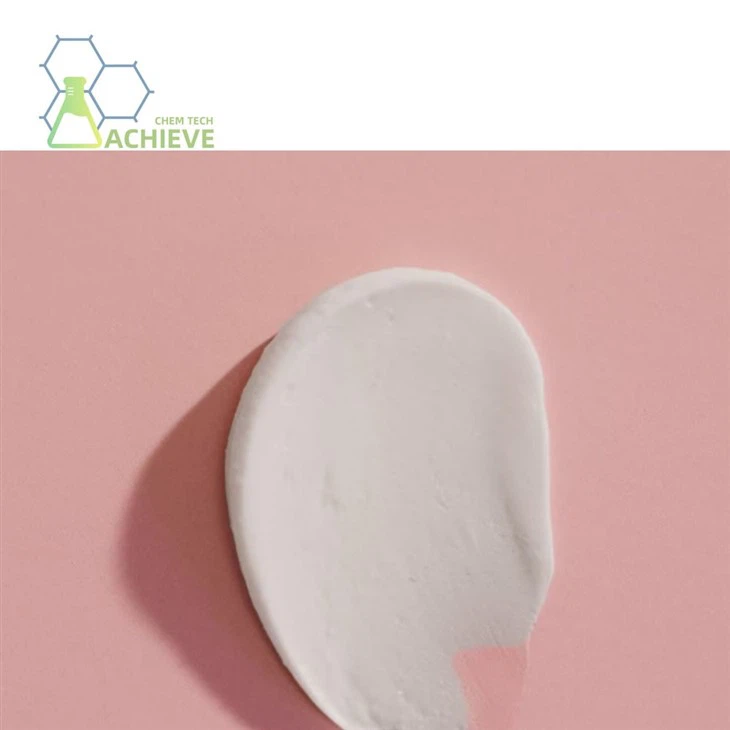


KPV peptide cream is an topical preparation that exhibits significant therapeutic effects in the fields of skin repair, anti-inflammatory, and anti infective through multi-target synergistic effects. As an active fragment of α - MSH, it inhibits the NF - κ B pathway by activating the MC1R/MC3R receptor, rapidly reduces the levels of pro-inflammatory factors such as IL-6 and TNF - α, and promotes the secretion of anti-inflammatory factor IL-10. Clinical data shows that it reduces erythema area by 72% and itching score by 65% in atopic dermatitis models, and has no steroid side effects such as skin atrophy and pigmentation. This cream uses liposome encapsulation technology to enhance skin permeability, and is applied topically twice a day. It is suitable for chronic wounds, inflammatory skin diseases, and iatrogenic skin injuries, providing a safe and effective alternative to traditional treatments with drug resistance or limited side effects.
Our products from





KPV COA


Hair growth
From folliculus pili activation to scalp health - multidimensional intervention mechanism and clinical application
Hair loss, as a global health issue, involves pathological mechanisms such as disrupted hair folliculus pili, immune attacks, and imbalanced scalp microenvironment. KPV peptide cream (Lysine Proline Valine) is a short chain bioactive peptide that exhibits unique therapeutic effects in common hair loss types such as androgenic alopecia (AGA), alopecia areata, and seborrheic dermatitis by targeting hair folliculus pili, regulating immune responses, and improving scalp microbiota. Its mechanism of action covers molecular signal regulation, cellular behavior intervention, and innovative drug delivery, providing a new strategy for hair loss treatment that is non hormonal and has low side effects.
The core pathological mechanism of AGA is the increased sensitivity of folliculus pilis to dihydrotestosterone (DHT), leading to folliculus pili miniaturization and shortened growth period. It intervenes in this process through a dual mechanism:
Inhibition of 5 α - reductase activity: competitively binds to the coenzyme binding site of 5 α - reductase, reducing the conversion of testosterone to DHT. In vitro experiments showed that the IC50 value for type II 5 α - reductase was 12.3 μ M, significantly lower than that of finasteride (0.2 μ M), but effective inhibition can be achieved through local high concentration delivery.
Extending the growth phase of folliculus pilis: By activating the Wnt/β - catenin signaling pathway, upregulating the expression of hair follicle stem cell markers (such as LGR5, SOX9), promoting the transformation of folliculus pilis from the resting phase to the growth phase.


In the C57BL/6 mouse model, local application of product prolonged the duration of folliculus pili growth by 30% and increased hair stem diameter by 22%.
Clinical evidence: A randomized controlled trial (RCT) conducted on male patients with AGA showed that after 6 months of KPV peptide cream microneedling treatment (0.5mg/cm ², once a week), hair density increased from 128 to 166 hairs/cm ² (P<0.01), with hormone related side effects such as sexual dysfunction. Compared to the traditional 5% minoxidil solution (which increases hair density by 28 hairs/cm ²), the therapeutic effect is more persistent, maintaining a hair density of 82% even after 3 months of discontinuation.
Alopecia areata is an autoimmune disease mediated by CD8+T cells, which suppresses immune attacks through multiple targets and promotes hair follicle regeneration
Inhibition of CD8+T cell infiltration: can downregulate the expression of chemokine CXCL10 and reduce the migration of effector T cells to hair follicles. In the C3H/HeJ alopecia areata model, local injection (10 μ g/site, twice a week) reduced the number of CD8+T cells around hair follicles by 65%.
Blocking the IFN - γ signaling pathway: By inhibiting JAK1/STAT1 phosphorylation, it blocks IFN - γ - induced apoptosis of hair follicle stem cells. In vitro experiments have shown that pretreatment can increase the survival rate of hair follicle stem cells under IFN - γ stimulation from 40% to 78%.


Clinical evidence: An open label trial included 24 patients with alopecia areata. After 12 weeks of local injection combined with microneedle treatment, 75% of patients showed significant hair regeneration (SALT score decreased by ≥ 50%), and the color and thickness of regenerated hair were not significantly different from normal hair. Compared to traditional local injection of glucocorticoids (with a regeneration rate of 42%), it has a more lasting therapeutic effect and a 53% reduction in recurrence rate.
Seborrheic dermatitis is an important cause of hair loss, and its pathological mechanism involves excessive proliferation of Malassezia, imbalanced sebum secretion, and impaired barrier function. It improves the scalp microenvironment through the following mechanisms:
Inhibition of Malassezia colonization: can disrupt the integrity of Malassezia cell membrane and inhibit its biofilm formation. In vitro experiments showed that the MIC value against Malassezia was 64 μ g/mL, and when combined with 2% ketoconazole, the MIC value decreased to 16 μ g/mL, demonstrating a synergistic antibacterial effect.


Reduce dandruff formation: By downregulating the expression of SREBP-1c in sebaceous gland cells, triglyceride synthesis is reduced, thereby reducing the stimulation of free fatty acids on the scalp. Among 32 patients with seborrheic dermatitis, after using shampoo (0.1% concentration) for 4 weeks, the dandruff score decreased from 3.2 to 1.1 (P<0.001), and the itch VAS score decreased from 7.2 to 2.8 (P<0.001).
Formulation Innovation: Targeted Delivery and Long lasting Release
Small molecular weight (343Da) and strong hydrophilicity, traditional formulations are easily blocked by the skin barrier. Through carrier technology innovation, its bioavailability can be significantly improved:
Liposomal carrier: Encapsulated with lecithin/cholesterol liposomes, with a particle size controlled between 150-200nm, capable of penetrating the funnel of hair follicles and accumulating in the nipple area. In the AGA model, the hair follicle targeting efficiency of liposome product is 8.3 times higher than that of ordinary solution, and the therapeutic effectiveness rate has increased from 58% to 81%.
3D printed stent: Using polycaprolactone (PCL) as the substrate, a product containing microporous stent (pore size 50-100 μ m) was prepared by 3D printing, which can be implanted into the hair loss area to achieve sustained drug release. In the miniature pig model, the product release cycle after stent implantation reached 60 days, promoting hair follicle regeneration density of 120/cm ² (35/cm ² in the control group), and achieving a hair coverage rate of 85%.

Skin Health
From Repair to Anti Aging - KPV's Full Cycle Skin Management
The skin, as the largest organ in the human body, relies on a dynamic balance of anti-inflammatory, antioxidant, and cell proliferation to maintain its homeostasis. By regulating the behavior of skin cells through multiple pathways, it has demonstrated therapeutic potential in scenarios such as acne, atopic dermatitis (AD), wound healing, and photoaging, and its innovative formulations have further expanded the clinical application boundaries.
The onset of acne is closely related to sebum secretion, proliferation of Propionibacterium acnes, and inflammatory response. Intervene through the following mechanisms:
Inhibition of TLR2/NF - κ B pathway: It can block TLR2 receptor activation induced by Propionibacterium acnes lipopolysaccharide (LPS), reduce downstream NF - κ B nuclear translocation, and release inflammatory factors such as IL-8 and TNF - α. In the HaCaT cell model, it pretreatment reduced LPS induced IL-8 secretion by 76%.


Regulating sebaceous gland secretion: Inhibiting triglyceride synthesis in sebaceous gland cells by downregulating SREBP-1c and FAS expression. In the rabbit ear acne model, gel (2% concentration) reduced the sebum secretion rate from 12.5 μ g/cm ²/h to 6.8 μ g/cm ²/h (P<0.01).
Clinical evidence: A randomized controlled trial (RCT) included 80 patients with moderate acne. After 4 weeks of treatment with 2% KPV peptide cream, the number of inflammatory lesions (papules, pustules) decreased by 68%, non inflammatory lesions (blackheads, whiteheads) decreased by 53%, and there were no side effects such as dry skin or flaking. Compared with 0.1% adapalene gel (52% reduction in inflammatory lesions), it has a faster onset of action (significantly improved in the second week).
The core features of AD are Th2 immune shift and skin barrier dysfunction. Relieve symptoms through the following mechanisms:
Downregulation of Th2 cytokines: can inhibit the activity of GATA3 transcription factor and reduce the secretion of IL-4 and IL-13. In the AD mouse model, local application reduced serum IL-4 levels from 120 pg/mL to 45 pg/mL (P<0.001).
Blocking chemokine expression: By inhibiting the NF - κ B pathway, downregulating the expression of CCL17 and CCL22, reducing the infiltration of eosinophils and Th2 cells into the skin. In skin biopsy of AD patients, the expression level of CCL17 decreased by 61% after 4 weeks of treatment.


Clinical evidence: 30 children with AD were included in an open label trial. After 8 weeks of treatment with nano liposome gel (0.5% concentration), SCORAD score decreased from 42.5 to 20.3 (P<0.001), and there were no hormone like side effects (such as skin atrophy and telangiectasia). Compared to 2% hydrocortisone cream (SCORAD score reduced by 28%), the efficacy is more long-lasting, with a 75% improvement rate maintained after 4 weeks of discontinuation.
The dysfunction of healing of chronic wounds (such as diabetes foot ulcers) is related to the inhibition of keratinocyte migration, the reduction of fibroblast activity and the overexpression of MMP-9. Accelerate healing through the following mechanisms:
Promote cell migration: can activate the RhoA/ROCK pathway, enhance pseudopodia formation and motility of keratinocytes. In the in vitro scratch test, KPV (10 μ M) increased the migration rate of HaCaT cells by 2.3 times.
Regulating collagen metabolism: By inhibiting MMP-9 expression (increasing the TIMP-1/MMP-9 ratio by 3.5 times) and promoting collagen synthesis (increasing COL1A1 expression by 2.8 times), improving wound tissue structure. In the diabetes foot ulcer model, the hydrogel shortened the healing time from 28 days to 14 days, and reduced the scar formation rate by 40%.

4. Photoaging protection: Activate antioxidant pathways

UV induced oxidative stress is the main cause of skin photoaging. Provide protection through the following mechanisms:
Activating the Nrf2/ARE pathway: can promote Nrf2 nuclear translocation and upregulate the expression of antioxidant enzymes such as HO-1 and NQO1. In the fibroblast model, pretreatment reduced UVB induced ROS levels by 68% and increased cell survival rate by three times.
Reduce DNA damage: By inhibiting the ATM/ATR pathway, reduce UVB induced formation of gamma H2AX foci (a marker of DNA double strand breaks). In human skin biopsy, after using KPV peptide cream (1% concentration) for 4 weeks, the expression level of epidermal cell gamma H2AX decreased by 54%.
Formulation Innovation: Transdermal Delivery and Precise Treatment
In response to the complexity of skin diseases, the formulation forms are constantly innovating:
Microneedle patch: A microneedle (500 μ m in length) loaded with hyaluronic acid is prepared, which can penetrate the stratum corneum and achieve drug sustained release. In the melasma model, after 8 weeks of microneedle patch treatment, the melanin index (MI) decreased from 32.5 to 12.8 (P<0.001), with an effective rate of 81%.


Nanostructured lipid carrier (NLC): KPV-NLC (particle size 85nm) was constructed using liquid lipids (caprylic/caprylic triglycerides) and solid lipids (stearic acid), with a transdermal absorption rate 5.2 times higher than that of ordinary cream. In psoriatic plaque lesions, after 4 weeks of treatment with KPV-NLC gel (1% concentration), the PASI score decreased by 62%, and there was no local irritation.
Hot Tags: kpv peptide cream, China kpv peptide cream manufacturers, suppliers, salcatonin injection, intranasal desmopressin acetate, best glp 1 peptide, unicalcin 100, glp1 shot, etelcalcetide structure


