


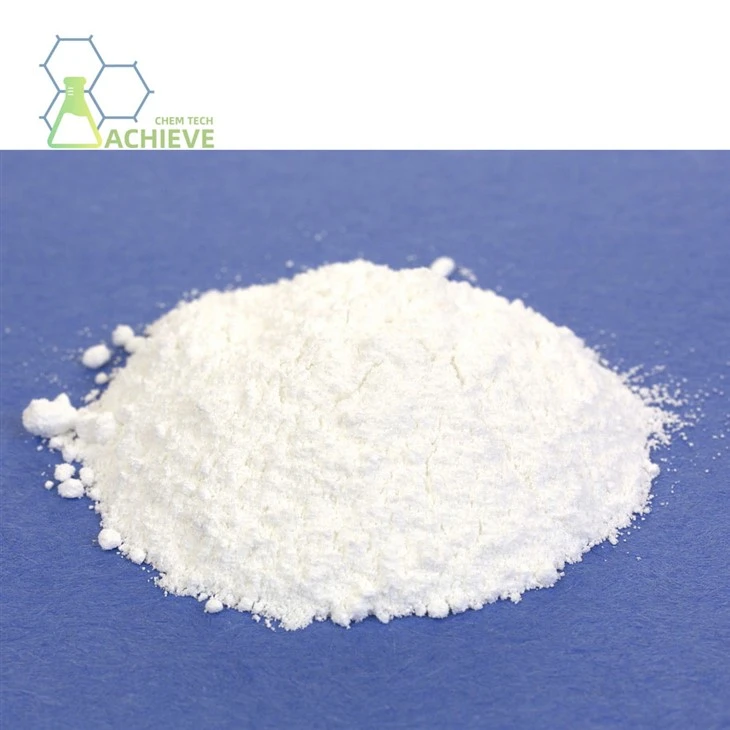

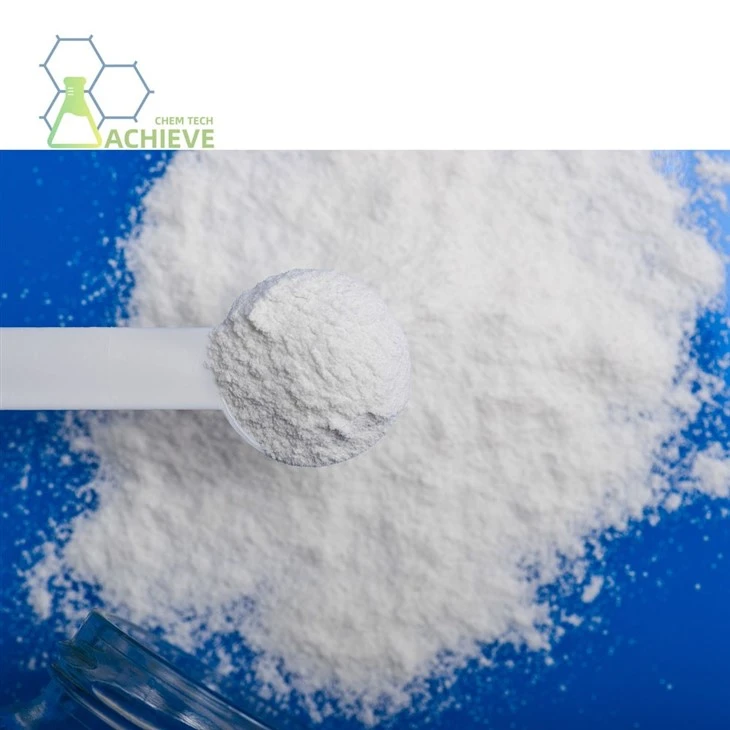


Yak Bone Peptide is a small molecule oligomeric peptide mixture made from high-altitude yak bone through enzymatic or acid hydrolysis processes. Its main components are bone collagen peptides and minerals such as calcium and zinc. It is a white powder that is easily soluble in water and belongs to the category of nutritional fortifiers or food ingredients. It is used as a dietary supplement to support bone health, promote calcium absorption, assist joint maintenance, and provide nutrition. It is applied in the fields of food, health products, and cosmetics.
Our Products Form



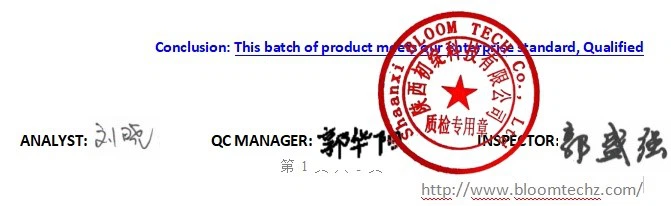
Yak Bone Peptide COA
 |
||
| Certificate of Analysis | ||
| Compound name | Yak Bone Peptide | |
| Grade | Pharmaceutical grade | |
| Quantity | 50g | |
| Packaging standard | PE bag+Al foil bag | |
| Manufacturer | Shaanxi BLOOM TECH Co., Ltd | |
| Lot No. | 202601090059 | |
| MFG | Jan 9th 2026 | |
| EXP | Jan 8th 2029 | |
| Item | Enterprise standard | Analysis result |
| Appearance | White or almost white powder | Conformed |
| Water content | ≤5.0% | 0.37% |
| Loss on drying | ≤1.0% | 0.75% |
| Heavy Metals | Pb≤0.5ppm | N.D. |
| As≤0.5ppm | N.D. | |
| Hg≤0.5ppm | N.D. | |
| Cd≤0.5ppm | N.D. | |
| Purity (HPLC) | ≥99.0% | 99.90% |
| Single impurity | <0.8% | 0.65% |
| Total microbial count | ≤750cfu/g | 80 |
| E. Coli | ≤2MPN/g | N.D. |
| Salmonella | N.D. | N.D. |
| Ethanol (by GC) | ≤5000ppm | 500ppm |
| Storage | Store in a sealed, dark, and dry place below 2-8°C | |
|
|
||

Yak Bone Peptide (YBP) is a small molecule active oligopeptide mixture obtained from the collagen of yak bones on the Qinghai Tibet Plateau through composite directed enzymatic hydrolysis and ultrafiltration fractionation purification. The proportion of components with a molecular weight of less than 3000 Da is 91.8%. It is enriched with characteristic active peptide sequences such as GP-12, MGF, KC7, and GK-22, and is rich in collagen characteristic amino acids such as glycine, proline, and hydroxyproline. At the same time, it naturally chelates trace elements such as zinc, magnesium, and strontium. Yaks live in extreme environments such as high cold, low oxygen, and strong ultraviolet radiation for a long time. Their bone collagen structure is more stable, and the active peptides obtained by enzymatic hydrolysis have stronger antioxidant, cell proliferation promoting, and anti-inflammatory activities.
Raw material characteristics, absorption kinetics, and targeted tissue delivery mechanism
The prerequisite for this substance to exert its repairing effect on tendons and ligaments is the efficient absorption of small molecule oligopeptides across the intestine, targeting the connective tissue injury area through blood circulation, while also having dual functions of substrate supply and signaling molecules.
The raw materials were selected from the limb bones of adult yaks on the Qinghai Tibet Plateau. The collagen triple helix dense structure was broken down by ultrasound assisted formic acid pretreatment, followed by directed enzymatic hydrolysis with composite proteases and gradient ultrafiltration desalination purification to remove large molecule ineffective proteins. The molecular weight of the finished product mainly ranges from 100 to 3000 Da, with a high proportion of dipeptides, tripeptides, and oligopeptides;


Mass spectrometry identification detected multiple characteristic active peptide sequences including GP-12, MGF, KC7, and GK-22, enriched with glycine, proline, and hydroxyproline, as well as zinc, magnesium, and organic strontium chelated with peptide chains.Compared with plain yellow cattle bone peptides, yak bone derived peptides have a 20% to 30% increase in free radical scavenging ability and stronger activity in promoting tendon cell proliferation. The molecular weight of intact large molecule collagen can reach 300 kDa, which is difficult to be fully decomposed by the digestive tract; Yak bone small molecule oligopeptides have unique transport advantages.
The intestinal epithelial oligopeptide transporter PepT1 can specifically recognize oligopeptides composed of 2-6 amino acids, without relying on free amino acid transport channels or competitive inhibition. A large amount of dipeptides and tripeptides in it are absorbed by the intestinal epithelium in their intact form, and can enter the portal vein circulation 15-30 minutes after oral administration; Medium molecular weight oligopeptides can cross barriers through paracellular pathways.


Caco-2 monolayer cell simulated digestion experiments confirmed that some characteristic peptide segments retained their complete active sequences after gastrointestinal digestion and entered the circulation. The active peptides that enter the bloodstream are transported to the connective tissues throughout the body, and are recognized and bound by integrin receptors (α 2 β 1, α 11 β 1) and DDR receptors on the surface of tendon cell membranes, initiating intracellular signaling.
Previous studies generally believed that collagen peptides were simple amino acid supply materials, but modern molecular biology has confirmed that this product has dual functions. Firstly, substrate supply function: continuously supplying glycine, proline, and hydroxyproline as the basic raw materials for tendon cells to synthesize new collagen; Secondly, signal regulation function: The complete active oligopeptide binds to cell membrane receptors, activating multiple pathways that promote matrix synthesis, regulating cell proliferation, differentiation, and matrix metabolism balance. This is also the core reason why its repair effect is much better than that of pure amino acid mixtures.

Regulating the proliferation and directed differentiation core pathway of tendon stem cells and tendon cells
Tendon stem cells (TSPCs) are seed cells for self repair of tendons. Whether they can effectively proliferate and differentiate into tendon cells after injury directly determines the success or failure of repair. Yak bone peptide synergistically regulate cell fate through multiple signaling pathways.

TGF - β 1 is the most critical growth factor regulating the synthesis of extracellular matrix in tendon cells. Yak bone active peptides bind to cell membrane integrin receptors, upregulating cell autocrine TGF-β 1. TGF - β 1 binds to type II receptors and activates Smad2/3 phosphorylation. Smad complexes enter the nucleus with Smad4, initiating transcription of Col1a1 and Col3a1 genes and regulating type I and III collagen synthesis, respectively.During the proliferation phase, moderately increasing Col3a1 expression promotes rapid filling of defects with temporary matrix;
Entering the remodeling phase, gradually upregulating Col1a1 transcription, promoting continuous synthesis of type I collagen, and optimizing the ratio of type I/III collagen. Simultaneously, pathway activation promotes the synthesis of core proteoglycans and proteoglycans, improving the microenvironment for collagen fiber assembly.


The in vitro experiments of tendon stem cells showed that the intervention of this product significantly increased cell proliferation rate, upregulated the expression of tendon specific marker Tenomonidin (TNMD), inhibited the abnormal differentiation of stem cells into osteoblasts and adipocytes, and reduced the risk of ectopic ossification.
This product activates the MAPK/ERK cascade phosphorylation, promoting targeted migration of tendon stem cells to the site of injury; Simultaneously upregulate the anti apoptotic protein Bcl-2 and downregulate the pro apoptotic protein Bax, reducing the apoptosis of tendon cells induced by oxidative stress and inflammatory factors. The survival rate of cells in the damaged area is increased, ensuring continuous synthesis of the matrix.

PI3K/Akt pathway: maintaining cellular homeostasis and amplifying repair signals

KC7, MGF and other characteristic peptide segments activate the PI3K/Akt pathway, synergistically enhancing the matrix synthesis effect with the TGF-β pathway; Simultaneously improving mitochondrial function, enhancing cellular antioxidant capacity, and combating cell damage caused by local ROS accumulation.
Remote control of tendon and ligament repair through intestinal connecting tissue axis
In recent years, the theory of "gut skeletal axis" has been further extended to the gut connective tissue axis: the integrity of the gut barrier, metabolic products of gut microbiota, and systemic inflammation levels can remotely regulate the metabolism of tendons and ligament matrix throughout the body. Yak bone peptide regulate the gut microbiota and form a systemic collaborative repair loop.
Sports trauma, long-term high-intensity training, and stress response can increase intestinal permeability, leading to "intestinal leakage". Lipopolysaccharide LPS enters the bloodstream and induces systemic low-grade inflammation, continuously inhibiting tendon repair. Yak small molecule peptides serve as nutritional substrates for intestinal epithelium, upregulating the expression of tight junction proteins Occludin and Claudin-1, strengthening the intestinal barrier, reducing the entry of endotoxins into the bloodstream, lowering systemic inflammatory load, and eliminating systemic inhibitory factors for distal connective tissue repair.

Regulating gut microbiota and increasing short chain fatty acid production

It has prebiotic properties and can increase the abundance of intestinal bifidobacteria, lactobacilli, and butyrate producing bacteria, promoting the production of acetic acid, propionic acid, and butyric acid. The various positive effects of short chain fatty acids: acidifying the intestines and enhancing mineral absorption; Inhibit systemic inflammatory signal transduction; Indirectly regulate the levels of growth factors in the circulation and assist in tendon matrix synthesis; Improve the body's energy metabolism and provide sufficient substrate supply for injury repair.
Reference
- Ye Min, wait. Yak collagen derived peptides stimulate cell proliferation by activating the Wnt/β - catenin signaling pathway. Journal of Food and Agricultural Science, 2020.
- Chen Li, Liu Zhenfeng. Study on the antioxidant activity of yak bone collagen peptide and its effect on the function of connective tissue fibroblasts J Food Industry Technology, 2024
- Frontiers in Physiology. Regulation of collagen turnover by tendon healing stage and bioactive peptides [J]. two thousand and twenty-five
- Yak (Bos grunniens) bones collagen-derived peptides stimulate osteoblastic proliferation and differentiation via the activation of Wnt/β-catenin signaling pathway https://pubmed.ncbi.nlm.nih.gov/31975417/
- Antifatigue and microbiome reshaping effects of yak bone collagen peptides on Balb/c mice https://www.sciencedirect.com/science/article/abs/pii/S2212429223000986
Hot Tags: yak bone peptide, China yak bone peptide manufacturers, suppliers, best rated hcg diet drops, biotinoyl tripeptide 1 hair loss, desmopressin sublingual tablet, glucagon tablet, Sermorelin Acetate Powder, suprecur spray


