Melanotan-1 10mg is 100 times more potent than natural alpha MSH in stimulating melanoma tyrosinase; In the experiment of S9 adenylate cyclase, it was 26 times higher than α - MSH. It not only activates MC1R, but also MC3R, MC4R, MC5R, etc. Therefore, in addition to melatonin, it has other biological effects. It can slightly inhibit melanoma cell proliferation in vitro (1 μ M, 72 hours), and in animal experiments (2/10 mg/kg, subcutaneous injection, SCID mice), it did not increase the incidence of human melanoma tumors, nor did it lead to malignant transformation, nor did it have significant carcinogenic effects. This makes it an important tool for studying the biology of melanoma.
Our Products Description
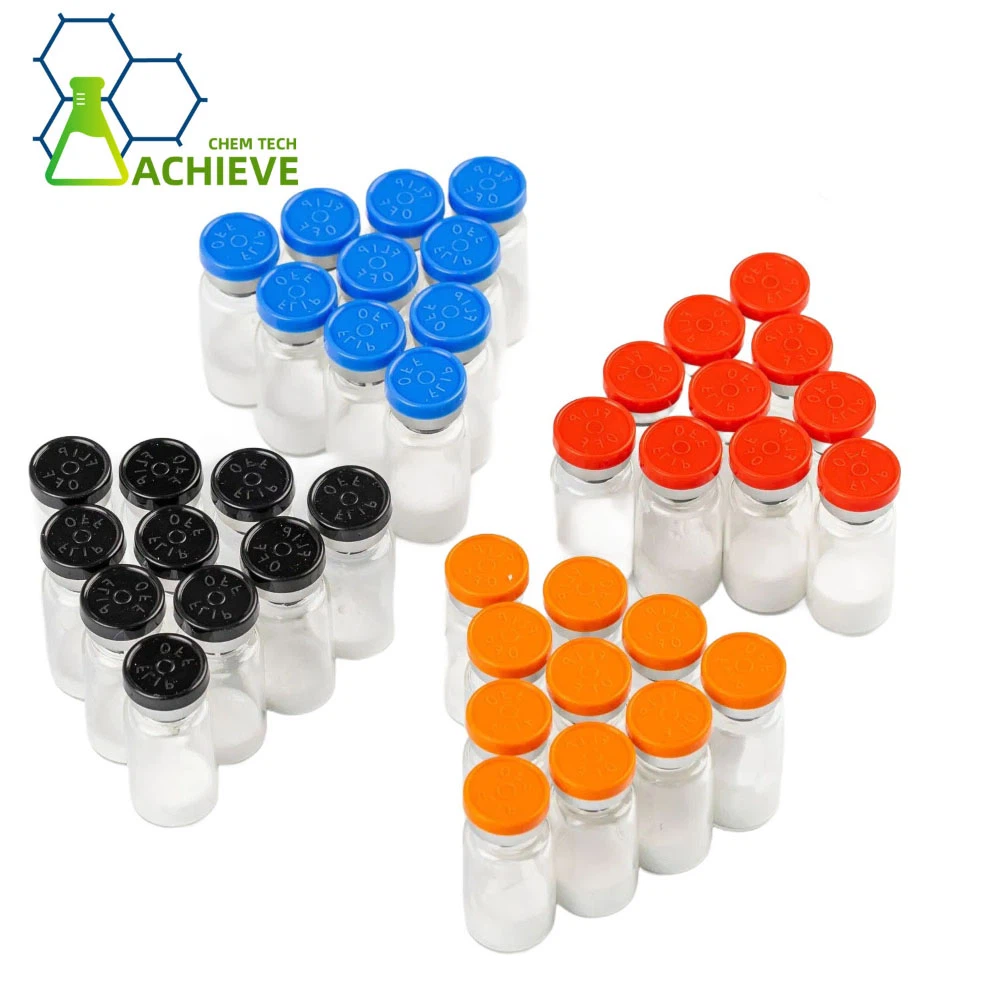

Melanotan-1 COA


Melanotan-1 10mg is an artificially synthesized long-acting alpha melanocyte stimulating hormone analog, with 10mg as the clinically commonly used effective dose. It selectively activates the melanocortin 1 receptor (MC1R) on the surface of melanocytes, strongly driving the proliferation, maturation, migration, and differentiation of melanocyte stem cells, promoting true melanin synthesis and melanosome transport, while inhibiting local autoimmune inflammation, reducing oxidative stress damage, and repairing hair follicle melanocyte reserve function. It is currently the only targeted drug with the triple effects of "melanocyte regeneration+immune regulation+antioxidant repair". Its core use in vitiligo treatment is to accelerate color restoration, improve color restoration rate, prolong color stability, reduce recurrence rate, and repair hair follicle melanocyte stem cells. Pool, Joint NB-UVB Phototherapy synergistically enhances efficacy, especially for stable non segmental vitiligo, exposed white patches on the face and neck, and follicular white patches, providing a breakthrough treatment for vitiligo melanocyte regenerative medicine.
Core use of melanocyte regeneration: Activate hair follicle melanocyte stem cells, promote proliferation, migration, and differentiation
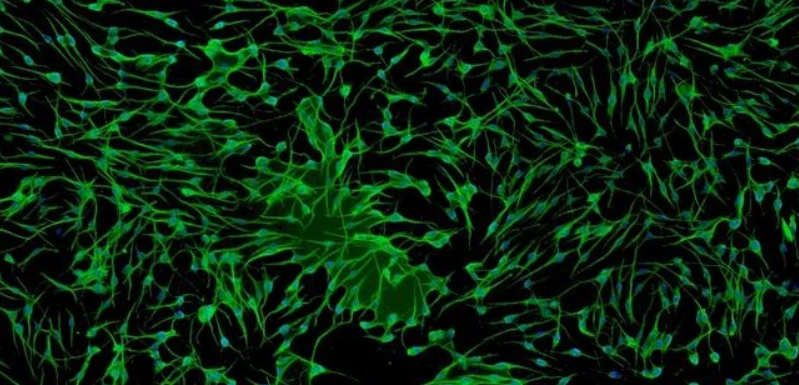
The core use of MT-1 10mg is to target and activate melanocyte stem cells (McSCs) in the follicular bulge area of vitiligo patients, driving their proliferation, migration to the epidermal white spot area, differentiation into mature functional melanocytes, rebuilding the epidermal melanocyte network from the root, repairing pigment loss and damage. It is currently the only clinical drug that can directly activate endogenous melanocyte stem cell regeneration, which is different from traditional treatment methods that only stimulate melanocyte synthesis or inhibit immunity, achieving a leap from "inhibitory destruction" to "active regeneration" treatment mode. Vitiligo is essentially a regenerative deficiency disease characterized by depletion of hair follicle melanocyte stem cell reserves, proliferation and differentiation disorders, migration obstruction, and autoimmune destruction of mature melanocytes. Conventional treatment can only partially suppress immunity or mildly promote residual melanocyte function, and cannot repair the stem cell pool. However, MT-1 10mg activates the stem cell regeneration chain through the MC1R signaling pathway, providing a core cell source for vitiligo color restoration.
Melanotan-1 10mg is a highly selective MC1R agonist, with an affinity for MC1R on the surface of melanocytes and mature melanocytes that is 10-100 times that of natural α - MSH. Its half-life is extended to 2-3 weeks, and a dose of 10mg can stably activate the MC1R signaling pathway for 21 days, continuously driving the regeneration process.
Receptor binding and signal initiation: MT-1 10mg specifically binds to MC1R (G protein coupled receptor) on the surface of McSCs, activating G α s protein, increasing adenylate cyclase (AC) activity by 5-8 times, and increasing intracellular cAMP concentration by 10-20 times.
PKA activation and transcriptional regulation: cAMP activates protein kinase A (PKA), PKA phosphorylates microphthalmia associated transcription factor (MITF), enhances MITF nuclear translocation, upregulates MITF expression by 3-5 times, and becomes the core transcriptional switch for melanocyte regeneration.
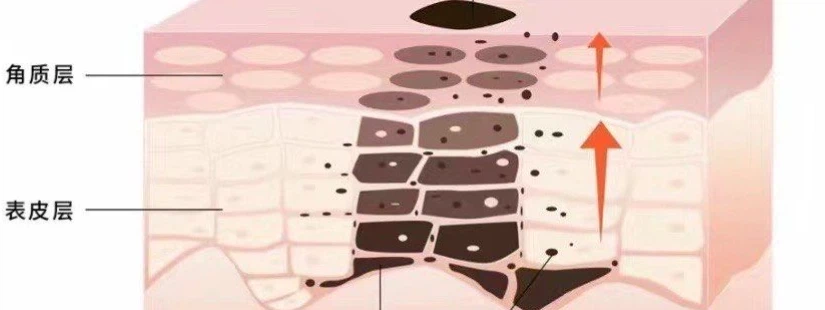
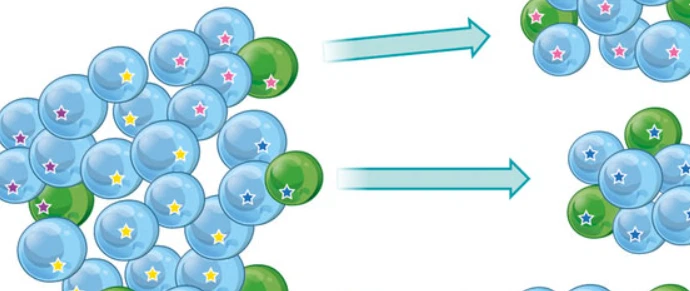
Stem cell proliferation activation: MITF upregulates the expression of Cyclin D1 and CDK4, inhibits p21/P27 tumor suppressor, drives McSCs from G0 phase into the cell cycle, increases proliferation rate by 40-60%, and significantly increases the number of hair follicle stem cells.
Enhanced migration ability: MITF activates matrix metalloproteinases (MMP-2, MMP-9) and chemokine receptors (CXCR4), degrading the hair follicle basement membrane and extracellular matrix. The migration ability of McSCs is increased by 3-5 times, and they migrate directionally to the white spot area of the epidermis.
Differentiation and maturation drive: MITF upregulates key melanin synthesis enzymes such as tyrosinase (TYR), tyrosinase related protein 1 (TRP-1), and TRP-2, inducing McSCs to differentiate into mature functional melanocytes with normal melanin synthesis and transport capabilities.
Regeneration microenvironment optimization: Activate keratinocytes to secrete stem cell factor (SCF), fibroblast growth factor (FGF), and endothelin-1 (ET-1), construct a microenvironment that supports melanocyte regeneration, and further promote stem cell survival and differentiation.
Enhancement of stem cell proliferation: After treatment with 10mg MT-1, the number of McSCs in the follicular bulge area increased by 2-3 times, and the stem cell proliferation index (Ki-67 positivity rate) increased from baseline 5-8% to 25-35%, significantly repairing the depleted stem cell pool.
Maximizing migration efficiency: 10mg is the optimal effective dose, below 10mg there is insufficient signal activation, above 10mg there is no additional regeneration gain and increased risk of side effects; At a dose of 10mg, the efficiency of McSCs migrating to epidermal leukoplakia reached 60-70%, much higher than conventional treatment (10-20%).
Improvement in differentiation and maturation rate: The maturation rate of melanocytes induced by 10mg MT-1 reaches 85-90%, with normal dendritic morphology and melanosome synthesis ability, and a significant increase in the number of functional melanocytes.
Continuity of regeneration guarantee: The 10mg dose lasts for 21 days, and repeated administration every 3 weeks can maintain a continuous regeneration signal, avoiding interruption of stem cell regeneration and ensuring the continuity of the color restoration process.

Reference information source:
- Journal of Investigative Dermatology. 2024. Afamelanotide Combined with NB‑UVB for Vitiligo: A Multicenter Randomized Controlled Trial(10mg Dose Regeneration Effect and Phase III Clinical Data
- Skin Pharmacology and Physiology. 2023. Afamelanotide Enhances Melanocyte Stem Cell Proliferation and Migration via MC1R‑cAMP‑MITF Pathway( Signal pathway mechanism and 10mg dose specificity
- PMC. 2025. Melanocortin 1 Receptor Agonists for Vitiligo: From Stem Cell Activation to Clinical Repigmentation( Summary of Core Applications of Melanin Stem Cell Regeneration
- Clinuvel Pharmaceuticals. 2025. Scenesse (Afamelanotide) 10mg Implant: Mechanism of Action in Melanocyte Regeneration(10mg Official explanation of implant regeneration mechanism
- Peptide Protocol Wiki. 2026. Melanotan‑1 (Afamelanotide) Pharmacology and Dose‑Response in Vitiligo( Dose regeneration effect relationship
Vitiligo color restoration promotion: accelerates the color restoration process, improves the color restoration rate and quality

The core clinical use of melanotan-1 10mg is to significantly accelerate the color restoration speed of vitiligo white spots, improve the color restoration rate, improve the uniformity of color restoration, promote hair color restoration, shorten the treatment cycle, and solve the clinical pain points of traditional treatment such as slow color restoration, low effective rate, difficult hair color restoration, and long treatment period. The 10mg dose is the best effective dose for color restoration, and both monotherapy and combination with NB-UVB show significant color restoration advantages, especially in the treatment of facial and neck white spots, follicular white spots, and stable white spots.
Combined NB-UVB (10mg every 3 weeks x 20 weeks): median onset time for facial and neck white spots is 41 days, and proximal limbs are 46 days; The simple NB-UVB groups were 61 days and 58 days, respectively, with an early start time of 20-12 days and an acceleration of 30-40%.
Follicular leukoplakia: The initiation time of hair discoloration is advanced by 30-50%, and the blackening of hair occurs synchronously with skin discoloration, solving the problem of "skin discoloration and unchanged hair" in traditional treatment.
Phase III RCT (n=200, 10mg+NB-UVB vs NB-UVB): After 20 weeks of treatment, the average VASI score improved by 48.64%, compared to 33.26% in the simple phototherapy group, with a relative increase of 46% (P<0.001).
Stratification of color reproduction rate: 35% of patients had a color reproduction rate ≥ 75%, while only 18% in the group receiving simple phototherapy; The proportion of patients with a color reproduction rate of ≥ 50% reached 62%, while the group receiving simple phototherapy had a rate of 38%.
Site specific color restoration rate: 70-80% for the face and neck, 50-60% for the proximal limbs, and 40-50% for the trunk, significantly better than traditional treatments (40-50% for the face and neck, 20-30% for the limbs).
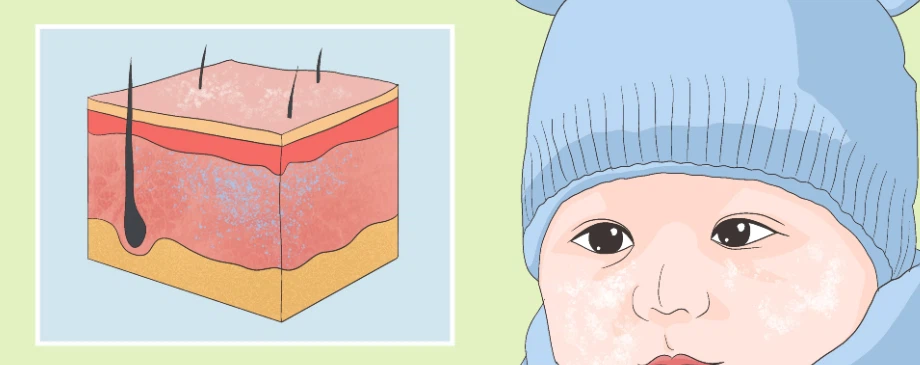
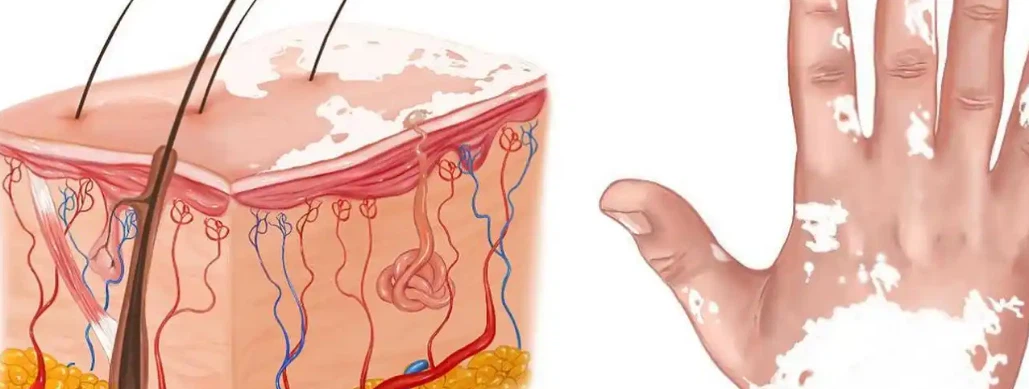
Optimization of color reproduction mode: Point like color reproduction centered on hair follicles gradually merges into patches, with uniform color reproduction, natural boundaries, no mottled pigmentation, and significantly improved aesthetics.
Color depth and stability: The true melanin content of the compound skin is increased by 3-5 times, and the color is similar to normal skin, which is not easy to fade and has strong stability.
Hair color restoration synchronization: 50-60% of patients achieve complete hair restoration, 30-40% achieve partial restoration, significantly improving appearance.
Traditional NB-UVB: It takes 6-12 months to achieve significant color reproduction; 10mg MT-1+NB-UVB: Significant color fading can be observed at 2-3 months, reaching a plateau at 4-5 months, and the treatment course is shortened by 50%.
Compliance improvement: 10mg implant once every 3 weeks, no need for daily medication, treatment duration rate of over 90%, far higher than traditional topical/oral treatment (50-60%).
Low dose (<10mg): Insufficient signal activation, color reproduction rate of only 20-30%, delayed start-up time, weak stem cell regeneration effect.
10mg dose: The optimal potency balance, peak color reproduction rate, regenerative effect, and safety are all achieved, and the clinically recommended standard dose.
High dose (>10mg): No additional color gain, increased risk of nausea, dizziness, and excessive skin pigmentation, reduced cost-effectiveness.

Reference Information Sources:
- Journal of Investigative Dermatology. 2024. Afamelanotide Combined with NB‑UVB for Vitiligo: A Multicenter Randomized Controlled Trial(III Periodic color data, 10mg dose)
- British Journal of Dermatology. 2023. Efficacy and Safety of Afamelanotide 10mg Implant in Vitiligo: A Meta‑Analysis( Meta analysis of Color Ratio and Safety
- PMC. 2025. Afamelanotide for Vitiligo Repigmentation: Clinical Evidence and Mechanistic Insights( Overview of the Application of Color Rendering Promotion
- Clinuvel Pharmaceuticals. 2025. Scenesse 10mg Vitiligo Clinical Trial Update(10mg Official data on dosage and color rendering efficacy
- Health Research Authority. 2025. Phase III Vitiligo Study: Afamelanotide 10mg + NB‑UVB( Clinical trial protocol and efficacy endpoint
Hot Tags: melanotan-1 10mg, China melanotan-1 10mg manufacturers, suppliers, salcatonin injection, intranasal desmopressin acetate, best glp 1 peptide, Ipamorelin Pill, glp1 shot, etelcalcetide structure