Managing your weight isn't just about cutting calories and suppressing your hunger anymore. A new study looks into metabolic interventions at the cellular level, which is where decisions about making energy and storing fat happen. The 5 amino 1mq peptide injection is another huge thing. It offers a way to control weight that doesn't require counting calories; it does it by ceasing proteins from working. This man-made chemical targets nicotinamide N-methyltransferase (NNMT), a protein that is exceptionally active in fat tissue and changes how cells utilize energy. This strategy tries to alter cellular metabolism so that it burns fat while keeping vitality levels unfaltering by changing the activity of NNMT. This strategy contrasts from conventional weight loss strategies like cutting calories or working out more. Treatment can alter body structure, affront affectability, and fat tissue function, according to metabolic disorder models. These discoveries interest pharma enterprises, biotechnology inquire about bunches, and CDMOs looking for weight administration pharmaceutical alternatives. See at how cellular digestion system administers fat storage and energy use to understand this trend.

1.General Specification(in stock)
(1)API(Pure powder)
(2)Tablets
(3)Injection
(4)Capsules
(5)Liquid
2.Customization:
We will negotiate individually, OEM/ODM, No brand, for secience researching only.
Internal Code:KP-3-5/002
NNMTi CAS 42464-96-0
Molecular formula: C10H11N2.I
HS code: N/A
Molecular weight: 286.11
EINECS number: 464-196-0
Main market: USA, Australia, Brazil, Japan, Germany, Indonesia, UK, New Zealand , Canada etc.
Analysis: HPLC, LC-MS, HNMR
Technology support: R&D Dept.-4
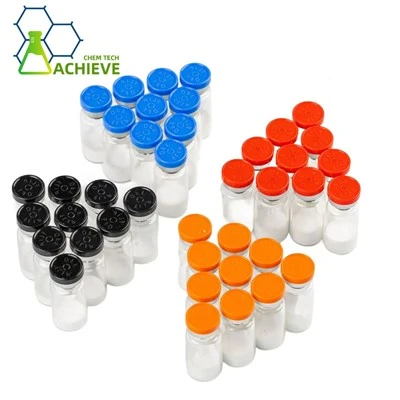
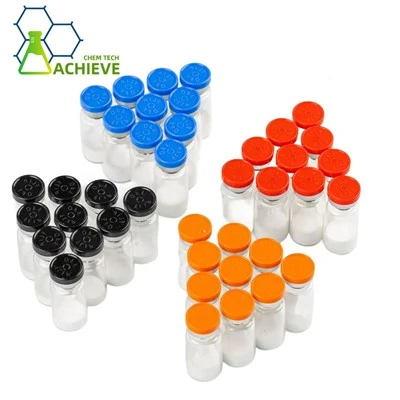
We provide 5-Amino-1MQ Peptide Injection, please refer to the following website for detailed specifications and product information.
Product:https://www.kpeptide.com/peptides-healthy/5-amino-1mq-peptide-injection.html

How 5 Amino 1MQ Peptide Injection Supports Efficient Fat Metabolism?
The enzyme NNMT regulates cellular energy use, especially in white adipose tissue where fat is stored. High NNMT activity lowers NAD+ levels, encouraging fat storage instead of fat burning. The 5 amino 1mq peptide injection inhibits NNMT, allowing NAD+ levels to rise and activating SIRT1 proteins that regulate metabolism. This process reduces the activity of fat-producing enzymes such as FAS and SCD1 while increasing the expression of fat-burning genes like CPT1A and ACOX1, ultimately promoting more efficient lipid metabolism and energy use.

Mitochondrial Function and Energy Processing

Mitochondria are fundamental for converting fat into vitality, and improved mitochondrial work increments fat utilization. Inquire about in diet-induced corpulent mice appeared that treatment improved mitochondrial DNA copies and invigorated mitochondrial biogenesis through the PGC-1α/NRF1/TFAM pathway. Eight-week considers illustrated decreased NNMT movement and increased NAD+ levels in white fat tissue. These biochemical advancements essentially brought down visceral fat mass and upgraded cellular vitality generation, showing that the 5 amino 1mq peptide injection may support efficient metabolic activity and healthier fat metabolism.
Metabolic flexibility refers to the body's ability to switch between glucose and fat for energy depending on nutritional conditions. Obesity and metabolic syndrome often reduce this flexibility, causing the body to rely excessively on glucose. By inhibiting NNMT, the 5 amino 1mq peptide injection restores the body's ability to burn fat efficiently. Studies in treated animals revealed improved fat oxidation during fasting and continued glucose utilization while feeding. This metabolic adaptability also improved insulin sensitivity, lowered fasting blood glucose levels, and reduced insulin resistance markers.

5 Amino 1MQ Peptide Injection for Non-Appetite-Based Weight Management Strategies

Most weight-loss medications work by suppressing appetite or blocking nutrient absorption, often causing compensatory metabolic slowdown. In contrast, the 5 amino 1mq peptide injection focuses on progressing the cellular digestive system without straightforwardly influencing starvation pathways. This permits people to keep up ordinary eating propensities whereas improving fat utilization and vitality use. Preclinical ponders recommend weight decrease happens without bringing down food intake, demonstrating the impacts result from metabolic optimization rather than appetite suppression, possibly progressing long-term adherence to weight management programs.
Maintaining muscle mass during weight loss is critical for preserving metabolic health and physical performance. Research involving long-term treatment in aging mouse models showed that the 5 amino 1mq peptide injection reduced fat mass while increasing quadriceps muscle weight and oxidative muscle strands. Enhancements in grasp quality and continuance were moreover watched. These discoveries recommend the treatment may back solid body composition by advancing fat misfortune whereas protecting or improving incline muscle tissue and in general physical function.

Integration with Physical Activity Protocols

Exercise naturally improves mitochondrial function, insulin sensitivity, and fat oxidation. Studies examining combined treatment and exercise found stronger benefits than either intervention alone. Animals receiving both exercise and the 5 amino 1mq peptide injection demonstrated greater increases in grip strength, ATP production, and mitochondrial performance. Researchers believe this synergy results from simultaneous activation of metabolic pathways such as AMPK and PGC-1α. These findings suggest combining metabolic intervention with regular exercise may optimize energy metabolism and weight management outcomes.

Can 5 Amino 1MQ Peptide Injection Help Improve Long-Term Body Composition?
Body composition involves not only total fat amount but also fat distribution and metabolic activity. Visceral fat is strongly linked to insulin resistance and cardiovascular risk. Preclinical studies indicate the 5 amino 1mq peptide injection preferentially reduces visceral fat tissue due to higher NNMT expression in these fat stores. Creature ponders illustrated considerable diminishments in visceral fat cushion weight after treatment, proposing that the compound may progress metabolic wellbeing by particularly focusing on the most hurtful fat deposits.

Sustained Metabolic Benefits After Treatment Cessation

Long-term weight management requires metabolic improvements that continue after treatment ends. Some evidence suggests the metabolic effects of the 5 amino 1mq peptide injection may hold on past dynamic utilize. Creature thinks about appeared raised greasy corrosive oxidation qualities, moved forward mitochondrial action, and supported NAD+ levels after treatment cessation. These discoveries demonstrate conceivable long-lasting metabolic reconstructing. Be that as it may, extra long-term human thinks about are still fundamental to completely assess the toughness of these metabolic benefits and their affect on body composition maintenance.
Aging commonly leads to fat accumulation and gradual muscle loss, increasing the risk of metabolic decline and physical weakness. Studies in older mouse models found that treatment with the 5 amino 1mq peptide injection improved body composition by decreasing fat whereas protecting muscle mass and physical execution. Analysts too watched improved cognitive markers, counting expanded hippocampal neural connection thickness. These comes about recommend potential benefits for tending to age-related metabolic decrease, in spite of the fact that more clinical investigate in people is required for confirmation.

How 5 Amino 1MQ Peptide Injection Enhances Cellular Energy Expenditure

Thermogenesis is the process of generating heat through metabolic activity and plays an important role in energy expenditure. Evidence suggests the 5 amino 1mq peptide injection may by implication bolster thermogenic movement by expanding NAD+ and actuating SIRT1 and PGC-1α pathways. These components may advance mitochondrial extension and energize "beiging" of white fat tissue, where white fat procures characteristics of energy-burning brown fat. This move may contribute to expanded calorie consumption and moved forward metabolic efficiency.
Mitochondrial respiration converts nutrients into ATP, the main energy source for cellular function. Improved mitochondrial efficiency allows the body to process fat more effectively. Studies showed animals treated with the 5 amino 1mq peptide injection experienced higher resting metabolic rates and increased ATP production without signs of harmful energy depletion. Enhanced mitochondrial activity indicates that the treatment supports healthier energy processing and more efficient oxidative metabolism, contributing to improved overall energy expenditure.

Reducing Metabolic Adaptation During Weight Loss

During weight loss, the body often lowers energy expenditure in response to reduced calorie intake, making continued fat loss difficult. This process, known as metabolic adaptation, contributes to rebound weight gain. By maintaining mitochondrial function and sustaining NAD+ levels, the 5 amino 1mq peptide injection may help reduce this metabolic slowdown. Continued activation of SIRT1 pathways supports stable energy expenditure during fat reduction, potentially making weight management more sustainable than traditional calorie-restriction approaches.

5 Amino 1MQ Peptide Injection and the Shift Toward Sustainable Metabolic Wellness
Obesity-related metabolic disorders are closely associated with chronic low-grade inflammation caused by dysfunctional adipose tissue. Enlarged fat cells release inflammatory cytokines such as IL-6 and TNF-α, impairing insulin function. Studies involving the 5 amino 1mq peptide injection found significant reductions in inflammatory markers and increases in regulatory T cells that suppress inflammation. These anti-inflammatory effects may result from improved adipose tissue health and reduced fat accumulation, supporting better metabolic function and long-term wellness.
Metabolic health is influenced not only by current physiology but also by epigenetic patterns that regulate gene expression. Increased NAD+ levels from the 5 amino 1mq peptide injection activate SIRT1 and related enzymes that modify chromatin structure and restore healthier gene activity. Studies in aging models demonstrated improvements in heterochromatin organization and reductions in abnormal chromatin regions. These findings suggest the treatment may contribute to beneficial epigenetic remodeling associated with healthier metabolic regulation.
Improved metabolic health should also enhance physical and cognitive performance. Research in aging animal models showed that treatment with the 5 amino 1mq peptide injection improved memory, learning ability, grip strength, and endurance. Increased hippocampal synapse density suggested structural brain improvements accompanied metabolic changes. These functional gains indicate that the compound may support broader quality-of-life benefits beyond weight reduction alone, including better physical capability and cognitive performance.
Conclusion
The use of 5 amino 1mq peptide injections to help people lose weight is part of a larger trend toward changing metabolism at the cellular level. This chemical changes basic processes that control how our bodies use energy, store fat, and work by blocking NNMT and increasing the amount of NAD+. Preclinical data shows that it has anti-inflammatory benefits, changes in body composition, and better metabolic flexibility that go beyond just losing weight.
It works biochemically and doesn't modify eating habits, making it better than appetite-suppressing medicines. Exercise's synergistic advantages imply that pharmacological and lifestyle therapies might be combined in more comprehensive programmes. New epigenetic reprogramming and cognitive advantages place this drug in a metabolic health perspective, not only weight reduction. Questions remain concerning the drug's long-term efficacy, optimal administration, and how to adapt animal findings to humans. Pharmaceutical companies, biotechnology research organisations, and CDMOs are investigating these difficulties and developing manufacturing processes for clinical development. This metabolic method may change how we think about obesity, metabolic syndrome, and ageing metabolic decline as we investigate it.
FAQ
1. What makes 5 amino 1mq peptide injection different from traditional weight management compounds?
+
-
Traditional weight loss drugs mostly work by making you feel full or stopping your body from absorbing nutrients, which leads to a loss of calories. This 5 amino 1mq peptide injection works in a very different way by stopping the function of the NNMT enzyme in fat tissue. This blockage raises the amount of NAD+ in cells, which starts metabolic pathways that burn fat while keeping hunger and eating habits normal. Instead of restricting what you eat, this method helps you lose weight by changing how your cells use energy.
2. How long do treatment protocols typically last in research settings?
+
-
Protocols for preclinical research are different based on the goals of the project. Metabolic syndrome models usually use daily treatment times that last eight weeks and show changes in body structure, insulin sensitivity, and adipose tissue function. Longer procedures, like every other day treatment for six months, are used in aging intervention studies to look at long-lasting effects on metabolic decline that comes with getting older. The best length of time for treatment in different situations is still an open study question that needs more research.
3. Can this metabolic intervention replace exercise and dietary modifications?
+
-
There is evidence that this substance and lifestyle changes work together rather than against each other. When you combine the metabolic intervention with exercise training, you get better results than with either method alone. Your mitochondria will work better and your physical performance will improve even more. Through activating convergent pathways, the substance boosts metabolism changes caused by exercise. The best way to lose weight probably doesn't depend on just one method. Instead, it probably involves a combination of metabolic control, healthy eating, and physical exercise.

Partner with BLOOM TECH – Your Trusted 5 Amino 1MQ Peptide Injection Supplier
BLOOM TECH sells 5 amino 1mq injections professionally. Their expertise includes fine chemicals, medicinal intermediates, and organic synthesis. Our GMP-certified manufacturing facilities satisfy US-FDA, EU-GMP, JP-PMDA, and CFDA requirements. Three layers of quality analysis confirm pharmaceutical-grade quality. 24 of the world's leading pharmaceutical, biotechnology, and contract medicine makers use our steady bulk supply, comprehensive CMC documentation, and regulatory compliance assistance. Our experts provide HPLC, MS, and batch consistency verification to assist you achieve your R&D objectives. BLOOM TECH offers competitive research-grade materials for tests and scalable production for clinical development with transparent costs and trustworthy supply chain management. Our fixed-proportion profit strategy ensures long-term relationships and excellence.
Get in touch with our expert team at Sales@bloomtechz.com to talk about your unique needs for 5 amino 1mq peptide injection. We offer a one-stop service that includes clear price information, accurate wait time estimates, and all the paperwork needed to clear customs. Let BLOOM TECH help you with your metabolic research and product development projects by giving you pharmaceutical-grade chemicals and expert technical advice.
References
1. Komatsu M, Kanda T, Urai H, Kurokochi A, Kitahama R, Shigaki S, Ono T, Yukioka H, Hasegawa K, Tokuyama H, Kawamoto T. "NNMT activation can contribute to the development of fatty liver disease by modulating the NAD+ metabolism." Scientific Reports, 2018, 8(1): 8637-8649.
2. Kraus D, Yang Q, Kong D, Banks AS, Zhang L, Rodgers JT, Pirinen E, Pulinilkunnil TC, Gong F, Wang YC, Cen Y, Sauve AA, Asara JM, Peroni OD, Monia BP, Bhanot S, Alhonen L, Puigserver P, Kahn BB. "Nicotinamide N-methyltransferase knockdown protects against diet-induced obesity." Nature, 2014, 508(7495): 258-262.
3. Parsons RB, Smith ML, Williams AC, Waring RH, Ramsden DB. "Expression of nicotinamide N-methyltransferase in the Parkinsonian brain." Journal of Neuropathology & Experimental Neurology, 2002, 61(2): 111-124.
4. Ulanovskaya OA, Zuhl AM, Cravatt BF. "NNMT promotes epigenetic remodeling in cancer by creating a metabolic methylation sink." Nature Chemical Biology, 2013, 9(5): 300-306.
5. Hong S, Moreno-Navarrete JM, Wei X, Kikukawa Y, Tzameli I, Prasad D, Lee Y, Asara JM, Fernández-Real JM, Maratos-Flier E, Hotamisligil GS. "Nicotinamide N-methyltransferase regulates hepatic nutrient metabolism through Sirt1 protein stabilization." Nature Medicine, 2015, 21(8): 887-894.
6. Campagna R, Mateuszuk L, Wojnar-Lason K, Kaczara P, Tworzydlo A, Kij A, Bujok R, Mlynarski J, Silver H, Bergese S, Chlopicki S. "Nicotinamide N-methyltransferase in endothelium protects against oxidant stress-induced endothelial injury." Biochimica et Biophysica Acta - Molecular Cell Research, 2021, 1868(3): 118890-118903.