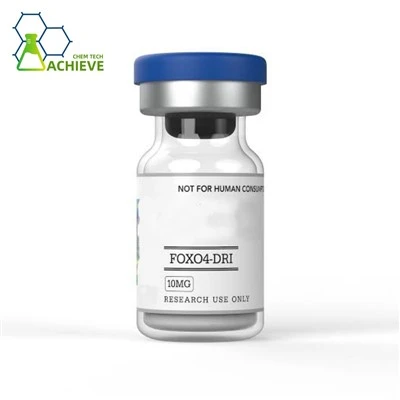

Metabolic optimization has become a focal point in contemporary biochemical research, particularly regarding how the body converts stored lipids into usable energy. Among emerging compounds, 5 amino 1mq peptide injection has captured attention for its distinctive approach to enhancing fat oxidation processes. This synthesized small molecule works through a precise mechanism that targets cellular metabolism at its foundation, offering researchers valuable insights into lipid utilization pathways.
Understanding why this compound demonstrates superior performance in fat oxidation requires examining its interaction with key metabolic enzymes and cellular energy systems. The compound's ability to influence how cells process and burn fat stems from its targeted inhibition of specific metabolic regulators, creating downstream effects that ripple through multiple physiological pathways.

1.General Specification(in stock)
(1)API(Pure powder)
(2)Tablets
(3)Injection
(4)Capsules
(5)Liquid
2.Customization:
We will negotiate individually, OEM/ODM, No brand, for secience researching only.
Internal Code:KP-3-5/002
NNMTi CAS 42464-96-0
Molecular formula: C10H11N2.I
HS code: N/A
Molecular weight: 286.11
EINECS number: 464-196-0
Main market: USA, Australia, Brazil, Japan, Germany, Indonesia, UK, New Zealand , Canada etc.
Analysis: HPLC, LC-MS, HNMR
Technology support: R&D Dept.-4

How Does 5 Amino 1MQ Peptide Injection Influence Fat Oxidation Pathways?
The 5 amino 1mq peptide injection changes how fat is burned by interacting with nicotinamide N-methyltransferase (NNMT), an enzyme that is highly expressed in fat tissue. NNMT controls how cells use energy by eating nicotinamide adenine dinucleotide (NAD+), which is an important part of many biochemical processes. Although NNMT activity stays high, it depletes cellular NAD+ stores, which makes fat-burning pathways less effective.
Cellular NAD+ Restoration and Metabolic Activation
When 5 amino 1mq gets into cells, it binds very specifically to NNMT and stops the enzyme from methylating nicotinamide. This blockage keeps NAD+ levels steady inside cells, especially in white adipose tissue, which is where NNMT activity is highest. Research models have shown that after administration, the amount of NAD+ in adipose tissue can rise a lot, sometimes reaching levels 2.3 times higher than the starting point.
Keeping NAD+ around makes it easier for sirtuins to work, especially SIRT1, which is a deacetylase enzyme family member that depends on NAD+.Activating SIRT1 sets off a chain of metabolic changes that help the body burn fat.


The enzyme changes the activity of peroxisome proliferator-activated receptor gamma (PPAR-γ) and gene expression patterns so that they move away from lipogenesis (storing fat) and toward lipolysis (breaking down fat) and fatty acid oxidation.
Enhancement of Mitochondrial Fat Processing
The main place where fatty acids are burned is in mitochondria, and how well cells can turn fats into energy depends on how well mitochondria work. The blocking of NNMT raises the levels of NAD+, which helps mitochondria stay healthy in several ways. Some research studies that looked at how mitochondria worked after treatment found that genes that code for important fat-burning enzymes, like CPT1A and ACOX1, were expressed more.
Long-chain fatty acids can't be burned as quickly as they could without CPT1A. It helps move these acids across the mitochondrial membrane. The first step in peroxisomal fatty acid oxidation is sped up by ACOX1. By increasing the activity of these enzymes, cells can process fatty acids more efficiently, which lets them oxidise lipids more quickly and thoroughly. According to research, the number of copies of mitochondrial DNA goes up after treatment. This suggests that mitochondrial production is improved, which further supports oxidative ability.


Suppression of Lipogenic Pathways
In addition to breaking down fat, the 5 amino 1mq peptide injection also stops fat from being made by decreasing the production of lipogenic genes. After treatment, the expression of genes that code for fatty acid synthase (FAS) and stearoyl-CoA desaturase 1 (SCD1) goes down. FAS speeds up the process of making palmitate from acetyl-CoA and malonyl-CoA. SCD1, on the other hand, adds double bonds to fatty acids to make monounsaturated fats. Cutting down on the activity of these enzymes changes the metabolic balance in a clear way, favouring burning over storage.

Understanding the Relationship Between 5 Amino 1MQ Peptide Injection and Lipid Energy Conversion
A lot of enzymes and regulatory switches are needed for the complex biochemical process of turning fats into cellular energy. This energy-converting process is connected to 5 amino 1mq peptide injection in a way that goes beyond just breaking down fat. It also involves metabolic remodeling that improves how cells use lipid substrates.
Metabolic Flexibility and Substrate Utilization
Metabolic flexibility means that cells can use different food sources based on what's available and how much energy they need. Cells with a flexible metabolism can use both glucose and fatty acids efficiently, so they can adapt to changes in their diet. It seems that blocking NNMT with 5 amino 1mq treatment makes this metabolic flexibility better by making the cell machinery that processes fatty acids better.
According to experiments, cells that were treated with the compound use more oxygen when they are given fatty acid substrates.


This means that their oxidative metabolism is better. There is a change in the oxygen exchange ratio, which shows how much fat is being burnt compared to carbs. More fat is being burnt. This change in metabolism is especially important when the body is fasting or eating fewer calories, because it uses stored fats for energy more.
Integration with Energy Sensing Systems
Advanced sensing systems keep an eye on the energy level of cells, and AMP-activated protein kinase (AMPK) is in charge of keeping metabolic balance. The activation of AMPK happens when the energy levels of cells drop.This sets off reactions that make more energy while using less.
The increase in NAD+ that happens when NNMT is blocked seems to work with AMPK signalling pathways.
Studies have shown that the drug treatment raises AMPK phosphorylation, which is a sign that this kinase is active. AMPK that is activated helps the body burn fat in several ways. It phosphorylates and blocks acetyl-CoA carboxylase, which lowers malonyl-CoA levels and frees CPT1A from its repression. When NAD+ signalling and AMPK activity work together, they create a metabolic state that is perfect for fat oxidation.


Adipose Tissue Remodeling
The effects of the 5 amino 1mq peptide injection go beyond its effects on fat cells. It also changes the structure of fat cells themselves. Although there are different types of adipose tissue, white adipose tissue stores energy and brown adipose tissue burns energy by making heat. Researchers have found that blocking NNMT can help white adipose tissue turn brown. This is when white adipocytes change into brown adipocyte traits.
Browning causes more uncoupling protein 1 (UCP1) to be made, which breaks up the proton gradient in mitochondria and makes heat instead of ATP. In a technical sense, this process uses energy instead of burning fat for ATP production, but it still plays a big role in how lipids are used overall. Animal studies have shown that long-term treatments can reduce the weight of the epididymal fat pad by up to 35%. This is because a lot of stored fat is mobilised and burnt.

The Role of NNMT Inhibition in Fat Oxidation Research Using 5 Amino 1MQ Peptide Injection
NNMT has become an interesting target for metabolic study because it is strategically located where several metabolic pathways meet. Because of how it is expressed and how it controls other processes, the enzyme is very important for understanding metabolic diseases that cause fat to not be burned properly.

NNMT Expression Patterns in Metabolic Disorders
Researchers have looked at NNMT expression in people with different metabolic states and found consistent patterns. For example, the enzyme is highly expressed in the fat tissue of people who are overweight or have metabolic syndrome. Based on this link, it seems like NNMT might play a part in the metabolic problems that come with these conditions. Researchers who looked at NNMT activity in adipose tissue biopsies found that activity levels were inversely related to insulin sensitivity and directly related to body mass index.When someone is overweight, their NNMT level is higher, which makes their metabolism more likely to store fat than burn it.
When NNMT activity is high, NAD+ pools get smaller, which lowers SIRT1 activity and gene expression that burns fat. This starts a loop where incomplete fat oxidation leads to more lipid buildup, which may then encourage more NNMT production. An effective intervention point would be to stop this loop by blocking NNMT.
Experimental Models Demonstrating Fat Oxidation Enhancement
Several types of experiments have been used to figure out how the 5 amino 1mq peptide injection affects fat burning.Diet-induced obesity models give us a way to test metabolic interventions that is physiologically relevant.


In these models, animals are fed high-fat meals that make them fat and mess up their metabolism.After treatment, the animals are treated to see if the treatment might work.
The results from these kinds of models always show big changes in metabolism. Following eight weeks of treatment, people have lost about 18% of their body weight, and their fasting blood sugars and insulin sensitivity markers have also gotten better. Molecular study of fat tissue from animals that were treated shows the predicted biochemical changes: lower NNMT activity, higher NAD+ levels, and higher activation of genes that burn fat.
Mechanistic Insights from Cellular Studies
Cellular models let scientists focus on certain mechanisms and study them in a controlled setting. When 5 amino 1mq is added to adipocyte cell lines, the amount of fatty acids that are burnt increases. This can be seen using techniques like Seahorse metabolic analysis, which measures how much oxygen is used in real time. These studies show that the compound has direct effects on cellular metabolism that are not affected by factors in the whole body.


By looking at all of a cell's RNA transcripts, transcriptomic analysis gives us a full picture of how NNMT reduction changes the way cells work. These kinds of studies have shown that whole metabolic pathways related to fat oxidation are coordinatedly turned up. This includes not only the enzymes that directly speed up oxidation reactions, but also regulatory proteins, mitochondrial biogenesis factors, and antioxidant defence systems that help the metabolism work harder.

How Researchers Study 5 Amino 1MQ Peptide Injection for Cellular Fuel Utilization?
To find out how cells use different types of fuel, you need advanced analytical methods that can track metabolic flow through different routes. Multiple alternative methods are used by researchers studying 5 amino 1mq peptide injection to get a full picture of how it affects metabolism.
Metabolic Flux Analysis Techniques
To see how atoms move through metabolic processes, metabolic flux analysis uses fuels that have been labelled with isotopes. Scientists can give cells fatty acids that are labelled with stable isotopes like carbon-13 and then watch how these labels are added to different metabolic products. This method not only tells us if fat oxidation happens, but it also measures how fast different pathways break down lipid substrates.Using this method, studies have shown that blocking NNMT speeds up the flow of fatty acids through oxidation pathways.


Labelled carbon from fatty acids shows up faster in carbon dioxide, the end product of complete oxidation, in cells that have been treated than in cells that have not been treated. This is direct proof that the compound improves the processing of fatty acids through oxidation instead of just changing gene expression without changing how the cells work.
Respiratory Measurement and Energy Expenditure
Cellular respiration measurements give us another look at how fuel is being used.Extracellular flow analysis is a method used to measure how much oxygen live cells use and how much carbon dioxide they make in real time.
This lets researchers figure out respiratory exchange ratios and tell the difference between burning carbohydrates and fats. These measures can be taken in a number of different ways, such as by adding certain metabolic inhibitors that separate different parts of cellular respiration.Cells given a 5 amino 1mq peptide injection have higher basal oxygen consumption rates, which indicates greater metabolic activity, according to research using these methods.When treated cells are given fatty acid substrates, their oxygen consumption rate goes up much more dramatically. This means that they are better at oxidising fatty acids.


These functional tests show that the changes at the molecular level caused by blocking NNMT lead to changes in metabolic behaviour.
Integration of Multi-Omics Data
More and more, different kinds of molecular data are being used together in modern metabolic research to get a full picture of biological systems. Using transcriptomics (gene expression), proteomics (protein levels), and metabolomics (metabolite amounts) together gives us a more complete picture of how changes in the environment affect the metabolism of cells.
Each method finds a different part of how cells work, and putting them together shows links between changes at the molecular level and physical effects.Multi-omics studies of NNMT inhibition have shown changes that happen at all of these molecular levels at the same time. The expression of genes that code for fat oxidation enzymes goes up, the proteins that code for these enzymes build up at higher levels, and metabolomic analysis finds lower levels of long-chain fatty acids and higher levels of oxidation intermediates like acylcarnitines. This consistent pattern at the molecular level is strong proof of how the chemical works and what effects it has.


Exploring the Metabolic Mechanisms Behind 5 Amino 1MQ Peptide Injection and Fat Oxidation
NNMT inhibition leads to better fat burning through a number of linked metabolic pathways and regulatory systems. By looking into these ways it works, we can see that the chemical has many more effects than just stopping enzymes from working. The enhancement of fat oxidation through 5 amino 1mq peptide injection influences pathways beyond lipid metabolism.

NAD+ as a Central Metabolic Currency
There are locations in the United states of america as well as ationally. The organization was established in 2000 on the basis of a small idea conceived by its promoters that was incepted.In hundreds of chemical processes, NAD+ plays a key role as a currency in cellular metabolism. Its relationship with NADH (the reduced form) affects many biochemical processes that are thermodynamically favourable. It does more than just carry electrons; it's also a source for signalling enzymes like sirtuins, poly(ADP-ribose) polymerases, and cyclic ADP-ribose synthases. In all of these different ways, NAD+ levels affect gene activation, DNA repair, calcium signalling, and the control of metabolism.
NNMT reduction changes the amount of NAD+ in the body, which has many metabolic benefits. In addition to turning on SIRT1 to speed up the burning of fat, high NAD+ levels make enzymes in the intermediary metabolism work better. The ratio of NAD+ to NADH affects how well the citric acid cycle works. This cycle breaks down acetyl-CoA that is made when fatty acids are burnt. Keeping NAD+ levels high by blocking NNMT may make the process of turning fatty acids into ATP work better overall.
Cross-Talk Between Metabolic Pathways
Metabolic pathways don't work alone; they're always talking to each other through shared intermediates, control molecules, and feedback systems.


When fat oxidation gets better, glucose oxidation gets less important. This could make glucose metabolism and insulin sensitivity better. By switching from glycolysis to fat oxidation, the body may make less lactate and other chemicals that are linked to metabolic dysfunction.
The chemical changes the way mitochondria work, which has extra energy benefits. When mitochondria are healthier and have more oxidative capacity, they make fewer reactive oxygen species compared to how much ATP they make. This lowers oxidative stress. By turning on mitochondrial production through the PGC-1α route, cells can handle more oxidative metabolism, not just burning fat.
The fact that these effects are linked explains why blocking NNMT has benefits that go beyond just losing fat.
Temporal Dynamics of Metabolic Remodeling
The biochemical changes caused by blocking NNMT happen at different rates and over longer periods of time. Right away, one result is that NAD+ levels stay high because NNMT uses less of them. Within hours, this rise in NAD+ starts to turn on sirtuins and change how enzymes work. Over the course of a few days, gene expression patterns change. Genes that burn fat are expressed more and genes that make fat are expressed less.


When treatment lasts for weeks, there are bigger changes that can happen, such as in the structure of adipose tissue, the amount of mitochondria present, and the body's metabolic parameters.Understanding these changes in time helps us make sense of study results and think of real-world uses for them. The compound has effects that happen over time. The first changes that happen are in metabolic flux. Later, changes in tissue makeup and body weight happen. This pattern of time suggests that long treatment periods may be needed to get the most metabolic remodelling.
Conclusion
The 5 amino 1mq peptide injection works better at burning fat because it works in a focused way and NNMT plays a key role in controlling metabolism. The compound protects cellular NAD+ levels by blocking this enzyme. This sets off a chain of events that improves mitochondrial function, starts fat-burning pathways, and stops lipogenic processes. Research using a variety of experimental models consistently shows big improvements in the body's ability to burn fat, its metabolic flexibility, and its overall metabolic health.
The compound's benefits go beyond just burning fat; they also include metabolic remodelling that fixes the linked problems that are common in metabolic diseases. NNMT inhibition creates a metabolic environment perfect for lipid utilisation by working with energy-sensing systems in cells and coordinating with several metabolic pathways. This understanding of how things work helps us understand why this small molecule combination is so good at burning fat and suggests that it might be useful in metabolic studies.
FAQ
1. What makes the 5 amino 1mq peptide injection so good at burning fat compared to other metabolic compounds?
The molecule works because it specifically targets NNMT, an enzyme that is located at a key metabolic point. In contrast to other metabolic interventions, NNMT inhibition specifically protects NAD+ stores. This then turns on a number of integrated pathways that improve fat burning. This process makes changes that work together to improve mitochondrial function, gene expression, and enzyme activity. This leads to overall metabolic benefits instead of small changes.
2. How long does it take to see changes in the way fat is burnt after treatment?
Changes in metabolism happen over a wide range of time periods. There are immediate effects on enzyme activities after NNMT inhibition, and later effects on cellular NAD+ levels. Gene expression changes can be seen in a few days, but bigger changes in mitochondrial content, tissue remodelling, and body makeup don't show up until weeks of long-term treatment. In research models, treatment periods are usually between a few weeks and a few months so that the full range of metabolic changes can be seen.
3. Is it possible to use the 5 amino 1mq peptide injection along with other metabolic treatments?
Researchers have found that blocking NNMT may work better when combined with other metabolic interventions. Studies that looked at what happened when treatment and fitness training were combined showed that they had either additive or synergistic effects. The metabolic markers improved more with the combined interventions than with either intervention alone. The way the compound targets NAD+ metabolism may work well with other treatments that work through different pathways, opening the door to combined metabolic optimisation strategies.

Partner with BLOOM TECH for Superior 5 Amino 1MQ Peptide Injection Supply
BLOOM TECH is a dependable seller of 5 amino 1mq peptide injections. They can do everything from small-scale creation in the lab to mass production. Our production sites are GMP-certified and have been through thorough inspections by the CFDA, US-FDA, PMDA, and other foreign regulatory bodies. This means that the quality is always the same and meets the high standards of pharmaceutical research and development. We offer high-purity compounds and full analytical documentation to support your quality control needs. We have 12 years of experience in organic synthesis and fine chemical production.
Our attention to the client sets us apart in the market. We have clear price structures with clear profit margins, and our wait time estimates are based on real-time production capacity. Quality security uses a three-check system: testing in the plant, our own QA/QC department, and third-party authority agencies. If any materials don't meet standards, you can get your money back in full. Whether you need small amounts for study or large amounts for business production, BLOOM TECH offers reliable supply chains with all the paperwork you need to clear customs easily.
Connect with our technical team to talk about your specific needs for 5 amino 1mq peptide injection and find out how our bundled services can help your research go faster. You can email us at Sales@bloomtechz.com to get certificates of analysis, legal paperwork, or quotes that are specifically made for your project.
References
1. Kraus D, Yang Q, Kong D, et al. Nicotinamide N-methyltransferase knockdown protects against diet-induced obesity. Nature. 2014;508(7495):258-262.
2. Komatsu M, Kanda T, Urai H, et al. NNMT activation can contribute to the development of fatty liver disease by modulating NAD+ metabolism. Scientific Reports. 2018;8(1):8637.
3. Ulanovskaya OA, Zuhl AM, Cravatt BF. NNMT promotes epigenetic remodeling in cancer by creating a metabolic methylation sink. Nature Chemical Biology. 2013;9(5):300-306.
4. Hong S, Moreno-Navarrete JM, Wei X, et al. Nicotinamide N-methyltransferase regulates hepatic nutrient metabolism through Sirt1 protein stabilization. Nature Medicine. 2015;21(8):887-894.
5. Neelakantan H, Vance V, Wetzel MD, et al. Selective and membrane-permeable small molecule inhibitors of nicotinamide N-methyltransferase reverse high fat diet-induced obesity in mice. Biochemical Pharmacology. 2018;147:141-152.
6. Campagna R, Mateuszuk L, Wojnar-Lason K, et al. Nicotinamide N-methyltransferase in endothelium protects against oxidant stress-induced endothelial injury. Biochimica et Biophysica Acta Molecular Cell Research. 2021;1868(1):118878.