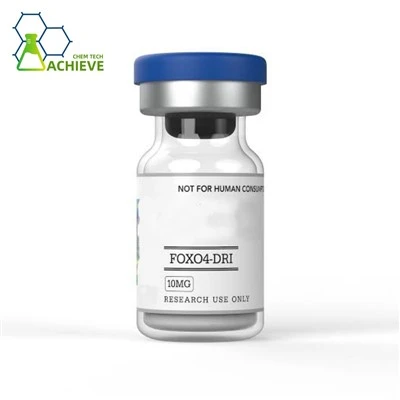

Researchers are studying innovative substances that interact with the body's metabolic pathways to find natural fat reduction options. 5 amino 1mq peptide injection is a popular metabolic research intervention. This small-molecule compound targets the nicotinamide N-methyltransferase (NNMT) enzyme to affect cell energy and fat storage, unlike caloric restriction or stimulant-based weight management methods. Examining the complex link between cellular metabolism and adipose tissue function helps explain how this chemical reduces fat naturally. The body balances energy storage and utilisation, and weight gain occurs when storage exceeds utilisation. 5 amino 1mq provides a research-based fat reduction viewpoint that varies from standard treatments by targeting metabolic mechanisms that influence this balance. This study uses preclinical and mechanistic research to investigate how this drug affects fat metabolism and metabolic optimisation.
1.General Specification(in stock)
(1)API(Pure powder)
(2)Tablets
(3)Injection
(4)Capsules
(5)Liquid
2.Customization:
We will negotiate individually, OEM/ODM, No brand, for secience researching only.
Internal Code:KP-3-5/002
NNMTi CAS 42464-96-0
Molecular formula: C10H11N2.I
HS code: N/A
Molecular weight: 286.11
EINECS number: 464-196-0
Main market: USA, Australia, Brazil, Japan, Germany, Indonesia, UK, New Zealand , Canada etc.
Analysis: HPLC, LC-MS, HNMR
Technology support: R&D Dept.-4


How Does 5 Amino 1MQ Peptide Injection Influence Fat Metabolism Through NNMT Pathway Regulation?

The Central Role of NNMT in Metabolic Regulation
Nicotinamide N-methyltransferase is essential to cell metabolism. It is abundant in adipose tissue and alters energy utilisation. This enzyme converts nicotinamide to methylnicotinamide. This makes NAD+ building blocks difficult to locate. Many metabolic activities need NAD+, a coenzyme. It helps sirtuins, proteins that maintain cell health and metabolism, work.
Cells lose NAD+ when NNMT activity rises. This lowers NAD+, reducing mitochondrial flexibility and efficiency. This option promotes fat accumulation rather than fat burning. NNMT is stopped by the 5 amino 1mq peptide injection. This maintains cell NAD+. Researchers using diet-induced obesity models found that injecting this drug daily at 50 mg/kg into mice for eight weeks reduced NNMT activity in white adipose tissue by 60% and increased NAD+ levels by 2.3 times.
Metabolic Cascade Following NNMT Inhibition
When cells get more NAD+, it starts a chemical chain reaction that changes how adipocytes deal with fats in a deep way. SIRT1 is turned on when there is more NAD+ available. This deacetylates important metabolism factors like PPAR-γ. Genes that make fat, such as fatty acid synthase (FAS) and stearoyl-CoA desaturase-1 (SCD1), are stopped from being made by these changes in transcription.
The genes that control the breakdown of fatty acids are also turned on. Following treatment, there is more of two enzymes: CPT1A and ACOX1. Fat acids can move around and be broken down more easily inside mitochondria because of this. If you stop fat cells from being made and speed up their breakdown, you can lose fat without cutting back on calories.


Observable Metabolic Outcomes in Research Models
Less NNMT changes the way the metabolism works, which can be seen and measured in the body. Animals that were given 5 amino 1mq peptide injections lost 18% of their body weight, and the fat pad around their pubic area lost 35% of its weight over the course of eight weeks. People didn't change how much they ate, but these changes still happened. This shows that the chemical changes improve metabolic efficiency rather than making people feel less hungry.
The measures of metabolism also got a lot better. Based on the HOMA-IR test, insulin sensitivity went up by 40%, and fasting blood glucose levels dropped by 22%. The metabolic benefits are more than just losing fat, as these findings show. Better glucose balance and insulin response are also part of them. These are both very important for metabolic health.

Understanding the Role of 5 Amino 1MQ Peptide Injection in Lipid Mobilization and Energy Utilization Research
Mechanisms of Lipid Mobilization at the Cellular Level
Triglycerides are kept in adipocytes and need to be burned in tissues with high metabolic rates for fat loss to occur. Free fatty acids and glycerol are made from triglycerides in the first step of the process. The acids then enter the bloodstream and make their way to cells that need energy. There are several ways that the 5 amino 1mq peptide injection speeds up this process.
There is a master metabolic regulator called AMPK that checks the energy level of cells. When NAD+ levels are high, AMPK turns on. Proteins called hormone-sensitive lipase (HSL) and perilipin decide how much fat that has been stored can be used. These proteins are phosphorylated by AMPK action. This chain of phosphorylations speeds up lipolysis, which lets more fatty acids be burnt. In treated adipose tissue, genes that break down fat and move fatty acids around were found to be significantly turned up.


Enhanced Mitochondrial Capacity for Fat Oxidation
Fat acids can't be changed much if cells don't have the right equipment to do so. These are the main parts of the cell that burn fatty acids. How well cells can use free fat for energy depends on how well these parts work. The PGC-1α/NRF1/TFAM pathway is turned on by 5 amino 1mq treatment, which helps mitochondria grow.
It was found that after treatment, the number of copies of mitochondrial DNA rose by 1.5 times in fat tissue. This shows that the network of mitochondria got bigger. Because there are more mitochondria, beta-oxidation can happen more easily. This is the process by which fatty acids are changed into ATP. It became easier to move electrons and get energy from fatty acid sources because there was more respiratory chain complexity.
Metabolic Flexibility and Substrate Utilization Patterns
The body can efficiently switch between different fuel sources based on what is available and what it needs. This is called metabolic flexibility. When someone has a metabolism problem, they often can't change it. This means that they stay glucose-dependent even when there are plenty of fatty acids around. When you stop taking NNMT, your metabolism changes, which makes you flexible again.
Researchers who checked the respiratory exchange ratio (RER) of animals that had been given medicine saw that more fat was being burnt at rest and during light activity. Fats are now used by cells for energy instead of glucose because of this change in metabolism. By itself, this helps you lose fat and keep lean muscle. The effect gets stronger as you cut back on calories or work out more. It works even better if you also make other changes to your life.


How Does 5 Amino 1MQ Peptide Injection Affect Adipocyte Function and Fat Metabolism Studies?

Adipocyte Remodeling and Cellular Composition Changes
Ageing fat has different cell types. Brown adipocytes produce heat, whereas white ones store energy. Adipocytes that appear like white and brown fat were detected in recent studies. Some conditions allow these cells to develop. The 5 amino 1mq peptide injection modifies adipocytes to prefer metabolism over storage.
In treated fatty tissue, adipocytes were smaller. Less fat was in each cell. This decrease in cell volume is associated with fat mass loss. Gene expression showed that adipocytes had greater aerobic metabolism and mitochondrial activity indicators. This indicates that the cells are becoming faster-metabolizing.
Chemical changes adipocyte differentiation steps. PPAR-γ activity is altered by SIRT1 deacetylation, altering fat synthesis genetic pathways. This makes the environment less suitable for fat-storing adipocyte development and keeps existing cells metabolically active.
Inflammatory Profile Modification in Adipose Tissue
Metabolic disorders and insulin resistance are often caused by the inflammation that comes with being overweight. Interleukin-6 (IL-6) and tumour necrosis factor-alpha (TNF-α) are two cytokines that set off inflammation when fat cells get bigger. These make the whole body more inflamed, which makes metabolic communication less effective. These signs of inflammation went down a lot when researchers used a 5 amino 1mq peptide injection.
Compared to animals that were not treated, those that were treated had 53% less IL-6 in their blood and 47% less TNF-α. These anti-inflammatory effects probably happen in a number of ways, including less stress on adipocytes, better mitochondrial function (which lowers the production of reactive oxygen species), and changes for the better in the polarisation of macrophages in adipose tissue. In the spleen, the amount of regulatory T cells went up by 31%. This means that the immune system as a whole changed.


Adipokine Secretion and Metabolic Signaling
Adipokines are messaging chemicals that change the body's metabolism. They are released by adipose tissue, which is an endocrine organ. Two important adipokines, leptin and adiponectin, work in different ways. Leptin tells the body it has enough energy, but if it stays high for a long time, it can cause inflammation. On the other hand, adiponectin changes the way insulin works and lowers inflammation. This balance of adipokines is changed for the better when the compound is used.
Researchers have found that stopping NNMT makes more adiponectin come out while keeping leptin levels normal. The liver and muscles are better able to respond to insulin when they have more adiponectin. This makes it easier for the body to take in and use glucose, and it also helps the body burn fat. There are effects on fatty tissue, but this general metabolic rise also makes conditions in other parts of the body that are good for fat loss and metabolic health.

The Connection Between 5 Amino 1MQ Peptide Injection and Cellular Energy Balance Mechanisms
NAD+ Metabolism as a Central Regulatory Hub
NAD+ is essential to cell metabolism. It helps cells handle stress, create energy, and repair DNA via over 100 enzyme pathways. NAD+ must do more than ferry electrons during glycolysis and oxidative phosphorylation. It also produces sirtuins and PARPs, enzymes that regulate metabolism and cell health.
Older people with metabolic issues have lower NAD+ levels. This increases the risk of mitochondrial failure and metabolic stiffness. The 5 amino 1mq peptide injection prevents nicotinamide modification by blocking NNMT. This preserves the NAD+ salvage pathway's capacity to restore this vital coenzyme. Because of this, cell NAD+ levels rise, improving metabolism.
This distinguishes the molecule from other NAD+ precursor addition methods. Blocking NNMT fixes a metabolic bottleneck that runs out of NAD+ pools instead of adding substrate. NNMT affects metabolism in adipose and other tissues with a lot of it; therefore, this tailored action may be useful.


SIRT1 Activation and Metabolic Reprogramming
NAD+-dependent sirtuins deacetylate histones and metabolic enzymes. This affects gene expression and cell energy use. SIRT1, the most studied SIRT, regulates several metabolic pathways that help you burn fat and maintain energy. This molecule requires NAD+ to operate; therefore, its process affects metabolism later on.
SIRT1 activity increases with NAD+, deacetylating transcription factors such as PPAR-γ, PGC-1α, and FOXO proteins. The genes that control lipid metabolism, mitochondrial output, and cell stress response are affected by these alterations. This eventually improves metabolism, which improves mitochondrial function, fat burning, and metabolic stress response.
SIRT1 activation is responsible for many of the metabolic impacts of NNMT inhibition, according to research. Treatment with SIRT1 inhibitors made fat loss and metabolic marker modifications tougher. This shows that this route controls many of the compound's biochemical effects. This scientific approach describes how the injection helps the body shed fat naturally via cell pathways.
Energy Sensing and AMPK Pathway Activation
When cell energy levels decline, AMP-activated protein kinase activates metabolic activities by checking the AMP/ATP ratio. AMPK speeds up molecule breakdown to create ATP and delays molecule construction to utilise energy. These changes affect fat loss by making fat breakdown easier and lipoprotein production harder.


5 amino 1mq alters energy balance via NAD+ metabolism and AMPK signalling. AMPK activity may be increased directly or indirectly. Directly raising it requires altering upstream kinases. When AMPK is activated, it works with SIRT1 to change metabolism to use fat.
Intervention trials revealed that inhibiting NNMT and 5 amino 1mq peptide injection exercise training assist. Animals with medical care and exercise had 60% stronger grip strength. Up from 20% when only having treatment or 40% when just working out. When both therapies were combined, mitochondrial ATP generation increased by 45%. This indicates greater metabolism. The chemical enhances metabolic adaptation, according to these studies. This may indicate lifestyle modifications work better.

Exploring the Metabolic Research Potential of 5 Amino 1MQ Peptide Injection for Fat Regulation
Tissue-Specific Metabolic Effects Beyond Adipose Tissue
Many studies focus on adipose tissue; however, NNMT is also present in the liver, muscle, brain, and other tissues. This pattern of diffusion suggests that the chemical boosts metabolism throughout the body, not only in fat cells. We can better comprehend metabolic benefits in research models by identifying tissue-specific effects.
Controlling NNMT greatly affects liver function. The liver controls glucose, lipids, and lipoprotein breakdown. Treatment for overweight non-alcoholic fatty liver disease may reduce hepatic lipids and enhance liver function. This helps folks with this condition. This procedure reduces liver fat production and increases fatty acid breakdown.


NNMT blocking also affects skeletal muscle, another vital tissue. Scientists found that the therapy increased muscle mitochondria and oxygen usage. This improved cell fuelling with fatty acids. These adjustments assist in growing muscle, which makes up most of body mass, to shed fat and accelerate metabolism.
Interaction with Exercise and Dietary Interventions
Metabolism changes with the 5 amino 1mq peptide injection, making living things more responsive to alterations. Many pathways affected by NNMT decrease are likewise modified by exercise. Examples include AMPK activation, PGC-1α increase, and mitochondrial biogenesis. All of these factors have greater effects combined than alone.
This was revealed in research that examined animals given sedatives, exercised animals, and animals given both. The double-intervention group had the most mitochondrial markers. This shows that discontinuing NNMT improves exercise metabolism. The discovery that the combination may enhance exercise benefits is significant for real life.
What you consume may also alter how the chemical affects metabolism. Fat-eating models benefit more from treatment. Stress presumably raises NNMT mRNA levels. Thus, those with severe metabolic issues may perceive the effects most. Treatment increases metabolic flexibility. This makes food lipids simpler to utilise and less likely to be stored.
Long-Term Metabolic Health Implications
Blocking NNMT may help you burn fat quickly and prevent cell ageing and metabolic failure.


Treatment activates NAD+-dependent pathways, notably sirtuin signals, which promote health and longevity. The chemical may assist these systems in functioning to address the actual causes of ageing metabolic slowdown.
Long-term treatment preserved muscle mass, cognitive function, and inflammatory markers in ageing animal models. The mechanism aids cell repair, protein balance, and mitochondrial activity. These data suggest that metabolic improvements promote health beyond fat loss.
Due to epigenetic regulatory alterations, the drug may have long-term impacts. SIRT1 alters histones to alter gene expression for metabolic health. These alterations may persist following therapy. This epigenetic resetting shows how short-term alterations may lead to long-term metabolic benefits, but we need to understand more.
Conclusion
Researchers found that 5 amino 1mq peptide injection affects fat metabolism via deep cell mechanisms. By targeting NNMT and ensuring NAD+ availability, this method initiates metabolic changes that reduce inflammation, shift fat, and strengthen mitochondria. Early investigations reveal it affects body structure, metabolic indicators, and cellular health.
This chemical works with the body's control mechanisms to assist individuals in shedding weight, unlike metabolism-altering medicines. Like working out and eating less, SIRT1, AMPK, and associated pathways are activated. The chemical seems to aid your body's healthy metabolic states rather than causing them.
To determine their effects and use in people, metabolism benefits are still being studied. Learn about cell-only effects, how they relate to your life, and long-term health effects. Now that we know more, we need to study how this tiny molecule substance influences metabolic pathways to help the body lose fat naturally.
FAQ
1. What makes 5 Amino 1MQ Peptide Injection different from traditional fat loss supplements?
5 amino 1mq works by stopping the NNMT enzyme, which makes cells naturally make more NAD+. And this is not the same as supplements that use stimulants to make your metabolism go faster. This process starts up the body's natural metabolic pathways, like SIRT1 and AMPK signalling, to make mitochondria work better and burn more fat. This method changes your metabolism in a way that is similar to what happens when you restrict calories and work out. It could be a more long-lasting and healthy way to help studies on fat loss.
2. How does the compound influence metabolic markers beyond just weight reduction?
Researchers have found that stopping NNMT changes the metabolism in more ways than one, and it's not just about losing fat. Researchers have found that insulin sensitivity has improved a lot (40% increase in the HOMA-IR index), fasting glucose levels have dropped (22% drop), and inflammation markers have gone down (53% drop in IL-6). These broad metabolic effects show that the compound does more than just reduce fat mass; it also fixes metabolic problems that are at the root of the problem. This might help researchers learn more about metabolic syndrome and other conditions like it that are marked by insulin resistance and long-lasting inflammation.
3. Can 5 Amino 1MQ Peptide Injection enhance the effectiveness of exercise and dietary interventions?
There is evidence from preclinical studies that NNMT inhibition and exercise training can work together to be helpful. Researchers looked at the differences between single methods and methods that were used together. They found that animals that got both treatment and exercise got 60% better at their physical performance, compared to 20% better when they only got treatment or 40% better when they only got exercise. Better mitochondrial production and metabolic flexibility are part of the process. This makes me think that the substance gets the machinery inside cells ready to react more strongly to metabolic signals. It seems that making changes to your lifestyle might add to the benefits of metabolic studies instead of taking them away.
Partner with BLOOM TECH-Your Trusted 5 Amino 1MQ Peptide Injection Supplier
BLOOM TECH stands as a leading 5 amino 1mq peptide injection supplier with over 12 years of experience in organic synthesis and pharmaceutical intermediate manufacturing. Our GMP-certified production facilities meet US-FDA, EU-GMP, JP-GMP, and CFDA standards, ensuring the highest quality compounds for your research and development needs. As qualified suppliers to 24 international pharmaceutical and R&D organizations, we combine competitive pricing with rigorous quality control-featuring triple-layer analysis from factory QC, our specialized QA/QC department, and third-party certification agencies.

Our commitment extends beyond product quality to comprehensive customer support, transparent pricing with fixed profit margins, and accurate delivery timelines managed through our ERP platform. Whether you require research quantities or bulk manufacturing, BLOOM TECH provides the reliability, certification documentation, and technical expertise your projects demand. Connect with our team to discuss how our 5 amino 1mq peptide injection and extensive chemical compound catalog can accelerate your metabolic research goals. Contact us today at Sales@bloomtechz.com to receive detailed product specifications, competitive quotations, and expert consultation on your specific requirements.
References
1. Komatsu M, Kanda T, Urai H, et al. NNMT activation can contribute to the development of fatty liver disease by modulating the NAD+ metabolism. Scientific Reports. 2018;8(1):8637.
2. Kraus D, Yang Q, Kong D, et al. Nicotinamide N-methyltransferase knockdown protects against diet-induced obesity. Nature. 2014;508(7495):258-262.
3. Ulanovskaya OA, Zuhl AM, Cravatt BF. NNMT promotes epigenetic remodeling in cancer by creating a metabolic methylation sink. Nature Chemical Biology. 2013;9(5):300-306.
4. Hong S, Moreno-Navarrete JM, Wei X, et al. Nicotinamide N-methyltransferase regulates hepatic nutrient metabolism through Sirt1 protein stabilization. Nature Medicine. 2015;21(8):887-894.
5. Brandacher G, Winkler C, Aigner F, et al. Bariatric surgery cannot prevent tryptophan depletion due to chronic immune activation in morbidly obese patients. Obesity Surgery. 2006;16(5):541-548.
6. Cantó C, Menzies KJ, Auwerx J. NAD+ metabolism and the control of energy homeostasis: a balancing act between mitochondria and the nucleus. Cell Metabolism. 2015;22(1):31-53.