


Melanostatin DM is a high-purity, biomimetic synthetic nonapeptide specially developed for advanced skin brightening and pigmentation regulation, serving as a core functional cosmetic ingredient in Kpeptide's professional peptide skincare ingredient portfolio. With CAS No. 123689-72-5 and stable molecular structure, this compliant ingredient is listed in the China Used Cosmetic Ingredient Catalog (2021 Edition) with the official INCI name Melanostatin DM, ensuring safe and standardized application in various skincare formulations.
Kpeptide strictly controls the purification and production process of Melanostatin DM, delivering ingredients with high purity up to 98% and excellent batch stability. The ingredient features mild properties, great skin compatibility and no irritation, suitable for long-term topical use. Continuous application helps fade sun spots, post-inflammatory hyperpigmentation and dull complexion, uniformly brighten skin tone, and restore skin clarity and translucency. Versatile and formula-friendly.
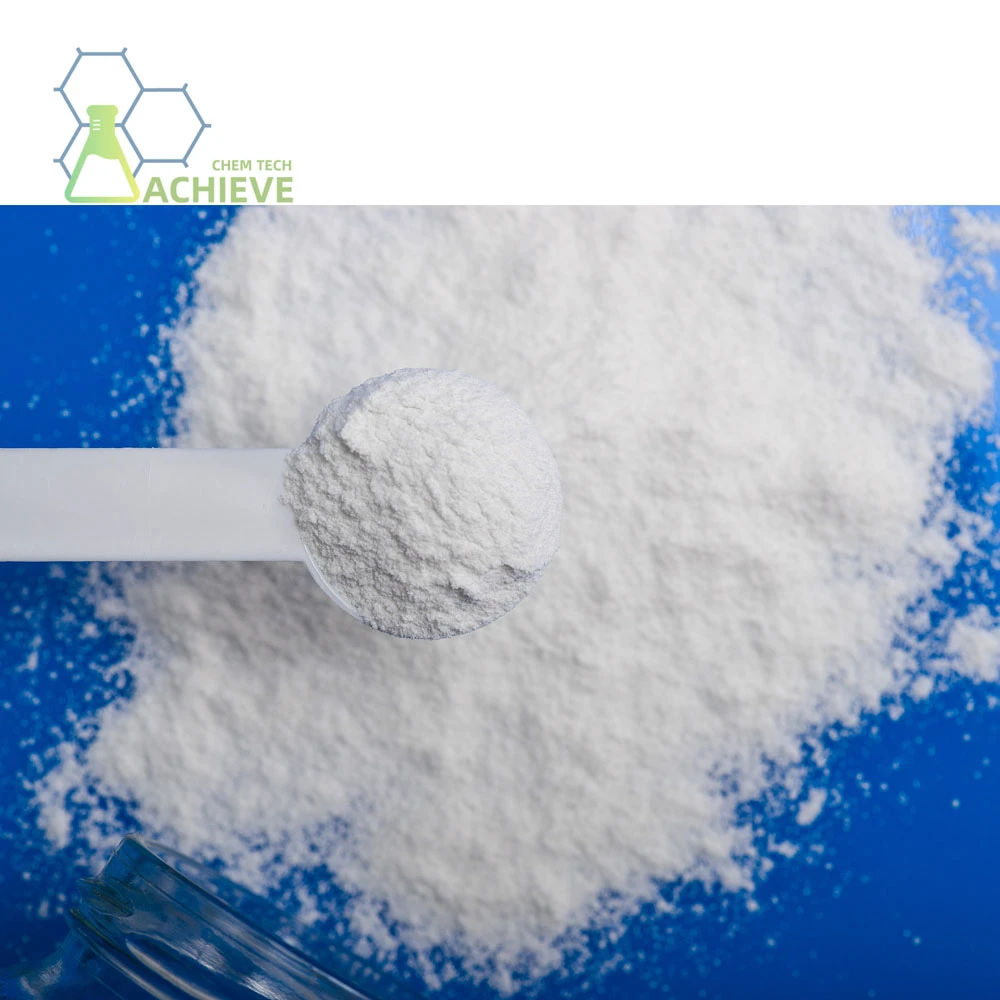
Our Products Form


Melanostatin DM COA
 |
||
| Certificate of Analysis | ||
| Compound name | Melanostatin DM | |
| Grade | Pharmaceutical grade | |
| CAS No. |
|
|
| Quantity | 15g | |
| Packaging standard | PE bag+Al foil bag | |
| Manufacturer | Shaanxi BLOOM TECH Co., Ltd | |
| Lot No. | '202601090056 | |
| MFG | Jan 9th 2026 | |
| EXP | Jan 8th 2029 | |
| Structure |
|
|
| Item | Enterprise standard | Analysis result |
| Appearance | White or almost white powder | Conformed |
| Water content | ≤5.0% | 0.38% |
| Loss on drying | ≤1.0% | 0.28% |
| Heavy Metals | Pb≤0.5ppm | N.D. |
| As≤0.5ppm | N.D. | |
| Hg≤0.5ppm | N.D. | |
| Cd≤0.5ppm | N.D. | |
| Purity (HPLC) | ≥99.0% | 99.90% |
| Single impurity | <0.8% | 0.49% |
| Total microbial count | ≤750cfu/g | 98 |
| E. Coli | ≤2MPN/g | N.D. |
| Salmonella | N.D. | N.D. |
| Ethanol (by GC) | ≤5000ppm | 500ppm |
| Storage | Store in a sealed, dark, and dry place below -20°C | |
|
|
||
|
|
||



| Chemical Formula: | C41H58N14O6 | |
| Exact Mass: | 842 | |
| Molecular Weight: | 843 | |
| m/z: | 842 (100.0%), 843 (44.3%), 844 (9.6%), 843 (5.2%), 844 (2.3%), 844 (1.2%) | |
| Elemental Analysis: | C, 58.42; H, 6.94; N, 23.26; O, 11.39 | |
Application for Blocking UV-induced Pigmentation
When skin is exposed to UVA and UVB radiation, keratinocytes and melanocytes are stimulated to secrete α-MSH. This hormone binds to MC1R receptors on melanocyte membranes and initiates a downstream signaling cascade, resulting in elevated intracellular cAMP, upregulated MITF, increased tyrosinase and TRP protein expression, and ultimately excessive melanin production. This process leads to immediate tanning, delayed darkening, sun spots and post-inflammatory hyperpigmentation.
Kpeptide Melanostatin DM functions as a selective MC1R competitive antagonist. It occupies MC1R binding sites on melanocytes, blocks the binding of α-MSH triggered by UV exposure, and interrupts the UV-activated melanogenic signal at the receptor level. Different from conventional whitening ingredients that directly inhibit tyrosinase activity, this peptide suppresses pigmentation at the upstream signal stage.
It has two core UV-related applications:
1. Prevent UV-induced skin darkening: Incorporated into sunscreen and pre-sun care formulations to intercept UV-initiated melanin signals, reduce both immediate and persistent tanning.

2. Post-UV anti-pigmentation repair: Added to after-sun brightening serums and creams to terminate sustained pigment signals from UV inflammation, lowering the risk of sun spots and uneven skin tone.
Kpeptide Melanostatin DM features good water solubility and mild skin compatibility. The recommended cosmetic addition dosage ranges from 0.05% to 0.2%. Supported by Kpeptide's rigorous purification and quality control system, the raw material maintains stable performance across aqueous skincare formulations.
Research Progress on Inhibiting α-MSH-induced Intracellular cAMP Elevation

The core pharmacological mechanism of Melanostatin DM is the suppression of α-MSH-stimulated cAMP accumulation in melanocytes. Early receptor binding studies verified that Melanostatin DM binds to MC1R with high selectivity and high affinity, presenting a Ki value of approximately 40 nM. Its affinity for MC3R, MC4R and MC5R is relatively low, which ensures targeted action on melanocytes and reduces off-target biological effects. In human melanocyte in vitro models, α-MSH stimulation activates MC1R and causes rapid intracellular cAMP surge. As a second messenger, accumulated cAMP activates downstream transcription factor MITF and promotes the expression of melanogenic enzymes. Multiple in vitro biological assays confirmed that Melanostatin DM effectively blocks this signaling event, with an IC50 of around 2.5 nM for inhibiting α-MSH-induced cAMP increase. By reducing cAMP accumulation, this peptide cuts off the upstream signaling cascade before melanogenesis-related genes are activated. Subsequent cellular pigmentation assays further validated this pathway. When melanocytes were treated with UV irradiation combined with α-MSH,
supplementation of Melanostatin DM significantly decreased intracellular cAMP levels, downregulated MITF, tyrosinase and TRP-1 expression. At the working concentration of 0.05–0.1%, the melanin content of melanocytes decreased by 40%–60%.
Later formulation research mainly explored delivery technologies to improve epidermal penetration of Kpeptide Melanostatin DM. Liposomes and other nanocarrier systems have been investigated to enhance peptide retention in the epidermis, enabling the peptide to reach melanocytes and retain its MC1R antagonistic activity for suppressing α-MSH mediated cAMP signaling.
Safety assessments under cosmetic application concentrations show low cytotoxicity and minimal skin irritation. Compared with tyrosinase-targeted whitening raw materials, its receptor-level cAMP signaling inhibition delivers a gentler brightening solution suitable for long-term skincare use.
Production Process
Kpeptide Melanostatin DM adopts standard solid-phase peptide synthesis (SPPS) and high-precision purification technology, strictly following GMP-grade production specifications to ensure high purity, stable molecular activity and batch-to-batch consistency of the final peptide product. The entire production process is closed, sterile and traceable, covering raw material pretreatment, peptide chain assembly, cleavage and deprotection, purification, lyophilization and final packaging.
Step 1: Raw Material Screening and Pretreatment
High-quality Fmoc-protected amino acids, resin carriers and high-purity organic reagents are selected and strictly inspected. All raw materials are pretreated by drying, purification and impurity removal to eliminate trace contaminants that may affect peptide synthesis efficiency and product purity, laying a foundation for high-yield and high-purity Melanostatin DM synthesis.
Step 2: Solid-Phase Peptide Chain Assembly
Based on the amino acid sequence of Melanostatin DM nonapeptide, stepwise cyclic coupling reaction is carried out on the solid-phase resin. Fmoc protecting groups are removed sequentially,


and specific amino acids are coupled accurately according to the target sequence. The reaction temperature, time and reagent ratio are precisely controlled throughout the process to ensure complete peptide chain extension and avoid sequence mismatch and missing residues.
Step 3: Cleavage and Deprotection
After the assembly of the complete peptide chain, the crude peptide is cleaved from the solid resin by a professional cleavage solution. Meanwhile, all side-chain protecting groups are completely removed to obtain the crude Melanostatin DM peptide solution. The crude product is precipitated, washed and filtered to remove residual resins, organic reagents and by-products.
Step 4: High-Precision Purification
The crude peptide is purified by preparative high-performance liquid chromatography (HPLC) with a gradient elution system. Target peptide components are accurately separated from impurities, isomers and incomplete peptide fragments. Combined with mass spectrometry (MS) real-time detection,
only qualified high-purity Melanostatin DM components are collected to ensure the final product purity up to 98%.
Step 5: Sterile Filtration and Lyophilization
The purified peptide solution undergoes ultrafiltration, sterile filtration and desalting treatment to remove residual salts and microbial contaminants. The treated solution is freeze-dried by vacuum lyophilization technology to remove moisture completely, forming loose and stable white lyophilized powder, which effectively avoids molecular degradation and activity loss caused by moisture.
Step 6: Finishing and Sealed Packaging
The finished lyophilized powder is screened, sampled and tested for purity, moisture content, microbial index and appearance. Qualified products are sealed and packaged in moisture-proof, light-proof and sterile packaging materials under low-temperature and dust-free workshop environment. Kpeptide implements strict batch number management to realize full-process traceability of production quality.
Brief Transportation Procedure
Kpeptide Melanostatin DM is a high-activity peptide powder, which requires low-temperature, dry and light-shielded transportation to maintain molecular stability. The finished products are professionally packaged with moisture-proof aluminum foil vacuum packaging and outer shock-proof carton protection. During transportation, constant low-temperature refrigeration conditions are adopted to avoid high temperature, direct sunlight and severe vibration. All goods undergo strict outbound quality inspection and safety sealing before delivery. Professional cold chain logistics is adopted for long-distance transportation, with real-time monitoring of transportation temperature and environment. After arriving at the destination, goods are checked and accepted completely to ensure no damage, moisture and deterioration, maintaining the original activity and purity of the product.
References
1.Wikberg J E S. Melanocortin receptors: perspectives for new drugs[J]. Pharmacological Reviews, 1999, 51(3): 627–656.
Foundational review introducing melanocortin receptor family, MC1R signaling, α-MSH function and the mechanism of MC1R antagonists regulating melanogenesis.
2.Haskell-Luevano C, et al. Structure-activity relationships of melanocortin peptides at the human melanocortin 1 receptor (MC1R)[J]. Journal of Medicinal Chemistry, 1997, 40(12): 1800–1808.
Studies on peptide ligand binding affinity at human MC1R, including in vitro cAMP assay models for screening MC1R antagonists.
3.Siegrist W, et al. Melanostatin (AGRP fragment) and related peptides: antagonists of the melanocortin MC1 receptor[J]. European Journal of Pharmacology, 1997, 321(2–3): 313–321.
Core literature describing Melanostatin peptide series, competitive inhibition of α-MSH binding and suppression of α-MSH induced cAMP elevation in melanocytes.
4.Abdel-Malek Z A. Melanocortin 1 receptor: a key regulator of skin pigmentation and UV responses[J]. Pigment Cell & Melanoma Research, 2007, 20(1): 14–26.
Elaborates the link between UV exposure, keratinocyte-released α-MSH, MC1R activation and skin tanning/hyperpigmentation.
5.Swope V B, et al. α-Melanocyte-stimulating hormone signaling in human melanocytes: regulation of pigmentation and UV response[J]. Experimental 6Cell Research, 2003, 288(2): 324–334.
In vitro human melanocyte model research, describing the cAMP-MITF-tyrosinase signal cascade triggered by α-MSH under UV stimulation.
6.Kim J H, et al. Topical peptide agents targeting melanocortin receptors for skin brightening[J]. Journal of Cosmetic Dermatology, 2018, 17(4): 628–636.
Frequently Asked Questions
Q: What is its mechanism of action?
-
A: It competitively binds to MC1R on melanocyte membranes to block α-MSH binding. This suppresses α-MSH-triggered intracellular cAMP increase, downregulates MITF, tyrosinase and TRP proteins, and inhibits melanogenesis at the upstream signal level, rather than directly inhibiting tyrosinase. It also mitigates UV-induced pigmentation signals.
Q: What is the recommended addition dosage in cosmetic formulations?
-
A: The recommended loading range is 0.05%–0.2%. Formulators should carry out formulation stability and safety tests according to finished product types.
Q: What pH range is suitable for Melanostatin DM?
-
A: Optimal pH: 5.0–7.5. Strongly acidic or strongly alkaline systems may affect peptide stability and biological activity.
Q: Is Melanostatin DM safe for sensitive skin formulations?
-
A: Under recommended cosmetic dosage, in vitro irritation and cytotoxicity tests show mild performance. Since individual finished formula matrices differ, patch testing is required before commercial launch.
Q: How should we store this peptide raw material?
-
A: Store sealed at -20°C, protected from light and moisture. Avoid repeated freeze-thaw cycles. After opening, consume quickly to retain biological activity.
Hot Tags: melanostatin dm, China melanostatin dm manufacturers, suppliers, Best TB 500 Peptide, BPC 157 Oral Tablets, Ghk cu Peptide Capsule, Glutathione Liposomal Tablets, Pure Glutathione Powder, TB 500 Peptide Injection