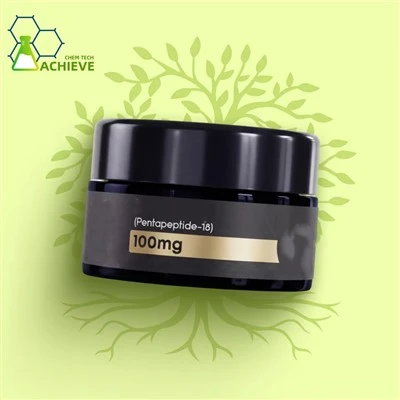
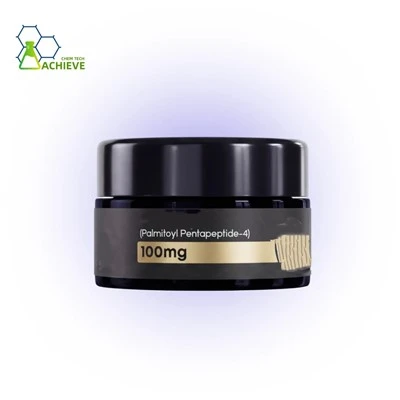
Transdermal Peptide as a well-documented transdermal enhancer in peptide science, TD-1 facilitates transmembrane transport of macromolecules across the skin barrier via cellular osmotic pressure modulation. maintain structural integrity and experimental reproducibility.
At BLOOM, we offer a variety of protein expression systems, enabling protein expression at different scales to meet your needs. We also provide a range of antibody purification and assay services, such as Dolt Blot, Western Blot, and IHC, to maximize support for your scientific research.
Our Products Form



Transdermal Peptide COA
 |
||
| Certificate of Analysis | ||
| Compound name | Transdermal Peptide | |
| Grade | Pharmaceutical grade | |
| CAS No. | 918629-48-8 | |
| Quantity | 73g | |
| Packaging standard | PE bag+Al foil bag | |
| Manufacturer | Shaanxi BLOOM TECH Co., Ltd | |
| Lot No. | 202601090056 | |
| MFG | Jan 9th 2026 | |
| EXP | Jan 8th 2029 | |
| Structure |
|
|
| Item | Enterprise standard | Analysis result |
| Appearance | White or almost white powder | Conformed |
| Water content | ≤5.0% | 0.38% |
| Loss on drying | ≤1.0% | 0.69% |
| Heavy Metals | Pb≤0.5ppm | N.D. |
| As≤0.5ppm | N.D. | |
| Hg≤0.5ppm | N.D. | |
| Cd≤0.5ppm | N.D. | |
| Purity (HPLC) | ≥99.0% | 99.95% |
| Single impurity | <0.8% | 0.65% |
| Total microbial count | ≤750cfu/g | 80 |
| E. Coli | ≤2MPN/g | N.D. |
| Salmonella | N.D. | N.D. |
| Ethanol (by GC) | ≤5000ppm | 430ppm |
| Storage |
-20°C, protect from light |
|
|
|
||


Detailed Research Applications of Transdermal Peptide

As a well-validated, biologically inspired transdermal enhancer, Transdermal Peptide serves as a core functional component in the R&D of macromolecule transdermal delivery systems, supporting multiple key research directions for non-invasive macromolecule administration
Functional Validation of Macromolecule Delivery Carriers
As a classic amphipathic short peptide carrier, it mediates high-molecular-weight therapeutics including insulin, human growth hormone and other protein drugs to penetrate the dense "brick-and-mortar" structure of the stratum corneum.
It significantly elevates the transdermal permeation efficiency of these macromolecules into systemic circulation, enabling researchers to systematically verify the feasibility of non-invasive transdermal delivery for biomacromolecules.
Surface Modification of Nano-Drug Delivery Systems
It can be covalently or non-covalently modified on the surface of nanocarriers such as liposomes, polymeric nanoparticles and transferosomes. This modification enhances the interaction between nanocarriers and skin barrier lipids as well as keratinocyte membrane proteins.
BLOOM effectively improving the skin penetration capacity of nano-systems and the local enrichment of loaded macromolecules in target dermal sites, which supports the development of targeted transdermal delivery strategies for skin diseases like cutaneous melanoma and psoriasis.
Transdermal Delivery Exploration for Nucleic Acid Macromolecules
By specifically binding to the β-subunit of Na⁺/K⁺-ATPase on the surface of epidermal cells, it reversibly loosens the tight junctions in the stratum corneum and forms temporary, size-permeable microchannels.


This mechanism allows highly hydrophilic, negatively charged nucleic acid macromolecules such as siRNA, mRNA and antisense oligonucleotides to efficiently cross the intact skin barrier, breaking through the long-standing bottleneck of nucleic acid transdermal delivery and expanding the R&D boundary of nucleic acid-based topical and systemic delivery systems.
Formulation Development Support for Macromolecule Transdermal Preparations
BLOOM product is widely applied in the formulation optimization of various transdermal preparations including patches, hydrogels, creams and microneedle formulations. It helps clarify the regulatory rules of macromolecule transport across the skin barrier, providing solid theoretical basis for the rational design of next-generation high-efficiency macromolecule transdermal delivery systems.
Safety and Biocompatibility Evaluation of Delivery Systems
Leveraging its unique reversible action feature, Transdermal Peptide supports the verification of the full recovery capacity of the skin barrier after macromolecule transdermal permeation. It is also used to evaluate the long-term skin irritation, local toxicity and systemic biocompatibility of the whole delivery system, providing critical preclinical safety data to accelerate the subsequent clinical translation of macromolecule transdermal delivery platforms.
It also avoids the first-pass effect of the liver, providing a critical technical support for the development of innovative long-term administration systems for chronic diseases such as diabetes.
Fundamental Mechanism Research of Transdermal Delivery
As a standardized model tool molecule, it assists researchers in systematically analyzing core processes during macromolecule transdermal transport, including lipid pathway reconstruction, intercellular diffusion regulation and intracellular trafficking pathways.


helps clarify the regulatory rules of macromolecule transport across the skin barrier, providing solid theoretical basis for the rational design of next-generation high-efficiency macromolecule transdermal delivery systems.
Safety and Biocompatibility Evaluation of Delivery Systems
Leveraging its unique reversible action feature, it supports the verification of the full recovery capacity of the skin barrier after macromolecule transdermal permeation. It is also used to evaluate the long-term skin irritation, local toxicity and systemic biocompatibility of the whole delivery system, providing critical preclinical safety data to accelerate the subsequent clinical translation of macromolecule transdermal delivery platforms.
Microneedle tip drug loading performance optimization
As a functional penetration enhancer mixed with the matrix of dissolving microneedles, it improves the skin permeability of loaded macromolecular drugs, and reduces the burst release risk of hydrogel microneedles.
Hollow microneedle delivery efficiency enhancement
It is used to modify the inner wall of hollow microneedles, reduce the flow resistance of macromolecule solutions during transdermal infusion, and further improve the delivery stability of the pump-free ultrasonic atomization-driven microneedle system.
Microneedle-macromolecule biocompatibility verification
It acts as a protective component for protein/nucleic acid drugs, reducing the denaturation risk of active macromolecules during the microneedle fabrication and skin insertion process.
Intelligent microneedle theranostic system development


It is integrated with wearable closed-loop insulin delivery microneedle platforms, to verify the synergistic effect of peptide penetration promotion and glucose-responsive controlled release on in vivo hypoglycemic performance.
Microneedle transdermal vaccine delivery research
It is loaded into the microneedle matrix together with antigen molecules, to enhance the transdermal delivery efficiency of antigens to skin immune cells, and improve the immune response induction effect of microneedle vaccines.
Microneedle skin penetration mechanism study
It is used as a tracer-assisted research tool, to quantitatively analyze the dynamic distribution law of macromolecules in different skin layers after microneedle puncture, and provide data support for the structural optimization of microneedle arrays.
Differences between Transdermal Peptide and Other Similar Products
Difference in the Reversibility of Skin Barrier Function
Transdermal Peptide: Works by specifically binding to the β-subunit of Na⁺/K⁺-ATPase in the epidermis. It reversibly relaxes the tight connections of the stratum corneum without disrupting the inherent structure of the skin's lipid bilayer. After the penetration enhancement process, the skin barrier can completely and autonomously recover to its normal state without any risk of permanent damage.Traditional Chemical Penetration Enhancers (Azone, DMSO, Fatty Acids, etc.):Rely on physicochemical actions to directly disrupt the lipid arrangement of the stratum corneum, damaging the dense layered structure of the skin barrier. Some highly active ingredients can cause lipid loss from the stratum corneum, making it difficult for the barrier to fully repair itself after damage.
Conventional Lipopeptide-Based Biological Penetration Enhancers: Achieve penetration by loosening the lipid structure of the stratum corneum.


The degree of disturbance to lipid arrangement is greater than that of Transdermal Peptide. In some high-concentration application scenarios, it can cause excessive loss of endogenous lipids in the skin.
Differences in Skin Irritation and Sensitization
Transdermal Peptides: These are short, biologically derived peptides with well-defined sequences and no immunogenicity.Traditional Chemical Penetration Enhancers:Most of these ingredients can cause varying degrees of skin irritation at effective penetration concentrations. Long-term, repeated use can easily lead to adverse reactions such as dry skin, peeling, and inflammation. Some organic solvent-based penetration enhancers also have significant mucosal irritation.Common Cell-Penetrating Peptides (e.g., TAT): These lack skin-targeting specificity and tend to accumulate non-specifically within epidermal cells. High concentrations may induce cytotoxicity, and some cationic peptides also pose a potential risk of sensitization.
Temperature control during transdermal peptide product transportation
Core Temperature Benchmark: The product requires long-term sealed storage at -20 °C away from light. The whole transportation process must refer to this standard to prevent conformational changes of the active Transdermal Peptide and disulfide bond breakage that will cause irreversible activity loss. Temperature Control for Short-distance Domestic Research Orders: For small-specification domestic short-distance orders, the cold chain packaging composed of ice packs and insulated foam boxes can maintain a stable low temperature of 0-4 °C for more than 48 hours.
fully covering the conventional express delivery timeliness and meeting basic temperature control requirements.
Temperature Control for Long-distance/Cross-border Transportation: For inter-regional or cross-border long-haul shipments, BLOOM dry ice combined with a high-sealing insulated box is adopted, which can sustain a low temperature of -20 °C or below for 72-96 hours throughout the journey, avoiding peptide moisture absorption and activity degradation caused by temperature rise during prolonged transportation.


Temperature Fluctuation Risk Avoidance: Prolonged exposure to room temperature above 25 °C outside the low-temperature environment is strictly prohibited during the whole transportation process. Repeated freeze-thaw temperature fluctuations are also forbidden, as these conditions will directly disrupt the spatial conformation of the peptide chain and drastically reduce the biological activity of the product.
Temperature Control Verification Service: For high-value bulk orders, a temperature data logger can be optionally equipped to record real-time temperature data throughout the transportation process.
References
1. Transdermal delivery of peptide and protein drugs: Strategies, advantages and disadvantages.
2.From Bioactive Peptides to Transdermal Peptides: An Emerging Strategy for Revolutionizing Drug Delivery.
3.The Precision Peptide Company to Showcase Its Needle-Free Recovery Patch and Supplement Range at FitExpo Anaheim.
4.Vector Science & Therapeutics (TSXV: PAIN) Begins Peptide Production as First Suite at LyoGenesis Manufacturing Comes Online.
FAQ
Q: What is Transdermal Peptide and what is its core research value?
A: Transdermal Peptide is an 11-amino-acid research-grade transdermal enhancer, the first validated short peptide that can effectively carry macromolecules across intact skin without physical penetration assistance. It is widely used in transdermal delivery mechanism research, macromolecule formulation development and microneedle technology optimization.
Q: Can it be mixed directly with insulin, siRNA and other macromolecular drugs for transdermal experiments?
A: Yes, no complex covalent modification is required. Simple physical mixing can significantly improve the skin penetration efficiency of hydrophilic macromolecules, breaking the traditional 500 Da transdermal molecular weight limit.
Q: What are the standard storage conditions for long-term use in the lab?
A: The lyophilized powder should be stored at -20 °C in a sealed, light-protected environment. After reconstitution, aliquot and avoid repeated freeze-thaw cycles to maintain activity.
Q: What temperature control standards are adopted for international transportation?
A: Small orders are shipped with ice packs to maintain 0-4 °C for over 48 hours; bulk cross-border orders use dry ice insulated packaging to sustain -20 °C for 72-96 hours, with optional temperature data loggers for compliance verification.
Hot Tags: transdermal peptide, China transdermal peptide manufacturers, suppliers, Best Ghk Cu Peptide Injection, Botulinum Toxin Peptide, BPC 157 Peptide Powder, Glutathione Liposomal Capsules, Glutathione Liposomal Tablets, Pure Glutathione Powder