

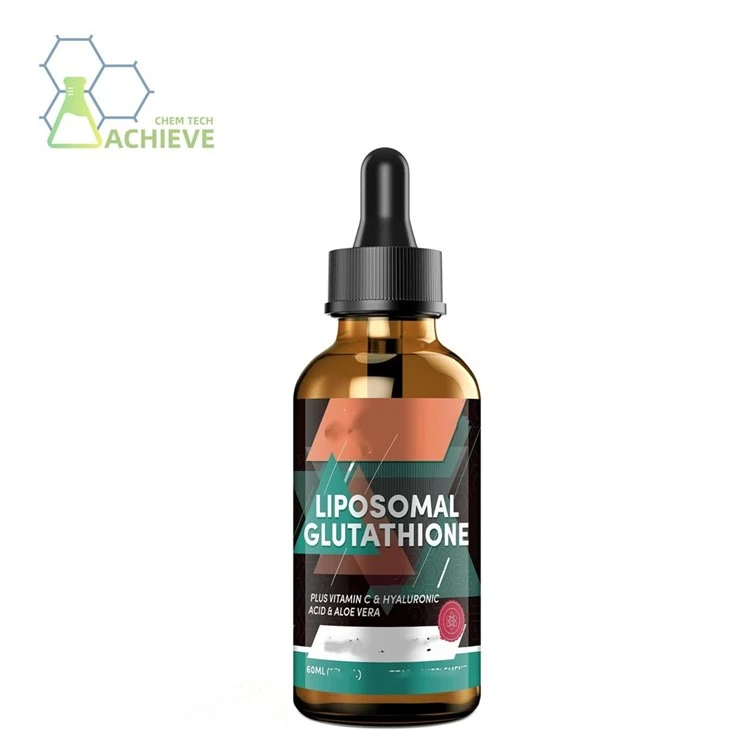
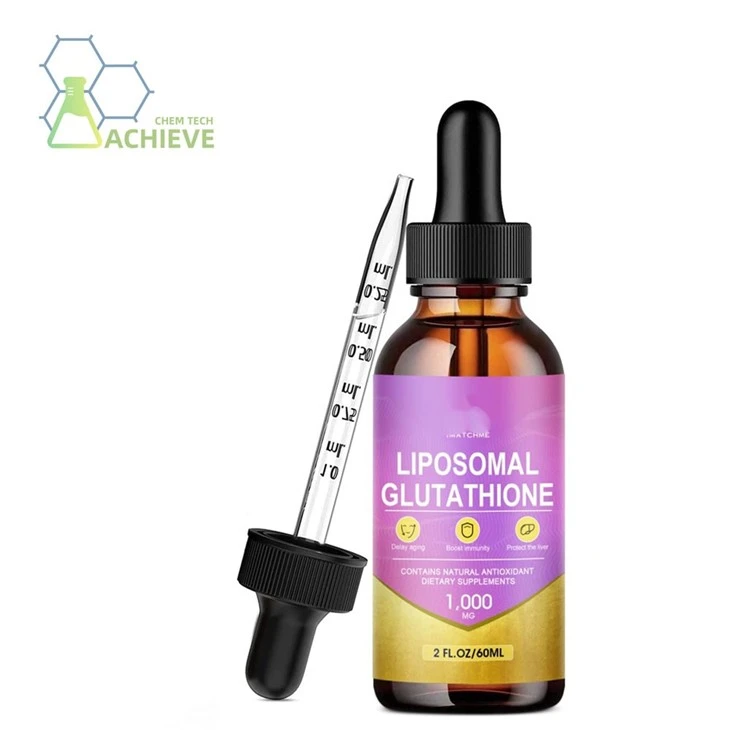
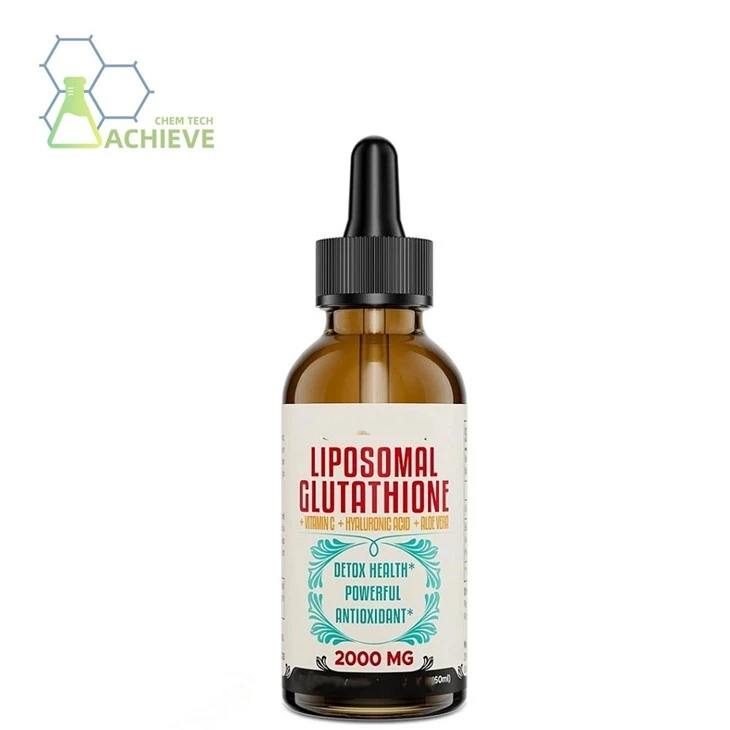
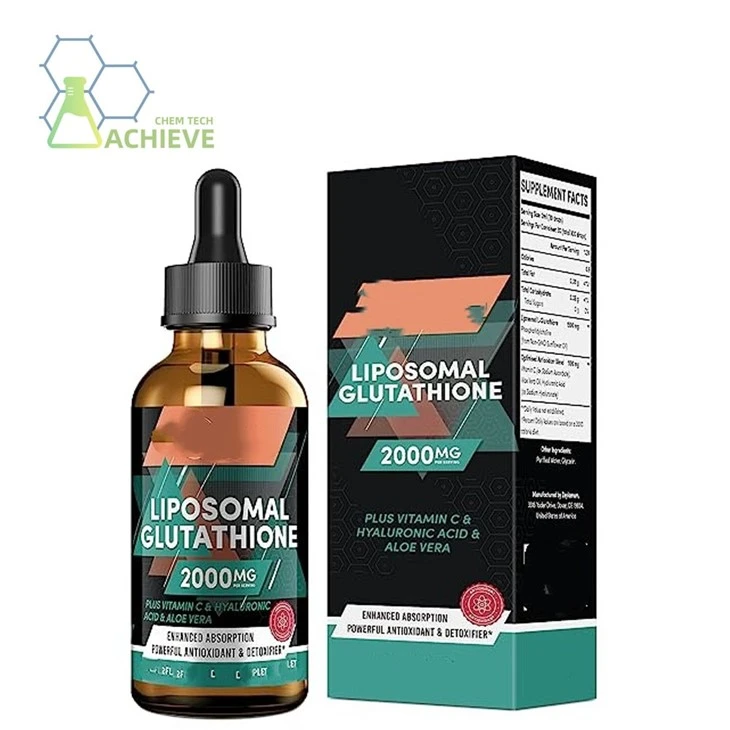
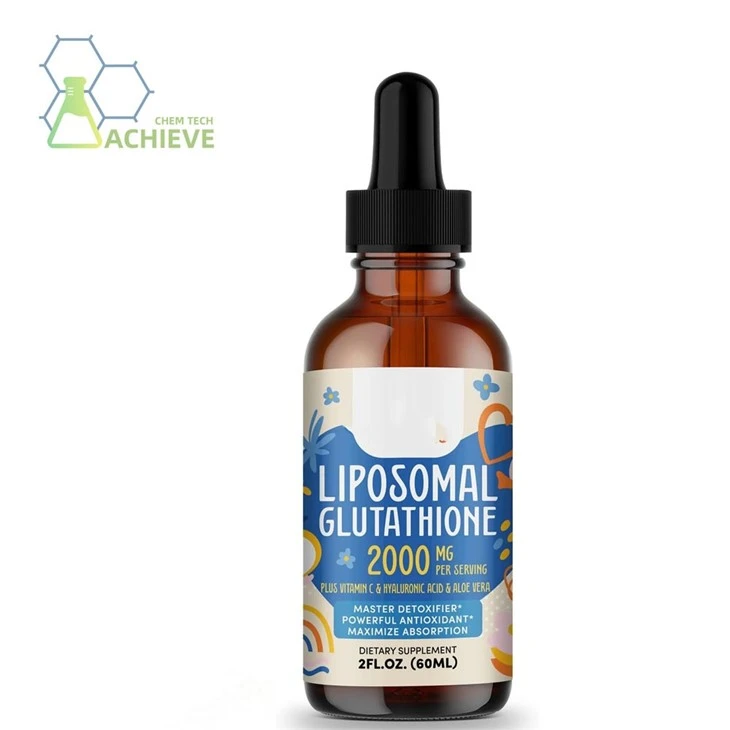
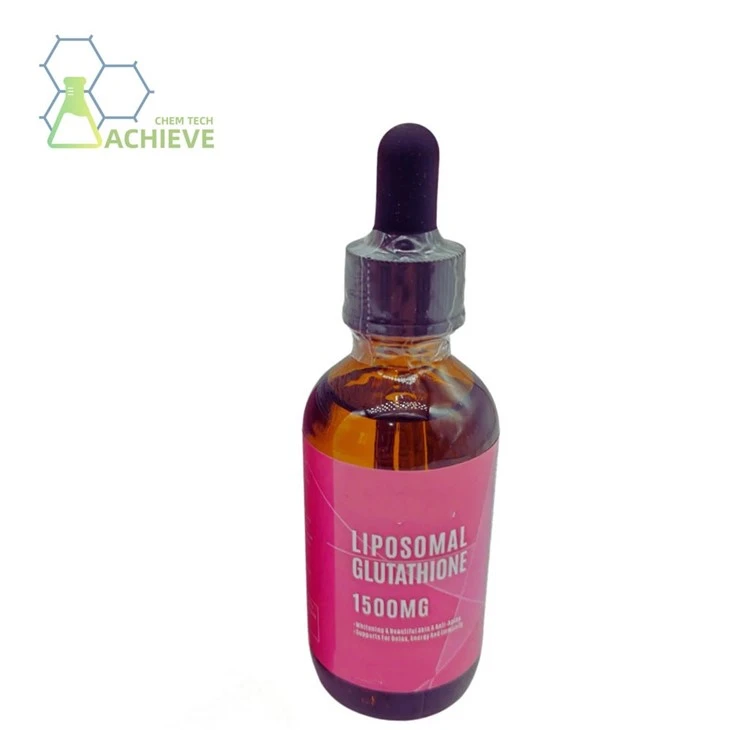
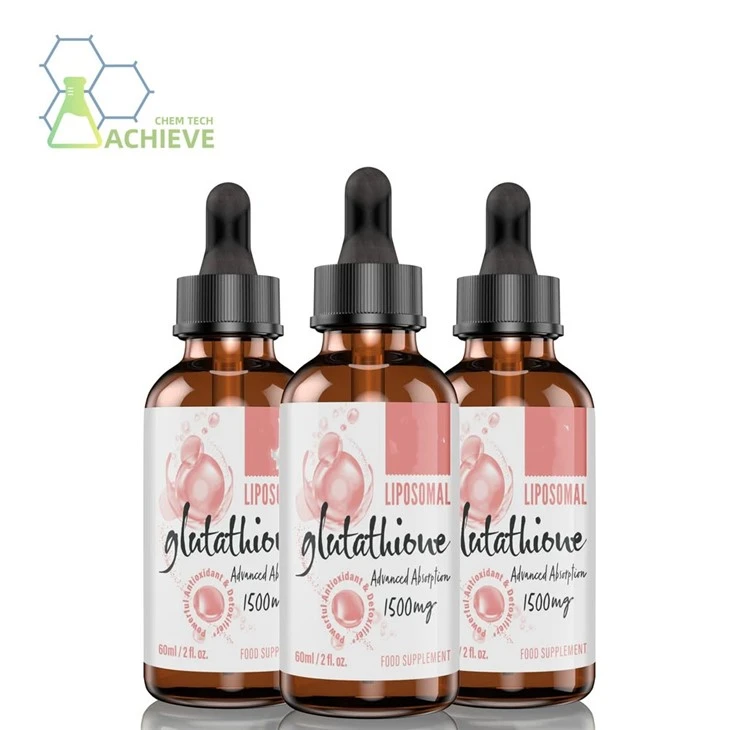
Liposomal Glutathione Drops are a type of glutathione (GSH) supplement packaged using liposome technology. Its core component, reduced glutathione, is a naturally occurring tripeptide in the human body (composed of glutamic acid, cysteine, and glycine), known as the "king of antioxidants". Liposome technology significantly enhances the bioavailability of glutathione by encapsulating it in a nanoscale phospholipid bilayer membrane, simulating the cell membrane structure. Glutathione can directly neutralize reactive oxygen species (ROS) such as superoxide anions and hydroxyl radicals, and its antioxidant capacity is 100 times that of vitamin C and 50 times that of vitamin E. It maintains the activity of other antioxidants by reducing vitamin C and vitamin E, forming an 'antioxidant cycle'. For example, it reduces oxidized vitamin C to reduced form, which can further scavenge free radicals.
Our company mainly provides pure powders, tablets, and capsules. If you have any other forms of needs, please contact our sales team.
Our products




Glutathione COA


Liposomal Glutathione Droplet Delivery: Penetrating the blood-brain barrier and regulating the sensory interface
The Blood Brain Barrier (BBB), as one of the most sophisticated physiological barriers in the human body, is composed of brain microvascular endothelial cells, pericytes, astrocytes, and tight junction complexes. Its core function is to protect the central nervous system from pathogens and toxins in the blood. However, this barrier also results in 98% of small molecule drugs and all large molecule drugs being unable to effectively enter brain tissue, becoming a core challenge in the treatment of neurodegenerative diseases. Traditional drug delivery systems often suffer from systemic side effects and limited efficacy due to a lack of targeting. In recent years, Liposomal Glutathione Drops have become a breakthrough technology for breaking through the blood-brain barrier due to their nanoscale structure, biocompatibility, and targeted modification ability.
The physiological barrier of the blood-brain barrier and the dilemma of drug delivery
The blood-brain barrier consists of four layers. The first is a continuous, pore free physical barrier formed by tight junctions between brain microvascular endothelial cells, which restricts the free diffusion of substances with molecular weights greater than 400-600Da; The second is that Pericytes wrap around endothelial cells, regulating vascular stability and permeability; The third is that astrocytes wrap around blood vessels in the terminal foot, secrete neurotrophic factors, and participate in immune regulation; The fourth is the basement membrane, which is composed of collagen and laminin, providing structural support. This structure makes the blood-brain barrier highly selective. Only essential substances such as oxygen, glucose, and amino acids are allowed to enter brain tissue through active transport or passive diffusion, while the vast majority of drugs are blocked due to their high molecular weight or insufficient lipophilicity. For example, the anti-cancer drug Crizotinib has significantly reduced efficacy in treating brain metastases due to its low blood-brain barrier permeability.

Limitations of traditional drug delivery systems
Traditional drug delivery faces two core issues: low penetration rate. 98% of small molecule drugs cannot penetrate the blood-brain barrier, resulting in insufficient drug concentration in the brain; Non targeting refers to the potential side effects of drugs, such as liver and kidney toxicity and immune reactions, when distributed throughout the body. For example, although opioid analgesics can alleviate pain, they can easily lead to respiratory depression and addiction.
To overcome these challenges, researchers have developed various strategies, including physical penetration such as focused ultrasound (FUS), which temporarily opens the blood-brain barrier but may damage normal brain tissue; Chemical modification increases drug lipophilicity to enhance permeability, but may alter drug activity; Carrier delivery can be achieved through targeted delivery using nanoparticles, exosomes, and other carriers, among which liposomes have become a research hotspot due to their biocompatibility and modifiability.
Molecular Mechanism and Delivery Advantages of Liposomal Glutathione
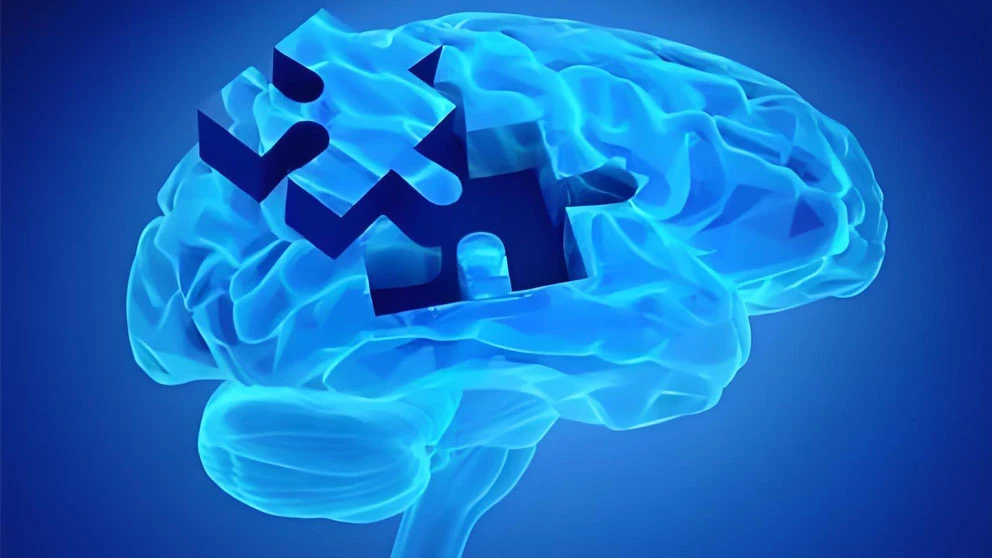
Structural characteristics and functional design of liposomes
Liposomes are nanoscale vesicles composed of phospholipid bilayers, with a structure highly similar to the cell membrane and a diameter typically between 50-200nm. Its core advantages include biocompatibility, as phospholipid components such as DSPC and DOPC can be metabolized by the human body without immunogenicity; Targeted modification is achieved through surface coupled ligands such as glutathione and antibodies to achieve active targeting; Controlled release is the precise release of drugs at the target site achieved through pH, enzymes, or redox responsive materials. Liposomal glutathione drops form stable nanoparticles by encapsulating glutathione (GSH) within a phospholipid bilayer, with an optimized particle size of 100-150nm, to balance the ability to penetrate the blood-brain barrier with in vivo circulation stability.
The dual role of glutathione: antioxidant and targeting ligand
Glutathione (γ - L-glutamyl-L-cysteine glycine) is the most important endogenous antioxidant in the human body. Its core functions include clearing free radicals, neutralizing reactive oxygen species (ROS) through thiol groups (- SH), and protecting cell membranes and DNA from oxidative damage; As a substrate of glutathione S-transferase (GST) with detoxifying properties, it binds to toxins such as heavy metals and drug metabolites to promote their excretion; Signal regulation is achieved by regulating the activity of transcription factors such as Nrf2 and NF - κ B through the redox cycle (GSH/GSSG), which affects cell proliferation, differentiation, and apoptosis. In liposome delivery systems, glutathione not only acts as an active ingredient but also as a targeting ligand. Glutathione transporters (such as OATP1A2) are expressed on the surface of endothelial cells in the blood-brain barrier, which can specifically recognize glutathione modified carriers and transport liposomes to brain tissue through receptor-mediated transcytosis (RMT).
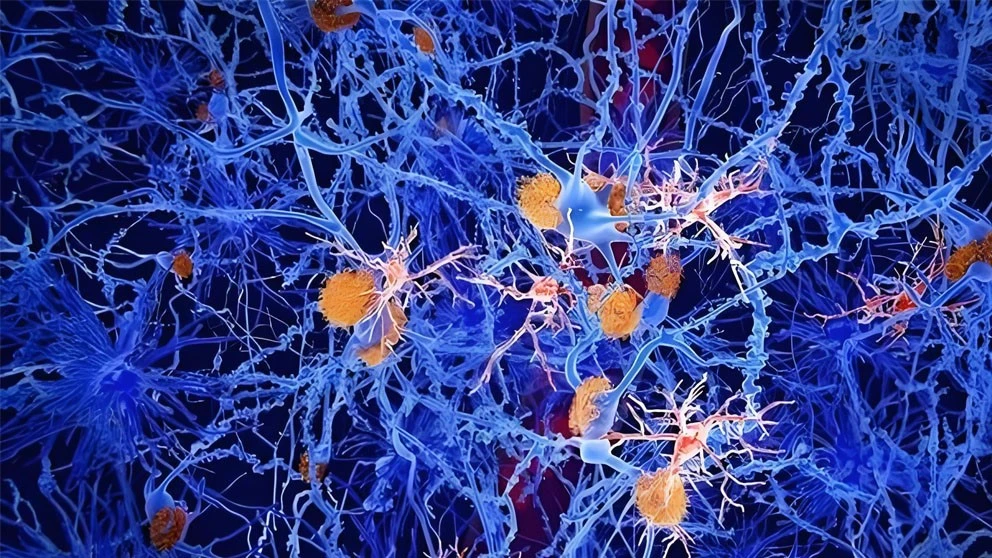
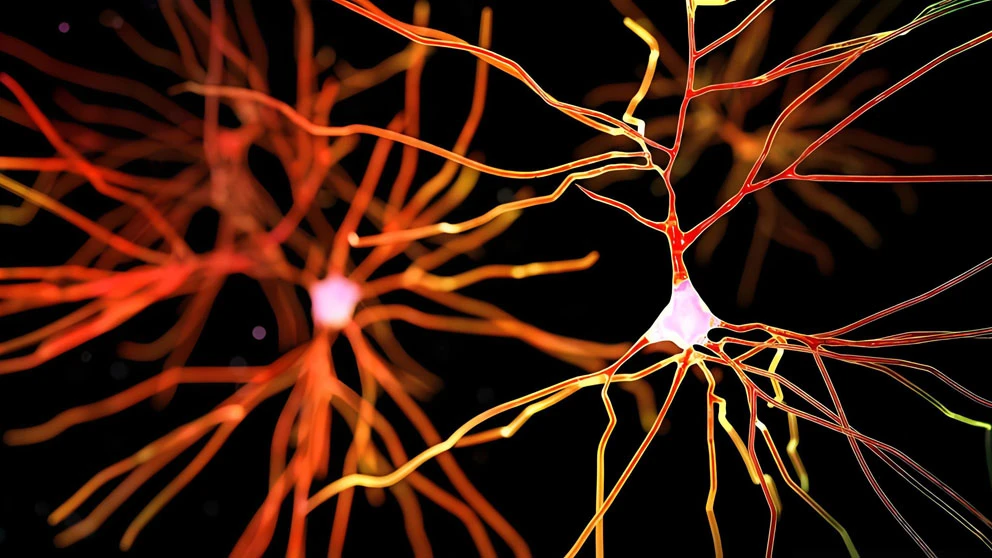
Collaborative mechanism of crossing the blood-brain barrier
Liposomal glutathione drops penetrate the blood-brain barrier through multiple mechanisms and enhance targeting through surface modification. Glutathione ligands bind to glutathione transporters on the surface of endothelial cells in the blood-brain barrier, initiating receptor-mediated endocytosis; Polyethylene glycol (PEG) modification prolongs the half-life of liposomes in the bloodstream (from<1 hour to 6-8 hours) and reduces non-specific uptake. Nanoscale structures promote permeability, as liposomes with a particle size of less than 200nm can be transported to the brain parenchyma through the interstitial spaces of endothelial cells or taken up by pericytes;
The phospholipid bilayer fuses with the cell membrane and directly releases glutathione into the cytoplasm. Redox responsive release can be triggered by high concentrations of ROS in the tumor microenvironment or inflammatory site, leading to lipid membrane oxidation and drug release; Glutathione further promotes drug release at the target site by reducing disulfide bonds (S-S). Experimental data shows that the drug loading of glutathione PEG modified liposomes is increased by 3 times, and the drug concentration in the brain is 2.39 times higher than that of non targeted liposomes and 1.89 times higher than that of free drugs.

Clinical translational challenges and future directions
The large-scale production of liposome preparations needs to address the following issues:
Particle size uniformity: High pressure homogenization method can easily lead to a wide particle size distribution (PDI>0.3), which affects the consistency of release. Microfluidic technology can achieve precise control of particle size (PDI<0.2), but the cost is relatively high;
Phospholipid oxidation: Phospholipids are easily oxidized to form peroxides during the production process, which reduces the stability of liposomes. Adding antioxidants (such as vitamin E) and optimizing the freeze-drying process can reduce oxidative losses;
Optimization of drug loading: By adjusting the ratio of phospholipids to cholesterol (such as 5:1), the drug loading can be increased to 10-15%.
The demand for glutathione varies among different populations:
Healthy population: 100-300mg per day can maintain basic antioxidant levels;
Chronic disease patients require 500-1000mg to compensate for internal consumption.
In the future, personalized dose optimization can be achieved through genetic testing (such as GSTT1 genotype) and monitoring of oxidative stress markers (such as 8-isoprostanes). For example, individuals with GSTT1 deficiency require higher doses of glutathione due to decreased detoxification ability.
Developing environmentally triggered liposomes using stimuli responsive materials:
PH sensitive type: releases GSH in the alkaline environment of the intestine to avoid gastric acid damage;
Enzyme sensitive type: using intestinal specific enzymes (such as trypsin) to cleave phospholipid chains and trigger release;
Redox sensitive type: releases drugs in a high concentration ROS environment at tumor or inflammatory sites.
A pH/enzyme dual sensitive liposome has been developed, and in vitro simulation experiments showed a 30% increase in GSH release rate in the intestine compared to traditional liposomes.
Combining liposomes with other delivery technologies to enhance therapeutic efficacy:
Liposome exosome hybrid carrier: utilizing the natural targeting properties of exosomes to enhance the penetration of liposomes into brain tissue;
Liposome focused ultrasound combined delivery: By temporarily opening the blood-brain barrier through ultrasound, liposome drug delivery is simultaneously released to achieve synergistic delivery.
Experiments have shown that liposome exosome hybrid carriers can increase drug concentration in the brain by 5 times without significant immunogenicity.
Hot Tags: liposomal glutathione drops, China liposomal glutathione drops manufacturers, suppliers, Botulinum Toxin Injection 100iu, Nad Capsule, Nad Peptide Injection, Nad Tablet, BPC 157 Peptide Cream, BPC 157 Peptide Capsules


