
Metabolic health challenges have emerged as defining concerns of modern medicine. From widespread obesity to insulin resistance and energy imbalance, millions worldwide struggle with conditions that traditional interventions often fail to address adequately. Against this backdrop, 5 amino 1mq peptide has captured the attention of researchers and health professionals as a promising molecular tool with the potential to reshape how we approach metabolic wellness.
This small-molecule peptide inhibitor targets nicotinamide N-methyltransferase (NNMT), an enzyme increasingly recognized for its central role in cellular metabolism. Unlike conventional approaches that focus primarily on caloric restriction or appetite suppression, this compound works at the cellular level to restore metabolic balance, enhance energy utilization, and support healthy fat metabolism. As scientific understanding deepens, 5 amino 1mq peptide stands poised to become a cornerstone of next-generation metabolic health strategies.

1.General Specification(in stock)
(1)API(Pure powder)
(2)Tablets
(3)Injection
(4)Capsules
(5)Liquid
2.Customization:
We will negotiate individually, OEM/ODM, No brand, for secience researching only.
Internal Code:KP-3-5/002
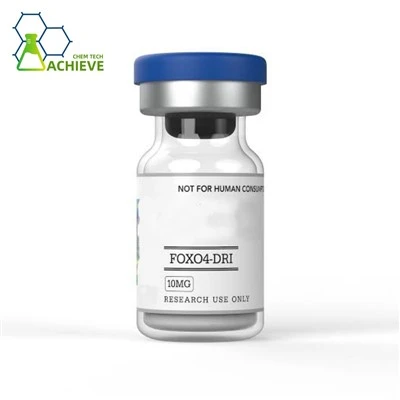
NNMTi CAS 42464-96-0
Molecular formula: C10H11N2.I
HS code: N/A
Molecular weight: 286.11
EINECS number: 464-196-0
Main market: USA, Australia, Brazil, Japan, Germany, Indonesia, UK, New Zealand , Canada etc.
Analysis: HPLC, LC-MS, HNMR
Technology support: R&D Dept.-4

How Does 5 Amino 1MQ Peptide Interact with Metabolic Pathways to Support Energy Balance?
Targeting NNMT to Restore Cellular Energy Dynamics
NNMT is being studied to fix the way cells use energy. First, it blocks NNMT specifically. This is how the 5 amino 1mq peptide changes metabolism. A key coenzyme that cells need to make energy is nicotinamide. This enzyme turns nicotinamide into a different form, which lowers NAD⁺. Most of the time, people who are overweight or have metabolic problems see their NAD⁺ levels drop when their NNMT activity goes up. This makes it harder for the cell to make energy because it hurts the function of the mitochondria.This loss is stopped by the 5 amino 1mq peptide, which blocks NNMT and lets NAD⁺ levels rise.


A higher level of NAD+ turns on sirtuins, especially SIRT1.Sirtuins are a group of proteins that manage the balance of metabolism, the building of mitochondria, and how cells react to stress.This chain of events speeds up oxidative phosphorylation in the mitochondria.This helps cells burn fat more efficiently and get energy from stored lipids instead of saving them.
Promoting Lipolysis While Suppressing Lipogenesis
5 amino 1mq peptide changes the balance between making fat and breaking it down in a big way, according to research. Pigs that were overweight because they didn't eat well had a lot more genes that break down fat, like adipose triglyceride lipase (ATGL) and hormone-sensitive lipase (HSL).
At the same time, a lot of genes that make fat went down in expression. These genes include fatty acid synthase (FAS) and acetyl-CoA carboxylase (ACC).The body's metabolism works in a way that helps lose fat with this two-step process.Adipocytes store triglycerides and release them when the body needs them. Then, in mitochondria, they are broken down to make ATP, which is the cell's energy currency.This makes the body use energy and lose fat at the same time, since it likes to use fat stores for power.This is different from many other ways to lose weight that depend on cutting calories or making you feel less hungry because it works without changing what you want to eat or how much you eat.


Enhancing Whole-Body Energy Expenditure
Even though it only works in cells, 5 amino 1mq peptide changes the way energy moves through the body as a whole. Treating people makes them use more energy, which can be seen in how much air they breathe and how much heat they make. Better mitochondria and a faster metabolism in adipose tissue cause this thermogenic effect.This is especially true for white adipose tissue, which can change into metabolically active brown fat.
The peptide can also change how well you do in sports. Researchers looked at old animals and found that the treatment made the grip about 40% stronger. This means that the muscles' ability to use energy and work better got better. This finding suggests that it can be used for more than just losing weight. This might help people stay busy and age in a good way.


The Role of NNMT Regulation in the Metabolic Benefits of 5 Amino 1MQ Peptide

Understanding NNMT's Central Position in Metabolic Dysregulation
Figure out what NNMT does in metabolic dysregulation. A lot of NNMT is made in people with metabolic diseases, which starts a chain of bad things that happen. It is more likely for people who are overweight to have NNMT activity in their adipose tissue. This helps adipocytes develop and become adult fat cells that store fat. This enzyme changes the pathways that trigger inflammation and the release of cytokines. It also contributes to the ongoing low-level inflammation that is a part of metabolic syndrome.
It also works in the liver, which is an important part of the body. When hepatic NNMT is overexpressed, fat builds up. This is a cause in non-alcoholic fatty liver disease (NAFLD), a condition that millions of people around the world have.
When there is too much NNMT activity, NAD⁺ levels drop in liver cells. This stops fat from being burnt and speeds up the production of triglycerides. Hepatic steatosis can happen because of this change in metabolism.
Breaking the Vicious Cycle of Inflammation and Metabolic Dysfunction
One great thing about the 5 amino 1mq peptide is that it can help lower swelling. People with metabolic diseases are stuck in a loop where being overweight makes inflammation worse, which makes insulin resistance and metabolic failure even worse, which makes people gain even more weight and fat. NNMT makes this loop easier by encouraging communication that causes inflammation.A study using high-fat diet models showed that treatment with 5 amino 1mq peptide greatly decreased levels of two important inflammatory substances, IL-6 and tumour necrosis factor-alpha (TNF-α).


There were not as many macrophages moving into fat tissue. This meant that the immune system was not as active and there was less inflammation. This happened at the same time that insulin sensitivity and glucose metabolism got better. This shows that controlling NNMT activity has an impact on a number of metabolic health problems that are connected.
Supporting Healthy Hepatic Function Through NNMT Inhibition
The main good thing about the peptide is that it keeps the liver healthy. With the 5 amino 1mq peptide, the size of the liver, the amount of cholesterol in the liver, and signs of inflammation in the liver all went down in animal models of NAFLD. A histological study found that there was less lipid droplet buildup and fewer inflammatory cells in the liver.
This means that the fatty liver disease has gone away.There were several ways that these changes happened in the liver. More NAD⁺ helped mitochondria burn fat, fewer lipogenic genes stopped the production of new fat, and less inflammation kept liver cells from getting hurt. Other than that, the peptide helped release good fats like palmitic acid and hydroxy stearic acids (PAHSA), which lower inflammation and improve insulin function.

5 Amino 1MQ Peptide Applications in Exploring Next-Generation Metabolic Research

A chemical tool called 5 amino 1mq peptide is used to help researchers figure out how fat tissue works. Adipose tissue is not only a storage organ that does nothing, but it is also an endocrine organ that does things like send hormones and communication molecules to other parts of the body that change metabolism. In order to make hormonal changes that work, it is still important to know how fat cells change, store energy, and talk to other organs.
In lab tests using 3T3-L1 preadipocytes, 5 amino 1mq peptide stops growth in a way that changes based on the amount used.It stopped more than 70% of fat cells from forming at a dose of 30 μM and lowered the expression of key regulators of adipogenesis, like PPARγ and C/EBPα.
These findings help us understand the molecular switches that manage fat cell growth and point the way to new ways to treat them.
It also helps scientists figure out what happens to fat tissue when it gets too many or too few calories. Researchers can see how NAD levels affect metabolic flexibility by changing how NNMT works. Metabolic flexibility is the body's ability to burn carbs and fats efficiently based on what's available. This study may help us understand why some people find it hard to lose weight or quickly put it back on.


Why Are Researchers Studying 5 Amino 1MQ Peptide for Cellular Energy Optimization?

Investigating NAD⁺ Biology and Longevity Pathways
Studying the chemistry of NAD+ and the ways to live longer. Researchers who study getting older and living longer use NAD+ a lot. As people get older, this chemical amount slowly drops. Over time, this causes mitochondria to stop working, cells to heal more slowly, and more cellular damage. 5 amino 1mq peptide raises NAD+ by stopping its loss through methylation. This gives us a new way to study NAD+ biology that is different from methods that use supplements.The activity of SIRT1 and other sirtuins starts to rise when NAD+ levels do. This starts a chain of protective responses in cells.
Proteins in this group decide how DNA is fixed, how well cells can handle stress, how mitochondria grow, and how their metabolism changes. By adding 5 amino 1mq peptide to this route, researchers can separate the effects of blocking NNMT from other ways of making NAD+. This helps them figure out the best ways to help older people stay healthy.
Exploring Mitochondrial Function and Metabolic Flexibility
Learning about how mitochondria work and how metabolism can change. Cells' power plants are called mitochondria, and many metabolic and age-related diseases are brought on by issues with them. Because the peptide can make mitochondria more oxidative, it can be used to find out more about how these cells deal with biochemical issues.


Researchers are interested in how stopping NNMT changes the amount of mitochondria, the respiratory chain's efficiency, and the creation of reactive oxygen species.Studies have shown that adding 5 amino 1mq peptide to cells makes mitochondrial formation more visible. This means that new mitochondria are being made and the ones that are already there work better. This finding is very important for diseases like metabolic syndrome and neurological illnesses that are marked by a lack of mitochondria. The peptide helps us figure out the signals that tell mitochondria to renew themselves based on how much energy a cell has.
Understanding How 5 Amino 1MQ Peptide May Shape Future Metabolic Health Solutions
Developing Combination Therapeutic Strategies
Coming up with plans for mix medicine. Metabolic health will probably no longer use single treatments, but rather methods that target more than one thing. Changes to 5 amino 1mq peptide's food, workout plans, and substances that work well with it have been shown to work better when used together. Cutting calories and taking the peptide together helped people lose fat faster than either of them could do on their own. Plus, it kept lean muscle mass, which is a big plus over regular diets.
When different types of exercise are done together, they can improve strength, stamina, and metabolic response. It looks like the peptide boosts the hormones that tell your body that exercise is good for you.


This could make exercise treatments work better. This area of study could lead to plans that use both drugs and changes in living to help the body the most.
It looks like they might also work when mixed with other drugs. GLP-1 receptor agonists are often used to help people lose weight. 5 amino 1mq peptide made them work better and caused fewer stomach problems when taken with them. If more than one part of metabolic failure is fixed at the same time, this suggests that it might be possible to make treatment plans that work better and are easier to stick to.
Addressing Personalized Metabolic Medicine
It's possible that NNMT expression and activity levels vary between people.
This could explain why some people get metabolic diseases, and others don't, even when they are exposed to the same outside causes. Genetic research has found variations in the NNMT gene that are connected to metabolic factors and the likelihood of becoming overweight. This means that strategies that stop NNMT might work best for people who do a lot of it.
Patients could choose the best treatment for them if tests were made that measure NNMT expression or activity.If a patient has high amounts of NNMT, they may be given targeted inhibitor therapy. If their levels are average or low, they may try other methods. This method of precision medicine might help treatments work better while skipping steps that aren't needed for people who aren't likely to benefit.


Establishing Safety Profiles and Long-Term Effects

Making safety profiles and looking at effects that will last for a long time. Even as the study gets closer to being used in people, it is still very important to do a full safety review. Therapeutic amounts have been tested on animals and have been shown to be safe. They haven't had any big problems with their ability to eat, behave, or use their systems. The amount of lean body mass stayed the same, and indicators of liver and kidney function stayed the same. This method is different from others that make you lose muscle or slow down your metabolism because of this.Long-term studies that look at how treatment works and how people feel after treatment show encouraging trends. It looks like the weight loss effects last, as there is little to no weight gained back after treatment ends.
This is a big plus over other ways to lose weight. After the treatment is over, metabolic changes that were made, like insulin sensitivity and cholesterol levels, stay better. There may be metabolic changes going on here instead of just short-term disease control.
Also being studied are the best ways to administer the drug, how long the treatment should last, and whether it should be given all the time or only sometimes. These studies will set up methods that are based on facts and will get the most benefits with the least amount of risk. This will make it possible for safe clinical growth that is safe.

Conclusion
We now think about metabolic health in a different way since 5 amino 1mq peptide was found. This chemical doesn't just lower your calorie intake or make you feel less hungry; it also changes the basic biological processes that manage how much energy you make, how you burn fat, and how your body sends signals to reduce inflammation. By going after NNMT, it makes NAD⁺ available again, starts defensive pathways that make you live longer, and evens out metabolic scales that were skewed toward fat storage and problems.
Research with both cell models and animals has shown that there are many benefits, such as less fat tissue mass, better liver function, less inflammation, and keeping lean muscle. Metabolism gene control and mitochondrial optimisation are scientifically proven ways that these effects happen. This makes us believe that the benefits we see are based on biology.
It's possible that 5 amino 1mq peptide could change not only the direction of future research but also the way people take care of their metabolic health in real life. More proof makes it more likely that this molecule will help us understand and fix the metabolic problems that make our time unique.
FAQ
1. What makes 5 amino 1mq peptide different from traditional weight loss approaches?
The 5 amino 1mq peptide stops the activity of the NNMT enzyme at the cellular level. This is different from other methods that mostly reduce hunger or calories. This makes more NAD⁺ available, starts metabolism pathways like SIRT1, and breaks down fat directly while stopping the production of fat. No matter how much you eat, studies show that it helps you lose fat, keep your lean muscle mass, and fix metabolic problems at their source instead of just fixing the symptoms. This mechanism-based method gives results that last longer and bounce back less often.
2. How does 5 amino 1mq peptide affect liver health and fatty liver conditions?
Studies have shown that it protects the liver in important ways. The peptide stops triglycerides from building up in the liver by making the mitochondria burn more fat and stopping liver cells from making lipogenic genes. In tests done in the lab with NAFLD models, the treatment made the liver lighter, lowered inflammation markers like TNF-α and IL-6, and brought back the histological signs of fatty liver disease. It helps the liver's metabolism work better by increasing the amount of NAD+ it has. This breaks the cycle of fat buildup and inflammation that leads to fatty liver.
3. What is the current research status regarding safety and tolerability of 5 amino 1mq peptide?
The drugs are safe and don't change the way the body normally works, according to studies that were done on animals for several weeks. It was important for those who were treated to keep up with their normal amounts of exercise, food intake, and organ function measures, like liver and kidney parameters. It is important to note that the peptide lowers fat mass while keeping or even increasing strength and lean muscle mass. This proves that it only affects certain parts of the metabolism. Amounts that are safe for humans have not been shown to cause major side effects or changes in behaviour. But more in-depth, long-term tests with people are still needed before the science can be used in the real world.

Partner With BLOOM TECH – Your Trusted 5 Amino 1MQ Peptide Supplier
BLOOM TECH stands ready to support your research and development initiatives with premium-grade 5 amino 1mq peptide supplier solutions backed by rigorous quality assurance. With over 12 years of expertise in organic synthesis and pharmaceutical intermediates, our GMP-certified facilities meet US, EU, Japan, and CFDA standards, ensuring the highest quality materials for your metabolic research applications.
Our triple-tier quality verification system-factory testing, internal QA/QC department analysis, and third-party authority certification-guarantees product integrity. We serve 24 major international pharmaceutical and research organizations with transparent pricing, accurate lead times, and comprehensive documentation for seamless customs clearance. Whether you require small research quantities or bulk manufacturing, our technical team provides customized solutions tailored to your specific needs.
Discover how BLOOM TECH can accelerate your metabolic health research. Contact us today at Sales@bloomtechz.com to discuss your 5 amino 1mq peptide requirements and experience the difference of working with a qualified supplier committed to your success.
References
1. Komatsu M, Kanda T, Urai H, Kurokochi A, Kitahama R, Shigaki S, et al. NNMT activation can contribute to the development of fatty liver disease by modulating NAD+ metabolism. Scientific Reports. 2018;8(1):8637.
2. Kraus D, Yang Q, Kong D, Banks AS, Zhang L, Rodgers JT, et al. Nicotinamide N-methyltransferase knockdown protects against diet-induced obesity. Nature. 2014;508(7495):258-262.
3. Ulanovskaya OA, Zuhl AM, CRF. NNMT promotes epigenetic remodeling in cancer by creating a metabolic methylation sink. Nature Chemical Biology. 2013;9(5):300-306.
4. Hong S, Moreno-Navarrete JM, Wei X, Kikukawa Y, Tzameli I, Prasad D, et al. Nicotinamide N-methyltransferase regulates hepatic nutrient metabolism through Sirt1 protein stabilization. Nature Medicine. 2015;21(8):887-894.
5. Roberti A, Fernández AF, Fraga MF. Nicotinamide N-methyltransferase: At the crossroads between cellular metabolism and epigenetic regulation. Molecular Metabolism. 2021;45:101165.
6. Brachs S, Polack J, Brachs M, Jahn-Hofmann K, Elvert R, Pfenninger A, et al. Genetic nicotinamide N-methyltransferase (Nnmt) deficiency in male mice improves insulin sensitivity in diet-induced obesity but does not affect glucose tolerance. Diabetes. 2019;68(3):527-542.