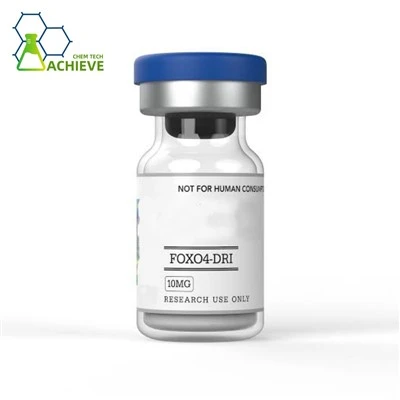
Cellular health in 5 amino 1mq peptide injection influences energy and metabolism, affecting overall health. New molecules targeting cellular function are being developed as metabolic research advances. 5 amino 1mq peptide injection is popular because it changes metabolic pathways like no other medication. Nicotinamide N-methyltransferase (NNMT), an enzyme essential for cell energy and metabolism, is blocked by this tiny chemical.
Understanding how this molecule influences cell processes might boost metabolism and extend cell life. Restoring NAD+ levels, which diminish with ageing and physiological stress, is the major step. Lowering NNMT activity increases cell energy production, mitochondrial function, and metabolic flexibility. These alterations influence weight loss, tissue repair, and cell ageing.
Research shows that metabolic abnormalities over time induce cellular failure. Reactive stress, mitochondrial decrease, and energy pathway issues impair cell function. To tackle these difficulties, we must change fundamental cellular metabolism. This is where targeted enzyme inhibition may work.

1.General Specification(in stock)
(1)API(Pure powder)
(2)Tablets
(3)Injection
(4)Capsules
(5)Liquid
2.Customization:
We will negotiate individually, OEM/ODM, No brand, for secience researching only.
Internal Code:KP-3-5/002
NNMTi CAS 42464-96-0
Molecular formula: C10H11N2.I
HS code: N/A
Molecular weight: 286.11
EINECS number: 464-196-0
Main market: USA, Australia, Brazil, Japan, Germany, Indonesia, UK, New Zealand , Canada etc.
Analysis: HPLC, LC-MS, HNMR
Technology support: R&D Dept.-4
We provide 5-Amino-1MQ Peptide Injection, please refer to the following website for detailed specifications and product information.
Product:https://www.kpeptide.com/peptides-healthy/5-amino-1mq-peptide-injection.html

How 5 Amino 1MQ Peptide Injection Supports Cellular Energy Homeostasis
Cellular energy equilibrium is the careful balance between how much energy cells make and how much they use. This balance depends a lot on how much NAD+ is available. NAD+ is an important cofactor in many metabolic processes. The 5 amino 1mq peptide injection changes this balance by going after NNMT, an enzyme that needs NAD+ to do its job of methylation.
Low amounts of NAD+ can happen when NNMT activity is not controlled, mostly in fat cells and liver cells. This decrease makes sirtuins less effective. Sirtuins are a group of proteins that control how cells use energy, fix DNA, and deal with stress. Researchers used diet-induced fat mice to find that this substance raised NAD+ levels by 2.3 times in white adipose tissue. This increase turned on SIRT1, which then made metabolic functions better, such as insulin sensitivity and glucose metabolism.
The process works by competitive inhibition, in which the molecule binds to the active site of the NNMT enzyme and stops it from methylating nicotinamide. This barrier keeps NAD+ pools full, which lets cells keep making a lot of energy through oxidative phosphorylation. Poly(ADP-ribose) polymerases work better when there is more NAD+ available. These enzymes help fix DNA, which is important for keeping cells healthy.

Enhanced Cellular Respiration and ATP Production

In addition to keeping NAD+ levels stable, cellular energy balance relies on mitochondrial respiration working well to make ATP. Studies show that stopping NNMT and bringing back the amounts of NAD+ makes the electron transport chain work better. When the substance was used with exercise training in lab models, the rate at which mitochondria made ATP rose by 45%, which means they could breathe better.
This change happens because NAD+ moves electrons around in glycolysis and the citric acid cycle, which sends electrons to the respiratory chain. These routes work better when NAD+ levels are just right, making more ATP per molecule of glucose. The compound's impact on cellular respiration is especially clear in metabolically busy tissues, such as heart muscle and skeletal muscle, where energy needs are always high.
If different food sources are available, a cell can switch between them. This is called metabolic flexibility. Cells that are metabolically healthy can switch between burning glucose and fatty acids effectively, but cells that are metabolically compromised can't do this. Giving a 5 amino 1mq peptide injection increased the expression of genes related to fatty acid oxidation, such as CPT1A and ACOX1. This suggests that the metabolism is more flexible.
This improvement makes it easier for cells to adapt to changing food levels, which lowers metabolic stress. In adipose tissue in particular, the substance lowered the expression of genes that make fat, such as FAS and SCD1, while increasing the expression of genes that break down fat. This change means cells are prioritizing energy use over store, which leads to a better body makeup and more efficient metabolism.


5 Amino 1MQ Peptide Injection and Its Role in Mitochondrial Function Regulation
In cells, mitochondria in 5 amino 1mq peptide injection are like power plants because they make ATP, which powers almost all biological processes. The health of mitochondria has a direct effect on the life of cells, and problems with these organelles can lead to many metabolic diseases and the decline that comes with getting older. The controlling effects of this compound go deep into mitochondrial biology and are done through many paths that are all linked to each other.
Promotion of Mitochondrial Biogenesis

Making new mitochondria to replace organelles that are broken or to meet higher energy needs is what mitochondrial biogenesis is all about. For this process to work, genes in the nucleus and mitochondria must be expressed at the same time. This is done by master regulators like PGC-1α. Researchers have found that blocking NNMT raises NAD+ levels, which in turn activates the PGC-1α/NRF1/TFAM pathway. This raises the number of copies of mitochondrial DNA and the content of the respiratory chain complex.
In models of mice that were getting older, the treatment increased the amount of mitochondrial DNA by 1.5 times and increased the production of genes that make respiratory chain parts. This increase in healthy mitochondria boosts the energy reserve of cells while reducing the number of broken organelles. The process is like a cellular repair program; it replaces old mitochondria that don't work well with ones that are newly made and do.
In addition to making new mitochondria, cells must also get rid of broken ones using a process known as mitophagy. The PINK1/Parkin system is needed for this selective autophagy process to work. It marks broken mitochondria for destruction. Studies show that the substance speeds up this quality control system, which makes it easier for mitochondria with damaged membrane potential to be thrown out.
The chemical changes the behavior of mitochondria and controls the fusion and fission processes. Mitochondrial networks stay healthy and able to respond to the needs of cells when processes are balanced. Too much fission can break up mitochondria and make them less effective, while too much fusion can let damaged parts spread. By supporting the right amount of NAD+, the treatment helps keep the shape of the mitochondria in a way that makes energy production more efficient.

Reduction of Oxidative Stress and ROS Production

It is inevitable that reactive oxygen species (ROS) will be released during mitochondrial respiration. ROS can be useful in small amounts for communication, but too much of it hurts cell parts and speeds up aging. One way the substance affects mitochondrial activity is by increasing the expression of SOD2 and GPX1, which are enzymes that neutralize superoxide and hydrogen peroxide.
Tests on old mouse models showed that the treatment lowered levels of oxidative stress markers in the blood and raised the activity of antioxidant enzymes in many organs. This benefit comes from the respiratory chain working better, which lowers electron leakage and the formation of ROS. Activating SIRT3 by increasing NAD+ also increases the antioxidant power of mitochondria by deacetylating and activating antioxidant enzymes.

Why 5 Amino 1MQ Peptide Injection Is Linked to Cellular Repair Efficiency
How well tissues fix themselves after being damaged and keep their functionality over time depends on how well cellular repair processes work. Some of these steps are fixing DNA, checking the quality of proteins, and fixing membranes. Through NAD+-dependent pathways and metabolic rewiring, NAD+ has metabolic effects that reach these repair systems.
DNA damage is constantly being added by both internal causes, such as mistakes in replication, and external causes, such as stress in the environment. Repair works best with enzymes that use NAD+, like PARPs and sirtuins. The compound helps these healing processes by keeping NAD+ available. Using replicative senescence models, studies showed that treatment lowered DNA damage markers, with γ-H2AX foci going down by 54%.
The improvement in repair happens in a number of ways. Base excision repair and single-strand break repair are made easier when PARP1 is turned on. Double-strand break repair is made easier by SIRT6 through homologous recombination. These processes work together to keep the genome stable, which lowers the number of mutations that cause cells to stop working properly and speed up age.

Protein Homeostasis and Proteostasis Network

For proteins to work right, they need to keep folding and locating themselves correctly. Molecular chaperones, protein degradation systems, and stress reaction circuits are all part of the proteostasis network. The 5 amino 1mq peptide injection improves this network by turning on heat shock factor 1 (HSF1), which raises the production of chaperones like HSP70 and HSP90.
These molecular chaperones help refold proteins that aren't folded correctly and stop them from sticking together, which is more important as cells age and are under stress. The substance also supports autophagy by increasing the production of ATG5 and ATG7, which makes it easier to get rid of damaged proteins and protein aggregates. In models of diseases where protein aggregates happen, treatment greatly decreased the amount of aggregates, which made cells work better.
Cell membranes define the structure of cells and allow communication to happen. Lipid production and turnover must be balanced for the membrane to stay intact. The chemical changes how fatty acids are used, which in turn changes the structure and flexibility of membranes. Treatment may lower the risk of lipid peroxidation while keeping the right membrane dynamics by encouraging fatty acid oxidation over synthesis.
Researchers who looked at the stability of the nuclear membrane in models of senescence found that treatment cut down on nuclear envelope flaws by 67%. This change points to better control of membrane quality and balance of lipids. For organelles to be able to talk to each other, move nutrients around, and send signals, the membranes must work properly. All of these things help the cells heal themselves more effectively.


Cellular Metabolic Stability Supported by 5 Amino 1MQ Peptide Injection
Metabolic stability is a cell's ability to keep making energy and moving metabolic waste around even when its surroundings change. This stability makes cells resistant to metabolic stress and helps them stay healthy over time. The molecule helps keep things stable by controlling many different processes that protect against changes in metabolism.
Regulation of Metabolic Enzymes and Pathways

To keep metabolic processes working well and stop them from repeating inefficiently, they need to be precisely controlled. The chemical changes important regulatory points by deacetylating metabolic enzymes and transcription factors through SIRT1. Studies show that treatment increases deacetylation of PPAR-γ, which lowers its ability to activate genes that make fat while increasing pathways that burn fat.
This change in regulation makes the metabolism more stable and less likely to build up fat and become insulin-resistant. In models where dieting caused obesity, treatment raised the HOMA-IR score by 40%, which showed better insulin sensitivity and glucose balance. These improvements mean that metabolic control is more steady at the cellular level. This means that metabolic changes that cause tissue failure are less likely to happen.
Deficiencies in nutrients, low oxygen levels, and inflammatory messages are some of the metabolic pressures that cells have to deal with. Strong stress reaction pathways are needed to be resilient against these stresses. The substance raises the amount of NAD+, which turns on AMPK, a master energy sensor that controls how cells react to energetic stress.
When AMPK is turned on, it speeds up catabolic pathways that make ATP and slows down anabolic pathways that use energy. During tough times, this organized reaction helps cells keep their energy levels stable. Research shows that treatment helped the return of grip strength after exercise stress, which suggests that cells are better able to adapt to stress and heal from it.

Anti-inflammatory Effects and Cellular Signaling

Chronic inflammation throws off the body's metabolism by messing up insulin signals and encouraging the breakdown of tissues. The compound lowers amounts of IL-6 and TNF-α in the blood by 53% and 47%, respectively, in old mouse models, showing that it can reduce inflammation. It's likely that these drops are caused by better metabolic health and less cellular stress signals.
The anti-inflammatory benefits may also change the way immune cells work directly. Studies showed that after treatment, there were more regulatory T cells, which suggests that the immune system is better controlled. The chemical helps keep cells in a state that is good for regular metabolic function and tissue homeostasis by lowering the level of inflammation.

How 5 Amino 1MQ Peptide Injection Enhances Intracellular Energy Balance
The creation, usage, and sensing systems that keep cells' energy in balance are all part of intracellular energy balance. This balance is very important for all the work that cells do, from production to ion movement. The compound's many effects all work together to make this energy balance better.
There are several ways for cells to make ATP, such as glycolysis, the citric acid cycle, and oxidative phosphorylation. To meet energy needs properly, these routes must work together. Because the molecule keeps NAD+ around, glycolysis and the citric acid cycle can keep going, which sends electrons to the respiratory chain.
Studies that looked at muscle tissue in a 5 amino 1mq peptide injection found that treatment increased the expression of genes that code for respiratory chain complexes. This suggests that the body can make more reactive ATP. This improvement lets cells make more energy from the materials that are available, which raises the total energy efficiency. Alternative energy pathways, such as using ketone bodies, are coordinated as well. When NAD+ levels are optimal, these pathways work better.
Sensors like AMPK and mTOR tell cells how much energy they have and change their programs based on the amount of ATP available. These sensing systems are affected by how the chemical changes the amounts of NAD+. AMPK activation through NAD+-dependent processes helps save energy and use saved fuels. Regulating mTOR in the right way stops too much anabolic activity when energy is limited.
The better sensing makes the metabolism of cells more sensitive, so it can change with the surroundings. Researchers found that when treatment and exercise training were used together, metabolic parameters improved even more. This suggests that the compound makes it easier for cells to react to metabolic hurdles. This power to change is a key trait of metabolically healthy cells.
Besides making things and sensing things, cells also have to make sure that competing processes get the right amount of energy. The metabolic effects of the chemical may change this distribution by changing how much energy different cellular processes need. When mitochondria work more efficiently, they need less ATP to keep ion gradients and membrane potentials stable. This frees up energy for other processes, like production and repair.
Better measurements of cellular activity show that the shift has happened. Studies have shown that treatment improves the ability of muscles to contract, cognitive performance on behavioral tests, and the rate at which tissues heal. These practical changes show that energy is being used more efficiently to support cell work in more than one system.
Conclusion
There are various pathways that promote metabolism that relate 5 amino 1mq peptide injection to cell health. This compound boosts NAD+ levels that decline with metabolic load and ageing by inhibiting NNMT. This activates sirtuins and other NAD+-dependent cell-functioning activities.
Increasing biogenesis, decreasing oxidative stress, and improving quality control are mitochondrial biology advantages. DNA repair processes perform better with adequate NAD+, and metabolic stability increases protein quality and membrane integrity. The chemical controls inflammation and stress, promoting long-term cellular health.
Research reveals that modifications affect metabolic parameters and functional consequences in cells. Despite much of our data coming from preliminary investigations, these mechanisms are congruent with cellular metabolism and ageing biology theories. Rather than targeting ageing processes, metabolic activity might boost cellular health. The substance does this.
Understanding these impacts at the cellular level may help us manage weight, metabolic health, and even avoid age-related functional loss. The optimal protocols, long-term benefits, and how they integrate with other therapies will become clearer as the trial progresses.
FAQ
1. What makes 5 amino 1mq peptide injection different from other metabolic compounds?
+
-
The chemical targets NNMT enzyme activity in a very specific way, which is a fairly new way to maintain metabolic balance. In contrast to substances that directly provide NAD+ precursors, this action stops NAD+ from being used up, which protects endogenous stores. This difference may be better for metabolic efficiency and long-lasting benefits, but there aren't many direct comparison studies yet.
2. How does cellular health improvement translate to practical benefits?
+
-
Improving the health of cells has effects on many parts of the body. Better energy levels and physical efficiency are supported by improved mitochondrial activity that is improved. Better metabolic flexibility can help your body's makeup and insulin sensitivity. Better ways to fix cells may slow down the loss of ability that comes with getting older. Researchers have found that experimental models with gains in things like grip strength, endurance, and brain ability.
3. Are there specific cell types that respond most to this intervention?
+
-
According to the data we have now, metabolically active organs respond very strongly. There are big changes in NNMT activity and metabolic gene expression in adipose tissue. Muscle in the skeleton has better mitochondrial activity and better contractile ability. The metabolic factors of liver cells have gotten better. These effects are special to tissues and show how NNMT expression and metabolic needs are spread out in different types of cells.

Partner with BLOOM TECH: Your Trusted 5 Amino-1MQ Peptide Injection Supplier
BLOOM TECH is an approved 5 amino 1mq peptide injection supplier. They have over 12 years of experience in organic synthesis and making pharmaceutical intermediates. Our 100,000-square-meter GMP-certified production facilities have been through thorough reviews by the US-FDA, the PMDA, the MFDS, and BGV-Hamburg, Germany. This ensures that every batch meets pharmaceutical-grade quality standards.
We know how important quality, clear pricing, and on-time delivery are for B-side users in the specialty chemicals and pharmaceutical businesses. Our triple-link quality analysis method makes sure that every compound meets international standards, and if for any reason a hired item doesn't meet the standards, you can get your money back in full. We offer reasonable prices, set profit margins, and accurate lead-time promises that can be tracked through our full ERP platform because we are authorized sellers to 24 well-known international companies.
BLOOM TECH offers a one-stop service that includes clear pricing, fast delivery, and technical help, whether you need research-grade materials or the ability to make a lot of them. Our huge catalog has more than 250,000 chemical compounds, so it can help you with your research and development goals, from small-scale testing in the lab to large-scale production for business use.
Find out how BLOOM TECH can help you with your metabolic studies and product development projects. You can email our sales team at Sales@bloomtechz.com to get full product specs, quality documentation, and quotes that are made just for you.
References
1. Neelakantan H, Vance V, Wetzel MD, et al. Selective and membrane-permeable small molecule inhibitors of nicotinamide N-methyltransferase reverse high fat diet-induced obesity in mice. Biochemical Pharmacology. 2018;147:141-152.
2. Kraus D, Yang Q, Kong D, et al. Nicotinamide N-methyltransferase knockdown protects against diet-induced obesity. Nature. 2014;508(7495):258-262.
3. Komatsu M, Kanda T, Urai H, et al. NNMT activation can contribute to the development of fatty liver disease by modulating the NAD+ metabolism. Scientific Reports. 2018;8(1):8637.
4. Revollo JR, Grimm AA, Imai S. The NAD biosynthesis pathway mediated by nicotinamide phosphoribosyltransferase regulates Sir2 activity in mammalian cells. Journal of Biological Chemistry. 2004;279(49):50754-50763.
5. Cantó C, Menzies KJ, Auwerx J. NAD+ metabolism and the control of energy homeostasis: a balancing act between mitochondria and the nucleus. Cell Metabolism. 2015;22(1):31-53.
6. Yoshino J, Baur JA, Imai SI. NAD+ intermediates: the biology and therapeutic potential of NMN and NR. Cell Metabolism. 2018;27(3):513-528.