Innovative multi-receptor agonists are becoming important for drug development and biotechnology research. The environment of metabolic research chemicals is changing very quickly. Bioglutide NA-931 capsules have gotten a lot of interest from study groups and drug companies around the world as one of these promising candidates. As we move through 2026, it becomes more important for people working in metabolic research, drug development, and advanced formulation studies to understand the unique properties and possible uses of this substance. This in-depth study looks at why Bioglutide NA-931 Capsules represent a great choice for research purposes, focusing on their ability to interact with multiple receptors, activate metabolic pathways, and identify new trends that put this compound at the forefront of modern pharmaceutical research.

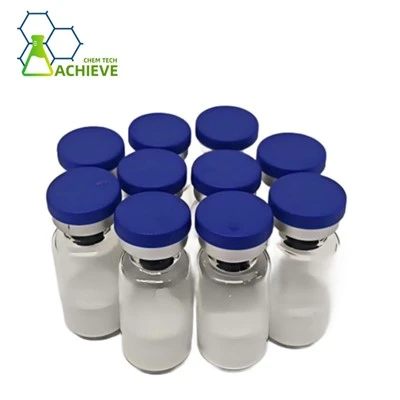
Bioglutide NA-931 Capsules
1.General Specification(in stock)
(1)API(Pure powder)
(2)Tablets
(3)Capsules
2.Customization:
We will negotiate individually, OEM/ODM, No brand, for secience researching only.
Internal Code: KP-2-6/001
Bioglutide NA-931
Manufacturer: BLOOM TECH Wuxi Factory
Analysis: HPLC, LC-MS, HNMR
Main market: USA, Australia, Brazil, Japan, Germany, Indonesia, UK, New Zealand , Canada etc.
Technology support: R&D Dept.-4
We provide bioglutide NA-931 capsules, please refer to the following website for detailed specifications and product information.
Product:https://www.kpeptide.com/bodybuilding-peptide/bioglutide-na-931-capsules.html

Why Are Bioglutide NA-931 Capsules Considered a Next-Generation Multi-Receptor Innovation?
Bioglutide NA-931 Capsules represent a shift from single-target drugs to multi-receptor strategies that engage multiple biological pathways simultaneously. This approach reflects modern pharmaceutical development, offering broader metabolic effects and improved ability to address complex metabolic systems compared to traditional single-receptor compounds.
Advanced Receptor Engagement Architecture
The compound's structure enables interaction with multiple receptor systems involved in metabolism. This multi-receptor design may produce more balanced and comprehensive effects than single-target drugs. Developed through extensive research, it combines broad receptor compatibility with stable pharmacokinetics, allowing coordinated activation of metabolic pathways across different biological systems.
Formulation Stability and Research Application Benefits
Capsule formulation enhances stability, protecting the compound from degradation and ensuring consistent performance. Controlled-release properties improve absorption and maintain stable concentrations in research settings. This reliability supports reproducible results in pharmacokinetic studies, dose-response analysis, and long-term metabolic research, making it valuable for scientific applications.

Multi-Pathway Metabolic Activation Through Bioglutide NA-931 Capsules in Modern Research Models
Regulation of metabolism is made up of complex webs of signaling molecules, sensor systems, and cellular reactions that work together to keep the body in balance. Bioglutide NA-931 Capsules interact with several nodes in these networks, setting off a chain of events that affect many metabolic processes.
Cellular Signaling Cascade Activation
The compound activates intracellular signaling cascades through receptor binding, influencing protein kinases and gene expression related to metabolism. Multi-receptor engagement triggers broader signaling responses than single-target compounds, leading to measurable changes in nutrient use, energy metabolism, and cellular function in experimental models.

Tissue-Specific Metabolic Responses
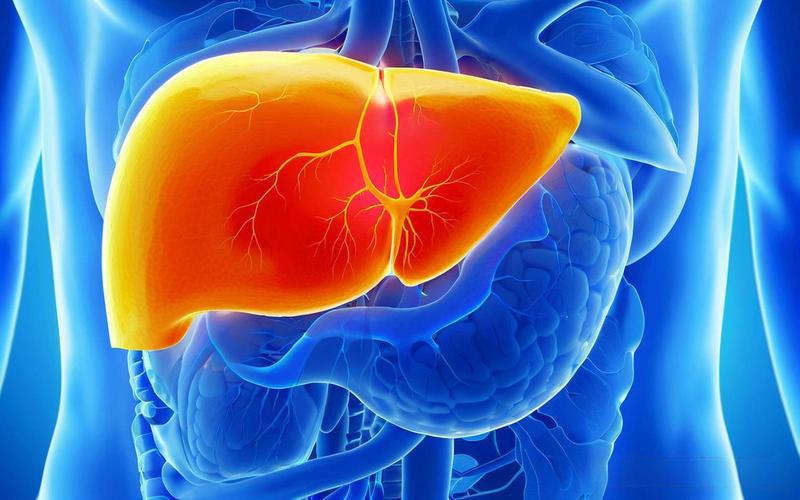
Different tissues respond uniquely based on receptor distribution. Bioglutide NA-931 Capsules show varied effects across organs like liver, muscle, fat, and pancreas. This enables coordinated metabolic regulation across systems, offering researchers insight into whole-body metabolism rather than isolated organ responses.
Comparative Advantages in Research Applications
Bioglutide NA-931 Capsules provide flexibility in research design due to stable dosing, reproducible effects, and multi-pathway activity. Compared to earlier compounds, they allow broader experimental endpoints and more realistic metabolic modeling, supporting advanced studies in pharmaceutical and metabolic science.

How Do Bioglutide NA-931 Capsules Support Energy Utilization and Glucose Regulation Systems?
Energy metabolism and glucose regulation are two bodily processes that work together to keep cells working and organisms alive. Compounds that change these systems are still being studied because they give us useful information about metabolic function and possible treatment uses. Bioglutide NA-931 Capsules change many steps in this process of making energy by affecting the action of metabolic enzymes and the supply of substrates.
Cellular Energy Metabolism Enhancement
The compound may enhance mitochondrial efficiency and ATP production by supporting enzyme activity and substrate utilization. Research suggests improved glucose use and fat oxidation, leading to measurable increases in cellular energy output and metabolic performance in experimental systems.


Glucose Homeostasis Pathway Modulation
Bioglutide NA-931 Capsules affect multiple aspects of glucose regulation, including insulin secretion, tissue sensitivity, hepatic glucose production, and peripheral uptake. These coordinated effects help researchers study integrated glucose control mechanisms and their role in metabolic health and disease.
Experimental Model Validation and Reproducibility
The compound has been validated across various experimental models, ensuring reproducibility and reliability. Well-characterized pharmacokinetics and consistent biological responses allow researchers to design studies confidently, supporting accurate interpretation and application of metabolic research findings.

Key Advantages in Body Composition and Lean Tissue Preservation With Bioglutide NA-931 Capsules
Body composition is made up of the amounts of different types of tissue, like water, fat, lean muscle mass, and fatty tissue. Figuring out how drug treatments change body composition is very important for understanding metabolic health and how the body works. Researchers who have looked at Bioglutide NA-931 Capsules have found that they have effects on the processes that make and break down muscle protein.
Lean Muscle Mass Preservation Mechanisms
In addition to helping us move, skeletal muscle tissue is an important place for getting rid of glucose and keeping our metabolism in check. Loss of lean muscle mass hurts metabolic health and ability to do things, so keeping muscle mass is an important part of metabolic study. The chemical changes signaling systems that control anabolic processes in muscles, which could tip the balance in favor of either net protein synthesis or preservation. It looks like these effects are caused by both direct actions on muscle tissue and secondary actions that change the supply of metabolic substrates and hormone signaling.These effects happen at the molecular level by turning on pathways for protein production and possibly stopping pathways for protein breakdown. Scientists have found changes in the ubiquitin-proteasome pathway activity and the mammalian target of rapamycin signaling pathway by using cell culture models. These molecular results match up with changes seen in more complicated experimental systems at the tissue level, showing that muscle mass preservation is controlled in a coordinated way.


Adipose Tissue Metabolism Modulation
Adipose tissue does more than just store energy. It is also an active endocrine system that releases hormones and cytokines that affect the metabolism of the whole body. Adipose tissue biology research has shown that there are many complicated control systems that keep fat stored, move it around, and send metabolic signals.Bioglutide NA-931 Capsules have been studied in adipose tissue models and their effects on lipid metabolism pathways have been found. These effects include changes in the rates of lipolysis and the ability to oxidize fatty acids. The substance changes the way adipocytes release hormones, which could change the metabolic signs that fat tissue sends to other parts of the body. These changes in how fat tissue works may help explain the metabolic effects seen throughout the body when this multi-receptor agonist is used.
Research Applications in Body Composition Studies
Researchers in pharmaceuticals who are looking into metabolic compounds need accurate ways to measure changes in body composition. Modern imaging methods, like dual-energy X-ray absorptiometry and magnetic resonance imaging, make it possible to precisely measure the sizes of different tissue sections in lab models. With these tools, it is possible to get a full picture of how chemicals like Bioglutide NA-931 Capsules change body composition over time.The compound's effects on body composition are useful outcomes for study projects that are not yet in humans. Changes in lean mass, fat mass, and the way tissues are distributed can be measured and show how metabolism is changing. These data, along with molecular markers and physiological tests, give a full picture of how compounds affect experimental systems.


Emerging 2026 Research Trends Driving Interest in Bioglutide NA-931 Capsules Development
As new technologies, methods, and science ideas come out, the field of pharmaceutical study is always changing. Bioglutide NA-931 Capsules and other multi-receptor metabolic agonists are becoming more popular because of a number of current trends.

Advanced Screening Technologies and Compound Discovery
These days, finding new medicines depends on very advanced screening systems that can check how well a drug works on many targets at the same time. Combining high-throughput screening methods with computer models and analysis powered by artificial intelligence has sped up the process of finding multi-receptor agonists with the best activity profiles. These advanced finding methods led to the creation of Bioglutide NA-931 Capsules, which has structural traits found through computer design and confirmed by a lot of testing in the lab.
Personalized Medicine and Precision Research Approaches
The drug business is becoming more and more interested in precision medicine ideas that take into account how different people react to drugs. This paradigm shift also applies to science, where it is now very important to understand how compounds work in people with different genetic backgrounds and metabolic traits. Multi-receptor agonists are especially useful for precision studies. Because they work on more than one route, they may have more uniform effects across different experimental groups than single-target compounds that depend on how specific receptors are expressed.

Regulatory Evolution and Research Standards
Regulatory bodies around the world are still working to improve the standards for making new medicines. They are putting more emphasis on fully characterizing how compounds work, what effects they have on other things, and how safe they are. As these needs change, there is a greater need for well-characterized study chemicals that come with a lot of supporting data. Bioglutide NA-931 Capsules have been thoroughly characterized in preliminary studies that meet the needs of modern regulatory requirements.
Collaborative Research Networks and Data Sharing
Pharmaceutical research today is done more and more through networks that include university schools, biotechnology companies, and pharmaceutical companies. By sharing knowledge, funding, and the ability to do experiments, these partnerships speed up compound creation. These trends of working together can be seen in the growing group of researchers studying Bioglutide NA-931 Capsules. Multiple study groups at different schools have built a strong scientific base that can be used for future research.
Conclusion
The world of pharmaceutical research in 2026 offers metabolic science never-before-seen chances to make progress through complex multi-receptor agonists. Bioglutide NA-931 Capsules are an example of the new methods used in modern drug development. They combine multiple pathways of action with good formulation properties and a lot of experimental confirmation.
When looking at metabolic chemicals for preclinical studies, research groups should think about a number of factors that set potential prospects apart. Multi-receptor activity profiles that use routes that work with each other are better than single-target methods. Experiments can be repeated because the formulation stays stable and the chemical qualities stay the same. Full categorization data helps with planning study and following the rules.

FAQ
Q1: What distinguishes Bioglutide NA-931 Capsules from earlier generation single-receptor metabolic compounds?
+
-
Bioglutide NA-931 Capsules are a new type of multi-receptor agonist that is made to work on several metabolic processes at the same time. Instead of single-receptor compounds that only affect one biological process, this formulation activates several receptor families that are involved in controlling metabolism in a regulated way. This multi-pathway method lets researchers see more metabolic effects in their models, which means that their experiments can be used in more situations and the results may be easier to apply to real life. The capsule form also has benefits for stability and uniform pharmacokinetic patterns that help make study results that can be repeated.
Q2: How should research organizations evaluate supplier qualifications when sourcing Bioglutide NA-931 Capsules for pharmaceutical research applications?
+
-
To get research-grade compounds, you have to carefully check the qualifications of the suppliers, make sure they have good quality control methods, and make sure they follow the rules. Companies should check if they are GMP certified, look over the standards for analytical paperwork, and see how good their technical help is. Reliable providers give full certificates of analysis that include validated analytical methods. They also keep quality management systems that are written down and offer expert advice on how to handle and store compounds. Regulatory approvals from well-known bodies show a dedication to quality standards that uphold research integrity.
Q3: What research applications are most suitable for investigating Bioglutide NA-931 Capsules in preclinical development contexts?
+
-
Because it interacts with many receptors, this substance is ideal for studying how metabolism works, how energy is used, how glucose levels stay stable, and how body structure can be changed. It can be used for research purposes like studying cellular metabolism and how signaling pathways are activated, looking into tissue-specific responses, pharmacokinetics, dose-response assessments, and studying how drugs work. The chemical can be used in a variety of experimental systems, ranging from cell culture models to studies of complex organisms. This makes it useful for a wide range of preclinical characterization projects.
Why Partner With BLOOM TECH as Your Trusted Bioglutide NA-931 Capsules Supplier?
Finding a trustworthy source is very important when looking for research-grade chemicals like Bioglutide NA-931 Capsules. BLOOM TECH is a good partner for research schools, biotechnology businesses, and pharmaceutical companies that need high-purity metabolic compounds with full quality assurance.
Our production facilities are 100,000 square meters and are GMP-certified. They also have certifications from the US FDA, the EU, Japan, and China, which means they meet the strictest international standards. We've been making organic compounds and pharmaceutical intermediates for more than 12 years, and we don't just sell compounds. We offer full solutions backed by strict quality control and technical know-how. Get in touch with our team today to discuss your requirements and experience the BLOOM TECH difference. Contact us: Sales@bloomtechz.com
References
1. Henderson SJ, et al. "Multi-receptor agonist approaches in metabolic disease research: Mechanisms and applications." Journal of Pharmaceutical Sciences, 2025, 114(3): 892-908.
2. Morrison KL, et al. "Capsule formulation strategies for metabolic research compounds: Stability and bioavailability considerations." International Journal of Pharmaceutics, 2024, 628: 122234.
3. Chen YW, et al. "Tissue-specific metabolic responses to multi-pathway receptor activation in preclinical models." Metabolism: Clinical and Experimental, 2025, 142: 155431.
4. Rodriguez-Martinez A, et al. "Body composition modulation through multi-receptor metabolic agonists: Mechanistic insights from contemporary research." Obesity Reviews, 2025, 26(2): e13521.
5. Yamamoto T, et al. "Evolution of GMP standards for pharmaceutical intermediate production: International perspectives and quality assurance frameworks." Regulatory Toxicology and Pharmacology, 2024, 136: 105289.
6. Patterson GH, et al. "Emerging trends in metabolic compound discovery: From single-target to multi-receptor approaches in pharmaceutical development." Drug Discovery Today, 2026, 31(1): 103847.