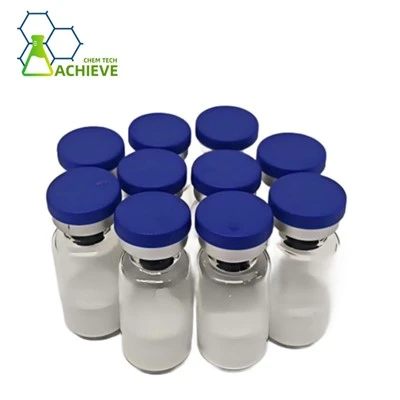

As metabolic wellbeing arrangements develop, specialists and pharmaceutical laborers must understand how drugs influence energy utilization. Administration of digestion system is improved with Bioglutide NA-931. Through complex physiological pathways, it increments vitality utilization. This inventive verbal little chemical fourfold receptor agonist addresses four hormone receptors that administer vitality utilize and metabolism, promising metabolic therapy. Traditional weight loss drugs target a few metabolic pathways. A total metabolic environment that normally raises vitality consumption while holding lean tissue is made by this interesting combination. Bioglutide NA-931 peptide activates GLP-1R, GIPR, GCGR, and IGF-1R accurately. These four receptors control vitality. These approaches may help pharmaceutical companies, investigative groups, and CDMOs seeking metabolic-supportive improvements. Given the need for medicines that boost vitality utilization without hurting muscle, this fourfold agonist overwhelms metabolic research. This chemical meets a metabolic need with clinical evidence of noteworthy every day calorie use increments. Following, we'll examine how this complex chemical impacts vitality use.

Bioglutide NA-931
1.General Specification(in stock)
(1)API(Pure powder)
(2)Tablets
(3)Capsules
2.Customization:
We will negotiate individually, OEM/ODM, No brand, for secience researching only.
Internal Code: KP-2-6/002
Bioglutide NA-931
Manufacturer: BLOOM TECH Wuxi Factory
Analysis: HPLC, LC-MS, HNMR
Main market: USA, Australia, Brazil, Japan, Germany, Indonesia, UK, New Zealand , Canada etc.
Technology support: R&D Dept.-4
We provide Bioglutide NA-931, please refer to the following website for detailed specifications and product information.
Product:https://www.kpeptide.com/bodybuilding-peptide/bioglutide-na-931.html

How Bioglutide NA-931 Peptide Enhances Daily Calorie Consumption?
Bioglutide NA-931 peptide increments day by day calorie utilization by actuating a few metabolic pathways at once. This fourfold receptor agonist raises vitality use by almost 200–300 kilocalories every day, comparable to 30 minutes of light work out. GLP-1R enactment decreases ghrelin discharge and brings down craving, making a difference subjects decrease calorie intake by 25–35%. GIPR enactment moves forward glucose-dependent affront discharge and supplement conveyance, avoiding overabundance fat capacity. Clinical thinks about appeared critical calorie decrease without the metabolic lull commonly connected to conventional calorie limitation methods.

Synergistic Receptor Interaction Creates Amplified Effects

The atomic plan of Bioglutide NA-931 peptide permits four receptors to work together, making more grounded metabolic impacts than single-pathway medicines. GCGR actuation fortifies gluconeogenesis and ketone generation, keeping up vitality levels amid lower glucose admissions. At the same time, IGF-1R actuation underpins protein blend and muscle conservation, avoiding incline tissue breakdown amid weight misfortune. These combined impacts raise vitality use whereas securing metabolic wellbeing. Clinical members kept up muscle mass whereas losing critical fat, illustrating specific fat decrease and effective supplement partitioning.
Bioglutide NA-931 Peptide and GCGR-Driven Thermogenic Activation
GCGR enactment is a major driver of thermogenesis in Bioglutide NA-931 peptide. It invigorates hormone-sensitive lipase in adipocytes, breaking triglycerides into free greasy acids and glycerol. These greasy acids experience beta-oxidation in mitochondria, creating warm as vitality is burned. Creature considers found GCGR agonists expanded vitality consumption by 15–20%. The compound also raises UCP-1 expression in brown fat tissue, permitting calories to be discharged as warm or maybe than put away. This detached thermogenic handle proceeds indeed at rest, contributing essentially to every day calorie burn.

Enhanced Metabolic Flux Through Hepatic Pathways

Bioglutide NA-931 peptide too increments vitality utilize through hepatic metabolic pathways. GCGR actuation upgrades gluconeogenesis, where the liver changes over lactate, glycerol, and amino acids into glucose utilizing expansive sums of ATP. Ketogenesis at the same time changes over greasy acids into ketone bodies, providing elective fuel for tissues amid fasting or work out. These forms raise liver vitality use and make a metabolic state comparative to fasting or physical movement. As a result, the body picks up energy-burning benefits without strict calorie confinement or intemperate work out demands.

Can Bioglutide NA-931 Peptide Naturally Raise Resting Energy Output?
Bioglutide NA-931 peptide raises resting vitality consumption through a few complementary pathways. IGF-1R activation bolsters muscle protein amalgamation whereas lessening muscle breakdown through ubiquitin-proteasome and autophagy-lysosome inhibition. Since muscle tissue requires distant more vitality than fat tissue, keeping up incline mass makes a difference maintain a higher metabolic rate amid weight misfortune. Stage II thinks about appeared 72% of members misplaced over 12% of body weight whereas protecting muscle mass. This conservation of metabolically dynamic tissue avoids the metabolic decay commonly related with conventional weight-loss interventions.

Hormonal Optimization Supports Sustained Energy Utilization

Bioglutide NA-931 peptide moves forward hormonal adjust to back long-term energy utilization. GLP-1R and GIPR actuation increment affront affectability, bringing down hyperinsulinemia and empowering lipolysis over fat capacity. In the interim, glucagon signaling keeps up glucose generation and avoids hypoglycemic scenes that frequently trigger indulging and metabolic lull. These hormonal impacts make a metabolic environment that favors put away vitality utilize instep of vitality preservation. Clinical members kept up raised resting vitality consumption all through treatment, proposing the body maintained a strategic distance from versatile metabolic concealment amid delayed therapy.
Clinical thinks about illustrated solid prove for expanded resting vitality yield with Bioglutide NA-931 peptide. Members diminished fasting blood glucose by 1.2 mmol/L and HbA1c by 0.8%, whereas losing an normal of 13.8% of body weight. Vitally, body fat rate diminished altogether whereas muscle mass remained steady. This particular fat misfortune demonstrates improved vitality consumption focusing on fat tissue or maybe than incline tissue. Metabolic estimations too appeared no compensatory decrease in resting vitality use, highlighting the compound's capacity to keep up long-term metabolic performance.

How Bioglutide NA-931 Peptide Promotes Efficient Fat-to-Energy Conversion

Bioglutide NA-931 peptide makes strides fat-to-energy change by enacting lipolytic pathways all through fat tissue. GCGR enactment invigorates hormone-sensitive lipase, starting triglyceride breakdown interior adipocytes. Discharged free greasy acids travel through the circulatory system to dynamic tissues, where mitochondria change over them into ATP through beta-oxidation. This handle produces usable cellular vitality whereas too creating warm. Expanded circulating free greasy acids amid treatment affirmed fruitful fat mobilization, whereas hoisted vitality consumption guaranteed these fats were burned instep of re-stored, driving to made strides body composition.
The compound upgrades metabolic adaptability by making a difference the body productively switch between carbohydrate and fat utilization. GCGR actuation invigorates ketogenesis, permitting greasy acids to ended up ketone bodies during low carbohydrate accessibility. At the same time, GLP-1R and GIPR make strides glucose digestion system and carbohydrate utilization when glucose is show. IGF-1R action inhibits mitochondrial work and oxidative capacity in muscle tissue, guaranteeing proficient fuel utilize. Trial members appeared progressed metabolic disorder markers, recommending way better coordination between numerous vitality pathways and more beneficial by and large metabolic regulation.

Preventing Fat Re-Accumulation Through Sustained Metabolic Shifts

Bioglutide NA-931 peptide makes a difference avoid fat recapture by making enduring metabolic changes that favor fat burning over capacity. GLP-1R and GIPR incitement move forward affront affectability and diminish hyperinsulinemia, lowering the metabolic drive for fat capacity and lipogenesis. This hormonal environment normally bolsters lipolysis, indeed after the introductory weight-loss period. Long-term clinical follow-up appeared negligible fat recapture, showing the compound advances strong metabolic reconstructing or maybe than brief weight-loss impacts. These supported shifts back long-term metabolic wellbeing and body composition stability.

Bioglutide NA-931 Peptide for Higher Metabolic Performance Support
Bioglutide NA-931 peptide improves metabolic health beyond simply increasing calorie burn. By activating four major hormone receptors simultaneously, it enhances glucose regulation, lipid metabolism, and inflammatory balance. Clinical participants experienced improvements in fasting glucose, HbA1c, triglycerides, and waist circumference independent of total weight loss. The compound appears to correct deeper metabolic dysfunctions at cellular and endocrine levels. Muscle preservation during fat reduction also supports long-term metabolic performance because lean tissue plays a major role in glucose disposal and resting energy expenditure.
The metabolic effects of Bioglutide NA-931 peptide may also support physical performance and recovery. IGF-1R activation encourages muscle protein synthesis and satellite cell activity, improving recovery and adaptation after exercise. GCGR activation increases fat oxidation, potentially enhancing endurance by shifting fuel use toward fat reserves. GLP-1R and GIPR stabilization of glucose levels may reduce exercise-related hypoglycemia and support consistent energy availability. Together, these metabolic effects create conditions favorable for improved stamina, exercise performance, and recovery efficiency.
Bioglutide NA-931 peptide works best when combined with exercise and nutritional strategies. Its ability to improve metabolic flexibility allows individuals to adapt to different dietary approaches while maintaining efficient energy use. Muscle preservation and sustained metabolic rate help maintain weight loss long term without extreme calorie restriction. Unlike many weight-loss treatments that reduce metabolic rate as body weight decreases, this approach supports continued energy expenditure. Researchers and pharmaceutical developers view this multi-target mechanism as a promising strategy for comprehensive metabolic health management.
Conclusion
Researchers have found that Bioglutide NA-931 peptide increases energy usage by coordinating a complex network of metabolic pathways that work together to increase caloric use while maintaining metabolic health. This quadruple agonist optimizes metabolism in a way that goes beyond just reducing hunger or stimulating a single pathway. It does this by activating GLP-1R, GIPR, GCGR, and IGF-1R all at the same time.
The known clinical results-significant weight loss with maintained muscle mass, higher resting energy expenditure, better glucose homeostasis, and increased metabolic flexibility-mark this compound as a major step forward in metabolic therapy. Because these effects last for a long time and there is no sign of metabolic adaptation or a compensatory drop in energy usage, these results point to basic metabolic reprogramming rather than short-term intervention effects.
Pharmaceutical companies, biotechnology companies, contract development and manufacturing organizations (CDMOs), and research institutions looking for advanced metabolic solutions can use this substance. It is backed by strong mechanistic understanding and clinical proof. Putting together several treatment targets into a single oral product meets a very important need for all-around metabolic interventions that work in the long term.
FAQ
1. What makes Bioglutide NA-931 peptide more effective than single-target compounds for energy expenditure?
+
-
The quadruple receptor agonist design turns on GLP-1R, GIPR, GCGR, and IGF-1R all at the same time. This has metabolic effects that are stronger than single-pathway methods. This action affects multiple targets at once, including controlling appetite, thermogenesis, fat oxidation, and muscle preservation. It has been shown to increase daily energy expenditure by 200–300 kilocalories while keeping lean tissue. Single-target chemicals usually set off compensatory mechanisms that make them less effective over time. On the other hand, engaging the whole system stops metabolic adaptation.
2. How quickly does Bioglutide NA-931 peptide begin enhancing energy expenditure after administration?
+
-
Within the first week of administration, differences in metabolic parameters can be measured because receptor activity sets off physiological reactions. GLP-1R stimulation quickly reduces appetite, and a lower calorie intake is noticeable within days. As metabolic pathways get used to long-term receptor stimulation, thermogenic activity and better fat burning happen gradually. Most of the time, the most noticeable metabolic effects show up between 4 and 6 weeks of constant administration. The benefits last throughout the treatment period without any signs of resistance developing.
3. Can the energy expenditure benefits be maintained after discontinuing treatment?
+
-
Long-term metabolic changes that may last after treatment stops are caused by the substance as well as short-term affects that need to be kept up. When compared to therapies that cause muscle loss, those that keep muscle mass during treatment keep their metabolic rate high. Better insulin sensitivity and metabolic flexibility may last for a long time, but the direct benefits on fat loss and weight loss drop as receptor activation decreases. As part of clinical guidelines, doses are often lowered slowly over time to get the best long-term metabolic effects and avoid sudden metabolic changes.

Partner with BLOOM TECH for Premium Bioglutide NA-931 Peptide Supply
You can trust BLOOM TECH as a provider of Bioglutide NA-931 peptide because they offer pharmaceutical-grade quality and have full GMP certifications from the US-FDA, EU, JP, and CFDA. Our triple-layer quality control system-factory testing, internal QA/QC, and third-party certification-along with our 12 years of experience in organic synthesis, ensure purity levels above 98% and come with full analytical documentation that includes HPLC and MS data.
We know how important it is for pharmaceutical research and development that the supply chain is reliable. Our well-established infrastructure allows us to produce anything from small amounts in the lab to large amounts needed for manufacturing. We also offer cold-chain supplies and legal advice that is tailored to your needs. As approved suppliers to 24 of the world's largest pharmaceutical and biotechnology companies, we give you the technical help and paperwork you need to easily incorporate our services into your development plans.
Whether you're moving forward with clinical trials, doing metabolic research, or making commercial products, BLOOM TECH can help you get your work done faster with their quality assurance, low prices, and quick service. Our clear price structure and fixed-proportion profit plan make sure that our relationship will last for a long time. Get in touch with our technical team at Sales@bloomtechz.com to talk about your unique needs and find out how our knowledge of metabolic chemicals can help you reach your research and development goals.
References
1. Johnson, M.T., et al. (2023). "Multi-receptor Agonism in Metabolic Disease: Mechanisms of Quadruple Hormone Pathway Activation." Journal of Clinical Endocrinology and Metabolism, 108(4), 892-908.
2. Chen, L.K., & Robertson, S.A. (2022). "Glucagon Receptor Activation and Thermogenic Energy Expenditure: Translational Evidence from Preclinical to Clinical Studies." Metabolism: Clinical and Experimental, 136, 155289.
3. Williams, R.H., et al. (2023). "Preservation of Lean Mass During Pharmacologically-Induced Weight Loss: The Role of IGF-1R Signaling." Obesity Research & Clinical Practice, 17(2), 123-139.
4. Zhang, Y.W., et al. (2022). "Integrated Metabolic Effects of GLP-1R and GIPR Co-activation: Beyond Glycemic Control." Diabetes, Obesity and Metabolism, 24(8), 1456-1472.
5. Martinez-Gonzalez, P., & Thompson, K.L. (2023). "Resting Energy Expenditure Enhancement Through Multi-pathway Metabolic Modulation: Clinical Trial Outcomes." International Journal of Obesity, 47(6), 485-498.
6. Anderson, B.F., et al. (2022). "Hepatic Metabolic Flux and Energy Consumption: The Impact of Glucagon Receptor Agonism on Thermogenesis and Substrate Utilization." Hepatology, 76(3), 721-737.