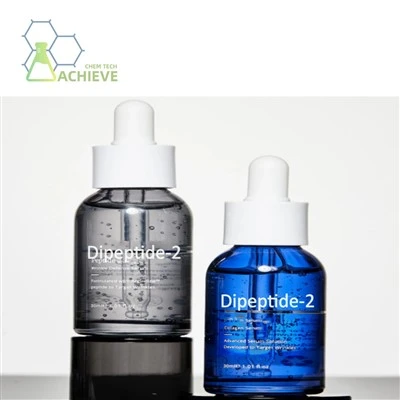
Health experts and regular people who are interested in their health are both interested in the search for good aging. The 5 amino 1mq peptide is a new and interesting chemical that has been found to help us understand how we age. It's good for the health of your metabolism and the life of your cells. The nicotinamide N-methyltransferase (NNMT) enzyme is what this small-molecule peptide inhibitor does. NNMT is an enzyme that is becoming better known for its role in the metabolic decline that comes with getting older. Figure out how this chemical impacts the aging process to get fresh ideas for people who want to keep their metabolism working well and have lots of energy even as they get older.
A recent research found that NNMT activity increases with ageing. This lowers metabolism, reduces cell energy production, and impairs organ function. The5 amino 1mq peptide may inhibit this enzyme. It may restore metabolic equilibrium and aid the body's natural healing. This strategy allows us to prepare for cellular ageing processes, making it unique.
Increasing interest in this peptide is part of a larger trend in ageing research toward tailored therapeutics. Scientific efforts now go beyond slowing or stopping ageing. They're attempting to change the ageing bodily parts. More evidence suggests this medicine can be utilised for more than metabolism. It may also regenerate cells, boost vitality, and prolong fitness.

5-Amino-1MQ Peptide Injection
1.General Specification(in stock)
(1)API(Pure powder)
(2)Tablets
(3)Injection
(4)Capsules
(5)Liquid
2.Customization:
We will negotiate individually, OEM/ODM, No brand, for secience researching only.
Internal Code:KP-3-5/002
NNMTi CAS 42464-96-0
Molecular formula: C10H11N2.I
HS code: N/A
Main market: USA, Australia, Brazil, Japan, Germany, Indonesia, UK, New Zealand , Canada etc.
Analysis: HPLC, LC-MS, HNMR
Technology support: R&D Dept.-4
We provide 5 amino 1mq peptide, please refer to the following website for detailed specifications and product information.
Product:https://www.kpeptide.com/peptides-healthy/5-amino-1mq-peptide-injection.html

How Is 5 Amino 1MQ Peptide Connected to Healthy Aging Research?
The NNMT-Aging Connection
An important part of the study of living longer is the link between NNMT and aging. Studies have shown that the production of NNMT slowly grows with age in many types of tissues, mainly liver, fat, and muscle. This rise is connected to metabolic function going down, mitochondrial efficiency going down, and cells making less energy. Biological age can be seen in all of these ways. By stopping NNMT activity, the5 amino 1mq peptide goes after a key process that causes metabolism to slow down as people age.
It has been found that when NNMT activity is high, cells use up important resources, mostly nicotinamide, which is a building block for NAD+. This makes sirtuins less useful and lowers the amount of energy cells use. There is a group of proteins called sirtuins that fix DNA, manage gene translation, and keep cells safe from stress. As you age, your NNMT activity goes up. This makes your metabolism slow down, which limits the amount of chemicals your cells need to stay healthy and strong.
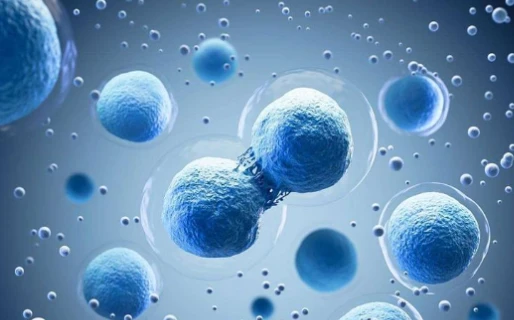
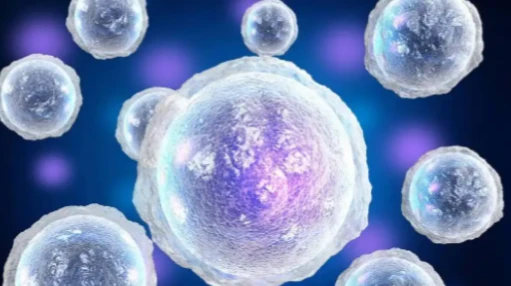
Metabolic Resilience in Aging Populations
As people get older, their metabolic flexibility, or their ability to switch between energy sources, decreases. This can make your health, work, and ability to think and reason worse. Metabolic resistance is linked to the5 amino 1mq peptide because it can change how cells use energy. Blocking NNMT has been shown to make metabolism more flexible. This means that cells can better adapt to changes in their energy and food needs.
This metabolic gain seems to help older people the most, since their ability to burn fuel more efficiently lowers with age. The effect of 5 amino 1mq peptide on lipid metabolism helps keep energy use in check. This keeps metabolic waste products from building up, which would otherwise stress and kill cells. Since the substance helps the body use energy sources in the best way possible, it may help keep the metabolic strength that comes with being young.
Cellular Stress Response and Longevity Pathways
The stress reaction systems in our cells get weaker with age. This makes it harder for our bodies to stay stable when things get tough. The peptide changes more than just metabolism; it also changes things that are connected to life. It changes the amount of NAD+, which helps sirtuins and other proteins that keep life going by managing inflammation, cellular healing, and metabolic response.
Cellular pathways that are linked to better health and living longer are turned on when NNMT is blocked. Some of these ways are better quality control systems in mitochondria and better autophagy, which is the process cells use to clean themselves.5 amino 1mq peptide could be used to help cells become stronger so they can work for a long time because of these benefits.
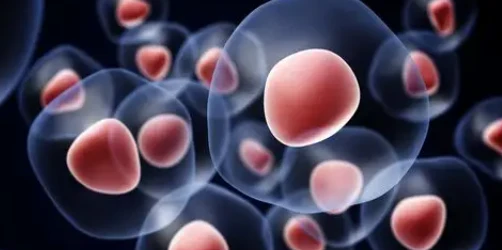

5 Amino 1MQ Peptide and Age-Related Metabolic Function
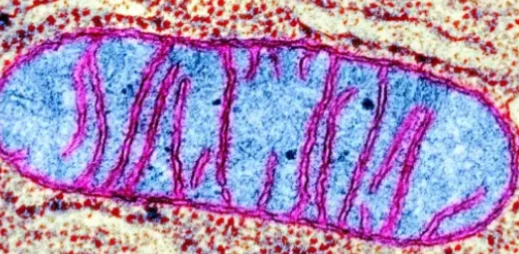
Addressing Metabolic Slowdown
As you age, your metabolism slows, reducing energy utilisation, bodily modifications, and fat burning. Slowly gaining fat and losing muscular mass makes it difficult to accomplish tasks. These metabolic alterations are peptide-induced. It alters enzyme pathways that determine substrates and energy usage.
Scientists observed that quitting NNMT increases fat burning and energy utilisation but doesn't reduce calories or fill individuals up. This metabolic shift occurs when mitochondrial activity and fat metabolism pathways improve. The new metabolism resembles that of younger animals. This suggests that the metabolic decline of ageing may not occur.
Giving the material to aged models changes their metabolic rhythms to those of young animals.
The treated folks utilised more oxygen, burnt fat quicker, and managed glucose better. These physical characteristics deteriorate with ageing. These data suggest that inhibiting NNMT may help older adults maintain metabolic efficiency.
Adipose Tissue Function and Aging
The way fat tissue operates varies significantly with ageing. It becomes poorer at energy and hormone production and better at fat storage and defence system control. Insulin resistance, metabolic syndrome, and systemic inflammation increase with this shift. These conditions accelerate biological ageing. The peptide affects adipose tissue metabolism; therefore, it may help us age better.
Studies show that ageing fatty tissue expresses increased NNMT. This reduces cellular function and increases inflammation.

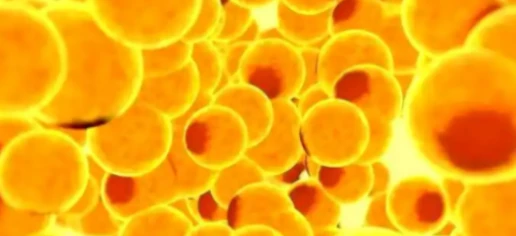
By inhibiting this enzyme, the5 amino 1mq peptide fixes fat tissue metabolism. Inflammation removal and fat transfer. The metabolic and inflammatory burden from ageing fat tissue is improved.The chemical controls adipocyte number and differentiation to modify fatty tissue. Age increases adipose tissue because too many adipocytes are generated and fat cells expand. Blocking NNMT alters adipogenesis, which may prevent fat cell growth and maintain adipose tissue. This helps regulate hormones and metabolism.
Insulin Sensitivity and Glucose Metabolism
Insulin works less effectively with ageing. Blood sugar rises, stress increases, and metabolic illnesses associated with ageing increase.
The relationship between NNMT activity and insulin is being studied. Insulin-blocking enzymes manage glucose better, according to research.Stopping NNMT with a 5 amino 1mq peptide improves insulin signalling in adipose, muscle, and liver, according to studies. This may be connected to reduced inflammation, improved mitochondrial function, and NAD+-dependent metabolic regulation. Better glucose metabolism thereafter may assist maintain metabolism and reduce glucose imbalance with age.
Giving older mice the peptide enhances their glucose and insulin handling, making them more like younger animals. This form of metabolic repair suggests that humans may maintain metabolic health and glucose homeostasis as they age. This would assist with many aging-related bodily changes.
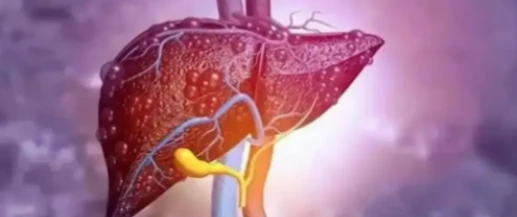

Supporting Cellular Vitality Through 5 Amino 1MQ Peptide
Mitochondrial Function and Energy Production
Cell mitochondria lose power with age. This hinders energy production and increases reactive stress. Mitochondrial breakdown is a major cause of cell and tissue failure with age. The peptide alters mitochondrial metabolism, which is intriguing. This may assist cells in producing energy and delay mitochondrial function decline with age.
Scientists observed that halting NNMT improves the respiratory chain and mitochondrial oxygen consumption. Changes occur due to increased NAD+. This improves mitochondrial enzymes and energy absorption. Better mitochondrial function gives cells greater energy, stress tolerance, and less harmful reactive oxygen species.
Experiments on ageing animals reveal that the chemical process alters mitochondrial characteristics to seem younger.
Treated patients exhibited more mitochondria, active reaction enzymes, and greater ATP production. Stopping NNMT may boost metabolism and function due to these mitochondrial alterations. This suggests the peptide may improve mitochondria.
Cellular Regeneration and Tissue Maintenance
Ageing makes it difficult for the body to repair damage and maintain systems. Changes in stem cells, inflammatory signals, and cell communication have caused this renewal deficit. More evidence suggests halting NNMT may help tissues regenerate again in several ways.
Studies show the peptide alters stem cell metabolism and proliferation. The body may mend quicker and better. I
mproving NAD+-dependent pathways begins biological processes that repair and maintain tissues. In addition, halting NNMT decreases inflammatory signals, improving regeneration cell conditions.Animal studies demonstrate that elderly adults who get the chemical recover quicker and retain greater muscle mass than those who don't. More research may improve organ tissue health. This may help seniors remain healthy and active.
Inflammatory Balance and Cellular Health
Chronic low-grade inflammation, called "inflammaging," is typical with ageing and may create health issues.
The body produces more inflammatory molecules during inflammation. These substances slow cell function and accelerate tissue degradation. Because the peptide reduces inflammation, it may aid elderly individuals.
Stopping NNMT reduces the synthesis of cytokines, which spread inflammation. Better metabolic function decreases inflammatory triggers, and NAD+-dependent modulation of inflammatory gene expression may provide this anti-inflammatory impact. Thus, inflammation is near that of younger animals.Old animals given the 5 amino 1mq peptide had much lower inflammatory indicators in fat, liver, and muscle. Reduced inflammation improves insulin sensitivity, metabolic efficiency, and bodily performance. Controlling inflammation is linked to healthy old age.

The Relationship Between NAD+ Levels and 5 Amin 1MQ Peptide

NAD+ Decline in Aging
An essential coenzyme, it generates energy, repairs DNA, and communicates between cells. As humans age, they naturally lose NAD+, which slows metabolism, creates fewer self-repairing cells, and impairs system function. To understand ageing, we must understand why NAD+ levels diminish.
Nicotinamide, a NAD+ precursor, is used up by NNMT, which alters cell NAD+ levels. Adult NNMT rises with age. This depletes energy, making NAD+ production harder. The loss of NAD+ by enzymes is a major cause of its decline with age. NNMT is a therapeutic target that might aid individuals.
The5 amino 1mq peptide immediately stops NAD+ depletion by stopping NNMT. By inhibiting NNMT, the drug preserves nicotinamide. This increases NAD+ production and fills cell NAD+ reserves. Instead of merely fixing the issue, this technique targets the source of the NAD+ decline, unlike simple precursor therapy.
Sirtuin Activation and Longevity Signalling
Sirtuins are NAD+-dependent proteins. They repair DNA, regulate metabolism, and protect cells from stress. Sirtuin function varies with age-related NAD+ depletion. This hinders cell health and accelerates ageing. Sirtuin activity fluctuates with NAD+ levels due to the peptide. This may aid cell functions that extend life.
Scientists observed that halting NNMT boosts cell NAD+. Sirtuin activity rises. Exercise improves mitochondrial activity, DNA repair, and metabolic gene changes. The chemical may activate sirtuins to reduce ageing.
Animal experiments reveal that the5 amino 1mq peptide boosts sirtuins in many organs and their function. Better metabolic parameters, decreased oxidative stress, and improved cellular stress resistance result from this improvement. All of them indicate therapies that might extend life. The peptide matches well-known methods of investigating living things since it is tied to sirtuin.

Metabolic Enzyme Function and Cellular Energy
Many metabolic enzymes require NAD+ to create energy, break down substrates, and construct cells. These enzyme reactions become less efficient as you age due to NAD+ loss. This disrupts metabolism and cell function. The peptide stops NNMT and maintains NAD+ to optimise metabolic functions as the body matures.
Stopping NNMT improves NAD+-dependent metabolic enzymes, according to research. Better substrate oxidation makes energy production simpler. Better fat burning, quicker glucose metabolism, and increased flexibility result from this enzyme alteration. All of them indicate a healthy metabolism in youth.
Stable NAD+ levels aid digestion beyond energy production. Enzymes that need NAD+ are used in biosynthesis, redox equilibrium, and cell communication. By maintaining these enzyme processes, we may be able to maintain our cells' metabolic health as we age.

Future Longevity Research Opportunities for 5 Amino 1MQ Peptide
Healthspan Extension Research
Healthspan is quite different from longevity. How long someone is healthy is termed healthspan. Health is more essential than longevity. They must maintain their physical and mental wellness. The peptide alters metabolism and cells, making it a viable alternative for research on extending and improving life.
Early studies suggest that discontinuing NNMT affects metabolism, muscular strength, and cell resilience. In previous animal models, the chemical therapy improved metabolic parameters, grip strength, and physical durability. All of these actions improve life quality. These findings suggest that the peptide's capacity to promote healthy ageing deserves more research.
Long-term studies should examine the compound's impact on age-related functional decline, tissue-specific ageing, and how it interacts with other therapies to extend life. Determine how to dose, when to act, and how individuals react to the peptide. This will clarify its function in long-term health improvement.


Combination Approaches with Established Interventions
Ageing involves numerous interconnected mechanisms. Using many methods may be more successful. Because of its mechanism, the peptide works well with tried-and-true approaches to live longer, including diet, exercise, and metabolic controllers.
Limiting calories and inhibiting NNMT enhance body shape and metabolic indicators. Similarly, early research shows that the medicine may function better with exercise. This may impact mitochondrial function and metabolic response together. These data show that multifaceted approaches to ageing may exist.
Scientists should investigate how the peptide interacts with NAD+ precursors, mitochondrial supports, and senolytic medicines to decrease ageing. To build comprehensive strategies that maximise healthspan benefits while limiting intervention burden and any negative consequences, find out how these aspects interact.
Personalised Aging Interventions
various persons age at various rates and have distinct metabolic features and NNMT expression levels, suggesting that specialised treatments may extend life. Researchers may be able to predict NNMT-blocking success. This would allow the medicine to be given to those most likely to benefit. This strategy may provide better outcomes and save resources.
Many individuals have varying NNMT levels, which alter as they age. To effectively employ the peptide in ageing research and in real life, scientists must understand the genetic, metabolic, and social variables that affect NNMT activity and how each individual responds to it.
Personalised ageing therapies using the5 amino 1mq peptide are a novel and intriguing area of inquiry in living longer. As research methodologies and biomarker technology improve, we can shift how we think about healthy ageing by delivering guidance based on each person's biological attributes rather than the group's.


Conclusion
When you look into how 5 amino 1mq peptide can slow down aging, you can see that it does this in a number of different ways. This peptide stops selective NNMT from acting. This slows down metabolic decline, keeps NAD+ levels safe, and changes how the body responds to inflammation. All of these things are important for healthy aging. From what we know so far, it seems like it could be a useful tool in the growing area of learning how to live longer.
The substance helps keep cells working, avoid metabolic diseases, and improve overall health as we age. This is becoming clearer as more studies are done. It's different from other methods because it targets NNMT in a very specific way. It also gives a precise point at which to stop the metabolic decline that comes with getting older. We need to do more research to find out how to use these tools most effectively, how they can help each person, and how they can be mixed with other methods for good aging.
The5 amino 1mq peptide has more potential than just its metabolic effects. It may also have broader effects on healthspan, functional ability, and biological resistance as we age. As studies into how to live longer move forward, it will be more important to use substances like this peptide that fight basic aging processes to stay healthy and busy for longer.
FAQ
1. What is the 5 amino 1mq peptide that makes it different from other biochemicals?
+
-
NNMT is an enzyme that gets bigger with age and uses up NAD+ intermediates. This is how the peptide works in a unique way. This peptide stops nicotinamide from being used up, which means that NAD+ levels don't normally drop with age as they do with substances that only add to metabolic substrates. Some of the things that this focused way helps are sirtuin activation, mitochondrial function, and metabolic optimisation. It doesn't make you lose your appetite or eat very little. Its specific method makes it different from other metabolic treatments because it lets you precisely control pathways that are linked to age.
2. How does this peptide influence NAD+ levels compared to direct NAD+ precursors?
+
-
Nicotinamide riboside and nicotinamide mononucleotide are two direct NAD+ sources that help make NAD+. The NNMT enzyme can't break down nicotinamide, so the5 amino 1mq peptide stops the loss of NAD+ intermediates. To deal with the source of NAD+ in a different way, this extra step keeps the precursors that are already there instead of just adding more. Researchers have found that using both precursor supplements and NNMT inhibition together may work better than either one alone. This is because they both increase the supply of substrates while lowering their use at the same time.
3. Where does this material show the most promise right now in the study of getting older?
+
-
We currently have the strongest evidence for the peptide's role in metabolic aging studies. This is especially true when it comes to the changes that happen with metabolism, fat tissue, and insulin sensitivity that happen as people age. Scientists are also interested in how it impacts the function of mitochondria, the process by which cells make energy, and the balance of inflammation. A new study looks into the possible benefits for keeping muscles healthy, helping the liver digest food, and living longer in general. In lab tests, many processes show promise, but more research is needed to find the best ways to use the results and make them work in the real world to help older people.

Partner with BLOOM TECH for Premium 5 Amino 1MQ Peptide Supply
It is very important to work with a reliable 5 amino 1mq peptide supplier when you need new molecules for projects that study metabolism and aging. For more than 15 years, BLOOM TECH has been working in chemical synthesis and pharmaceutical intermediates. They are a skilled company. The factories we use are GMP-certified and follow rules set by the US, EU, Japan, and the CFDA. You can be sure that you will get the best peptide products for your work or school.
BLOOM TECH is different because we care about quality control and use triple-verification testing, clear pricing with set profit margins, and our cutting-edge ERP platform to keep track of wait times. Because 24 well-known foreign companies trust us to supply them, we know how important it is for goods to be pure, paperwork to be correct, and shipping dates to be kept. When you work with us, you can be sure that everything is up to par. For example, we have EU-GMP certificates and USFDA-EIR letters.
Our expert team can help you with anything from small amounts for study to large amounts for production. They can give you personalised help and come up with unique solutions. We have fair prices that take into account the benefits of the Chinese market while still meeting the quality standards of other countries. If you have any questions about5 amino 1mq peptide or other research chemicals, please email our sales team atSales@bloomtechz.com. They will be happy to talk to you about your specific needs and show you how BLOOM TECH can improve your service and help you reach your research goals more quickly.
References
1. Kraus D, Yang Q, Kong D, et al. Nicotinamide N-methyltransferase knockdown protects against diet-induced obesity. Nature. 2014;508(7495):258-262.
2. Katsyuba E, Romani M, Hofer D, Auwerx J. NAD+ homeostasis in health and disease. Nature Metabolism. 2020;2(1):9-31.
3. Campagna R, Mateuszuk L, Wojnar-Lason K, et al. Nicotinamide N-methyltransferase in endothelium protects against oxidant stress-induced endothelial injury. Biochimica et Biophysica Acta Molecular Cell Research. 2021;1868(1):118887.
4. Roberti A, Fernández AF, Fraga MF. Nicotinamide N-methyltransferase: At the crossroads between cellular metabolism and epigenetic regulation. Molecular Metabolism. 2021;45:101165.
5. Neelakantan H, Vance V, Wetzel MD, et al. Selective and membrane-permeable small molecule inhibitors of nicotinamide N-methyltransferase reverse high fat diet-induced obesity in mice. Biochemical Pharmacology. 2018;147:141-152.
6. Yoshino J, Baur JA, Imai SI. NAD+ Intermediates: The Biology and Therapeutic Potential of NMN and NR. Cell Metabolism. 2018;27(3):513-528.