It can be hard to keep your lean muscle mass while trying to lose fat with metabolic health and body recomposition methods. Scientists are looking into ways to speed up or slow down the metabolism that might help keep muscles in good shape. This is because many people lose muscle when they cut back on food or as they get older. More and more people in the health and science fields are interested in a substance called 5 amino 1mq peptide injection because it can change how cells use energy by stopping nicotinamide N-methyltransferase (NNMT).
We need to look at how this man-made small drug works, how it changes metabolism, and the study that has already been done to find out if it can really help keep muscles in good shape. It does its job by stopping NNMT from doing its job. This changes the amount of NAD+ that is available and the way cells make energy. There may be times when these changes in metabolism help keep lean muscle while also speeding up the metabolism of fat.
How long skeletal muscle tissue stays alive depends on a number of physiological factors, including the rate of protein production, the function of mitochondria, the body's sensitivity to insulin, and the level of inflammation. People might be able to keep their muscle mass while trying to lose weight or as they age normally if they take steps to improve these basic processes.

5-Amino-1MQ Peptide Injection
1.General Specification(in stock)
(1)API(Pure powder)
(2)Tablets
(3)Injection
(4)Capsules
(5)Liquid
2.Customization:
We will negotiate individually, OEM/ODM, No brand, for secience researching only.
Internal Code:KP-3-5/002
NNMTi CAS 42464-96-0
Molecular formula: C10H11N2.I
HS code: N/A
Main market: USA, Australia, Brazil, Japan, Germany, Indonesia, UK, New Zealand , Canada etc.
Analysis: HPLC, LC-MS, HNMR
Technology support: R&D Dept.-4
We provide 5 amino 1mq peptide, please refer to the following website for detailed specifications and product information.
Product:https://www.kpeptide.com/peptides-healthy/5-amino-1mq-peptide-injection.html

Can 5 Amino 1MQ Peptide Injection Help Preserve Lean Muscle Mass?
Metabolic Foundation for Muscle Preservation
Skeletal muscle cells do a lot of metabolic effort, thus they need energy to function. Keeping muscle cells full with NAD+ is key to leanness. Due to its catalytic role, NAD+ regulates hundreds of enzymes that produce energy, proteins, and cells.
In adipose tissue, NNMT is particularly active and requires NAD+ to methylate. The5 amino 1mq peptide injection blocks it. Cell NAD+ levels increase when NNMT activity drops. This improves mitochondrial function and activates sirtuins, specifically SIRT1 and SIRT3, which may benefit muscular tissue. These genes regulate cell stress and metabolism.
Animal models provide early muscle knowledge. In studies with aged mice, the drug strengthened their grip (27% in some instances) and extended their track time (34% in other tests). These practical benefits suggest muscle health and function may have improved.
Since the medication alters insulin, it may indirectly benefit muscles. Better glucose uptake and utilisation in muscle tissue maintains anabolic conditions for muscle repair and protein synthesis. Studies that reported 40% higher HOMA-IR values suggest insulin works better today. It makes muscle cells less able to absorb nutrition and resist catabolism.
Mitochondrial Support and Muscle Vitality
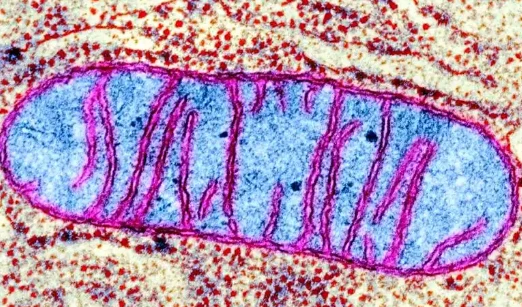
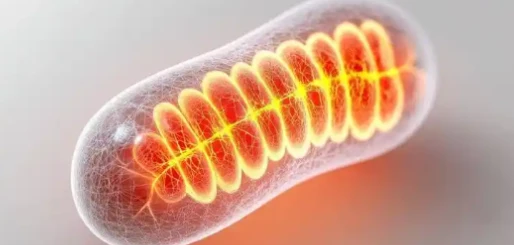
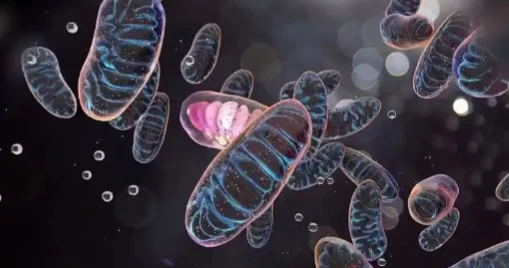
Muscle strength, endurance, and atrophy are linked to mitochondrial activity and quantity. As individuals age, mitochondrial quality degrades. One of the main causes of sarcopenia and physical decline. The infusion of5 amino 1mq peptide activates the PGC-1α/NRF1/TFAM pathway. By aiding mitochondrial biogenesis, cells may produce new mitochondria.
The therapy seems to boost mitochondrial DNA copies by 1.5 times in fat tissue. The mitochondria seem to be dividing rapidly. These measures come from adipose tissue studies, but because NAD+ is now more accessible and SIRT1 is switched on everywhere, they may also affect skeletal muscle.
Better mitochondria produce more ATP. Keeping muscle fibres and cells functioning prevents protein breakdown. The compound enhances SOD2 and GPX1 antioxidant enzymes. This protects muscle cells from age- and sports-related oxidative damage.
Combined Intervention Studies demonstrate that metabolic medications and exercise perform better combined. When medicated and exercised, mice gripped 60% better. This is increased from 40% with just exercise or 20% with just complex. Blocking NNMT boosts metabolism, making exercise easier for muscles.

5 Amino 1MQ Peptide Injection During Body Recomposition Programs
Supporting Favorable Body Composition Changes
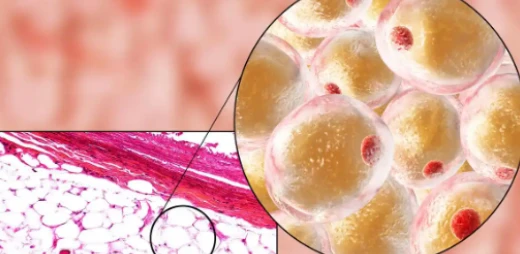
Plans to change the shape of your body try to get rid of fat while keeping or growing lean muscle at the same time. This is a tough goal that needs careful management of your metabolism. In traditional diets, cutting calories can cause adaptive responses that break down muscle while fat is being lost. This is not what you want to happen when you're trying to grow muscle. In these cases, changes to the metabolism that target fat tissue instead of muscle can be helpful.
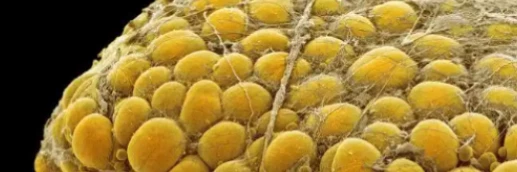
It is important to note that the 5 amino 1mq peptide injection only works on certain organs and is in line with recomposition goals. A lot of NNMT is not found in skeletal muscle, but in white fat tissue. This means that the substance mostly targets enzymes that are found in fat stores. Because of how the body's tissues are set up, reducing NNMT directly might have a bigger effect on fat tissue than on muscle tissue.
Animal studies reveal they shed a lot of fat. Animals lose 18% of their body weight and 35% of their epididymis fat pad. Weight loss was less than fat loss, therefore most lean tissue was preserved. Mouse quadriceps mass increased by 15% and muscle fibre cross-sectional area increased by 18%. It shows that the muscles either didn't alter or grew throughout therapy.
The chemical alters gene expression, improving recomposition. Certain genes, such FAS and SCD1, produce fat. The medication lowers them and boosts fat-burning genes including CPT1A and ACOX1. This gene reset modifies cell metabolism to utilise fat reserves for energy while proteins retain their structure.

Addressing Muscle Protein Balance
Protein balance must be positive or neutral to maintain muscle mass. This implies your body should generate and break down proteins at the same or greater rates. Hormones, nutrition, inflammation, and cell energy may disrupt this delicate equilibrium. Changing these fundamental metabolic parameters may indirectly improve protein balance.
The5 amino 1mq peptide injection improves insulin function, allowing more amino acids into muscle cells and activating protein-producing signalling pathways including mTOR.
Fasting blood sugars dropped 22% and HOMA-IR increased, suggesting insulin is acting better. This aids muscle protein breakdown.
Long-term inflammation breaks down muscle proteins quicker and slows muscle healing. The chemical lowered inflammation by 53% in blood and 47% in TNF-α blood in age-related animals. Lowering pro-inflammatory cytokines removes metabolic barriers that inhibit muscle protein creation and catabolic signals that tear down muscles.
Blocking NNMT may increase NAD+. This may increase muscle protein quality by improving protein balance. Medicine increases molecular chaperones HSP70 and HSP90. These chaperones prevent damaged proteins from sticking together and fold proteins appropriately. This quality check maintains muscle protein structures so they can function.

Balancing Fat Reduction and Muscle Maintenance With 5 Amino 1MQ Peptide Injection

Metabolic Partitioning Effects
The body sends food and energy to different parts of its cells through a process called metabolic partitioning. To get the best results with your body makeup, you should divide your foods in a way that helps your body burn fat for energy while also building and maintaining muscle. To reach makeup goals, it might be helpful to find compounds that change this split at the cellular and molecular levels.
Setting up the right conditions for positive separation with a 5 amino 1mq peptide injection should help it happen. Since the enzyme is highly expressed in fat tissue, it follows that NAD+ levels grow mostly in fat cells. This turns on SIRT1 in the fat cells, which makes them use energy and metabolism faster. Also, more systemic NAD+ is good for all tissues, including muscle, because it helps their recovery and metabolic processes.
The chemical turns on PPAR-γ deacetylation, which changes how adipocytes grow and work. This might help white adipose tissue turn brown, which turns white fat that stores energy into brownish fat that burns more calories and has a higher reactive capacity. This change in the shape of tissues helps keep fat off, and the fact that insulin sensitivity stays high keeps conditions that are good for muscle tissue.
Studies that look at transcriptomes show that genes are expressed in different ways, which supports splitting in a good way. The treatment changes the amounts of genes that manage how fatty acids are burned, how mitochondria work, and how much energy cells make. It also changes the amounts of genes that manage inflammation, toxic stress, and the aging of cells. When these genes work together, they create a chemical setting that helps the body keep lean muscle and lose fat.

Energy Metabolism Pathways Relevant to Muscle Preservation
Cellular Energetics and Muscle Function
Some of the body's most mitochondria are found in skeletal muscle cells. They need a lot of energy to push together, make proteins, and keep their cells healthy. Problems with cellular energetics make muscles less useful and speed up the aging process. Helping muscle cells use energy well is an important part of keeping their growth and function up.
Glycolysis, the citric acid cycle, and oxidative phosphorylation are the main ways that muscle cells make ATP. The NAD+ cofactor is a key part of all three. Less NAD+ in the body makes people older, which can lead to mitochondrial failure, less ability to exercise, and faster muscle loss. Some of this biochemical decline might be able to be stopped by taking steps to improve the amount of NAD+.
The 5 amino 1mq peptide injection stops NNMT, which slows down one way that NAD+ is used up. This lets more of this important cofactor build up.
For cells that have been treated, NAD+ levels rise by 2.3 times. This makes NAD+-dependent enzymes, like sirtuins, work faster. These enzymes control many processes that are important for muscle health, like making mitochondria, protecting against oxidative stress, and inflammation responses.Muscle tissue gets more metabolic benefits from the chemical because it increases AMPK activation. The AMPK protein checks the energy level of a cell. When the AMP/ATP ratio goes up, pathways that break down energy are turned on, and pathways that build it up are turned off. AMPK action over a long period of time, on the other hand, can cause good changes, such as better insulin sensitivity, more fat burning, and more mitochondrial biogenesis. When you don't have much energy, these changes help your muscles stay healthy.
Oxidative Defense and Muscle Integrity
Reactive oxygen species produce oxidative stress. This stress damages cell DNA, proteins, and lipids.Muscles weaken and perform poorly. Exercise produces ROS, which is healthy, but too much might tear down muscles quicker, particularly if you're elderly or have a slow metabolism. Strong antioxidant defence protects muscle cells from oxidative damage.A5 amino 1mq peptide infusion increases antioxidant enzymes including SOD2 and GPX1. This helps cells resist oxygen damage. They eliminate superoxide and hydrogen peroxide before they harm cells.
Antioxidants assist cells and muscle proteins function.The drug reduces oxidative stress further by improving mitochondrial quality control. Broken mitochondria produce too much ROS but not enough ATP. Bad cycle. The therapy boosts PINK1/Parkin-mediated mitophagy. This autophagy eliminates malfunctioning mitochondria. In muscle cells, this quality control mechanism maintains healthy mitochondria. This helps cells generate energy and handle reactive stress.
Intriguingly, anti-inflammatory medication benefits muscular tissue. Body molecules called pro-inflammatory cytokines tear down muscle proteins. They activate proteolytic pathways like the ubiquitin-proteasome system. Studies suggest that cytokine levels below 53% and 47% block catabolic signals that accelerate muscle loss.

Research Perspectives on 5 Amino 1MQ Peptide Injection and Lean Mass Support

Evidence from Preclinical Models
Most of what experts know about how5 amino 1mq affects muscle memory comes from tests that were done on animals first, then on people. There is some basic knowledge about how well things work and how they work that comes from these studies, but we need to be careful when bringing these results to people. What we already know leads us in the right way, so let's find out more.
5 amino 1mq peptide injection doses at 50 mg/kg were given to mice that had been on a diet for eight weeks. They had big changes in their metabolism, like losing weight and being better able to use insulin. Body composition tests were very helpful because they showed that most of the weight loss came from fat mass, not lean tissue. In other words, it looks like muscle mass was mostly kept during the therapeutic phase.
Models of aging mice teach us a lot about how to keep muscles healthy. Sarcopenia is a disease that goes along with getting older. There is a loss of function and muscle loss that gets worse over time. Giving the substance to 24-month-old mice at a dose of 25 mg/kg every other day for six months made them much more effective. For example, they got stronger grips, could work out for longer periods of time, and had bigger muscle mass. In this case, it looks like the metabolism change stopped the normal muscle loss that comes with getting older.
The fact that the substance worked well when used with exercise training shows that it could be used in addition to exercise rather than instead of it. The combined action made grip strength 60% better than either way by itself. This shows that blocking NNMT makes muscles better at responding to exercise by making metabolism work better. How the ideas can be used in real life is affected by this mix in a big way.

Translational Considerations and Research Gaps
Some good preliminary evidence exists, but a lot more research is needed before we can say for sure what benefits people get from keeping their muscles. To understand what the results of an animal study mean, it's important to remember that mouse models and humans have different metabolisms. NNMT gene patterns, NAD+ metabolism, and muscle performance are all different in different species.
The main goal of this study is to find out practical results like grip strength and endurance, as well as tissue weight and gene expression patterns. More in-depth studies of body composition, such as DEXA scans, MRI tests of muscle power, and muscle biopsy studies, would help us learn more about how lean tissue changes the body. While functional gains are great, it is still important to know if they are because of real muscle retention, better brain activity, or better muscle health.
A lot of research needs to be done on the dose-response relationship, the best amount of treatment, and the long-term safety profile. People used a range of treatment rates on animals, from 25 mg/kg to 50 mg/kg at different times. But there are still not a lot of thorough dose adjustment studies out there. To help with real-world application strategies, it would be helpful to find the lowest amounts that work and see whether constant or intermittent handling is better.
The next important step is to do clinical tests on people to find out how5 amino 1mq peptide injections change body makeup, how well people keep their muscles while losing weight, and how well they work in different groups of people. Key use cases would be looked at in older adults, people who are watching their calories, and people who are in body recomposition programs. It will take well-thought-out study designs with the right control groups, proven outcome measures, and large enough sample sizes to get enough data to be sure of the results.


Conclusion
We now have a lot of new scientific information and a lot of biochemical processes to figure out if 5 amino 1mq peptide injections help keep muscles healthy. Because it blocks NNMT, the drug creates biochemical conditions that are thought to help keep lean muscle mass. Some of these factors are having more NAD+ available, better mitochondrial function, less inflammation, and better insulin sensitivity.
There are some good signs in preclinical studies, like better function in models of aging, changes in body composition for the better during weight loss programs, and benefits that work better when exercise training is added. In different organs, NNMT is produced in different ways. It is mostly found in fat tissue and not as much in muscle. This means it might change the metabolism of fat in ways that are better for fat while also changing the metabolism of muscles to make them work better.
The proof we have now is still pretty basic since most of it comes from animal studies, which makes it hard to use on people. To reach a final decision, the next step is to conduct strong clinical studies that directly look at muscle retention rates in important human groups. It looks like the material could be useful as a metabolic tool in plans to change your body makeup, but more research needs to be done on it before it can be used in real life.
FAQ
1. How does 5 amino 1mq affect muscle tissue differently than fat tissue?
+
-
The chemical mostly stops an enzyme called NNMT from acting. White fat has a lot of this enzyme, but skeletal muscle doesn't have as much. The direct enzyme effects are mostly noticed in fat cells because they are tissue-specific. This could mean that the metabolism changes more quickly in fat tissue. Instead of stopping NNMT directly in muscle cells, more NAD+ in the blood, better insulin sensitivity, and less inflammation help the tissue in a roundabout way.
2. Can 5 amino 1mq replace exercise for maintaining muscle mass?
+
-
There's no way that the chemical could be used instead of exercise. Preclinical studies show that the metabolic treatments and exercise training work better when they are used together. In other words, the metabolic technique might make muscles respond better to training, but it might not build or keep muscle on its own. Metabolic substances can't replace the mechanical signals, changes in the brain, and communication pathways that exercise provides. For healthy muscles, you need all of these.
3. What makes 5 amino 1mq different from other weight loss approaches regarding muscle preservation?
+
-
The chemical changes certain metabolic pathways, which is different from limiting calories or using thermogenic substances, which can damage any tissue they touch. It works by stopping NNMT in fat cells and increasing NAD+ throughout the body. This should help break down fat and support energy production in muscle cells, protein balance, and mitochondrial function. It's possible that this mechanical way is better than methods that only rely on making energy shortages.

Partner With BLOOM TECH - Your Trusted 5 Amino 1MQ Peptide Injection Supplier
For more than 12 years, BLOOM TECH has been making organic compounds and pharmaceutical intermediates. This makes them a qualified provider of chemical compounds. These facilities, which are 100,000 square meters and GMP-certified, meet standards set by the US FDA, the EU, and the PMDA. As a result, we can promise that every 5 amino 1mq peptide injection supplier service request we get will be checked for quality. We have strict three-layer quality control processes that we follow because we are approved providers to 24 foreign pharmaceutical companies and research institutions. These are testing in the plant, analysis by our own QA/QC department, and approval by a third-party authority. We build relationships that last by being clear about our prices, setting clear profit margins, and promising accurate lead times. When our platform is connected to ERP, it gives you clear specs and all the information you need for a smooth customs clearance process, no matter how much you need for study or how many you need. Email our knowledgeable staff at
Sales@bloomtechz.com to talk about your specific needs and experience the quality, reliability, and great service that BLOOM TECH has to offer.
References
1. Komatsu M, Kanda T, Urai H, et al. "NNMT activation can contribute to the development of fatty liver disease by modulating the NAD+ metabolism." Scientific Reports, 2018, 8(1): 8637-8649.
2. Kraus D, Yang Q, Kong D, et al. "Nicotinamide N-methyltransferase knockdown protects against diet-induced obesity." Nature, 2014, 508(7495): 258-262.
3. Ulanovskaya OA, Zuhl AM, Cravatt BF. "NNMT promotes epigenetic remodeling in cancer by creating a metabolic methylation sink." Nature Chemical Biology, 2013, 9(5): 300-306.
4. Hong S, Moreno-Navarrete JM, Wei X, et al. "Nicotinamide N-methyltransferase regulates hepatic nutrient metabolism through Sirt1 protein stabilization." Nature Medicine, 2015, 21(8): 887-894.
5. Campagna R, Mazzanti L, Pompei V, et al. "Nicotinamide N-methyltransferase gene silencing enhances chemosensitivity of melanoma cell lines." Pigment Cell & Melanoma Research, 2021, 34(6): 1039-1051.
6. Roberti A, Fernández AF, Fraga MF. "Nicotinamide N-methyltransferase: At the crossroads between cellular metabolism and epigenetic regulation." Molecular Metabolism, 2021, 45: 101165-101178.