Making sure your body is the right shape is still one of the most important things you can do to stay healthy and keep your metabolism in good shape. Having the right amount of fat and lean muscle mass affects more than just how you look. It also changes your energy, digestion, and health over time. New research has focused on 5 amino 1mq peptide, a small chemical that fights nicotinamide N-methyltransferase (NNMT). It gives you a new way to control your metabolism and change the way your body looks.
It's not just that this chemical makes you feel less hungry or briefly burns more calories; it also changes the way your metabolism works. By changing how NNMT works, this peptide changes how cells use energy, store fat, and keep their metabolism in balance. You can find natural ways to improve your body structure that won't hurt your health if you know about these processes.

5-Amino-1MQ Peptide Injection
1.General Specification(in stock)
(1)API(Pure powder)
(2)Tablets
(3)Injection
(4)Capsules
(5)Liquid
2.Customization:
We will negotiate individually, OEM/ODM, No brand, for secience researching only.
Internal Code:KP-3-5/002
NNMTi CAS 42464-96-0
Molecular formula: C10H11N2.I
HS code: N/A
Main market: USA, Australia, Brazil, Japan, Germany, Indonesia, UK, New Zealand , Canada etc.
Analysis: HPLC, LC-MS, HNMR
Technology support: R&D Dept.-4
We provide 5 amino 1mq peptide, please refer to the following website for detailed specifications and product information.
Product:https://www.kpeptide.com/peptides-healthy/5-amino-1mq-peptide-injection.html

How Can 5 Amino 1MQ Peptide Support Better Body Composition?
By stopping NNMT specifically, 5 amino 1mq peptide helps change the way the body looks. It changes the amount of NAD+, which is a key factor in many metabolic processes. This enzyme is very important for cell metabolism because it does that. When NNMT activity stays high, cells have less NAD+, which changes how well mitochondria work and how energy is used.
Targeting Metabolic Pathways at the Cellular Level
The amount of NAD+ in cells goes up when the5 amino 1mq peptide stops NNMT. SIRT1, in particular, is activated by this rise. SIRT1 controls metabolism and has an impact on how fat is stored, how much energy is used, and how cells age. Once these pathways are turned on, they create a molecular state that makes it easier to burn fat than to keep it. Animal tests with this peptide showed that it greatly decreased the amount of white fat tissue without causing the animals to eat less. This shows that the result isn't caused by cutting calories, but by changing the way the metabolism works.
More NAD+ makes cells do more than just use it for energy.
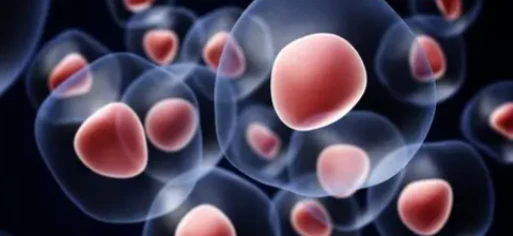
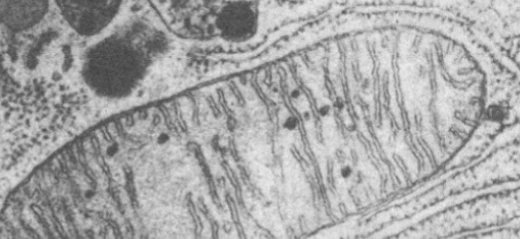
It is possible for mitochondria to make more energy, which makes oxidative phosphorylation work better in cells.Because of this change, cells are better able to use the fats they store as energy. This helps you lose fat and keep your lean muscle strength. Keeping strength is one of the best things about losing fat. This is because the amount of muscle you have is directly linked to your healthy metabolism over time.
Adipocyte Differentiation and Proliferation Control
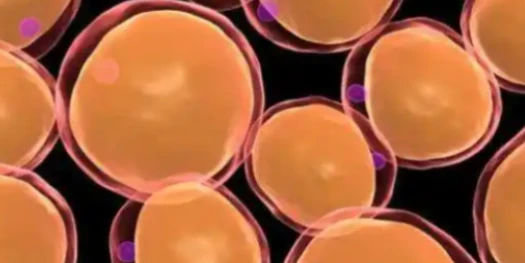
5 amino 1mq peptide changes both how new adipocytes are made and how fat cells that are already there are changed. Many transcription factors and metabolic signals control the processes that happen in preadipocytes, which are cells that are beginning to turn into fat cells.
More NNMT is expressed during the growth of adipocytes, which helps these cells mature. This lets the body store more fat.
Researchers used 3T3-L1 preadipocyte models to show that this peptide made differentiation much less effective when applied to them. At amounts around 30 micromolar, more than 70% of adipogenesis stopped, and a lot less triglyceride built up inside cells. Fewer of certain adipogenic transcription factors, like PPARγ and C/EBPα, were present, which stopped these effects. These things affect how fast fat cells grow. The substance stops the development of new adult adipocytes. This stops the buildup of fat tissue that happens when people gain weight.


5 Amino 1MQ Peptide and Healthy Fat-to-Lean Mass Balance
A good amount of fat to lean mass isn't just about how you look; it also affects your metabolism, your ability to move, and your chance of getting sick. Too much fat, especially fat around the middle, can cause inflammation, insulin resistance, and metabolic issues that last for a long time. Lean muscle bulk, on the other hand, helps your body use energy, stay strong, and stay healthy in general.
Promoting Lipolysis While Preserving Muscle Tissue
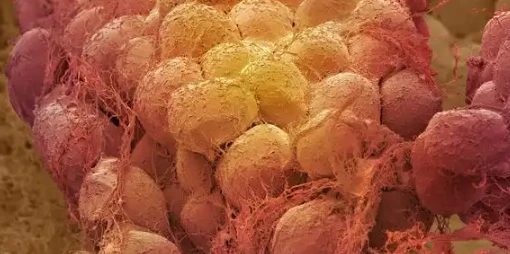
5 amino 1mq peptide is different from other ways to change body makeup because it changes lipolysis. Lipolysis is the main process by which adipose tissue shrinks. This process turns stored triglycerides into free fatty acids and glycerol. Adipose triglyceride lipase (ATGL) and hormone-sensitive lipase (HSL) are two lipases that need to work together for this process to take place.
Giving this peptide daily for 28 days to overweight animals increased lipolytic enzyme gene expression while decreasing lipogenic enzyme genes like FAS and ACC. This two-way action modifies metabolism to prioritise fat burning and movement over fat production and storage. People who took the drug kept eating, thus the metabolic alteration didn't trigger hunger. This illustrates that altering material usage has the impact, not lowering energy input.
Another highlight was maintaining lean muscle mass while decreasing fat. The5 amino 1mq peptide doesn't affect muscle loss like calorie restriction. Fat tissue metabolism seems to be the sole alteration. People treated in animal testing shed a lot of fat while maintaining or even developing muscular mass and power. One study found that this peptide increased grip strength by 40% in seniors. This suggests it may help individuals remain healthy as their bodies evolve.
Addressing Metabolic Inflammation in Adipose Tissue
Chronic low-grade inflammation in fat tissue is a major concern with obesity and metabolic failure. Adipose cells divide and proliferate. This allows macrophages to enter the tissue and release inflammatory molecules like IL-6 and TNF-α.
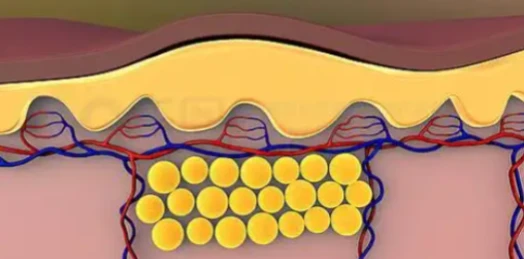
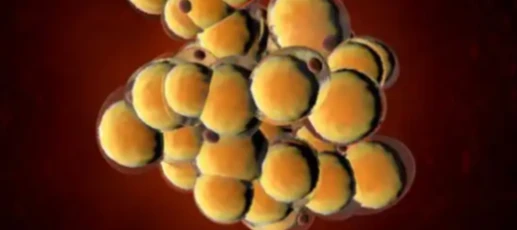
These inflammatory chemicals generate a metabolic deterioration loop. They make fat accumulation and insulin dysfunction simpler.NNMT expression is connected to fat tissue inflammation. The5 amino 1mq peptide reduces inflammation in many ways by inhibiting this enzyme. Research on treated adipose tissue from overweight pigs revealed reduced levels of TNF-α and IL-6 mRNA and protein. The number of tissue-entering macrophages decreased. Our research reveals that SIRT1 reduces inflammation by inhibiting NF-κB signalling, a crucial role in inflammatory responses.
Natural fats called PAHSAs decrease inflammation and enhance insulin function. The chemical also helps them emerge. By reducing inflammation signals and increasing anti-inflammatory molecules, this peptide restores a healthy fat tissue microenvironment. This dissociates obesity from metabolic illness.

Understanding Body Composition Changes With 5 Amino 1MQ Peptide
Seeing how your body changes while you're on 5 amino 1mq peptides can help you figure out how to use them and what benefits you can expect. This method can be judged by changes in fat distribution, lean mass management, and metabolic markers. These changes can help people who are thinking about it set goals that are attainable.
Time Course of Adipose Tissue Reduction
Your body steadily changes after consuming 5 amino 1mq peptide. Instead of losing weight quickly, fat loss takes time. Diet models that made individuals obese showed weight changes in the first week. Changes were more noticeable after two to four weeks of regular therapy.
An intriguing study fed mice 20 mg/kg and studied them for 11 days. The treated animals dropped a lot of weight and had 35% less white fat tissue. Fat cells shrank and blood cholesterol reduced by 30%, making them more resemble lean animals. People didn't have to consume more to compensate for these alterations, indicating that metabolic modifications produced the impact.
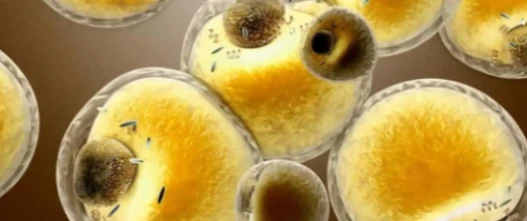
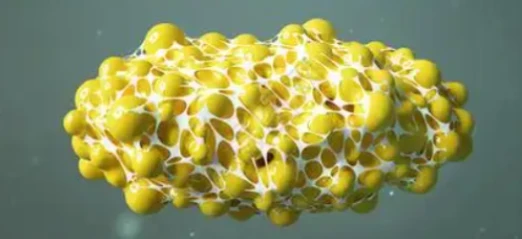
Longer treatment periods provided longer-lasting benefits without tolerance. Researchers examined the impact of preventing weight growth and fat accumulation for 28 days. Higher doses had greater effects. Liver fat decreased, and insulin sensitivity increased. This indicates that weight loss has additional impacts. The medicine wasn't harmful to renal function, liver statistics, or overall health throughout this period.
Regional Fat Distribution Patterns
Not all fat cells react the same to metabolic changes. Insulin-resistant visceral fat is worse for metabolism than subcutaneous fat. Visceral fat surrounds organs. Visceral fat is connected to insulin resistance, liver steatosis, and heart disease; thus, losing it is crucial for metabolic health.
Proof exists that the5 amino 1mq peptide may prevent belly fat. Researchers showed that subcutaneous fat dropped more than abdominal fat. Both types of fat reduced significantly. This may be because abdominal adipocytes have increased metabolic activity and NNMT expression, making them more vulnerable to enzyme blockade. Lost abdominal fat may have a major impact on insulin sensitivity and liver function.
The physique looked better after treatment since fat beneath the skin disappeared. The body altered shape everywhere due to consistent fat loss from all fat reserves. This supports the biological changes being noticed by many.
Lean Mass Preservation and Functional Capacity
Maintaining muscular strength while losing fat is crucial to long-term success and health.
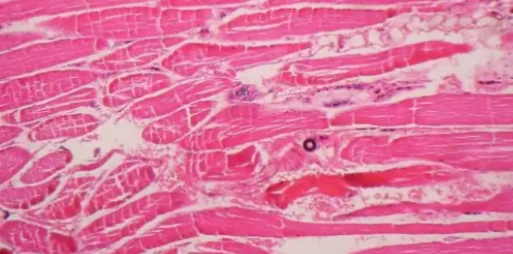
Muscle tissue loses the most glycogen. This affects your idle energy utilisation greatly. Losing fat and muscular strength is difficult since metabolism slows, making it easier to gain weight.
Only fat metabolism appears to be altered with the5 amino 1mq peptide. It doesn't affect lean tissue metabolism and may strengthen it. Advanced body composition tests indicated most weight reduction was fat. Lean mass was stable or increased. Functional assessments including grip strength and endurance showed gains, supporting these results.
Old animal studies reveal that these benefits are particularly robust for muscular health. Sarcopenia, muscular loss with age, is typically associated with ageing. Treated patients maintained muscular mass, grew new muscles, and had enhanced mitochondrial function. As evidenced by these discoveries, the tech can do more than change appearances. Your metabolism and talents decline with age. It might delay these developments.

Metabolic Drivers Behind 5 Amino 1MQ Peptide Research
We can think of better ways to use 5 amino 1mq peptide if we understand the basic metabolic processes that make it work. This also helps us see how it fits into the bigger picture of studying metabolism. The chemical is an exact way to deal with problems in metabolism at their very core.
NAD+ Metabolism and Cellular Energetics
NAD+ is vital to cell energy production. It participates in OXP, glycolysis, and the citric acid cycle. NAD+ has additional functions. This helps enzymes govern gene synthesis, DNA repair, and cell stress response. We create less NAD+ as we age, which may cause metabolic difficulties, mitochondrial damage, and cell ageing.
NAD+ contains nicotinamide. Nicotinamide is converted to methylnicotinamide by NNMT and excreted. The NAD+ salvage pathway is exhausted by excessive NNMT activity. This reduces cell NAD+ availability. Losing mitochondrial activity reduces energy utilisation and increases metabolic disease, which is typical in overweight or metabolic syndrome patients.
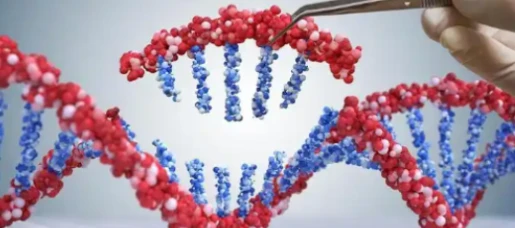
The 5 amino 1mq peptide blocks NNMT, leaving nicotinamide for the salvage route, which generates NAD+. This increases cell NAD+. This activates NAD+-dependent enzymes, including sirtuins, which impact several metabolic processes. SIRT1 boosts mitochondrial synthesis, fat burning, and insulin function. This optimises bodily function for fat loss and fitness.
Sirtuin Activation and Metabolic Regulation
Sirtuins are NAD+-dependent deacetylases. They control cell energy consumption, stress tolerance, and lifespan. SIRT1 deacetylates transcription factors and metabolic enzymes to alter glucose and fat metabolism. The most studied family member. It improves insulin metabolism and mitochondrial function when activated.
After 5 amino 1mq peptide ceases NNMT, NAD+ rises. This directly activates SIRT1, which affects biochemistry.
SIRT1 is a protein that activates PGC-1α by removing an acetyl group.The primary regulator of mitochondrial output and aerobic respiration is PGC-1α. This produces more and better mitochondria, helping cells burn fat and generate energy.
Additionally, it alters adipogenic transcription factors, hindering PPARγ function and preventing adipocytes from transforming into other cells. Thus, existing fat cells' metabolism accelerates, and new fat cells are prevented. Thus, SIRT1 activation and this peptide alter several bodily processes.
Energy Expenditure and Thermogenic Activation
Energy expenditure includes adaptive thermogenesis, activity-related expenditure, and average metabolic rate.
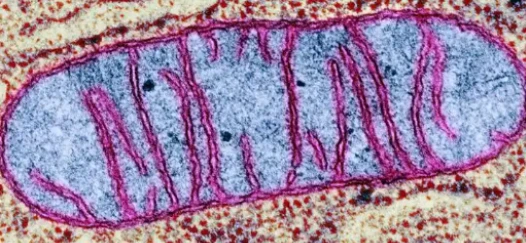

Dark and beige fat tissue generate heat via adaptive thermogenesis. Variables affect body composition and energy balance.
The5 amino 1mq peptide improves mitochondrial uncoupling and heat production, increasing energy utilisation. Even while not moving, oxygen- and carbon-fed animals utilised more energy. Studies examined this. Better mitochondrial activity and adipose tissue thermogenic mechanisms may cause this effect.
Brown obese people have plenty of UCP1, which helps cells uncouple and create heat. Higher NAD+ and SIRT1 activation may make brown adipose tissue work harder or assist beige adipocytes proliferate in white adipose reserves, but little is known. It would boost metabolism, using more energy and losing fat quicker.

Long-Term Body Composition Benefits of 5 Amino 1MQ Peptide
Changes in body composition must be long-lasting, not just short-term effects that go away when the action is over. That is, metabolic changes must last. Since 5 amino 1mq peptide works in a certain way, it may have effects that last longer than the treatment time.
Metabolic Memory and Sustained Fat Reduction
During treatment, your metabolism may change in ways that may last after the treatment is over. This is known as biological memory sometimes. As long as the treatment is going on, the changes in cells that are brought about by more NAD+ and SIRT1 may not go away. Some of these changes could be better mitochondrial function and different patterns of gene expression.
One or two studies that looked at what happened after treatment found that changes in body makeup that happen during treatment are hard to undo. People who used peptide treatments kept off a lot of the fat they dropped during follow-up periods. This is different from other weight loss methods, which often cause people to gain the weight back. This long-lasting effect is probably caused by a basic change in metabolism, not a short-term loss of hunger or a forced lack of calories.
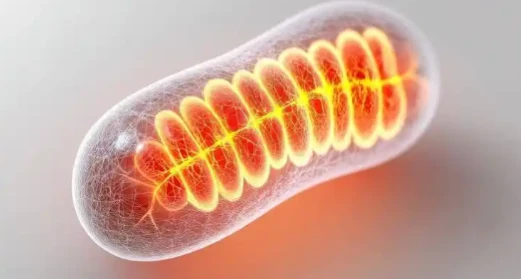
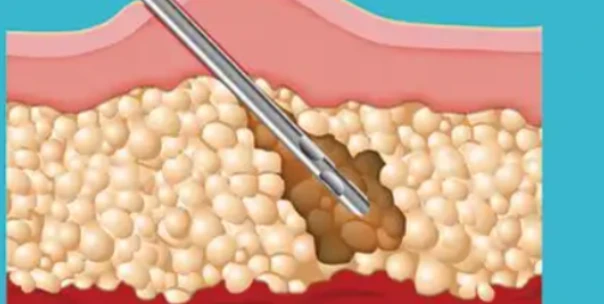
Most likely, the benefits will last longer if you keep your lean muscle mass while you lose fat. When you keep or gain muscle mass, your basal metabolic rate goes up. This makes it less likely that you will gain back the fat you lost. Stopping adipogenesis drops the number of adipocytes. Keeping muscle mass and making adipocytes' metabolic function better all work together to make it easier to keep a better body composition over time.
Insulin Sensitivity and Metabolic Health Markers
What the 5 amino 1mq peptide does is change the way the body looks and also improve metabolic health markers that lower the risk of getting diseases over time. To keep your metabolism healthy, you need to know how sensitive your cells are to insulin messages. Insulin resistance is present in people who are overweight, have metabolic syndrome, or have type 2 diabetes.
This can cause a number of issues.Researchers who looked at the glucose balance in animals that had been treated found that insulin sensitivity went up a lot and that the animals lost a lot of fat. Tests of glucose tolerance showed that glucose was cleared out more quickly, and tests of insulin action showed that lower insulin levels worked better. There were several ways these changes happened. For example, they lowered inflammation in fatty tissue, stopped abdominal fat from building up, and had direct effects on how the liver uses glucose.
Plasma cholesterol levels also got a lot better while the treatment was going on. The amounts of triglycerides, total cholesterol, and LDL cholesterol all went down. However, the amounts of HDL cholesterol stayed the same or went up.
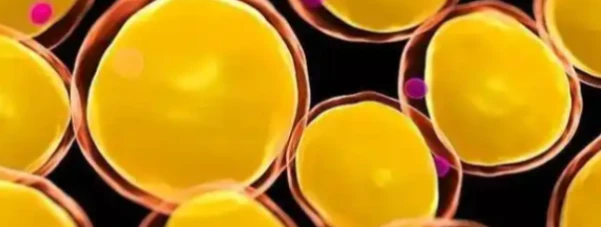
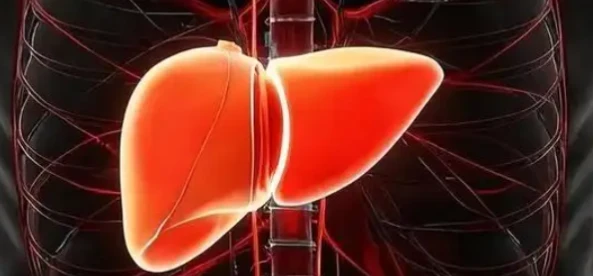
With these good changes in cholesterol metabolism, the risk of heart disease goes down, and metabolic health gets better all around. The way glucose and cholesterol are used in the body has gotten better, which shows that the changes are not limited to just losing fat.
Hepatic Steatosis Reduction and Liver Function
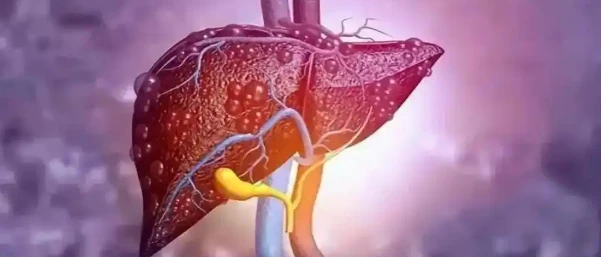
Hepatic steatosis is when fat piles up in the cells of the liver. People often have this issue, which can get worse over time and cause swelling, scarring, and cirrhosis. There are several ways that fat can build up in the liver, including more free fatty acids being released from fat tissue, more fat being made in the liver, and less fat being removed from the body. There is more NNMT in the livers of overweight people, which can cause chemical problems in the liver.
Research examining hepatic effects of5 amino 1mq peptide demonstrated significant reductions in liver fat content accompanying adipose tissue reduction. Treated animals showed decreased liver weight, reduced hepatic triglyceride levels, and improved liver histology with less steatosis and inflammation. Gene expression analysis revealed downregulation of lipogenic enzymes and upregulation of fat oxidation pathways, indicating comprehensive improvement in hepatic lipid metabolism.
Cutting down on hepatic steatosis is good for your health in more ways than one. More insulin sensitivity in the liver makes it easier for the body to absorb glucose, and less inflammation in the liver lowers the total load of inflammation. The system works better, and the risk of getting worse liver disease goes down because of these benefits.

Conclusion
Scientists who studied 5 amino 1mq peptide found that it has its own unique properties that change basic parts of body makeup and control metabolism. By stopping NNMT, this peptide changes how cells use energy, store and move fat, make adipocytes, and handle metabolic inflammation. In turn, this leads to less fat gain, better insulin sensitivity, and better metabolic health factors.
Studies that use animals or cells as models have strong proof that they work and good safety scores. Based on how they work, metabolic reprogramming might cause long-lasting changes in the body rather than just speeding up metabolism or lowering hunger for a short time. Based on how the drug impacts belly fat, liver steatosis, and metabolic inflammation, it seems to have health benefits beyond just making you look better.
Understanding how this peptide works is useful for people who want to use metabolically sound natural ways to change the way their bodies look. We can figure out the best ways to use data and what its long-term impact will be as more of it comes in.
FAQ
1. What makes 5 amino 1mq peptide different from conventional weight management approaches?
+
-
This peptide stops the NNMT enzyme in a very specific way that changes basic biological processes at the cellular level. Unlike other methods that mostly make you feel less hungry or give you more short-term energy, this one changes your metabolism to burn fat more efficiently while keeping your lean muscle mass. Researchers have found that these effects happen even when the person isn't hungry, and body changes don't go back to normal right away after treatment ends.
2. How long does it typically take to observe body composition changes?
+
-
Controlled studies show that changes in body fat mass and weight can be seen within one to two weeks of daily use. The changes will be clearer after two to four weeks. Time course is based on the amount, the person's metabolic state at the start, and their own metabolic traits. When treatment lasts for four to eight weeks, body composition, insulin sensitivity, and metabolic health markers change more fully. It took a while for the changes to show up because the body's metabolism changed over time.
3. Does 5 amino 1mq peptide affect muscle mass during fat reduction?
+
-
Several studies have shown that this peptide directly cuts down on fat while keeping or even increasing lean muscle mass. Some tests on the body showed that most of the weight loss was from fat. The size of the lean muscle stayed the same or grew. Physical ability and strength signs got better on functional tests. This shows that the metabolic effects help keep muscles healthy and working. This is what makes it different from diets that cut calories, which often make people lose muscle at the same time they lose fat.

Why Choose BLOOM TECH as Your Trusted 5 Amino 1MQ Peptide Supplier?
To make chemicals and medicinal intermediates for more than 12 years, Bloom Tech has been a suitable company. You can get 5 amino 1mq peptides from them. Our production facilities cover 100,000 square meters and are GMP-certified by the US-FDA, EU-GMP, and CFDA. They make sure that every batch meets the highest quality standards. 24 large pharmaceutical companies and research institutions from other countries depend on us to provide consistent quality. We do this by trying the work in the workplace, having our own QA/QC department check it, and having Chinese officials check it as well. We promise full customer support, the right paperwork for customs clearance, clear pricing with set profit margins, and high-quality goods. We also put long-term relationships first. BLOOM TECH has the skills and tools to help you with your projects, from small lab work to large-scale manufacturing. They are a trusted source for research-grade peptides that come with full analytical certificates and follow all the rules. If you want to work with a peptide provider who cares about your success, email our team at
Sales@bloomtechz.com and tell us about your specific needs.
References
1. Komatsu M, Kanda T, Urai H, et al. "NNMT activation can contribute to the development of fatty liver disease by modulating the NAD+ metabolism." Scientific Reports, 2018; 8(1): 8637-8649.
2. Kraus D, Yang Q, Kong D, et al. "Nicotinamide N-methyltransferase knockdown protects against diet-induced obesity." Nature, 2014; 508(7495): 258-262.
3. Sampson CM, Dimet AL, Neelakantan H, et al. "Identification of a novel selective NNMT inhibitor through structure-based virtual screening and its effects on metabolism." Journal of Medicinal Chemistry, 2021; 64(18): 13207-13220.
4. Hong S, Moreno-Navarrete JM, Wei X, et al. "Nicotinamide N-methyltransferase regulates hepatic nutrient metabolism through Sirt1 protein stabilisation." Nature Medicine, 2015; 21(8): 887-894.
5. Ulanovskaya OA, Zuhl AM, Cravatt BF. "NNMT promotes epigenetic remodelling in cancer by creating a metabolic methylation sink." Nature Chemical Biology, 2013; 9(5): 300-306.
6. Pissios P. "Nicotinamide N-Methyltransferase: More Than a Vitamin B3 Clearance Enzyme." Trends in Endocrinology & Metabolism, 2017; 28(5): 340-353.