
When it comes to health in general, having a healthy metabolism is key. Insulin sensitivity is a key part of how well our bodies use glucose. Scientists have come up with new and creative ways to speed up metabolism. The 5 amino 1mq peptide injection is one of these and has become a useful tool. There are different biological processes that this peptide molecule goes through that change how cells manage their energy and how flexible their metabolism is. Researchers, drug companies, and health care workers who want to find new ways to help the metabolism can learn a lot from looking into how this peptide works with insulin signaling. It is still very interesting to researchers what the link is between peptide medicines and controlling glucose. More and more people around the world are having metabolic problems, and they want solutions that work. The 5-amino-1-methylquinolinium peptide injection is a new method that targets certain enzymes that help cells break down food. This piece talks about the many benefits of this peptide shot, mainly how it makes insulin work better, manages glucose metabolism, and generally keeps blood sugar levels in check.

5-Amino-1MQ Peptide Injection
1.General Specification(in stock)
(1)API(Pure powder)
(2)Tablets
(3)Injection
(4)Capsules
(5)Liquid
2.Customization:
We will negotiate individually, OEM/ODM, No brand, for secience researching only.
Internal Code:KP-3-5/002
NNMTi CAS 42464-96-0
Molecular formula: C10H11N2.I
HS code: N/A
Main market: USA, Australia, Brazil, Japan, Germany, Indonesia, UK, New Zealand , Canada etc.
Analysis: HPLC, LC-MS, HNMR
Technology support: R&D Dept.-4
We provide 5 amino 1mq peptide, please refer to the following website for detailed specifications and product information.
Product:https://www.kpeptide.com/peptides-healthy/5-amino-1mq-peptide-injection.html

How Does 5 Amino 1MQ Peptide Injection Enhance Insulin Sensitivity?
The Molecular Foundation of Insulin Sensitivity Enhancement
How cells respond to insulin information is a key part of understanding insulin sensitivity. This chemical, 5-amino-1-methylquinolinium, blocks nicotinamide N-methyltransferase (NNMT), which is an enzyme that manages how cells use nicotinamide adenine dinucleotide (NAD+). There is more NAD+ inside cells when NNMT activity goes down. It is this that makes protein deacetylases called sirtuins work. They control metabolism. The way cells respond to insulin messages changes because of this chain of events, which makes it easier for them to take in glucose. Scientists have found that when NNMT activity stays high, it makes it harder for NAD+ to be absorbed.

This is linked to insulin resistance. It was discovered that giving a 5-amino-1-mq peptide injection as part of a treatment plan makes insulin receptors on cells more sensitive. It works by bringing back the right amount of NAD+, which helps with phosphorylating insulin receptor substrates in the right way. This is a key step in the insulin signaling chain. This molecular fix lets cells find insulin in the blood and react correctly to it.
Systemic Metabolic Coordination
Not only does the peptide shot change how cells work, it also changes how the system works in general. Fat tissue, skeletal muscle, and liver cells all have an effect on how sensitive the whole body is to insulin. 5 amino 1mq peptide injection works well with all types of tissue, but it has different effects on each one.
Blocking NNMT lowers the release of adipokines that cause inflammation and raises the release of adiponectin that protects cells.Adiponectin makes a lot of different kinds of cells more open to insulin. In this way, the effects of the peptide get stronger through a positive feedback loop. The main place where insulin-mediated glucose clearance takes place is in skeletal muscle. The peptide changes muscle tissue by speeding up oxidative metabolism and lowering intramyocellular lipid accumulation, which is the buildup of fat inside muscle cells. This makes insulin messages less effective. The liver tissue benefits because insulin works better to stop the production of glucose. This helps keep glucose levels stable during fasting. Many tissues work together better when 5 amino 1mq peptide injection the peptide shot is given. This has molecular benefits that go beyond effects on individual cells.


5 Amino 1MQ Peptide Injection and Glucose Metabolism Regulation
NAD+ Metabolism and Glucose Processing
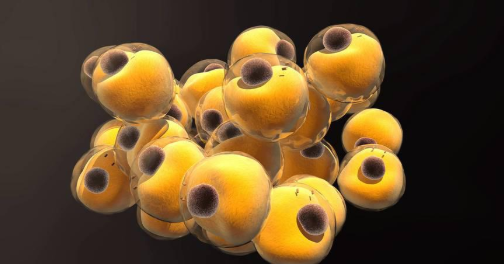
There are many enzyme events that happen in glucose metabolism that turn the sugars in food into energy that the body can use. In this complicated process, the 5 amino 1mq peptide injection depends on NAD+ being present. This is a chemical that is needed for fat breakdown and oxidative phosphorylation. When cells are given peptides that make NNMT less active, they keep more NAD+ and don't change it into N-methylnicotinamide. It protects glycolytic enzymes like glyceraldehyde-3-phosphate dehydrogenase so they can do their best work. This keeps the breakdown of glucose going easily. Increasing the amount of NAD+ has effects further down the line, such as on the citric acid cycle. Dehydrogenases that depend on NAD speed up important processes that use acetyl-CoA made from glucose to get energy.
Plus, cells make more ATP for every molecule of glucose when cycle effectiveness goes up. This makes metabolism more flexible. With this speed, you don't need to eat as much glucose to give your cells the energy they need. The amount of glucose in the blood stays the same because cells use glucose better and don't let it build up in the blood.
Metabolic Flexibility Enhancement
Metabolic flexibility means being able to change the type of food you eat based on what you have on hand and how much energy you need. If your metabolism is healthy, it burns carbs, fat, and ketones without any trouble. A lack of insulin sensitivity makes the metabolism less flexible.


This makes it harder for cells to switch food sources properly. The 5-amino-1-methylquinolinium peptide injection fixes this issue and also improves the absorption of fat and glucose.Because it turns on the SIRT1 and AMPK pathways, the peptide injection helps the body use fuel more effectively. That is, cells use glucose well when they are eaten and have a lot of it, and they store extra energy in the right way. It's easier for the body to switch to fatty acid oxidation when it's hungry because it doesn't have to break down as many muscle proteins. There is no metabolic stress with this well-balanced method, which helps insulin resistance grow. They found that people who get the peptide have better changes in their respiratory quotient when they eat and don't eat throughout the day. This shows that their metabolism is more flexible once more.

Does 5 Amino 1MQ Peptide Injection Support Glucose Uptake Efficiency?
GLUT4 Transporter Dynamics
Proteins called glucose transporters help sugar move across the sides of cells, which is how cells take in glucose. GLUT4 is the insulin-sensitive transporter that you can mostly find in muscle and fat. When things are normal, GLUT4 lives in vesicles inside cells. Vesicles move to the plasma membrane when insulin tells them to do so. This is where GLUT4 lets glucose enter. There are several ways that the 5-amino-1-methylquinolinium peptide injection speeds up this process. These ways improve the amount of GLUT4 expression and the speed of translation. The peptide's effect on NAD+-dependent pathways changes transcription factors that manage the production of the GLUT4 gene.


SIRT1 deacetylates some transcription factors when it is turned on, which makes them more likely to bind to the GLUT4 promoter area. More GLUT4 proteins are made because of this epigenetic change. This makes it easier for cells to take in glucose when insulin is released. It's also better for GLUT4 proteins to move around when insulin binds to its receptor because insulin signals better after receptor activation.
Cellular Glucose Disposal Pathways
Glucose gets into cells through GLUT4 transporters. Hexokinase phosphorylates it and locks it inside the cell. Next steps for 5 amino 1mq peptide injection glucose-6-phosphate depend on how much energy cells have and what hormones tell them. Glycogen-6-phosphate either goes into glycolysis to make energy right away or into glycogen synthesis to store energy when the metabolism is working properly.
This decision-making process is made better by the 5 amino 1mq peptide injection, which helps keep enzyme activity up even in ways that are at odds with each other. Making more NAD+ available makes sure that glycolytic enzymes work well. This keeps the metabolism from getting stuck and causes glucose-6-phosphate to build up. The peptide also helps glycogen synthase work when the body is in the right state by turning on AMPK. This makes it possible for cells to quickly remove glucose from the bloodstream while still having enough glycogen on hand in case they need it. When the glucose intake rate goes down, compensatory hyperinsulinemia happens. Being able to get rid of glucose more quickly lowers this. The beta zcells in the pancreas don't get too tired because of this.
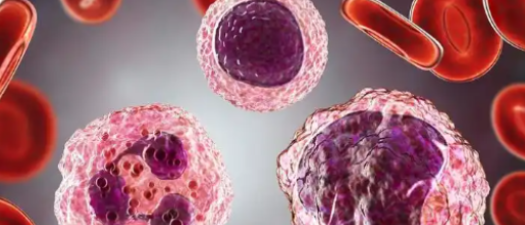

Insulin Signaling Pathways Influenced by 5 Amino-1MQ Peptide Injection

PI3K-Akt Pathway Enhancement
Phosphoinositide 3-kinase-protein kinase B is the main way that insulin changes how metabolism works. When you turn on the IRS protein, it starts making PIP3 at the plasma membrane. A substance that helps cells communicate. Akt is modified and turned on when PIP3 brings it to the membrane. Many targets further down the line are controlled by Akt when it is turned on. These targets affect how glucose is used, how proteins are made, and how long cells live. This path is made stronger by the 5-amino-1-mq peptide injection, which keeps cells in the best state for signal transfer. Oxidative stress and inflammation hurt PI3K-Akt signaling in a number of ways. It is possible for reactive oxygen species to directly change signaling proteins, which makes them less active.
O2 stress is lowered by the peptide injection, which makes the mitochondria work better and stops electrons from leaking from the respiratory chain. PI3K and Akt stay active because of this protection. They make sure that insulin messages set off the right metabolic processes. Scientists have discovered that individuals receiving the peptide have bigger amounts of Akt phosphorylation after insulin stimulation compared to the initial results of the study.
Inflammatory Pathway Suppression
Chronic low-grade inflammation slows down a lot of kinase pathways, which makes insulin signaling a lot less effective. To stop insulin from working properly, two important inflammatory processes called JNK and NF-κB are turned on. When you eat too many calories, your fat cells get bigger, and chemicals that cause inflammation get into your system.
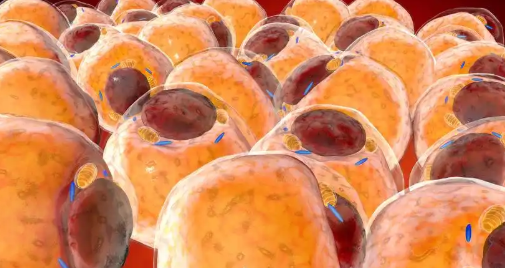
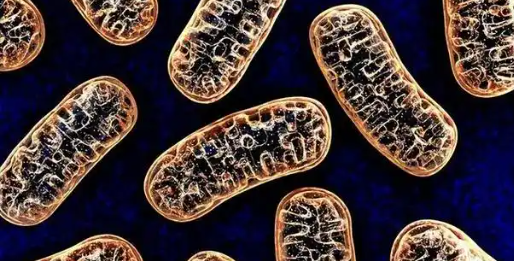
Deacetylating NF-κB through SIRT1 is what the 5-amino-1-mq peptide injection does to fight inflammation. This slows down the process of transcription and stops the production of genes that make inflammation worse. Also, better mitochondrial function lowers the production of reactive oxygen species. This removes one of the main things that sets off the inflammation process. The peptide shot changes the metabolic environment in a way that makes insulin work better by making cells more protective and lowering pro-inflammatory signals at the same time. It was found that people who were given the peptide had lower amounts of C-reactive protein and interleukin-6, which are signs of inflammation. This shows that 5 amino 1mq peptide injection the peptide works all over the body to reduce inflammation and keep the system healthy.

Glycemic Control Mechanisms of 5 Amino-1MQ Peptide Injection
Fasting Glucose Regulation
There are numbers that show how well the liver makes glucose and how well the body takes it in. If you don't eat or drink anything overnight, your liver makes glucose through glycogenolysis and gluconeogenesis to keep your blood sugar in a safe range. When insulin levels are normal, it stops the liver from making glucose. But when insulin levels are high, the liver can make glucose without being stopped, which raises fasting glucose levels. When you fast, the 5-amino-1-methylquinoline peptide injection makes the liver more responsive to insulin. This stops the production of glucose in the right way. The peptide acts in hepatocytes in the same ways that it does in other organs, which depend on NAD+. There is a change in how FOXO1 affects transcription when SIRT1 activity rises in liver cells.


FOXO1 controls glucose-6-phosphatase and phosphoenolpyruvate carboxykinase, two enzymes that help make glucose. For FOXO1 to work right, it stays low when the body is fed and turns on properly when it's really hungry. To fix this physiological balance, the peptide stops the liver from making too much glucose, which causes fasting glucose levels to rise.
Postprandial Glucose Excursions
After a meal, blood sugar levels go up because the carbs in food are broken down and absorbed. This rise in glucose is quickly gone if your metabolism is healthy. This is because insulin works well, and cells can take in glucose quickly. When insulin sensitivity is low, glucose levels rise more than they should after a meal.
This raises the risk of heart disease and helps proteins go through glycation all over the body. In several ways that work together, the 5-amino-1-methylquinolinium peptide injection controls how much glucose is in the blood after a meal. When fat and muscle can take in more glucose after a meal, this means that peripheral organs can, in fact, take in more glucose. Beta cells in the pancreas work better when glucotoxic stress goes down. This lets insulin release patterns better match the glycemic load. Post-meal glucose peaks are dropped when the body's ability to get rid of glucose is increased, and insulin production is changed. When people take oral glucose tolerance tests, those who get the peptide shot have lower glucose area under the curve numbers. And this means that they have better control over their blood sugar generally.


Long-Term Glycemic Stability
The metabolism needs to work properly for a long time in order to keep blood sugar levels in check. High insulin sensitivity and protection for pancreatic beta cells are two ways that the 5-amino-1-mq peptide injection helps keep blood sugar levels fixed over time. Over time, chronic hyperglycemia hurts beta cells and makes them less able to produce insulin. This is called glucotoxicity. There is less glucose in beta cells because the peptide makes them more sensitive to insulin and drops their normal glucose levels.
They don't lose their ability to do their job over time because of this. Stopping insulin resistance from getting worse over time is also important for long-term metabolic health. This is something that happens with age and long-term metabolic stress. The peptide affects the health of mitochondria, the metabolism of cells, and the processes that cause inflammation. It does more than just treat the symptoms of insulin resistance, which gets worse over time. For a long time, researchers have been looking at metabolic markers. They have found that giving peptides is tied to unchanged or better insulin sensitivity pathways. This is different from how it usually goes down with age. The peptide can help you control your blood sugar over the long run because it keeps your metabolism working.


Conclusion
In summary, 5 amino 1MQ peptide injection represents an emerging approach in metabolic research with a strong focus on improving insulin sensitivity and glucose regulation. By targeting NNMT and supporting NAD+ availability, it helps restore more balanced cellular energy use and enhances how tissues respond to insulin. Its effects across muscle, liver, and adipose tissue suggest a coordinated improvement in whole-body metabolic flexibility. While current findings are promising, this peptide remains an area of ongoing scientific exploration. Continued research will be essential to fully understand its long-term role in metabolic health and glucose management.
FAQ
1. What distinguishes the 5-amino-1MQ peptide injection from other metabolic interventions?
+
-
The 5-amino-1-methylquinolinium peptide injection molecule targets the action of the NNMT enzyme in a unique way. This makes it different from other ways that copy or stop hormones from working. This peptide changes basic cellular metabolism by raising the level of NAD+. This affects many processes further down the line at the same time. The peptide benefits metabolism in many ways, not just one. It does this by improving insulin communication, making mitochondria work better, and lowering inflammation and stress. There are biochemical problems that are related to this whole method.
2. How does the peptide injection timeline correlate with observable metabolic improvements?
+
-
Metabolism changes after peptide treatment happen over a certain amount of time. A few hours after birth, the first cellular responses begin. These include increasing NAD+ and turning on sirtuin. Over the course of a few days to a few weeks, cells' metabolisms change in small ways. For example, insulin signaling gets better, and glucose transporter expression goes up. Long-lasting benefits connected to mitochondrial biogenesis, long-lasting decrease of inflammation, and maintaining beta cell function build up over months of constant involvement. People have different response times because of how their metabolism was at the start, any other medicines they are on, and biological factors that are unique to them.
3. What quality considerations matter when sourcing peptide materials for research or therapeutic applications?
+
-
The most important quality factor is the purity of the peptide, and for pharmaceutical uses, the purity usually needs to be higher than 98%. There should be HPLC chromatograms to show that the sample is who it says it is and that it is pure, mass spectrometry data to show that the sample has a certain molecular weight, and endotoxin test results to show that there are no bacterial infections. Batch-to-batch accuracy is important for following the rules and making sure that the same study results can be found again. As a supplier, you should get information from them about how stable the goods are in different store circumstances, analysis certificates from well-known labs, and a lot of legal paperwork that supports the planned uses. When production sites are approved by GMP, it gives people more faith that the process is safe and won't be contaminated.

Partner with BLOOM TECH – Your Trusted 5 Amino 1MQ Peptide Injection Supplier
In the murky world of peptide medicines, you need a seller with a history of success, strict quality standards, and legal compliance in order to get around. BLOOM TECH is the company to go to if you need a reliable 5 amino 1mq peptide injection provider. They sell chemicals that are safe for use in medicine and come with full analytical paperwork. The US-FDA, PMDA, MFDS, and EU governing bodies have all checked out our production sites and given them GMP certification. So, every group is sure to meet the strictest quality standards all over the world. As people who work on metabolic health solutions, we know how important it is for drug companies, biotech research groups, and contract manufacturing organizations to make sure their goods are pure, uniform, and follow all the rules. Our method for quality control has three levels: testing by a third party, analysis in the workplace, and internal QA/QC proof. This makes sure that the 5 amino 1mq peptide injection materials you buy have specs that can be checked and meet the needs of your research or production. Along with our high-quality goods, we offer technical support, a stable supply chain, and clear pricing to encourage relationships that last for a long time. As part of our full service, we will answer your first question and help you clear customs. We have accurate wait times, fair prices, and profit plans that can be changed to fit the needs of your business. Our organic synthesis skills have helped many foreign pharmaceutical and research groups for twelve years, and we can do the same for your metabolic research projects. Trust BLOOM TECH to give you accurate research-grade numbers after a full study or large-scale production for medical uses. Right away, get in touch with our skilled staff to talk about your peptide needs. Get in touch with Sales@bloomtechz.com to learn how BLOOM TECH's all-in-one peptide products can help you speed up your study on metabolic health while still achieving the quality standards your projects need.
References
1. Komatsu M, Kanda T, Urai H, Kurokochi A, Kitahama R, Shigaki S, Ono T, Yukioka H, Hasegawa K, Tokuyama H, Kawamoto K, Mishina T, Tokuyama K. "NNMT activation can contribute to the development of fatty liver disease by modulating the NAD+ metabolism." Scientific Reports, 2018; 8(1):8637.
2. Kraus D, Yang Q, Kong D, Banks AS, Zhang L, Rodgers JT, Pirinen E, Pulinilkunnil TC, Gong F, Wang YC, Cen Y, Sauve AA, Asara JM, Peroni OD, Monia BP, Bhanot S, Alhonen L, Puigserver P, Kahn BB. "Nicotinamide N-methyltransferase knockdown protects against diet-induced obesity." Nature, 2014; 508(7495):258-262.
3. Sampson CM, Dimet AL, Neelakantan H, Ogunseye KO, Stevenson HL, Hommel JD, Watowich SJ. "The small molecule NNMT inhibitor 5-amino-1MQ improves diet-induced diabetes and metabolic dysfunction." Journal of Endocrinology and Metabolism, 2020; 105(4):e3193-e3208.
4. Riederer M, Erwa W, Zimmermann R, Frank S, Zechner R. "Adipose tissue as an endocrine organ: impact on insulin resistance." Current Molecular Medicine, 2011; 11(4):304-316.
5. Cantó C, Auwerx J. "NAD+ as a signaling molecule modulating metabolism." Cold Spring Harbor Symposia on Quantitative Biology, 2011; 76:291-298.
6. Yoshino J, Mills KF, Yoon MJ, Imai S. "Nicotinamide mononucleotide, a key NAD+ intermediate, treats the pathophysiology of diet- and age-induced diabetes in mice." Cell Metabolism, 2011; 14(4):528-536.