
Keeping the right amount of nicotinamide adenine dinucleotide (NAD+) in the body is very important for cellular health and making cells produce energy. As scientists look for new ways to deal with metabolic failure and the deterioration that comes with getting older, 5-amino-1-MQ peptide has become a potential small-molecule compound. This selective inhibitor goes after nicotinamide N-methyltransferase (NNMT), an enzyme that uses up NAD+ stores in cells. Figuring out how this peptide affects the metabolism of NAD+ opens up new ways to treat metabolic diseases and the aging process in cells.More recent research shows that NNMT activity goes up a lot in metabolically stressful situations like obesity and liver steatosis. When NNMT levels are high, nicotinamide is methylated more quickly.

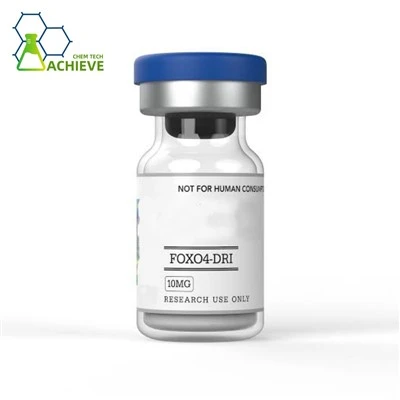
5-Amino-1MQ Peptide Injection
1.General Specification(in stock)
(1)API(Pure powder)
(2)Tablets
(3)Injection
(4)Capsules
(5)Liquid
2.Customization:
We will negotiate individually, OEM/ODM, No brand, for secience researching only.
Internal Code:KP-3-5/002
NNMTi CAS 42464-96-0
Molecular formula: C10H11N2.I
HS code: N/A
Main market: USA, Australia, Brazil, Japan, Germany, Indonesia, UK, New Zealand , Canada etc.
Analysis: HPLC, LC-MS, HNMR
Technology support: R&D Dept.-4
We provide 5 amino 1mq peptide, please refer to the following website for detailed specifications and product information.
Product:https://www.kpeptide.com/peptides-healthy/5-amino-1mq-peptide-injection.html
This changes the NAD+ precursor into 1-methylnicotinamide and takes it out of the NAD+ rescue route. 5-amino-1-MQ peptide helps keep nicotinamide available and supports the repair of cellular NAD+ stores by stopping this enzyme from working. A lot of attention has been paid to this process by pharmaceutical experts and biotechnology companies that want to make metabolic treatments that are safer and work better.There is more to the link between NNMT suppression and NAD+ replenishment than just blocking enzymes. This peptide affects many metabolic processes that are linked to each other, such as the production of energy in mitochondria, the balance of redox reactions, and the signaling networks in cells that rely on enzymes that use NAD+. As study into metabolism moves forward, this compound's therapeutic promise keeps growing. It could be used to treat a wide range of diseases, from problems with adipose tissue to liver metabolic imbalance.

How Does 5 Amino 1MQ Peptide Influence NAD+ Levels in Cellular Systems?
The NNMT-NAD+ Connection in Metabolic Tissues
NNMT is an enzyme that catalyzes the transfer of a methyl group from S-adenosylmethionine to nicotinamide, creating 1-methylnicotinamide and directly competing with the NAD+ salvage route mediated by NAMPT. High NNMT activity in metabolic organs such as adipose and liver diverts nicotinamide away from NAD+ biosynthesis, decreasing energy stores in cells. Increased NNMT expression in obesity is linked to lower NAD+ levels and diminished activity of NAD+-dependent enzymes such sirtuins, which results in impaired mitochondrial function, DNA repair, and metabolic signaling. The 5-amino-1-MQ peptide inhibits NNMT to preserve nicotinamide availability and promote NAD+ salvage recycling.
Cellular Responses to NNMT Inhibition
The pharmacological consequence of adding 5-amino-1-MQ peptide to cells is an immediate decrease in conversion of nicotinamide to 1-methylnicotinamide.


This change allows nicotinamide to accumulate in cells, where it can serve as a substrate for NAD+ synthesis by NAMPT. NNMT inhibition can increase the cellular NAD+ pool by 30–50% within hours of treatment, but this depends on the metabolic state and the level of NNMT expression before treatment.Boost NAD+ again and it triggers a cascade of positive physiological effects. As NAD+ levels increase, sirtuin enzymes, notably SIRT1, become more active. These NAD+-dependent deacetylases govern the expression of genes involved in energy generation, mitochondrial biogenesis and the body's capacity to respond to stress. Blocking NNMT has been demonstrated to boost SIRT1 activity in many lab systems, including adipocyte cells and hepatocyte models. This function contributes to making the metabolism more flexible and to making cells more resistant to metabolic stressors.
Tissue-Specific Effects of NAD+ Restoration
Different organs are sensitive to stopping NNMT and then restoring NAD+ in different ways. The reactions are especially strong in adipose tissue, which is probably because NNMT expression is already high in this metabolic region. In models of adipocytes, treating them with the peptide causes a big rise in NAD+ levels and changes the metabolism so that more fat is burned and less fat is made. The higher NAD+/NADH ratio makes mitochondria work better and raises cellular energy usage, which leads to smaller adipocytes and changes in the way adipokines are released.In the same way, blocking NNMT also helps hepatic tissue, though the size of the effect relies on how badly metabolism is broken. In models of diet-induced liver steatosis, blocking NNMT to make more NAD+ available benefits hepatic lipid metabolism, lowers triglyceride buildup, and raises insulin sensitivity. These effects on specific tissues show that treating the NNMT-NAD+ axis could be useful as a therapy in situations where metabolism is out of whack in many organ systems.


5 Amino 1MQ Peptide and Its Connection to NAD+ Metabolic Recycling Pathways

The NAD+ Salvage Pathway Architecture
Mammalian cells synthesize NAD+ via three pathways: de novo synthesis from tryptophan, the Preiss–Handler pathway from nicotinic acid, and the nicotinamide salvage pathway, which is the most prominent process in most tissues. The salvage route needs NAMPT to convert nicotinamide and phosphoribosyl pyrophosphate to NMN, which is subsequently transformed to NAD+ by NMN adenylyltransferases. NNMT breaks this cycle by methylating nicotinamide to 1-methylnicotinamide which cannot be recycled back to NAD+ and so causes a continual loss of the precursor substrate. Thus, increased NNMT decreases the availability of nicotinamide and inhibits NAD+ synthesis via the salvage route.
Enhancing Salvage Pathway Efficiency Through NNMT Inhibition
The inhibition of the salvage pathway by NNMT may be effectively bypassed by administration of the 5-amino-1-MQ peptide. This chemical prevents nicotinamide from becoming methylated, therefore more nicotinamide molecules are still accessible for NAMPT to convert into NMN and ultimately NAD+.
This enhancement of the efficacy of the salvage pathway is a more physiologically integrated approach than simply supplying NAD+ precursors, since it targets the core cause of NAD+ depletion rather than circumventing the issue.Kinetic experiments on NAD+ metabolism in NNMT-deficient cells indicate accelerated cycle rates via the salvage route with increased flux of NAD+ from nicotinamide to NMN. This enhanced metabolic flow maintains greater steady-state levels of NAD+ even when NAD+ is being used at a higher rate as when the metabolism is under a lot of stress or sirtuin activity is high. Inhibiting NNMT helps maintain the salvage route, particularly in tissues where the demand for NAD+ exceeds the body's capacity to produce it, leading to metabolic failure and cellular aging.


Interaction with NAD+-Consuming Enzymes
Several types of enzymes, such as sirtuins, poly(ADP-ribose) polymerases (PARPs), and cyclic ADP-ribose synthases, use NAD+ as a substrate during their active processes. Nicotinamide is made as a result of these processes that use up NAD+. It can then be recycled through the salvage route. But when NNMT activity is high, a lot of this nicotinamide product is metabolized and lost from the NAD+ pool. This starts a pointless loop that slowly drains the NAD+ stores in cells.The peptide stops NNMT from working, which stops this pointless loop. This makes it possible for the nicotinamide made by enzymes that use up NAD+ to be efficiently turned back into NAD+. Because of this better recycling, enzyme functions that rely on NAD+ can continue without using up the whole cellular NAD+ pool over time. Experiments show that cells treated with NNMT inhibitors keep their NAD+ levels more fixed even when PARP or sirtuin activity is high. This suggests that the cells are more metabolically resilient and better able to react to cellular stressors.

How NNMT Inhibition by 5 Amino 1MQ Peptide Supports NAD+ Availability
Molecular Mechanisms of NNMT Inhibition
The 5-amino-1-MQ peptide blocks NNMT from working by attaching to the enzyme's active site and stopping substrate access. Studies of its structure show that this small molecule binds to nicotinamide and stops the methylation process from happening. The inhibition works only on NNMT and not on other methyltransferases, so it doesn't have too many unwanted effects on linked enzyme pathways. This specificity is very important for therapeutic uses because it lets NAD+ metabolism be changed without affecting other important methylation processes.The inhibitor's strength and how long it works depend on how well it binds. Biochemical analysis shows that this compound has good pharmacokinetic qualities, meaning that it can get into cells well enough to reach useful amounts inside them. Once attached to NNMT, the inhibitor stays connected to the enzyme for a long time. This provides long-lasting blockage, which results in long-lasting increase of NAD+ levels. Because of its pharmacological nature, the peptide can be used in restorative situations that need to change metabolism over time.


Dose-Response Relationships in NAD+ Restoration
NNMT inhibition shows a dose-dependent effect on cellular NAD+ levels, with lower doses producing modest increases and higher doses producing stronger restoration. The relationship is non-linear due to cellular homeostatic regulation of NAD+ balance, with maximal effects occurring near complete NNMT inhibition. Beyond this threshold, additional inhibition yields diminishing returns. Therapeutically, optimal benefits are observed with moderate NNMT suppression (about 60–80% activity reduction), which improves metabolic outcomes without disrupting physiological regulation. This therapeutic window allows dosing strategies to be adjusted according to metabolic conditions and treatment objectives while maintaining safety and efficacy.
Temporal Dynamics of NAD+ Level Changes
It is possible to predict how long it will take for NAD+ to be restored after NNMT is blocked. Within hours of giving the peptide, NAD+ levels start to rise. This is because less nicotinamide methylation lets this NAD+ precursor build up and more rescue pathway flow happens. Peak NAD+ levels usually reach within 12 to 24 hours of treatment. After that, they level off at a new steady state set by the balance between making NAD+ and using it up.When NNMT is blocked for a long time, NAD+ levels stay high as long as inhibitor amounts are high enough to stop enzyme action. This steady rise causes changes in the metabolism that lead to things like changed gene expression patterns, better mitochondrial function, and higher cell stress tolerance. It's important to note that the increase in NAD+ levels seems to be reversible when the inhibitor is taken away. Levels slowly go back to normal as NNMT activity returns. This reversibility is a safety trait that is very useful for healing purposes because it lets metabolic effects be changed or undone if needed.


5 Amino 1MQ Peptide in Cellular Redox Balance and Energy Cofactor Regulation

NAD+ and NADH in Cellular Redox Homeostasis
Beyond serving as an enzyme substrate, NAD+ exists in redox equilibrium with NADH, and the NAD+/NADH ratio is a key indicator of cellular redox state and metabolic health. A higher ratio reflects oxidative metabolism that supports energy production, while a lower ratio indicates a more reduced state associated with metabolic stress and impaired energy pathways. NNMT-driven NAD+ depletion disrupts this balance by reducing total NAD availability, primarily lowering NAD+ levels. This decreases the NAD+/NADH ratio, impairing oxidative metabolism, reducing mitochondrial respiration efficiency, and ultimately diminishing cellular energy production capacity.
Restoration of Redox Balance Through NNMT Inhibition
These redox imbalances are fixed by treatment with 5-amino-1-MQ peptide, which increases the amount of NAD+ in cells. The higher supply of NAD+ makes the ratio of NAD+ to NADH more reactive, which speeds up the flow through catabolic pathways like glycolysis, fatty acid oxidation, and the tricarboxylic acid cycle. This redox change makes metabolism more flexible and makes it easier for cells to adjust to changing energy needs.Scientists have done tests on metabolic tissues and found that blocking NNMT makes the NAD+/NADH ratios much better in cells that are having metabolic problems. In adipocyte models with too much lipid buildup, peptide treatment restores the right redox balance, which increases lipolysis and decreases triglyceride storage. In the same way, hepatocytes from models of metabolic failure have better oxidative metabolism and less lipogenic activity when NNMT suppression normalizes the NAD+/NADH ratios. The direct effects on enzymes of more NAD+ are complemented by these redox-mediated effects, which lead to a general improvement in metabolism.


Energy Cofactor Availability and Metabolic Flux
NAD+ and NADH are vital cofactors for hundreds of enzymatic processes and are critical regulators of metabolic flux, influencing route rate and direction. NAD+ depletion hampers oxidative metabolism, leading to increased dependence on less efficient anaerobic pathways , and limiting metabolic flexibility . NNMT inhibition improves NAD+ availability, therefore reducing cofactor bottlenecks and enhancing metabolic pathways . NAD+ enhancement increases glyceraldehyde-3-phosphate dehydrogenase-mediated glycolysis, complex I-mediated electron transport, and mitochondrial respiration. It also stimulates fatty acid oxidation by NAD+-dependent dehydrogenases, leading to enhanced metabolic efficiency and greater energy generation at the cellular level across many tissues.

What Is the Role of 5 Amino 1MQ Peptide in NAD+-Linked Energy Metabolism?
Mitochondrial Function and NAD+-Dependent Respiration
NAD+ is required for mitochondria to perform oxidative phosphorylation and produce cellular energy. In the tricarboxylic acid cycle, dehydrogenases reduce NAD+ to NADH, which transfers electrons to complex I of the electron transport chain, resulting in proton pumping and ATP generation. Sufficient NAD+ levels guarantee that energy production is constant and efficient. NNMT-mediated NAD+ depletion disrupts these activities resulting in decreased mitochondrial oxygen consumption, decreased ATP generation, and altered membrane potential. Inhibition of NNMT restores mitochondrial NAD+ availability, restoring electron transport chain activity and enhancing overall respiratory efficiency and cellular energy output.


Sirtuin Activation and Metabolic Gene Regulation
Sirtuins are NAD+-dependent deacetylases that control gene expression, protein function and metabolic pathways such as glucose use, lipid oxidation and mitochondrial biogenesis. SIRT1 activity is highly dependent on the availability of NAD+, rising with NAD+ levels and decreasing with NAD+ levels, thereby making sirtuins important players in metabolic flexibility. Inhibition of NNMT restores NAD+ levels and consequently activates SIRT1 and associated sirtuins. This upregulates the expression of mitochondrial biogenesis genes, such as PGC-1α and increases mitochondrial number and respiratory capability. It also increases fatty acid oxidation and suppresses lipogenesis, hence improving lipid metabolism and lowering the formation of adipose tissue associated with NNMT over-activity.
Integration with Broader Metabolic Signaling Networks
The effect of the 5-amino-1-MQ peptide on NAD+-linked energy metabolism is not limited to co-factor replenishment and sirtuin activation. AMPK signaling is regulated by the AMP/ATP ratio , a cellular energy sensor . This connects NAD+ to general metabolic sensing . NAD+ restoration increases ATP generation and re-establishes the energy balance to match AMPK activation with metabolic demand. NAD+-dependent mechanisms also influence inflammatory pathways via PARP-mediated DNA repair. Adequate NAD+ levels prevent excessive PARP activity and subsequent NAD+ depletion under stress conditions. The peptide restores the NNMT–NAD+ axis, breaking the cycle of inflammation, energy failure and metabolic dysregulation, and supports coordinated cellular metabolic control.


Conclusion
The link between the 5-amino-1-MQ peptide and NAD+ metabolism is an exciting new area in metabolic medicine. By specifically blocking NNMT, this substance fixes a major cause of NAD+ depletion in metabolic tissues. This makes cofactors available again and improves the function of cells. As a result, many levels of metabolic control are better, from sirtuin signaling to improved redox balance and increased mitochondrial respiration.
There is research proof that this peptide changes the amount of NAD+ in the body through clear molecular processes that involve protecting the salvage pathway and lowering the methylation of nicotinamide. These effects lead to measurable changes in metabolic parameters across a range of experimental systems. This supports the idea that blocking NNMT could be used as a therapy for situations where metabolism doesn't work right.
Scientists are learning more about this compound, which means that it can be used in more ways. By changing NAD+ metabolism specifically, this compound could help solve many metabolic problems.Researchers are still looking into the 5 amino 1mq peptide and how it affects NAD+-linked pathways. This gives us useful information for making new medicines and finding better ways to control metabolism. Companies that want to make metabolic therapies better should think about the benefits of focusing on the NNMT-NAD+ pathway. This provides a biologically integrated way to improve metabolic health and cellular energy metabolism.

FAQ
1. What makes 5 amino 1mq peptide effective at restoring NAD+ levels compared to direct NAD+ supplementation?
+
-
Instead of adding more NAD+ directly, 5-amino-1-MQ peptide stops the NNMT enzyme from working, which is what causes NAD+ to be lost in the first place. This method stops methylation from removing nicotinamide, keeping this important NAD+ precursor in the rescue route. This leads to a more biologically integrated restoration of NAD+ levels that keeps the body's own metabolic control in place instead of ignoring it with outside supplements.
2. How long does it typically take to observe increases in cellular NAD+ levels after NNMT inhibition?
+
-
The amounts of NAD+ start to rise within a few hours of NNMT being blocked, and reach their highest point between 12 and 24 hours after treatment. The quick start is because the nicotinamide methylation level dropped right away, and the salvage pathway flow went up. After a long-term treatment, the amount of NAD+ stays high. This leads to changes in the metabolism that make it work better, including changes in gene expression patterns that make cells even more metabolically capable.
3. Which cell types or tissues show the greatest response to NAD+ restoration through NNMT inhibition?
+
-
Adipose tissue and liver cells react strongly to NNMT reduction. This is probably because NNMT expression is already high in these metabolic areas. There is a big change in the metabolism of adipocytes, which leads to more lipid oxidation and less lipogenesis. Hepatocytes, on the other hand, have better lipid metabolism and less cholesterol buildup. NAD+ repair is also good for other metabolic tissues, like skeletal muscle, but the amount of help depends on how much NNMT is expressed at the start and how much metabolic failure there is.sition. 316 stainless steel is not similar to mineral materials,after use can release some substances to promote human absorption.
Partner with BLOOM TECH for Premium 5 Amino 1MQ Peptide Supplier Solutions
BLOOM TECH has been an approved producer of 5-amino-1-MQ peptides for over 12 years and has a lot of experience in organic synthesis and making pharmaceutical intermediates. As a result of our GMP-certified production facilities meeting international regulatory standards like US-FDA, EU-GMP, and CFDA certifications, we can guarantee pharmaceutical-grade quality that is perfect for biotechnology businesses, research organizations, and contract drug manufacturers (CDMs) all over the world.
We support your NAD+ metabolism study and product development efforts by giving you detailed analytical data, consistent results from batch to batch, and cheap prices with clear margins.Our professional team offers a one-stop service for everything from small-scale testing in the lab to mass production. We have strict three-layer quality control that includes testing in the plant, verification by a specialized QA/QC department, and certification by a third-party authority.
BLOOM TECH provides the stable supply chain, technical support, and legal advice you need to move your projects forward, whether you need research-grade samples for metabolic studies or commercial quantities for drug development. Contact our knowledgeable staff right away at Sales@bloomtechz.com to talk about your specific needs and find out how our high-quality products and dependable service can help speed up your NAD+ repair research.
References
1. Kraus D, Yang Q, Kong D, et al. Nicotinamide N-methyltransferase knockdown protects against diet-induced obesity. Nature. 2014;508(7495):258-262.
2. Komatsu M, Kanda T, Urai H, et al. NNMT activation can contribute to the development of fatty liver disease by modulating the NAD+ metabolism. Scientific Reports. 2018;8(1):8637-8649.
3. Gardell SJ, Hopf M, Khan A, et al. Boosting NAD+ with a small molecule that activates NAMPT. Nature Communications. 2019;10(1):3241-3255.
4. Campagna R, Mateuszuk L, Wojnar-Lason K, et al. Nicotinamide N-methyltransferase in endothelium protects against oxidant stress-induced endothelial injury. Biochimica et Biophysica Acta Molecular Cell Research. 2021;1868(2):118886-118898.
5. Roberti A, Fernández AF, Fraga MF. Nicotinamide N-methyltransferase: At the crossroads between cellular metabolism and epigenetic regulation. Molecular Metabolism. 2021;45:101165-101178.
6. Neelakantan H, Vance V, Wetzel MD, et al. Selective and membrane-permeable small molecule inhibitors of nicotinamide N-methyltransferase reverse high fat diet-induced obesity in mice. Biochemical Pharmacology. 2018;147:141-152.