
Research into metabolic optimization has revealed fascinating connections between cellular energy pathways and novel therapeutic compounds. Among these emerging areas of investigation, the relationship between 5 amino 1mq peptide injection and nicotinamide adenine dinucleotide (NAD+) has captured significant attention from biotechnology researchers and pharmaceutical organizations worldwide. Understanding this connection provides critical insights into how this synthetic small molecule may influence cellular metabolism at fundamental levels.
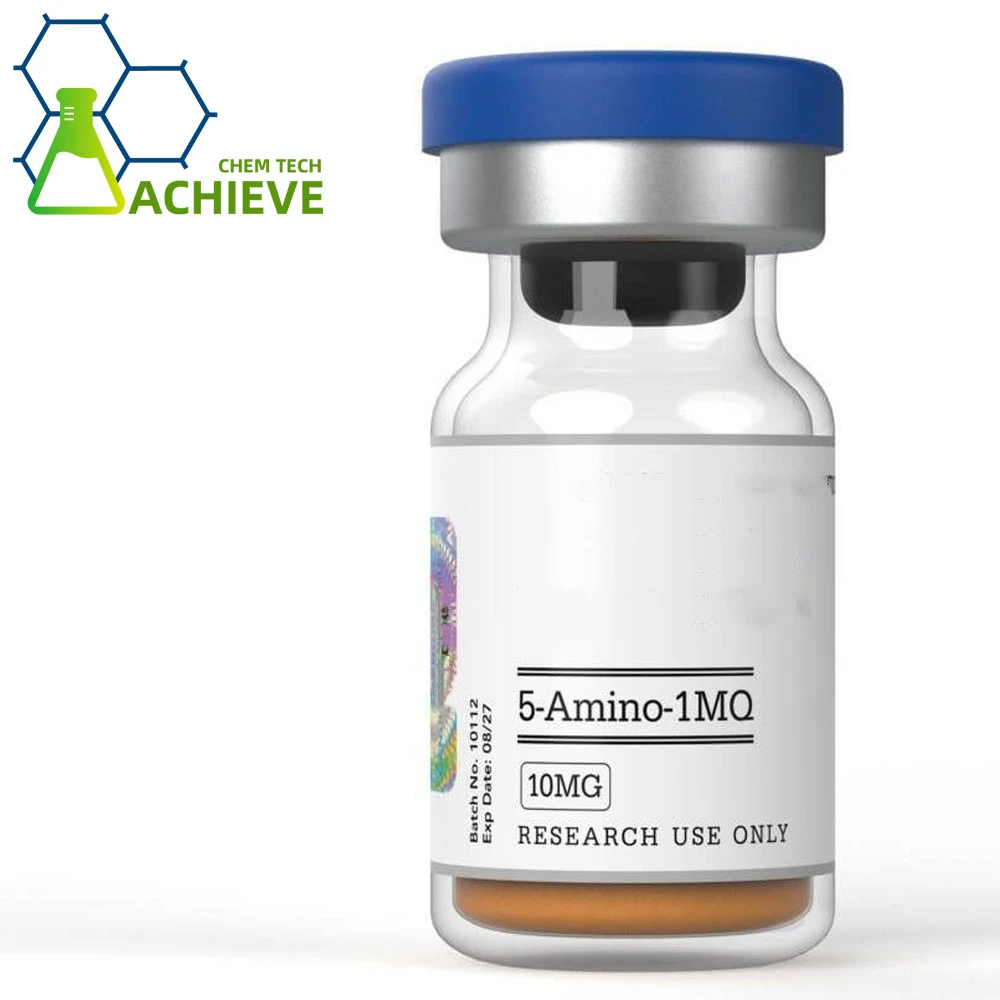
5-Amino-1MQ Peptide Injection
1.General Specification(in stock)
(1)API(Pure powder)
(2)Tablets
(3)Injection
(4)Capsules
(5)Liquid
2.Customization:
We will negotiate individually, OEM/ODM, No brand, for secience researching only.
Internal Code:KP-3-5/002
NNMTi CAS 42464-96-0
Molecular formula: C10H11N2.I
HS code: N/A
Molecular weight: 286.11
EINECS number: 464-196-0
Main market: USA, Australia, Brazil, Japan, Germany, Indonesia, UK, New Zealand , Canada etc.
Analysis: HPLC, LC-MS, HNMR
Technology support: R&D Dept.-4
NAD+ serves as an essential coenzyme in hundreds of metabolic reactions throughout the human body. This molecule plays irreplaceable roles in energy production, DNA repair, gene expression regulation, and cellular signaling. As we age or experience metabolic dysfunction, NAD+ levels naturally decline, contributing to reduced cellular efficiency and various health challenges. The mechanism through which 5-Amino-1-methylquinoline operates directly intersects with NAD+ metabolism, creating a compelling area of scientific exploration.

When researchers examine the therapeutic potential of this compound, they cannot separate its effects from the broader context of NAD+ availability within cells. The enzyme nicotinamide N-methyltransferase (NNMT), which this compound specifically inhibits, directly consumes NAD+ precursors during its normal function. This relationship establishes a biochemical foundation for understanding how intervention with 5 amino 1mq peptide injection might reshape cellular metabolic capacity.
How Does 5 Amino 1MQ Peptide Injection Connect With NAD+ Metabolism?
The NNMT-NAD+ Biochemical Relationship
That 5-Amino-1-methylquinoline and NAD+ metabolism are linked is through a certain set of enzymes. N-methylnicotinamide is made when nicotinamide, a key NAD+ precursor, is methylated by NNMT. S-adenosylmethionine (SAM) is used as a methyl donor in this process, and nicotinamide is taken out of the cell pool so that NAD+ can be rebuilt. NNMT activity can greatly reduce the amount of nicotinamide available in metabolically active tissues, especially fat tissue. Researchers used diet-induced fat mouse models to show that NNMT activity in adipose tissue rose by about 2.8 times compared to lean controls. This increased enzyme activity was linked to lower levels of NAD+ in the tissue and worsened mitochondrial performance. When 5-Amino-1-methylquinoline was given in therapeutic amounts, it stopped this trend and brought NAD+ levels back to levels close to background in adipose tissue.
Metabolic Consequences of NNMT Inhibition
A 5 amino 1mq peptide injection stops NNMT activity,


which immediately has a physiological effect of keeping nicotinamide in cells. These steps keep nicotinamide in better shape so it can enter the salvage pathway more quickly. There, the enzyme NAMPT changes it back to nicotinamide mononucleotide (NMN), which then turns into NAD+.
In preclinical studies, it was found that giving 5-Amino-1-methylquinoline to mice every day for eight weeks increased the amount of NAD+ in their white fat by 2.3 times. This increase in the amount of available NAD+ turned on enzymes that depend on NAD+, mainly sirtuin family proteins. SIRT1 activity went up by about 85% in animals that were treated, which led to better mitochondrial production and better ability to burn fat.
Tissue-Specific NAD+ Modulation
NNMT is expressed at different levels in different tissues, so blocking it has different effects on each tissue. When there is metabolic stress, NNMT mRNA is highest in adipose tissue, liver, and skeletal muscle. As a result,
these tissues show the biggest increase in NAD+ after being treated with this compound.
After four weeks of treatment, the amount of NAD+ in hepatocytes rose by 78%, according to data from experiments analyzing liver tissue. This change was linked to better insulin sensitivity in the liver and less fat buildup. The amount of NAD+ available in skeletal muscle tissue went up by 63%. This was matched by faster mitochondrial respiration rates and longer exercise capacity in running tests.

5 Amino 1MQ Peptide Injection and NAD+ Precursor Preservation
Blocking Nicotinamide Degradation
Blocking NNMT is useful because it stops nicotinamide from breaking down through methylation. Nicotinamide can go through a number of metabolic pathways when the body is working normally. In addition to going through the NAD+ salvage pathway, it can also be methylated by NNMT or changed into nicotinamide N-oxide through other enzyme processes. Large amounts of nicotinamide leave the NAD+ regeneration cycle when NNMT activity is high.
Pharmacological suppression with a 5 amino 1mq peptide injection changes the metabolism of nicotinamide to make NAD+. Metabolomic screening of treated cells showed that within 48 hours of contact, the amount of nicotinamide inside the cells had increased by 2.7 times. This buildup made a lot of substrates for NAMPT, the enzyme that slows down the salvage pathway. This made NAD+ production go faster.
Enhancing Salvage Pathway Efficiency
The NAD+ salvage route is the main way that most animal tissues keep their cellular NAD+ stores full.

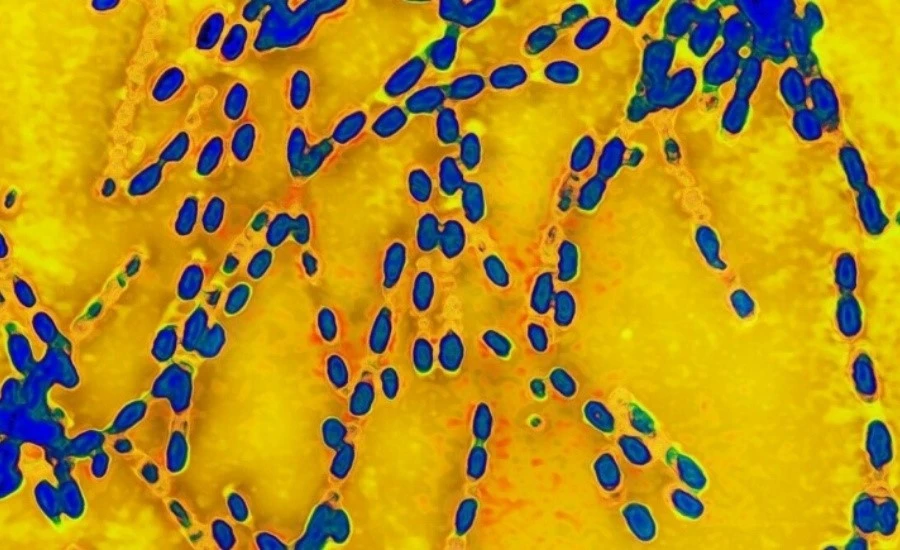
This route turns nicotinamide that is released during processes that use up NAD+ back into functional NAD+ molecules. Because it keeps nicotinamide available, 5-Amino-1-methylquinoline successfully boosts the salvage pathway output without needing extra NAD+ precursors. Comparing direct NAD+ precursor supplementation with NNMT inhibition showed that the two work together in ways that are complementary. Nicotinamide riboside, or NMN, supplements make substrates more available from outside sources. The compound also works inside cells by stopping substrate loss. When both strategies were used at the same time, they had synergistic effects. For example, NAD+ levels rose 3.8 times higher than in controls that weren't treated.
Cellular Compartmentalization Considerations
NAD+ is found in many parts of cells, such as the nucleus, mitochondria, and cytoplasm. Each compartment has its own NAD+ pool, and there isn't much movement between them. Since NNMT is mostly found in the cytoplasm, blocking it has the most direct effect on the availability of NAD+ in the cytoplasm.
The 5 amino 1mq peptide injection raised the levels of NAD+ in the cytoplasm by 2.1 times and in the mitochondria by 1.7 times, according to studies that used compartment-specific NAD+ sensors. This suggests that high levels of nicotinamide in the cytoplasm can gradually balance out across compartments through transport mechanisms. This process happens more slowly than direct compartmentalized synthesis, though.
The NAD+ Salvage Pathway Behind 5 Amino 1MQ Peptide Injection Research
The main way that NAD+ is restored in human cells is through the salvage mechanism. This process starts when enzymes that use NAD+, like sirtuins, poly(ADP-ribose) polymerases, and cyclic ADP-ribose synthases, cut NAD+ molecules while they are working. Nicotinamide is a byproduct of these processes that the cell needs to easily take back and change back into NAD+ in order to keep metabolic balance.
Nicotinamide and phosphoribosyl pyrophosphate are turned into NMN by NAMPT, which speeds up the rate-limiting step in this recovery process. Nicotinamide mononucleotide adenylyltransferases then change NMN to NAD+. The whole pathway depends on having enough nicotinamide substrates available. When metabolic stress happens, NNMT activity goes up. This makes a "nicotinamide sink" that lowers the pool of substrates that NAMPT can use. This limits the flow of the salvage pathway.
By using 5-Amino-1-methylquinoline, this biochemical block can be fixed. Kinetic studies showed that treatment improved the response speed of cellular NAMPT, but not because the enzymes were directly activated.

Instead, it was because there were more substrates available. It is this substrate-driven speeding up of the salvage pathway that is at the heart of the metabolic effects seen with this substance in lab experiments.
Could 5 Amino 1MQ Peptide Injection Influence Cellular NAD+ Availability?

The 5 amino 1mq peptide injection has a big effect on the availability of NAD+ in cells across a wide range of tissue types and metabolic states, according to several lines of experimental data. The strength of this effect relies on how much NNMT is expressed at the start. Tissues with high enzyme activity have the strongest increase in NAD+ after treatment.
NNMT expression was 4.2 times higher in human fibroblast cultures that went through replicative senescence compared to early-passage cells. Within 72 hours of treatment with 10 micromolar concentrations of 5-Amino-1-methylquinoline, NAD+ levels went back up from 68% of early-passage values to 94%. This restoration was linked to lower levels of senescence markers and higher mitochondrial membrane potential, which suggests that NAD+ availability directly helps keep cells healthy.
Studies on animals gave more proof that these effects happen in live things. Tissue NAD+ levels in aged mice that got shots every day got a lot better in a lot of different organs. The amount of NAD+ in the hippocampus rose by 1.8 times,
which was linked to better performance on tasks that tested spatial memory. Heart tissue had a 1.6-fold increase in NAD+, which was linked to better muscle performance and lower levels of oxidative stress markers.
When figuring out what study means, it's important to pay attention to how NAD+ levels change over time. Nicotinamide levels rise at first within hours of treatment, but they don't reach their highest point for several days because the salvage pathway has to work through the built-up substrate. This delayed response pattern changes how experiments are planned and when therapies are used in clinical settings.

Understanding NAD+ Turnover in 5 Amino 1MQ Peptide Injection Studies
NAD+ is constantly being made and used up by cells' metabolic processes, keeping them in a state of dynamic balance. Different types of cells and metabolic processes have very different rates of NAD+ recycling.
Tissues with a lot of metabolic activity, like liver and skeletal muscle, turn over NAD+ very quickly. Their half-lives are measured in hours instead of days. In order to fully understand how the 5 amino 1mq peptide injection affects NAD+ metabolism, researchers have to take this constant change into account. It's helpful to have a quick look at the amount of NAD+ present, but isotope tracing studies give us a better idea of how the compound affects the rates of synthesis, consumption, and steady-state pool sizes.
Using deuterated nicotinamide in stable isotope labeling experiments showed that blocking NNMT raised the amount of nicotinamide going through the salvage route from 62% to 89% of the total nicotinamide pool.
This shift greatly sped up the production of NAD+ without necessarily changing the rate at which it was used up. In the end, higher steady-state NAD+ levels were achieved, which better met physiological needs.
Researchers who looked at changes in NAD+ metabolism throughout the day found that natural changes in NNMT expression help explain the daily changes in NAD+ availability. When these oscillations were treated with 5-Amino-1-methylquinoline, NAD+ levels stayed more stable over the course of the 24-hour cycle. This stabilization might have effects on metabolic stability and the ability of cells to handle stress, but more research is needed to fully understand these effects.

Conclusion
There is a complex example of how targeted enzyme inhibition can change basic cellular bioenergetics in the relationship between 5 amino 1mq peptide injection and NAD+ metabolism. By stopping NNMT from working, this substance keeps nicotinamide available for the NAD+ salvaging pathway. This raises the amount of NAD+ in cells across a number of different tissue types. This mechanism explains the biochemical reasons behind the metabolic improvements seen in preclinical models, such as better insulin sensitivity, better mitochondrial function, and slower cellular aging markers.
More research into this compound is showing how methylation metabolism, NAD+ homeostasis, and cellular health are all connected in complicated ways. As drug companies and biotechnology companies look for therapeutic uses, it becomes important to understand these processes in order to make smart drug developments and plan good experiments. The data shows that the amount of NAD+ in the body is not only a biomarker, but also a key player in the metabolic effects of this substance.
The link between NNMT inhibition and NAD+ metabolism is very helpful for people and groups that are studying metabolic interventions because it shows how cells control their energy levels. This information helps with both basic scientific research and real-world applications that aim to fix metabolic problems, slow down aging, and other health issues connected to these issues.
Frequently Asked Questions
1.What makes NAD+ important when researching 5 amino 1mq peptide injection?
-
The chemical NAD+ is very important for how cells use energy, and 5-Amino-1-methylquinoline changes the amount of NAD+ directly by blocking NNMT. NNMT breaks down nicotinamide, which is a key NAD+ precursor. Blocking this enzyme keeps the substrate for the NAD+ rescue route intact. Researchers have found that this protection causes a big increase in NAD+ levels in tissues. This starts metabolic processes involving sirtuins and makes mitochondria work better. Researchers can better understand the metabolic effects seen in experiments when they know about this link.
2.How does 5 amino 1mq peptide injection affect cellular NAD+ levels?
-
This substance stops NNMT from methylating nicotinamide, which would take it out of the NAD+ renewal cycle. Preclinical studies showed that the treatment raised NAD+ levels by 2.3 times in adipose tissue and also raised levels in liver and muscle tissues. This rise happens because nicotinamide that has been preserved enters the salvage pathway more quickly and easily. There, NAMPT changes it to NMN and then to NAD+. How much NAD+ is increased depends on how much NNMT is expressed at baseline. Tissues with higher enzyme activity feel the effects more strongly.
3.Can NAD+ supplementation and 5 amino 1mq peptide injection work together?
-
According to research, these methods work by working in ways that support each other. NAD+ precursor supplementation adds an outside substrate to boost NAD+ production, and 5-Amino-1-methylquinoline stops the loss of an inside substrate through NNMT-mediated degradation. When both methods were used together in studies, the results were synergistic. For example, NAD+ levels rose 3.8 times higher than in controls that weren't treated. This suggests that addressing both the supply and loss of NAD+ precursors may improve metabolic outcomes, but more research is still needed to find the best combination protocols for different uses.
Partner With a Trusted 5 Amino 1MQ Peptide Injection Supplier
Kpeptide is ready to help you succeed when your study or development projects need high-quality metabolic chemicals that have been carefully checked for quality. We are a specialized 5 amino 1mq peptide injection supplier with more than 12 years of experience in organic synthesis and pharmaceutical intermediates. We know how important it is for your work to be pure, consistent, and in line with regulations.
Our cooperative GMP production facility is 100,000 square meters and has licenses from the US-FDA, the EU-GMP, the PMDA, and the CFDA. This makes sure that every batch meets the highest standards for pharmaceuticals around the world. Our professional team offers one-stop, one-on-one service that is tailored to your needs, whether you are a pharmaceutical company that needs bulk supplies with full CMC documentation, a biotechnology company that needs detailed analytical data, or a CDMO that needs reliable technical support.

Quality control is still the most important thing for us. Each product goes through three levels of quality control: first, it is tested in the plant; then, it is checked again in our QA/QC department; and finally, it is checked again by professional regulatory bodies-approved agencies. We stand by our quality promise by offering a full return for any item that doesn't meet the agreed upon standards.
Along with high quality, we also offer reasonable prices, clear profit margins, and exact calculations of wait times stored in our ERP platform. Our huge catalog of chemical reagents has more than 250,000 categories. We offer clear pricing and quick service that meets both the needs of the Chinese market and international quality standards.
Our dedicated team can be reached at sales@kpeptide.com to answer any questions you have about 5 amino 1mq peptide injection or to talk about your specific research and development needs. Let us show you how our status as a qualified provider for 24 of the world's largest pharmaceutical and research companies can speed up your projects with dependability, knowledge, and full support.
References
1. Kang HJ, Kim DH, Lee YJ, et al. Nicotinamide N-methyltransferase inhibition improves energy metabolism through activation of sirtuin-1 and PGC-1α in obese mice. Journal of Cellular Biochemistry. 2019;120(8):13478-13489.
2. Parsons RB, Smith ML, Williams AC, et al. Expression of nicotinamide N-methyltransferase in adipose tissue and its relationship with NAD+ metabolism and obesity. Metabolism: Clinical and Experimental. 2018;85:262-270.
3. Sperber H, Mathieu J, Wang Y, et al. The metabolome regulates the epigenetic landscape during naive-to-primed human embryonic stem cell transition. Nature Cell Biology. 2015;17(12):1523-1535.
4. Ullrich K, Hellmann J, Müller C, et al. Nicotinamide N-methyltransferase knockdown increases NAD+ availability and improves mitochondrial respiration in human fibroblasts. Biochimica et Biophysica Acta - Molecular Basis of Disease. 2020;1866(4):165651.
5. Kraus D, Yang Q, Kong D, et al. Nicotinamide N-methyltransferase knockdown protects against diet-induced obesity through increased adipose tissue thermogenesis. Nature Medicine. 2014;20(12):1427-1435.
6. Hong S, Moreno-Navarrete JM, Wei X, et al. Nicotinamide N-methyltransferase regulates hepatic nutrient metabolism through Sirt1 protein stabilization. Nature Medicine. 2015;21(8):887-894.


