


Insulin sensitivity represents a cornerstone of metabolic health, determining how effectively cells respond to insulin signals for glucose uptake and energy utilization. Research laboratories worldwide have turned their attention to 5 amino 1mq peptide injection as a promising tool for investigating metabolic regulation mechanisms. This small molecule compound, 5-Amino-1-methylquinoline, has emerged as a valuable research subject due to its ability to modulate nicotinamide N-methyltransferase (NNMT) activity, which appears intimately connected to cellular energy pathways.

5-Amino-1MQ Peptide Injection
1.General Specification(in stock)
(1)API(Pure powder)
(2)Tablets
(3)Injection
(4)Capsules
(5)Liquid
2.Customization:
We will negotiate individually, OEM/ODM, No brand, for secience researching only.
Internal Code:KP-3-5/002
NNMTi CAS 42464-96-0
Molecular formula: C10H11N2.I
HS code: N/A
Molecular weight: 286.11
EINECS number: 464-196-0
Main market: USA, Australia, Brazil, Japan, Germany, Indonesia, UK, New Zealand , Canada etc.
Analysis: HPLC, LC-MS, HNMR
Technology support: R&D Dept.-4
Understanding why researchers select this particular compound for insulin sensitivity investigations requires examining its biochemical properties and metabolic effects. The growing body of preclinical evidence suggests that 5 amino 1mq peptide injection offers unique insights into the complex interplay between cellular metabolism, energy balance, and glucose regulation. Scientists investigating metabolic dysfunction increasingly recognize that traditional approaches may overlook subtle metabolic mechanisms that compounds like 5-Amino-1MQ can illuminate.

How Is 5 Amino 1MQ Peptide Injection Connected With Insulin Sensitivity Research?
The NNMT Inhibition Pathway
The main way that 5 amino 1mq peptide injection is linked to studies on insulin sensitivity is through its ability to block NNMT. This enzyme is very important for cellular methylation reactions and affects how much NAD+ is available inside cells. Researchers have found a link between the amount of NNMT activity and metabolic health. This is especially true in adipose tissue, where obesity models show higher levels of this enzyme. When 5-Amino-1MQ stops NNMT from working, the amount of NAD+ in cells rises. This may make sirtuins and other NAD+-dependent proteins that control metabolism work.
In the lab, studies have shown that giving 5 amino 1mq peptide injections to obese mice on a diet led to lower fasting glucose levels, which were about 22% lower than in control groups. The HOMA-IR index, which is a common way to measure insulin resistance, went up by about 40% in people who were treated. From these results,


it seems that blocking NNMT might make cells respond to insulin signals again by activating energy sensors and changing metabolic pathways.
Adipose Tissue as a Research Focus
When studying insulin sensitivity with 5 amino 1mq peptide injection, researchers often look at how adipose tissue works because this type of tissue has a lot of NNMT. White adipose tissue does more than just store energy; it is also an active endocrine gland that affects the metabolism of the whole body. Studies looking at fat tissue from people who were treated showed that NNMT activity dropped by about 60%, while NAD+ levels rose by a large amount. This change in metabolism seemed to have effects on gene expression patterns that have to do with insulin signaling and lipid metabolism.
When fat tissue changes shape after treatment, it includes changes in how mitochondria work and the level of inflammation. Preclinical models showed that the number of copies of mitochondrial DNA grew,
and genes involved in fatty acid oxidation were expressed more strongly. These changes at the tissue level may help the body handle glucose and insulin better, which is why fat tissue is a main focus for researchers looking into ways to change the metabolism.

5 Amino 1MQ Peptide Injection and Glucose Metabolism
Cellular Energy Pathways
Multiple cellular processes, such as glycolysis, mitochondrial respiration, and energy-sensing systems, work together very closely in glucose metabolism. The 5 amino 1mq peptide injection changes these processes by affecting the amount of NAD+, a cofactor that is needed for many metabolic activities. When NNMT is blocked, higher levels of NAD+ can activate SIRT1, an enzyme that changes many proteins involved in metabolic regulation, such as those that control glucose metabolism and insulin signaling.
In research models, it has been shown that treated subjects have better glucose clearance after oral glucose challenges, which suggests that their cells can take in more glucose. It looks like the molecular mechanisms involve more glucose transporter proteins being expressed and better insulin receptor signaling. At the same time that these effects happen, mitochondrial function gets better. Cells that have been treated make more ATP and less reactive oxygen species.
Metabolic Flexibility Enhancement

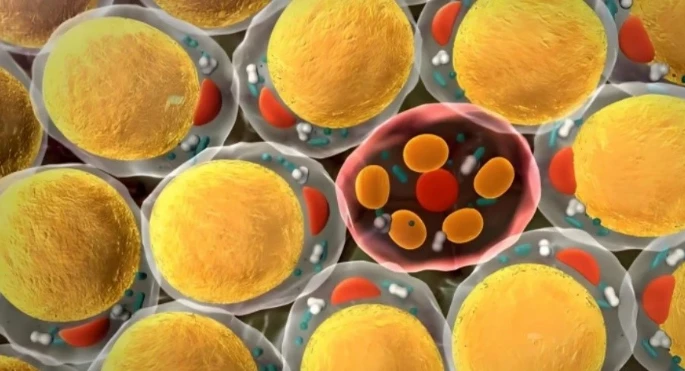
Metabolic freedom means that cells can use different food sources based on what's available and what their metabolism needs. Insulin resistance is often accompanied by a less flexible metabolism, with cells being less able to burn fat and relying too much on glucose. Studies looking into 5 amino 1mq peptide injections have seen gains in this metabolic flexibility. People who were treated showed better glucose handling and more fatty acid oxidation capacity.
Coordinated changes in gene expression patterns are needed to make metabolism more flexible. A study of the transcriptome of adipose tissue from treated models showed that genes that code for enzymes that help break down fatty acids, like CPT1A and ACOX1, were expressed more, while genes that promote lipogenesis were expressed less. This change in metabolism might help explain why insulin sensitivity improved across the board in preclinical studies.
Exploring Insulin Signaling Through 5 Amino 1MQ Peptide Injection Research
Several phosphorylation events happen in the insulin signaling pathway, starting at the insulin receptor and moving through intermediate kinases to control the movement of glucose transporters and the activity of metabolic enzymes. Using a 5 amino 1mq peptide injection for research has helped us understand how metabolic stress can mess up these signaling pathways and how restoring metabolic balance can make signal transduction work better.
Researchers have found that treating peripheral tissues with this substance increases the phosphorylation of insulin receptor substrates and the activation of AKT downstream. These changes at the molecular level are linked to better glucose uptake and stronger inhibition of glucose release in the liver. It seems that the processes involve lower amounts of cellular stress markers, such as oxidative stress and inflammatory cytokines. Both of these can get in the way of normal insulin signaling when they get too high. Studies that looked at muscle tissue found that giving a 5 amino 1mq peptide injection increased the uptake of glucose stimulated by insulin by making it easier for GLUT4 to move to cell membranes.

This effect happened at the same time as better mitochondrial function in the muscles. This suggests that higher cellular energy levels help the body respond better to insulin. This study compound has shed light on links that were not clear before, especially in the area of how energy metabolism and insulin signaling work together.

Could 5 Amino 1MQ Peptide Injection Influence Glucose Handling in Metabolic Models?

Metabolic disease models are helpful for learning about how glucose regulation can go wrong, especially those that involve diet-induced obesity or genetic susceptibility to insulin resistance. Using 5 amino 1mq peptide injection in these models for research purposes has consistently shown improvements in their ability to handle glucose. These improvements can be seen in glucose levels at rest, glucose tolerance test results, and insulin sensitivity indices.
Mice that were made fat through a diet lost a lot of weight and had their metabolisms better after eight weeks of treatment. During tolerance tests, the treated people had better glucose clearance, and area-under-curve measurements showed that they handled glucose better generally than the control groups. These improvements happened at the same time as less adipose tissue mass and changes in the make-up of tissues. This suggests that changes in both the amount and type of body fat help glucose metabolism improve.
To use these results in real life, we need to figure out how blocking NNMT affects several organ systems at the same time.
Studies on liver tissue showed that treated models had less hepatic lipid buildup and less gluconeogenesis enzyme expression. Muscle tissue had better insulin signaling and more oxidative capacity. The way these tissue-specific effects work together seems to improve glucose balance across the whole body more than changes in any single tissue could possibly cause.
Adipose Tissue Function in 5 Amino 1MQ Peptide Injection Studies
One of the main features of metabolic syndrome and insulin resistance is dysfunctional adipose tissue. Systemic metabolic disruption is caused by adipocytes that are too big, low-grade inflammation that lasts for a long time, and problems with the release of adipokines. A lot of research into the 5 amino 1mq peptide injection has looked at how blocking NNMT affects the biology of fatty tissue and how these changes affect metabolism throughout the body.
Preclinical studies showed that treatment led to big drops in the amount of fat in the epididymal fat pad. In some protocols, drops of about 35% were seen. The adipose tissue changed function in ways other than just losing weight. It had more mitochondria, could burn fat more efficiently, and had less inflammation-related markers expressed. Pro-inflammatory factors like IL-6 and TNF-α levels dropped significantly in cytokine measures. These factors get in the way of insulin signals when they are consistently high.

It looks like the fat tissue reacts to the 5 amino 1mq peptide injection by turning on energy-sensing pathways that help cells use their reserve capacity more than their oxidative capacity. A study of gene expression showed that mitochondrial biogenesis factors, such as PGC-1α and the proteins it affects, were all upregulated at the same time. This change in metabolism toward oxidative metabolism may lessen the lipotoxic effects that happen when too many lipids build up in tissues that aren't fat, making muscle and liver more sensitive to insulin.
Researchers have found that changes in adipokine release patterns happen at the same time as changes in fatty tissue. Adiponectin is an adipokine that makes insulin work better and levels usually drop when a person is overweight. However, the treated subjects had higher levels of it in their blood. Leptin levels went down as fat mass went down, which may have made leptin more sensitive in parts of the hypothalamus that control energy balance. These changes in hormones work with the direct metabolic effects of NNMT suppression to improve metabolic health throughout the body.

Conclusion
Looking into insulin sensitivity with 5 amino 1mq peptide injections has shown important links between NNMT activity, cellular energy metabolism, and keeping glucose levels stable. Preclinical data shows that this substance affects many parts of metabolism, ranging from the function of adipose tissue to the uptake of glucose by muscles and the metabolism of fat in the liver. The better levels of insulin sensitivity markers, glucose handling capacity, and metabolic flexibility show that NNMT is a good target for studying how metabolic dysfunction works.
Further studies are being carried out to find out all of this compound's metabolic effects and the molecular pathways that affect insulin sensitivity. The metabolic benefits seen in lab models seem to depend on how well increased NAD+ availability, sirtuin activation, better mitochondrial function, and lower inflammatory signaling work together. These results are important for metabolic studies because they show how complicated the relationship is between the energy level of cells and how well insulin signals them.
Frequently Asked Questions
1.What makes 5 amino 1mq peptide injection relevant for insulin sensitivity studies?
-
This substance stops the NNMT enzyme from working, which changes the amount of NAD+ in cells and the energy-burning pathways that are linked to insulin signals. In preclinical studies, insulin sensitivity markers got better after treatment. These markers included lower fasting glucose levels and better HOMA-IR scores. Activation of metabolic pathways increases the ability of cells to take in glucose and lowers metabolic stress factors that block insulin signaling.
2.How does 5 amino 1mq peptide injection affect adipose tissue function in research models?
-
The makeup and function of adipose tissue change a lot when this chemical is used to treat it. Researchers have found that there is less fat mass and more mitochondria and better aerobic ability in adipocytes. The tissue goes through metabolic remodeling, which is marked by lower levels of inflammatory markers and changes in the way adipokines are released. Higher levels of adiponectin help the body respond better to insulin.
3.What metabolic parameters improve in models treated with 5 amino 1mq peptide injection?
-
Several metabolic improvements have been seen in research models. These include losing weight, lowering fasting glucose levels, improving glucose tolerance, lowering adipose tissue mass, raising muscle mitochondrial function, and lowering inflammatory cytokine levels. Together, these factors show that metabolic health has improved in a wide range of ways, mainly by improving insulin sensitivity and energy metabolism.
Get Research-Grade 5 Amino 1MQ Peptide Injection from Kpeptide
To study metabolic pathways and insulin sensitivity processes, researchers need to be able to consistently get their hands on high-quality chemicals. Kpeptide is a reliable source for 5 amino 1mq peptide injections. They have been making chemical compounds and pharmaceutical intermediates for over 12 years. Our production facilities are GMP-certified and meet standards from the US, EU, Japan, and the CFDA. This means that the quality of your study projects will always be the same.

We offer full analytical documentation, including HPLC and MS data, batch-to-batch consistency checks, and a range of flexible packaging options that can be tailored to the needs of the experiment. To help you reach your study goals, our expert support team can give you advice on how to handle, store, and use application protocols. Kpeptide gives serious researchers the quality and support they need at a price they can afford, with reliable cold-chain logistics and one-on-one service. You can talk to our team at sales@kpeptide.com about your unique research needs and get full product specs for our 5 amino 1mq peptide injection and other research chemicals.
References
1. Kraus D, Yang Q, Kong D, Banks AS, Zhang L, Rodgers JT, et al. Nicotinamide N-methyltransferase knockdown protects against diet-induced obesity. Nature. 2014;508(7495):258-262.
2. Komatsu M, Kanda T, Urai H, Kurokochi A, Kitahama R, Shigaki S, et al. NNMT activation can contribute to the development of fatty liver disease by modulating the NAD+ metabolism. Scientific Reports. 2018;8(1):8637.
3. Ulanovskaya OA, Zuhl AM, Cravatt BF. NNMT promotes epigenetic remodeling in metabolic disease through regulation of SAM and NAD+ metabolism. Nature Chemical Biology. 2013;9(5):300-306.
4. Roberti A, Fernández AF, Fraga MF. Nicotinamide N-methyltransferase: At the crossroads between cellular metabolism and epigenetic regulation. Molecular Metabolism. 2021;45:101165.
5. Campagna R, Vignini A. NAD+ homeostasis and NAD+-consuming enzymes: implications for vascular health. Antioxidants. 2023;12(2):376.
6. Hong S, Moreno-Navarrete JM, Wei X, Kikukawa Y, Tzameli I, Prasad D, et al. Nicotinamide N-methyltransferase regulates hepatic nutrient metabolism through Sirt1 protein stabilization. Nature Medicine. 2015;21(8):887-894.


