


As scientists started exploring ways to optimise metabolism and how cells age, they stumbled into something rather remarkable: an enzyme called nicotinamide N-methyltransferase (NNMT) seemed to be a major player in how our cells react to energy and ageing signals. This finding opened an interesting door in metabolism research and resulted in 5 amino 1mq peptide injection being developed as a precise method to control this crucial enzyme.
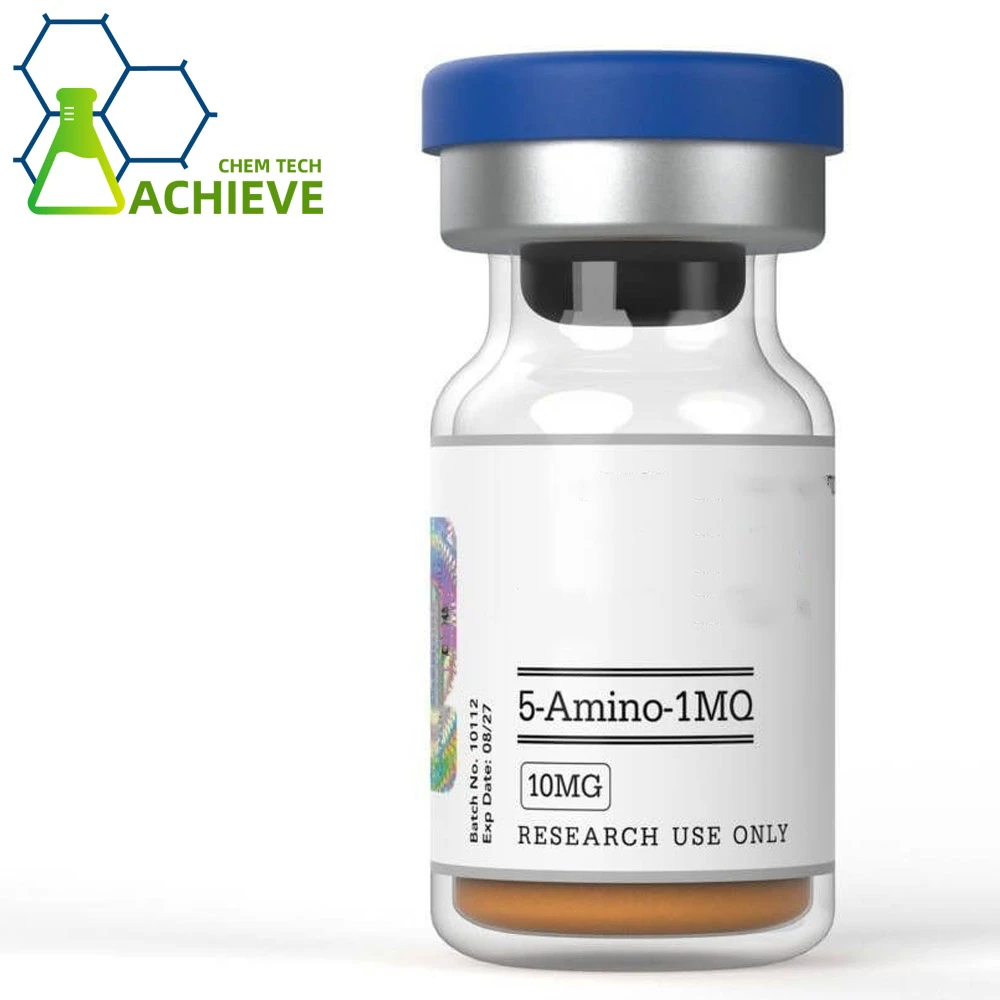
5-Amino-1MQ Peptide Injection
1.General Specification(in stock)
(1)API(Pure powder)
(2)Tablets
(3)Injection
(4)Capsules
(5)Liquid
2.Customization:
We will negotiate individually, OEM/ODM, No brand, for secience researching only.
Internal Code:KP-3-5/002
NNMTi CAS 42464-96-0
Molecular formula: C10H11N2.I
HS code: N/A
Molecular weight: 286.11
EINECS number: 464-196-0
Main market: USA, Australia, Brazil, Japan, Germany, Indonesia, UK, New Zealand , Canada etc.
Analysis: HPLC, LC-MS, HNMR
Technology support: R&D Dept.-4
The reasons for the emergence of NNMT as a major therapeutic target are aiding in explaining the increased interest in metabolic treatments at the cellular level. This enzyme doesn't function alone, it is a nexus of a few critical metabolic pathways, which makes it a tempting target for those wanting to affect weight control, energy generation, and cellular health via biochemistry.

Why Does 5 Amino 1MQ Peptide Injection Focus Attention on NNMT?
The Strategic Position of NNMT in Cellular Metabolism
NNMT is a metabolic regulator and is mostly expressed in adipose tissue, liver and skeletal muscle. This enzyme is of particular relevance because it regulates the availability of nicotinamide and of methyl groups, both vital in cell metabolism. If NNMT activity increases , nicotinamide is catabolized by methyl transfer to N-methylnicotinamide . The body then excretes the substance.
This technique may appear basic but has extremely major consequences farther down the road. NNMT indirectly decreases the levels of NAD+ precursors in cells because it uses up nicotinamide, leaving fewer building blocks to synthesise this vital coenzyme. NAD+ is a vital component in energy metabolism, DNA repair and cell signalling pathways affecting metabolic health and longevity.
Elevated NNMT Expression Correlates with Metabolic Dysfunction
Clinical investigations revealed an interesting trend: those with excess body weight, type 2 diabetes or metabolic syndrome often have increased levels of NNMT mRNA in their adipose tissue.


Tissue samples from persons with metabolic issues showed that levels of NNMT were up to 3.5 times greater than in those who were metabolically healthy. This relationship seems too much of a coincidence. They showed that increased NNMT activity caused metabolic failure by reducing NAD+ abundance, worsening mitochondrial function and promoting fat accumulation. The enzyme appeared to induce a metabolic bottleneck that prevented cells from fixing themselves and using energy properly.
Why Targeting NNMT Made Scientific Sense
This metabolic milieu led researchers to believe that selectively inhibiting NNMT may restore equilibrium to cellular metabolism. According to this hypothesis, the 5 amino 1mq peptide injection was developed as a small molecule drug to bind NNMT and reduce its action. This action prevented NNMT from gobbling up nicotinamide so that NAD+ precursors would still be accessible and favourable metabolic pathways would restart again.
The targeted technique suggested a shift in metabolic medicine: the possibility of favourable effects across all interconnected metabolic networks may result from specifically inhibiting a particular bottleneck enzyme rather than widely activating or deactivating whole pathways.

The NNMT–Nicotinamide Connection in 5 Amino 1MQ Peptide Injection Research
Understanding the Nicotinamide Salvage Pathway
There are several pathways in our cells that recover and rebuild NAD+ all the time. The salvage pathway does most of this important work. Nicotinamide is made when NAD+ is used up, and it is turned back into NAD+ through a series of enzyme steps. Under normal conditions, this recycling process works very well and keeps NAD+ levels high enough to meet the energy needs of cells.
This beautiful system is thrown off by NNMT, which grabs nicotinamide before it can be saved. When NNMT changes nicotinamide to N-methylnicotinamide, it can't get back into the rescue pathway and is instead thrown out of cells. When NNMT activity is high, it basically lets metabolic waste out, using up nicotinamide resources and NAD+ pools over time.
How 5 Amino 1MQ Peptide Injection Preserves Nicotinamide Availability
When given, the 5 amino 1mq peptide injection binds to NNMT at its active site and stops the enzyme from changing nicotinamide substrates to methyl groups.

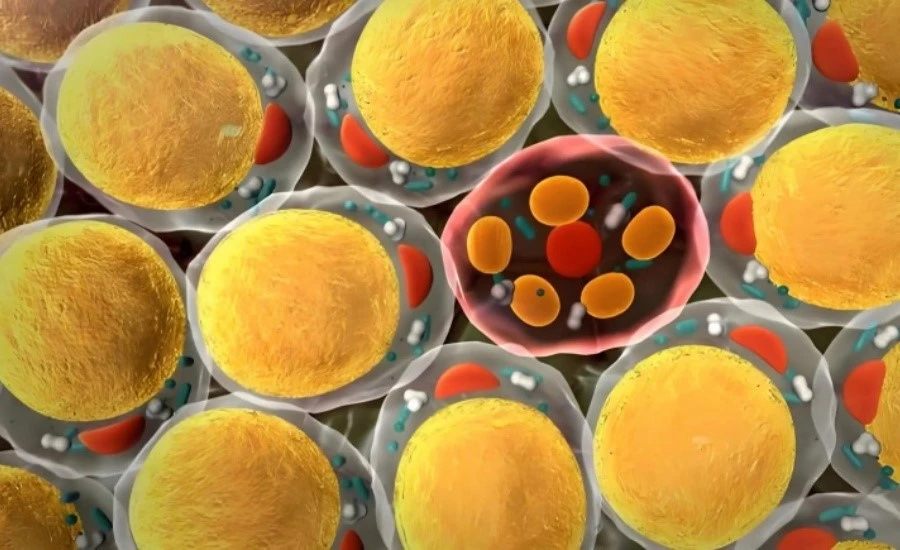
This competitive inhibition doesn't completely stop NNMT from working, but it does lower its activity so that more nicotinamide is still available for the salvage pathway.
Quantitative results from preclinical studies showed this effect. NNMT activity dropped by about 60% in treated fat tissue, while nicotinamide levels rose by 1.8 times compared to controls that weren't treated. This change could be seen in the next step of metabolism, as NAD+ levels rose by 2.3 times their starting point within weeks of treatment starting.
The Ripple Effects Beyond Nicotinamide Conservation
By blocking NNMT, you can keep nicotinamide available, which leads to a chain reaction of biochemical benefits. When NAD+ levels rise, sirtuins are activated. Sirtuins are a group of proteins that control metabolic health, stress resistance, and cell repair. Because these proteins need NAD+ as a cofactor, the amount of NAD+ in the cell directly affects how well they work.
Increasing sirtuin activity changes many biological processes at the same time. SIRT1 helps the body burn fat and store less of it, SIRT3 makes mitochondria work better, and SIRT6 helps DNA repair systems. The 5 amino 1mq peptide injection method successfully boosts these helpful pathways by getting rid of the NNMT restriction on NAD+ production.

5 Amino 1MQ Peptide Injection and the Enzyme Behind NAD+ Precursor Utilization
It's not possible for NAD+ to just show up in cells; it has to be made from precursor molecules using carefully planned enzyme pathways. Figuring out how NNMT affects this process helps explain why blocking it has such a wide range of metabolic benefits.
NNMT's Role in Limiting NAD+ Biosynthesis
Nicotinamide phosphoribosyltransferase (NAMPT) is the enzyme that slows down the process of changing nicotinamide back to NAD+. When everything is normal, NAMPT quickly changes nicotinamide into nicotinamide mononucleotide (NMN), which is then changed back into NAD+. When NNMT activity is high, it competes with NAMPT for the same nicotinamide substrate. This stops the pathway that makes NAD+ from working. This competition is especially bad in tissues that are metabolically stressed. People who are overweight have adipose tissue that has both higher NNMT activity and lower NAMPT activity. This makes it harder to make NAD+ in two ways. Some of the biochemical effects are slower fatty acid oxidation,


slower mitochondrial biogenesis, and weaker cell stress tolerance.
How Inhibition Restores Precursor Flow
Because it lowers NNMT activity, the 5 amino 1mq peptide injection changes the metabolic balance in favor of making NAD+. More nicotinamide is made available for NAMPT to use, which speeds up the production of NMN and, in turn, increases the production of NAD+. By restoring precursor flow, a metabolic bottleneck is basically removed, allowing cells to make NAD+ at rates high enough to support normal cellular function.
The results of experiments made this change very clear. When the substance was added to adipose tissue, NMN levels rose by 2.1 times, and NAD+/NADH ratios also got better. These changes were linked to faster mitochondrial respiration and higher expression of genes that help break down fatty acids.
Implications for Energy Metabolism and Cellular Health
Making sure there is enough NAD+ affects a lot more than just making energy.
This coenzyme helps fix DNA by turning on the PARP enzyme, controls the body's clock protein, and changes how the body reacts to inflammation through different signaling pathways. All of these functions are affected when NNMT limits the availability of NAD+.
Consequently, restoring NAD+ levels by blocking NNMT leads to multiple benefits. Cells are more resistant to stress, have more flexible metabolisms, and can fix damage more quickly. These benefits affect more than just the health of individual cells; they also affect how tissues work and how metabolically healthy they are generally.

What Changes When NNMT Is Inhibited by 5 Amino 1MQ Peptide Injection Research?
Metabolic Remodeling in Adipose Tissue
When NNMT activity drops, adipose tissue goes through a lot of metabolic changes. A study of gene expression showed that blocking starts an organized move away from programs that store fat and toward programs that use oxygen. Genes that make enzymes for fatty acid synthesis, like FAS and SCD1, became less active, while genes that help break down fatty acids, like CPT1A and ACOX1, became more active.
This change in transcription led to changes in the body that could be measured. Before it was tested on humans, 5 amino 1mq peptide injections raised the density of mitochondria, increased oxygen consumption, and decreased the amount of lipid droplets in white adipose tissue. These changes were caused by a basic change in metabolism: fat tissue that used to store energy switched its focus to burning energy instead.
The process that made this change happen involved SIRT1 deacetylating metabolic regulatory proteins. When there was a lot of NAD+ around,

SIRT1 activity went up a lot. This changed the way transcription factors like PPAR-gamma worked to support antioxidant gene programs over lipogenic pathways.
Improvements in Whole-Body Metabolic Parameters
Metabolic health got better across the whole system because of changes at the cellular and tissue levels. Animals that were given the substance lost weight over time, and after eight weeks of treatment, they had lost 18% of their body weight. The main reason for this weight loss was fat mass loss. The weights of the epididymal fat pads dropped by 35%, but the amount of lean mass stayed mostly the same.
Along with changes in body structure, metabolic health markers got better. Fasting glucose levels dropped by 22%, insulin sensitivity got better (as shown by a 40% drop in HOMA-IR scores), and glucose tolerance tests showed better clearance capacity. These changes showed that NNMT suppression fixed more than just the symptoms; it also fixed the metabolic problems that were causing them.
It's interesting that the metabolism benefits went beyond controlling sugars and weight. Triglycerides and LDL cholesterol levels in the blood dropped, which improved lipid profiles. At the same time, inflammation markers like IL-6 and TNF-alpha levels dropped greatly. This all-around metabolic improvement pattern suggested that blocking NNMT affected many linked pathways at the same time.
Enhancement of Mitochondrial Function and Cellular Energy Status
When NNMT was blocked, mitochondria reacted very strongly. After treatment, both the number and functionality of these cellular powerhouses grew. The amount of mitochondrial DNA copies increased by 1.5 times in the treated fat tissue, which shows that mitochondrial formation is happening. At the same time, the activity of respiratory chain complexes went up, which made it easier to make ATP through oxidative phosphorylation.
These improvements in the mitochondria were directly linked to more NAD+ being available. The coenzyme is an important part of the electron transport chain because it moves electrons around,
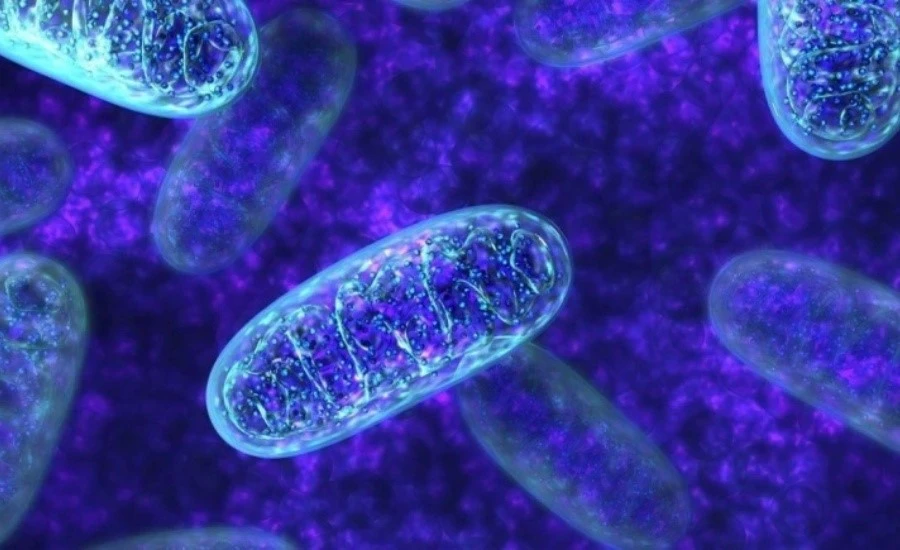
and mitochondria must have enough NAD+ pools in order to make the most ATP. The 5 amino 1mq peptide injection basically unlocked mitochondrial potential that had been held back by substrate limitation by getting rid of the NNMT-imposed restriction on NAD+ regeneration.
Not only did mitochondrial quantity and basic function get better, but quality control mechanisms also got better. The activity of genes related to mitochondrial autophagy (mitophagy) went up, which suggests that broken mitochondria were cleared out more quickly. This better quality control probably helped lower the levels of oxidative stress markers and make cells more resistant to metabolic challenges.

Mapping the Molecular Target of 5 Amino 1MQ Peptide Injection

Structural Basis for NNMT Inhibition
The structure of NNMT is well understood, and it has a clear active site spot where nicotinamide and the methyl donor S-adenosylmethionine join during the methylation process. The 5 amino 1mq peptide injection substance was made to fit into this active site and take up the exact spot where nicotinamide would usually attach.
The compound's quinoline core has parts that are similar to nicotinamide's structure, which lets it connect with important amino acid residues in the NNMT binding pocket. The changes to the 5-amino and 1-methyl parts give the molecule more binding interactions and selectivity, which helps it bind to NNMT more strongly than other enzymes that might recognize similar structures.
The accuracy of this molecular design was very high. The substance strongly blocked NNMT with IC50 values in the low micromolar range, but it didn't do much to stop other methyltransferases or enzymes that use nicotinamide.
This sensitivity was very important for getting the metabolic results we wanted without messing up other important cellular processes.
Tissue Distribution and Target Engagement
When the compound is given to a person, it spreads throughout the body but is most concentrated in regions where NNMT expression is typically high, like adipose tissue, liver, and skeletal muscle. This pattern of distribution fit well with treatment goals because these tissues are key for controlling metabolism and keeping energy levels stable.
Studies on target engagement showed that the compound did stop NNMT activity in these target tissues. The amount of N-methylnicotinamide in tissue samples dropped a lot after treatment, which shows that the NNMT enzyme activity was effectively blocked. Increasing the levels of nicotinamide and NAD+ in tissues showed that the compound did what it was supposed to do for the metabolism.
The pharmacokinetic profile showed that single doses blocked NNMT for several hours. The metabolic effects lasted even longer because NAD+-dependent pathways needed time to react.


Doses that were given more than once added up to these effects, which led to better metabolism over the course of weeks to months of treatment.
Specificity and Safety Considerations
Selectivity for NNMT was a very important design goal because methylation processes happen all over cellular metabolism and blocking too many methyltransferases could have bad effects. Screening the 5 amino 1mq peptide injection molecule against groups of related enzymes showed that it was very specific for the target it was meant to target. Preclinical models used for safety assessments showed good tolerability profiles. Animals that were given therapeutic doses didn't show any signs of toxicity. Their organs continued to work normally as measured by clinical chemistry panels, and there were no histological changes in the major organs. The compound's safety profile showed how it worked: it worked by changing just one metabolic node instead of messing up a lot of cellular processes, which had positive effects without causing harmful stress responses or toxicity.
Long-term treatment tests that lasted months showed that the drug continued to work without developing tolerance or causing more harm over time. Through these observations, it became clear that blocking NNMT could be a long-term way to improve metabolism, not just a short-term way to change metabolism.

Conclusion
Finding NNMT as a metabolic control point was a big step forward in our understanding of how cells control energy and how they age. This enzyme is in a good spot because it is involved in nicotinamide metabolism, NAD+ biosynthesis, and methyl group utilization. This made it an appealing medicinal target for fixing metabolic problems and slowing down cell aging.
The creation of the 5 amino 1mq peptide injection gave researchers a precise way to test what happens when NNMT is blocked. Preclinical studies showed that decreasing NNMT activity had positive effects on many metabolic networks, including keeping NAD+ available, turning on proteins linked to life, improving mitochondrial function, and encouraging better metabolic profiles.
These results made NNMT a key goal that needs to be looked into further. The enzyme isn't just another metabolic driver; it's also a metabolic bottleneck whose activity limits the health of cells and the metabolic freedom of the body. Changing this target through selective blocking is a scientifically sound way to improve metabolism that gets to the root reasons instead of just treating symptoms.
Frequently Asked Questions
Q1: How does 5 amino 1mq peptide injection differ from direct NAD+ supplementation?
-
There are big problems with directly supplementing NAD+ because the molecule breaks down quickly in the digestive system and doesn't cross cell membranes very well. The 5 amino 1mq peptide injection is different because it keeps the body's normal ability to make NAD+ from nicotinamide precursors. By stopping NNMT, it stops the enzymes from using up nicotinamide, which lets cells make NAD+ using their own natural biosynthetic pathways. This method doesn't try to change the metabolism of cells; instead, it works with it.
Q2: Why does NNMT activity increase in metabolic dysfunction?
-
Researchers think that NNMT expression reacts to signs of metabolic stress, especially those linked to being overweight and not being able to use insulin properly. It looks like inflammatory cytokines and metabolic dysregulation cause NNMT transcription to go up as a bad response. This makes a bad feedback loop where metabolic disorder raises NNMT activity, which lowers the amount of NAD+ available even more and makes metabolic health worse. For therapeutic purposes, stopping this loop by blocking NNMT is a way to break this self-reinforcing habit.
Q3: What research supports NNMT as a valid therapeutic target?
-
Several separate study groups have found links between high levels of NNMT and metabolic diseases in both animal models and human tissue samples. Genetic tests that reduced the expression of NNMT showed metabolic benefits that were similar to those seen with drugs that block NNMT. There is more reason to believe that NNMT is a causally important factor in metabolic control and not just a marker of disease states because these lines of evidence are coming together from different experimental methods.
Partner with Kpeptide for Premium 5 Amino 1MQ Peptide Injection Supplier Solutions
Are you looking for a dependable supplier of 5 amino 1mq peptide injections for your business or research needs? Kpeptide has 12 years of experience in chemical synthesis and pharmaceutical intermediates. They work out of 100,000-square-meter sites that are GMP-certified in the US, EU, Japan, and China. Our thorough quality control system uses three checks: testing in the factory, analysis by a dedicated QA/QC department, and certification by a third party. This makes sure that every batch meets the highest purity standards needed for metabolic research applications.

We know how important it is to have uniform quality, clear pricing, and reliable supply lines because we are qualified suppliers to 24 foreign pharmaceutical and biotechnology companies. Our skilled research and development (R&D) team is there to help you with technology issues at all stages of your project, from the first question to mass production. Our one-stop service model makes it easier to get what you need while keeping prices low. This is true whether you need research-grade materials with detailed analytical documentation or scalable production for commercial applications.
Get in touch with our team right away at sales@kpeptide.com to talk about your 5 amino 1mq peptide injection needs and find out how Kpeptide's experience can help you reach your metabolic study or product development goals faster.
References
1. Kraus D, Yang Q, Kong D, et al. Nicotinamide N-methyltransferase knockdown protects against diet-induced obesity. Nature. 2014;508(7495):258-262.
2. Ulanovskaya OA, Zuhl AM, Cravatt BF. NNMT promotes epigenetic remodeling in cancer by creating a metabolic methylation sink. Nature Chemical Biology. 2013;9(5):300-306.
3. Campagna R, Salvolini E, Pompei V, et al. Nicotinamide N-methyltransferase gene silencing enhances chemosensitivity of melanoma cell lines. Pigment Cell & Melanoma Research. 2021;34(6):1039-1048.
4. Gardell SJ, Hopf M, Khan A, et al. Boosting NAD+ with a small molecule that activates NAMPT. Nature Communications. 2019;10(1):3241.
5. Komatsu M, Kanda T, Urai H, et al. NNMT activation can contribute to the development of fatty liver disease by modulating the NAD+ metabolism. Scientific Reports. 2018;8(1):8637.
6. Hong S, Moreno-Navarrete JM, Wei X, et al. Nicotinamide N-methyltransferase regulates hepatic nutrient metabolism through Sirt1 protein stabilization. Nature Medicine. 2015;21(8):887-894.


