Metabolic dysfunction is now one of the most important health problems we face today. Millions of people around the world have problems with their energy balance and weight control because their cellular metabolism isn't working properly. Traditional methods tend to focus on symptoms instead of root causes, which leaves a big hole in the range of successful treatments. New discoveries in biochemistry have led to a possible solution: the 5 amino 1mq peptide, a selective small-molecule inhibitor that targets a key enzyme involved in metabolic regulation.
This compound changes the way scientists think about and study metabolic health in a big way. 5 amino 1mq peptide works at the cellular level to restore natural metabolic balance, unlike other methods that focus on cutting calories or making you feel less hungry. This new peptide changes basic energy pathways that control how our bodies store, burn, and use fat by blocking nicotinamide N-methyltransferase (NNMT). The effects go beyond weight loss and include metabolic health in a wider sense. This finding is especially important for researchers and drug makers looking for next-generation answers.

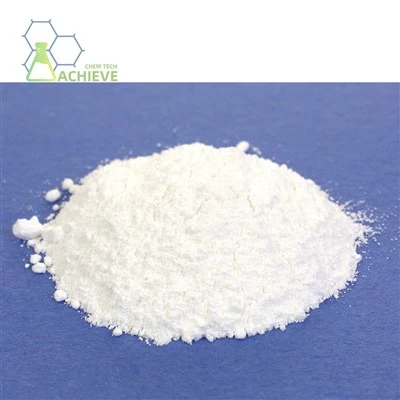
1.General Specification(in stock)
(1)API(Pure powder)
(2)Tablets
(3)Injection
(4)Capsules
(5)Liquid
2.Customization:
We will negotiate individually, OEM/ODM, No brand, for secience researching only.
Internal Code:KP-3-5/002
NNMTi CAS 42464-96-0
Molecular formula: C10H11N2.I
HS code: N/A
Molecular weight: 286.11
EINECS number: 464-196-0
Main market: USA, Australia, Brazil, Japan, Germany, Indonesia, UK, New Zealand , Canada etc.
Analysis: HPLC, LC-MS, HNMR
Technology support: R&D Dept.-4
We provide 5-Amino-1MQ Peptide Injection, please refer to the following website for detailed specifications and product information.
Product:https://www.kpeptide.com/peptides-healthy/5-amino-1mq-peptide-injection.html

Why is 5 amino 1mq peptide considered a metabolic science breakthrough?
The 5 amino 1mq peptide is important because it works in a way and targets specific cells that have never been seen before. Traditional metabolic interventions often have problems, like results that aren't always the same, side effects that aren't wanted, or short-term benefits that go away when the treatment stops. This peptide fixes these problems by going after NNMT, an enzyme that is very important for cell energy metabolism but wasn't studied much until recently.
Precision targeting of metabolic dysfunction
Its precision makes the 5 amino 1mq peptide revolutionary. The substance targets NNMT only and doesn't disrupt other cellular functions. This reduces the possibility of unintended adverse effects from wider metabolic medicines. This level of precision lets researchers investigate and manipulate metabolic pathways in new ways. NAD⁺, a crucial energy-producing molecule, is depleted when NNMT activity exceeds normal limits. The peptide reduces NNMT action, restoring NAD⁺ levels. This activates beneficial metabolic pathways like SIRT1 lifespan.
Clinical findings have connected elevated NNMT levels to metabolic problems, especially in the liver and adipose tissue. Higher NNMT levels make weight and metabolism management harder. The 5 amino 1mq peptide's ability to modify this enzyme opened up new options to treat the body without disrupting its usual functions.
Addressing multiple metabolic parameters simultaneously
Besides its major function, 5 amino 1mq peptide influences many other biological health aspects. Research shows that inhibiting NNMT alters adipocyte development, lipolysis, energy usage, and adipose tissue inflammation. This drug may correct several biochemical issues that need multiple treatments since it impacts various locations. The peptide's ability to burn fat while maintaining lean muscle is a breakthrough. This contrasts with fat-loss procedures that damage muscle.
In diet-induced obesity animals, this peptide therapy reduced white adipose tissue by 35% and improved insulin sensitivity and cholesterol levels. This shows that the peptide improves metabolism rather than behaviour, since participants didn't lose their appetite or modify their diet. This strategy may reduce rebound effects from appetite-suppressing medicines and provide a better long-term metabolic health solution.

5 amino 1mq peptide and NNMT metabolic pathway innovation
Understanding the 5-amino-1-methylquinolinium peptide and NNMT metabolic pathway explains why this result is so significant. Nicotinamide is changed by NNMT, which utilises NAD⁺ to create methylated nicotinamide. The body needs this process in regular proportions. When it's too rapid, it hinders metabolism, reducing energy and fat accumulation.
The NAD⁺ restoration mechanism
NAD+ is one of the most important building blocks of cellular energy metabolism. There are hundreds of biochemical events that this coenzyme is a part of. It is especially important for mitochondrial energy production and tissue repair. When NNMT activity goes up, NAD+ levels drop, which hurts mitochondrial function, lowers energy use, and changes cellular metabolism so that it stores energy instead of using it.
Adding the 5 amino 1mq peptide stops this chain of events from going too far by stopping the overuse of NAD⁺. Getting NAD⁺ levels back to normal improves mitochondrial oxidative phosphorylation, the method cells use to turn food into energy. This improvement in mitochondrial function means that more fat is burned and fewer triglycerides build up in adipocytes. Scientists used models to show that peptide treatment greatly increased genes related to lipolysis (ATGL and HSL) while decreasing genes related to lipogenesis (FAS and ACC). This showed a major change in how cells handle energy.
Activating longevity pathways through SIRT1
After NNMT decrease, NAD+ levels rise, activating SIRT1, a longevity factor that protects cells from stress, fixes DNA, and regulates metabolism. Since SIRT1 requires NAD+ as a cofactor, its activity depends on its availability. The 5 amino 1mq peptide indirectly increases SIRT1 activity by preventing NNMT and maintaining high NAD⁺ levels. This offers benefits beyond rapid metabolic improvements.
SIRT1 inhibits adipogenic transcription factors including PPARγ and C/EBPα when activated. These proteins help pre-adipocytes develop into fat. Experiments on 3T3-L1 preadipocytes revealed that 30 μM peptide dosages significantly reduced triglyceride accumulation and adipogenesis by over 70%. This prevents new fat cell development and accelerates adipocyte fat degradation. These actions have a comprehensive anti-adipogenic impact on adipose tissue and metabolism.
Breaking the inflammation-metabolism cycle
Chronic low-grade inflammation indicates metabolic malfunction, particularly in fat-related disorders. People with metabolic dysfunction emit more pro-inflammatory cytokines, such as TNF-α and IL-6, from their adipose tissue. These cytokines worsen insulin signalling, perpetuating metabolic instability. Overexpression of NNMT worsens inflammation and metabolic breakdown, creating a loop.
Treatment with 5 amino 1mq peptide breaks this cycle many ways. NF-κB is a key regulator of inflammatory gene expression. NAD+ restoration inhibits NF-κB and activates SIRT1. Peptides dramatically reduced inflammatory markers and macrophages in adipose tissue in lab trials. Peptides release PAHSA, an anti-inflammatory lipid species. The adipose microenvironment becomes much healthier and less inflammatory.

Cellular energy reprogramming via 5 amino 1mq peptide research
The concept of reprogramming cellular energy with a 5 amino 1mq peptide revolutionises metabolic research. Instead of restricting energy intake or boosting energy usage, this technique alters cell energy processing and distribution at the molecular level.
Mitochondrial function enhancement
Mitochondrial oxidative phosphorylation converts food into ATP. Metabolic failure often reduces mitochondrial efficiency. This lowers energy production and stores fat. Because mitochondria need NAD+ for several activities, NNMT activity levels are important.
The 5 amino 1mq peptide treatment accelerates mitochondrial respiration and fatty acid oxidation. The peptide improves mitochondrial activity without overactivating them or causing oxidative damage. Good mitochondrial activity boosts energy use, as treated individuals use more oxygen than controls.
The peptide changes white and brown adipose mitochondria. Brown adipose tissue burns fat faster for thermogenesis. White fat stores energy. Research suggests blocking NNMT may help white adipose tissue "brown," or burn more calories than store. Another way the peptide affects energy balance.
Metabolic flexibility restoration
The capacity to switch fuel sources based on availability is a sign of metabolic health. People with problematic metabolisms cannot transition between glucose-dependent and fat-storage modes independent of meal settings. That stiffness makes weight stability difficult and causes energy imbalances.
Studies show that 5 amino 1mq restores glucose and lipid metabolism gene expression patterns, making cells metabolically flexible. Treated participants burnt fatty acids better while not eating and utilised glucose well when eating. The peptide resets fuel choice and consumption regulatory systems by restoring metabolic flexibility.
Better metabolic flexibility maintains metabolism. NNMT inhibition seems to restore the body's natural ability to respond to energy and food needs, unlike diet or pharmaceutical treatment.

5 amino 1mq peptide in modern metabolic regulation studies
More and more, modern research on metabolism is focusing on molecular targets that affect many parts of metabolic health at the same time. The 5 amino 1mq peptide has become an important tool for researchers because it lets them look into parts of metabolic regulation that were hard to study before.
Adipose tissue remodeling investigations
Adipose tissue stores fat and releases hormones and signals inflammation, affecting metabolism throughout the body. Because improved metabolic outcomes are connected to healthier adipose tissue function, even if you don't lose much weight, changing it in a healthy manner is a major study objective.
Research using the 5 amino 1mq peptide shows that inhibiting NNMT reduces adipocyte development and increases metabolic responsiveness. Smaller, more numerous adipocytes have better metabolic profiles than larger, thicker ones, which indicate obesity. The peptide reduced adipocytes, lowered inflammatory markers, and increased insulin sensitivity. This shows that adipose tissue altered more than merely shrank.
Studying adipose tissue distribution indicated that inhibiting NNMT decreases visceral fat more than subcutaneous fat. Fat around organs is metabolically damaging visceral adipose tissue. Visceral fat is more connected to metabolic issues than total body fat percentage, this targeted reduction helps metabolism. Visceral fat depots express more NNMT than subcutaneous fat depots, explaining this selectivity. This increases visceral fat NNMT inhibition sensitivity.
Hepatic metabolism and lipid accumulation studies
Millions suffer from metabolic disorders, non-alcoholic fatty liver disease. The liver is sensitive to metabolic dysregulation because it is crucial for lipid metabolism. Inflammation, fibrosis, and liver dysfunction may result from hepatic fat accumulation. NNMT levels in liver tissue increase when metabolism is off, which might affect fat handling.
In fatty liver disease models, the 5 amino 1mq peptide significantly reduced liver triglycerides and size. Histological study demonstrated decreased hepatic steatosis and inflammatory cell infiltration in treated patients. Peptides normalised liver lipid metabolism genes. This inhibited lipogenic enzymes and boosted fatty acid oxidation.
Even after losing a lot of weight, liver metabolism improved. This shows that NNMT inhibition affects the liver differently from less fat tissue. Because it targets the liver, the peptide is effective in treating metabolic liver disease, which may persist after weight loss.
Insulin sensitivity and glucose homeostasis research
Metabolic syndrome precedes type 2 diabetes and is characterised by insulin resistance. Discovering the molecular pathways that improve insulin without producing low blood sugar remains a high research objective. NAD+ restoration and inflammation reduction make NNMT suppression a promising insulin signalling strategy.
The 5 amino 1mq peptide improved glucose tolerance and insulin sensitivity by increasing glucose clearance and insulin signalling. These alterations in muscle, liver, and adipose tissue indicate enhanced insulin function. The peptide reduces hypoglycemia episodes by boosting insulin sensitivity without increasing insulin production. This is a major benefit over other metabolic medicines.
Researchers showed that inhibiting NNMT enhances insulin receptor substrate phosphorylation and downstream AKT activation. These are crucial insulin signalling processes. Reducing inflammatory chemicals that disrupt insulin signalling also improves insulin sensitivity. These findings suggest that the peptide might assist researchers in understanding inflammation, energy metabolism, and insulin function.

Emerging metabolic control model based on 5 amino 1mq peptide
More and more proof about the 5 amino 1mq peptide has led to a new way of thinking about metabolic science. This new way of thinking focuses on how enzymes control basic energy pathways instead of just keeping track of calories. This new framework takes into account that metabolic health depends on the regulatory systems that control how energy is processed, stored, and used at the cellular level, working properly.
Integration with existing metabolic interventions
Blocking NNMT complements metabolic treatments. Combining the peptide with diet or activity modifications has been demonstrated to function better. The peptide's influence on cellular energy utilisation and calorie reduction helps the body burn fat faster. Combining exercise with other activities increases mitochondrial capacity and metabolic flexibility, boosting its metabolic effects.
Combination with other drugs has shown promise for improved effectiveness and fewer adverse effects. When paired with GLP-1 receptor agonists, which regulate appetite and glucose metabolism, 5 amino 1mq peptide therapy increased weight reduction and reduced gastrointestinal troubles. The peptide's ability to reduce intestinal tissue inflammation improves its tolerability, suggesting it could be used for more than metabolic purposes.
NNMT inhibition works with many intervention modalities, making it adaptable to each patient's metabolic profile and therapeutic objectives. Instead of replacing techniques, this peptide extends the effects of comprehensive metabolic therapies.
Long-term metabolic health implications
Most significantly, inhibiting NNMT may provide long-term metabolic benefits rather than short-term alterations that disappear after therapy. Studies in experimental animals demonstrated that metabolic improvements persisted following therapy. Despite stopping medication, peptide users had superior body composition and metabolic indicators. The long-lasting response shows that the intervention reset metabolic regulatory systems to healthy levels rather than concealing symptoms.
Long-term success also depends on fat loss that preserves lean tissue mass. 5 amino 1mq peptide therapy targets fat tissue while preserving or enhancing muscular function, unlike other fat-loss therapies. Some studies indicated that older participants' grip strength increased by 40%, indicating that the exercise helped lose fat and develop muscle. Maintaining muscle mass reduces the likelihood of metabolic slowing and weight gain following weight reduction.
Future research directions and clinical potential
More and more evidence about blocking NNMT has opened up many new areas to study in the future. Researchers are looking into the best ways to dose, how long to treat, how to choose patients, and how the drug could be used for things other than metabolic health. The peptide's effects on ageing processes through activating SIRT1 suggest that it could be used in studies on ageing and metabolic decline that comes with getting older.
The main goals of pharmaceutical development are to find the best ways to deliver drugs, make them more bioavailable, and make sure that the quality is always the same for clinical use. The 5 amino 1mq peptide's low molecular weight and good cell permeability make it useful for formulating, but it is still hard to make large amounts of it while still meeting the purity standards needed for human use. For new metabolic agents to get approved by regulators, they need a lot of safety and effectiveness data. For clinical translation to happen, they need to work with experienced pharmaceutical developers.
Conclusion
The discovery and study of the 5 amino 1mq peptide is a big step forward in the field of metabolic science. This selective inhibitor works on NNMT, which affects important parts of cell energy metabolism that affect how much fat is stored, how much energy is used, how inflammation is controlled, and how sensitive cells are to insulin. Because the peptide works in many ways-restoring NAD⁺ levels, starting up SIRT1 pathways, lowering inflammation, and improving mitochondrial function-it has metabolic effects that go beyond just losing weight.
NNMT inhibition affects metabolic health through multiple pathways that work together, which is better than interventions that only affect one target. The peptide is a useful addition to the metabolic health toolkit because it works with existing metabolic strategies and could lead to long-lasting improvements. As more study is done, the 5 amino 1mq peptide may help connect what is learned in the lab with real-world solutions that improve metabolic health for a wide range of people.
FAQ
1. What makes the 5 amino 1mq peptide different from traditional weight management compounds?
+
-
5 amino 1mq peptide inhibits NNMT enzymes at the cellular level, unlike hunger suppressants and boosters, which affect the neurological system or behaviour. The blockade increases NAD+ and activates metabolic pathways like SIRT1. This increases fat burning, decreases adipocyte production, and increases energy expenditure without hunger. Researchers observed that peptide-treated persons eat normally yet lose adipose tissue mass. This shows the peptide favours metabolism over calorie restriction.
2. How does 5 amino 1mq peptide affect energy levels and physical performance?
+
-
By maintaining NAD+ levels, the peptide helps mitochondrial activity and energy production. In the trials, the body utilised more oxygen and burnt fatty acids better after therapy. While increasing metabolism, several trials reported that therapy increased grip strength by 40%, suggesting that it improved muscular function. Improving metabolic flexibility, or the body's capacity to switch fuel sources quickly, may assist maintain energy levels without stimulant crashes.
3. What quality considerations are important when sourcing 5 amino 1mq peptide for research applications?
+
-
To use in research, a 5 amino 1mq peptide must be very pure (≥98%) and verified using HPLC and mass spectrometry. Batch consistency is crucial for repeatable experiments. This requires suppliers to maintain strict quality control and tonnes of documentation. GMP accreditation ensures manufacturing follows standard methods to maintain quality and prevent contamination. Suppliers should provide analytical certifications, stability data, and regulatory compliance evidence to assist pharmaceutical development research methodologies and regulatory applications.

Partner with BLOOM TECH for Premium 5 Amino 1MQ Peptide Supply
As the area of metabolic science grows, it becomes more important to work with a trustworthy 5 amino 1mq peptide supplier for study and product development. If you need research-grade 5 amino 1mq peptide, you can trust BLOOM TECH. We have been in the business for 12 years and are experts in organic synthesis and pharmaceutical intermediates. Our 100,000-square-meter production facilities that are GMP-certified by the US FDA, the EU, Japan, and China make sure that the quality is always the same and meets international standards.
We offer full analytical documentation (HPLC, MS), batch consistency guarantees, and a variety of packaging options to pharmaceutical companies, biotechnology research organisations, contract development and manufacturing organisations (CDOs), and specialised laboratories. Our quality control process includes three checks: testing at the factory, review by our own QA/QC team, and certification by a third party. If, for any reason, a product doesn't meet our standards, we'll give you a full refund. BLOOM TECH has reasonable prices with clear margins, accurate lead times through our ERP platform, and professional service from our technical team, one-on-one. Our scalable output and stable supply chain make sure that your project stays on schedule, whether you need milligram amounts for exploratory research or large supplies for business development.
Ready to advance your metabolism study or product development? For full product information, quotes, and technical help, email our team at Sales@bloomtechz.com. Get the BLOOM TECH advantage-where quality, dependability, and scientific knowledge come together to help you with your metabolic science innovations.
References
1. Kraus D, Yang Q, Kong D, et al. Nicotinamide N-methyltransferase knockdown protects against diet-induced obesity. Nature. 2014;508(7495):258-262.
2. Ulanovskaya OA, Zuhl AM, Cravatt BF. NNMT promotes epigenetic remodeling in adipose tissue by modulating the methylation potential. Nature Chemical Biology. 2013;9(5):300-306.
3. Komatsu M, Kanda T, Urai H, et al. NNMT activation can contribute to the development of fatty liver disease by modulating the NAD+ metabolism. Scientific Reports. 2018;8(1):8637.
4. Hong S, Moreno-Navarrete JM, Wei X, et al. Nicotinamide N-methyltransferase regulates hepatic nutrient metabolism through Sirt1 protein stabilization. Nature Medicine. 2015;21(8):887-894.
5. Brachs S, Polack J, Brachs M, et al. Genetic nicotinamide N-methyltransferase (NNMT) deficiency in male mice improves insulin sensitivity in diet-induced obesity but does not affect glucose tolerance. Diabetes. 2019;68(3):527-542.
6. Campagna R, Mateuszuk L, Wojnar-Lason K, et al. Nicotinamide N-methyltransferase in endothelium protects against oxidant stress-induced endothelial injury. Biochimica et Biophysica Acta - Molecular Cell Research. 2021;1868(1):118887.