Non-alcoholic fatty liver disease (NAFLD) is now the most common cause of chronic liver disease in the world, affecting about a quarter of all people. This metabolic problem, which is marked by too much fat building up in the liver, is very hard for both experts and doctors to deal with. Recent progress in molecular biology has shown us some interesting new directions to follow, mainly by looking into nicotinamide N-methyltransferase (NNMT) inhibitors. Out of these, the 5 amino 1mq peptide stands out as an excellent research tool for studying how the liver burns fat and how NAFLD starts.
This small-molecule peptide suppressor is important for more than just losing fat. By selectively targeting NNMT, researchers can break down the complicated metabolic pathways that control how hepatic lipids are handled, inflammation, and mitochondrial function. This article talks about how the 5 amino 1mq peptide helps us learn more about how NAFLD works and possible treatment options.

5-Amino-1MQ Peptide Injection
1.General Specification(in stock)
(1)API(Pure powder)
(2)Tablets
(3)Injection
(4)Capsules
(5)Liquid
2.Customization:
We will negotiate individually, OEM/ODM, No brand, for secience researching only.
Internal Code:KP-3-5/002
NNMTi CAS 42464-96-0
Molecular formula: C10H11N2.I
HS code: N/A
Main market: USA, Australia, Brazil, Japan, Germany, Indonesia, UK, New Zealand , Canada etc.
Analysis: HPLC, LC-MS, HNMR
Technology support: R&D Dept.-4
We provide 5 amino 1mq peptide, please refer to the following website for detailed specifications and product information.
Product:https://www.kpeptide.com/peptides-healthy/5-amino-1mq-peptide-injection.html

How Does 5 Amino 1MQ Peptide Support Liver Fat Metabolism Research?
Targeting the NNMT Pathway in Hepatic Tissue
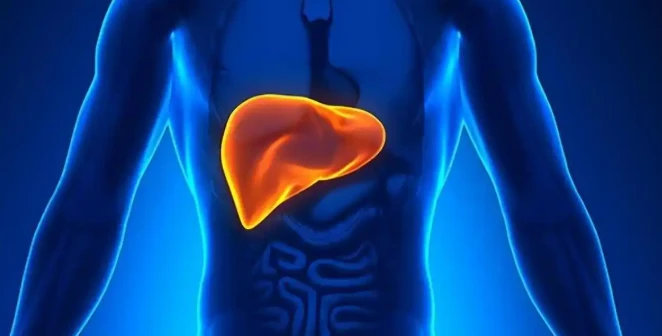
The liver controls the production, storage, and oxidation of lipids and is the metabolic hub for the whole body. Hepatocytes store fats when metabolic balance is lost, which starts the NAFLD cycle. Researchers have found that NNMT expression goes up a lot in liver diseases caused by fat. This creates a metabolic block that uses up NAD⁺ and lowers the efficiency of mitochondria.
The 5 amino 1mq peptide works by selectively blocking NNMT activity, which keeps the amount of NAD⁺ inside cells stable. In study settings where scientists need exact control over metabolic variables, this mechanism comes in very handy. Studies using this peptide have shown that making NAD⁺ available again turns on SIRT1-dependent pathways. These pathways are very important for controlling genes that are involved in burning fat and making new fat. Researchers learn more about how cellular energy metabolism affects the patterns of fat buildup in the liver by studying these molecular cascades.
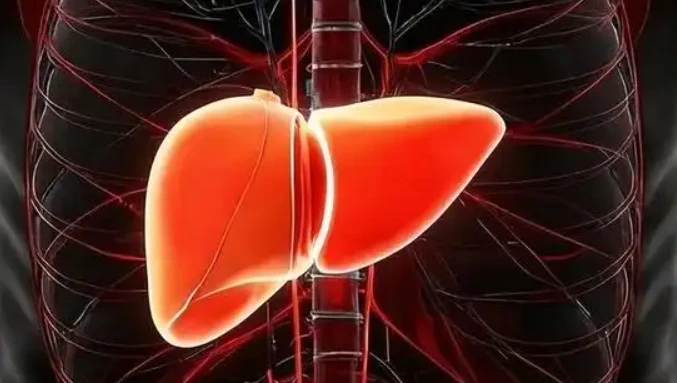
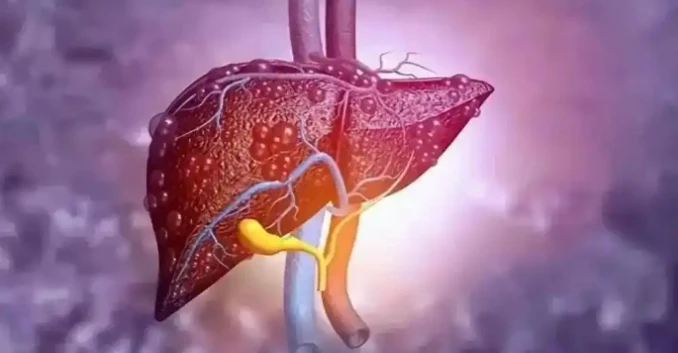
Quantifying Changes in Hepatic Lipid Content
Studies in the lab using the 5 amino 1mq peptide have shown that liver makeup has changed in a way that can be measured. When given to diet-induced fat animal models, this peptide regularly lowers triglyceride levels in the liver, sometimes by 30% or more compared to controls that were not treated. Researchers can use these measurable results to figure out the dose-response relationships and time patterns of fat clearing in the liver.
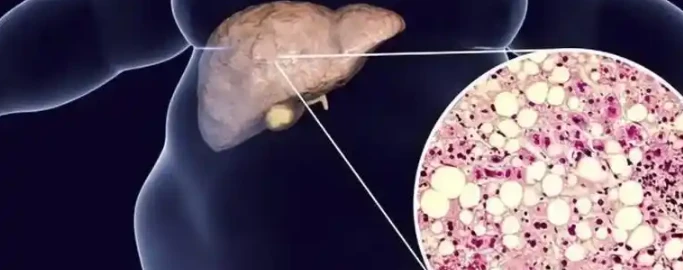
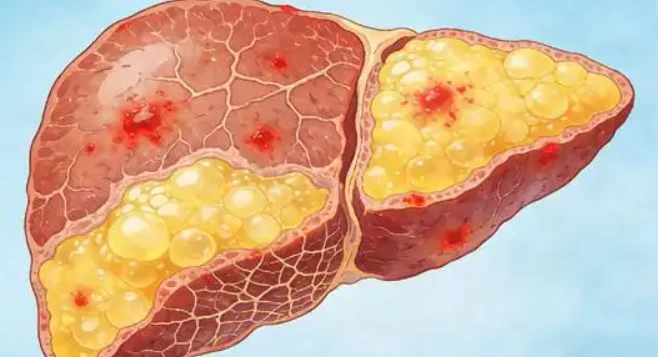
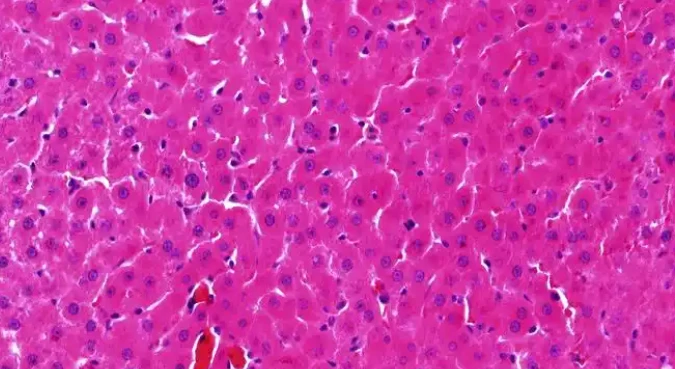
The peptide does more than just measure fat; it also makes it easier to look at the quality and distribution of lipids in liver tissue. Histological studies done after treatment show smaller lipid droplets and less hepatocyte ballooning, which are two signs of how bad NAFLD is. This kind of specific morphological information helps researchers figure out not only if fat decreases but also how the arrangement of liver lipids changes as the metabolism recovers.
Supporting Multiparametric Metabolic Studies
In modern NAFLD research, several metabolic parameters must be looked at at the same time. The 5 amino 1mq peptide works well in these kinds of in-depth studies because it affects a lot of different pathways that are all linked to each other. Along with measuring hepatic fat, researchers can keep an eye on changes in insulin sensitivity, signs of systemic inflammation, and energy consumption.
This ability to use multiple parameters is especially helpful when looking into conditions. NAFLD doesn't usually happen by itself; it usually happens with insulin resistance, dyslipidaemia, and problems with fatty tissue. Scientists can use this peptide in experiments to see how improving liver metabolism affects these related conditions. This could lead to the discovery of new therapeutic targets or biomarker candidates that can be used in the clinic.
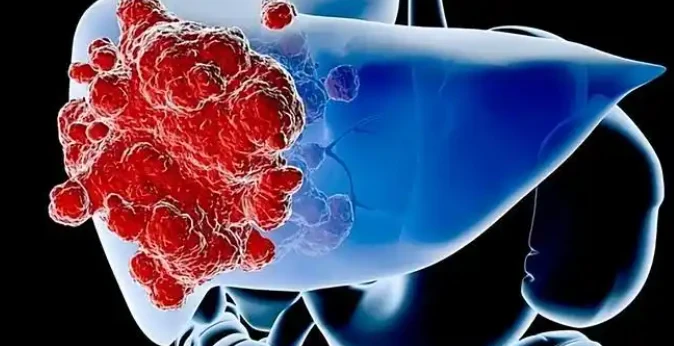

5 Amino 1MQ Mechanism in Regulating Hepatic Lipid Accumulation
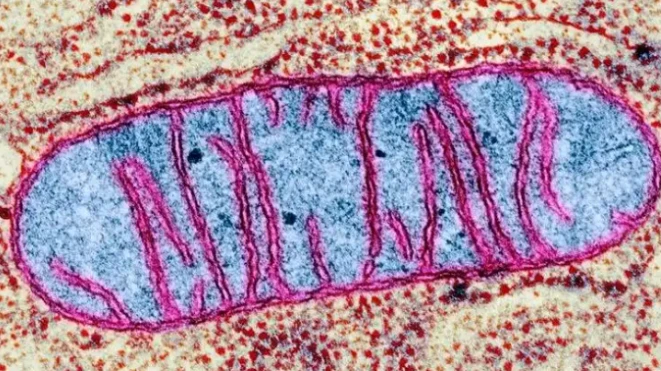
NAD⁺ Restoration and Mitochondrial Function Enhancement
The anti-steatotic effects of the 5 amino 1mq peptide come from its ability to keep NAD⁺ from running out. NNMT speeds up the methylation of nicotinamide, which takes this NAD⁺ precursor out of circulation. When NNMT activity is not controlled in obese people, hepatocytes have a chronic NAD⁺ deficiency, which makes mitochondrial oxidative phosphorylation and beta-oxidation of fatty acids less effective.
This metabolic restriction is broken by this peptide's inhibition. Higher levels of NAD⁺ help the mitochondrial respiratory chain work, which lets hepatocytes burn fatty acids more effectively instead of keeping them as triglycerides. Researchers have found that treated hepatocytes use oxygen more efficiently and make more ATP, which means that their mitochondria are working better. These changes at the cellular level lead to less fat buildup, which can be seen through imaging and biochemical tests.
Modulation of Lipogenic and Lipolytic Gene Expression
Gene expression tracking studies show that the 5 amino 1mq peptide controls major changes in transcription that affect the breakdown of lipids. De novo lipogenesis is the process of making new fatty acids from carbs. Treatment regularly lowers the production of lipogenic enzymes like fatty acid synthase (FAS) and acetyl-CoA carboxylase (ACC).
At the same time, the peptide turns on genes that help break down lipids. Adipose triglyceride lipase (ATGL) and hormone-sensitive lipase (HSL) are expressed more, which makes it easier to break down triglycerides and move fatty acids around for oxidation. This two-way control-suppressing synthesis while increasing breakdown-makes it possible for liver lipid stores to decrease net. Researchers can use these changes in gene expression as molecular measures to see how well a treatment works or to look into different ways to combine treatments.
Inflammatory Pathway Suppression in Steatotic Liver
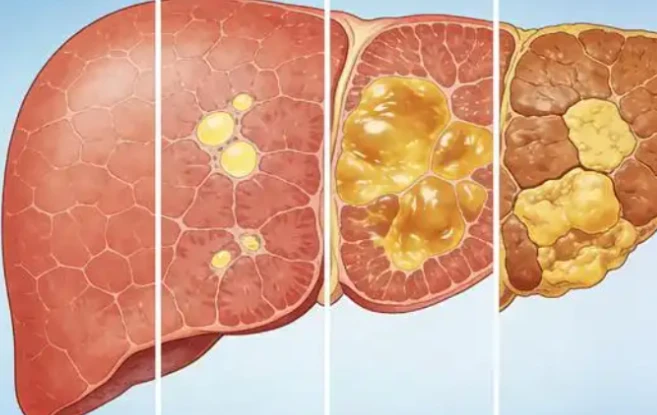
Hepatic inflammation is a key point where simple steatosis changes into non-alcoholic steatohepatitis (NASH), a more serious form that raises the risk of fibrosis. It has been shown in studies that the 5 amino 1mq peptide lowers the production of pro-inflammatory cytokines like tumour necrosis factor-alpha and interleukin-6 in steatotic liver tissue.
This anti-inflammatory effect seems to be linked to SIRT1 activity after NAD⁺ repair. SIRT1 deacetylates and stops NF-κB, which is a master regulator of gene transcription that causes inflammation. The peptide also lowers the number of macrophages that enter liver tissue, as shown by lower levels of immune cell markers in samples that were treated. These results make the compound a useful tool for studying the inflammatory part of NAFLD and seeing if metabolic improvement can get rid of hepatic inflammation without using direct anti-inflammatory drugs.

Research Applications of 5 Amino 1MQ Peptide for Metabolic Liver Studies
Preclinical NAFLD lab animals are fed high-fat or Western diets to produce steatosis. The 5 amino 1mq peptide lets researchers assess metabolic recovery throughout prevention, early treatment, and advanced disease.
The peptide and diet may reduce fat storage in obesogenic dieters, according to research. This investigation separates therapeutic benefits from food restriction. Compared to a high-fat diet, peptide-fed animals exhibited reduced liver values and cholesterol. This indicates that animals' metabolisms are changing, not calorie-limited.
The peptide may also be used to study reversibility issues like steatosis. Studies show that treating steatosis may reduce hepatic fat, liver enzyme profiles, and histology scores within weeks. These results prove problems can be addressed, which is significant.
How NNMT Inhibition by 5 Amino 1MQ Influences Fat Storage Pathways?
Adipose-Liver Crosstalk Modulation
The connection between fat tissue and liver function has a big effect on the growth of NAFLD. Adipose tissue that isn't working right lets too many free fatty acids into the bloodstream. The liver then takes these in and changes them into triglycerides. Using a 5 amino 1mq peptide for research shows that blocking NNMT has an effect on both systems, leading to positive metabolic feedback.
The peptide lowers inflammation and raises insulin sensitivity in adipose tissue, which slows down the breakdown of fat and the release of fatty acids. At the same time, blocking hepatic NNMT makes it easier for the liver to burn fatty acids instead of keeping them. This action at two different sites improves metabolism throughout the body more than either organ-specific action could do on its own. Researchers can use this systemic effect to model metabolic coordination across the whole body and find biomarkers that show improvement across multiple organs.
Influence on Hepatic Lipid Uptake Mechanisms
Hepatocytes get fatty acids in three ways: by taking them in from the bloodstream, making them from scratch, or absorbing them from food through chylomicron leftovers. The 5 amino 1mq peptide seems to change the balance between these sources, but more study is needed to figure out how it does this.
Some early evidence suggests that blocking NNMT might lower the expression of fatty acid transport proteins, which could make it harder for the liver to take in fatty acids. At the same time, better oxidative metabolism makes sure that when fatty acids enter hepatocytes, they are beta-oxidized instead of re-esterified into triglycerides. Isotope tracking studies, along with peptide treatment, can help researchers learn more about this biochemical channelling, which is a very clever way to control things.
Examining Very-Low-Density Lipoprotein Secretion
Hepatocytes send triglycerides to other parts of the body by enclosing them in very-low-density lipoproteins (VLDL). These VLDL travel through the blood and give fatty acids to those tissues. Even though VLDL is supposed to help get fat out of the body, problems with its production can make liver steatosis worse. Researchers have found that the effects of the 5 amino 1mq peptide on VLDL production are complex and depend on the metabolic situation.
In some lab tests, peptide treatment keeps or slightly raises the ability of VLDL to release cholesterol, which helps get rid of triglycerides in the liver. This result might have something to do with better mitochondrial activity, which provides the ATP needed for lipoprotein assembly and release. Researchers who understand these processes can see that lowering hepatic fat needs careful control of the pathways for production, oxidation, and export. This is important information for coming up with complete treatment plans.

5 Amino 1MQ Peptide and Its Role in Preclinical NAFLD Research Models
Validation Across Multiple Animal Models
For a strong preclinical study, it needs to be validated in a number of different experimental settings. The 5 amino 1mq peptide has been shown to work in a number of NAFLD models, such as genetic fat models, foods that are low in methionine and choline, and quickly cause steatohepatitis. This consistency across models makes us more sure of the underlying process and hints that it might be possible to apply to other situations.
Comparative studies show that how well a treatment works may depend on the model. Diet-induced models usually lose fat slowly over a few weeks, which is similar to how chronic diseases get worse in people. Genetic models with serious metabolic dysfunction show strong reactions, showing that NNMT inhibition can still help even with extreme metabolic problems. Comparative data like these help researchers choose the right models for their questions and give them a way to make sense of the results of their experiments.
Combination Treatment Explorations
Single-target treatments don't always work best for metabolic diseases. More and more, researchers are looking at 5 amino 1mq peptide in combination protocols with other drugs, training plans, or changes to a person's diet. It's possible to learn more about additive vs. synergistic interactions from these combination studies.
Studies that combine the peptide with calorie restriction show better weight loss and liver fat reduction than when either intervention is used alone. The ways they work seem to work together: limiting calories makes you eat less fat, and peptide treatment makes your body burn more fat. Similarly, mixing the peptide with insulin-sensitizing drugs leads to better glucose metabolism and fat loss in the liver, fixing multiple metabolic problems related to NAFLD at the same time.
Pharmacokinetic and Safety Profiling
To use preclinical findings in clinical settings, they need to be fully characterised in terms of pharmacokinetics and safety. Studies that give the 5 amino 1mq peptide at different times and doses help find treatment gaps and possible signs of harm. At the moment, data from several-week studies on rodents show that the drug is safe and does not have any major adverse effects on major organ systems at effective doses.
Pharmacokinetic studies show that the peptide is bioavailable and distributed well in tissues, reaching effective levels in liver tissue after being given throughout the body. Half-life readings help doctors figure out the best times to give a drug, and buildup studies make sure that giving the drug over and over again doesn't cause unexpected side effects. Even though these basic safety data are still very new, they support further research and, eventually, efforts to bring these findings into clinical practice.

Conclusion
The study of the 5 amino 1mq peptide in NAFLD research is a big step forward in our understanding of how the liver controls metabolism. This study tool specifically blocks NNMT, which lets researchers look more closely at NAD⁺-dependent pathways, gene regulation of lipid metabolism, and metabolic crosstalk between organs that leads to fatty liver disease. There is consistent evidence from a variety of preclinical models that reduces the buildup of fat in the liver, improves mitochondrial function, and slows down inflammatory processes.
As the study goes on, this peptide keeps showing us new ways that it controls metabolism, ranging from how fat and liver work together to how it changes the inflammatory system. These new ideas not only help scientists learn more, but they also help them come up with new ways to treat the millions of people around the world who have NAFLD. As more evidence comes in, NNMT inhibition looks like a promising method that should be studied further and maybe even used in clinical settings.
FAQ
1. What makes the 5 amino 1mq peptide useful for studying liver fat metabolism?
+
-
This peptide selectively stops the activity of the NNMT enzyme. This changes the availability of NAD⁺ and the metabolic pathways that control the production and breakdown of fat in liver tissue. Because it is so specific, researchers can separate NNMT-dependent processes from other metabolic factors. This makes it a great tool for studying how NAD⁺ metabolism changes the way the liver handles fats.
2. How long does treatment typically last in preclinical NAFLD studies?
+
-
Research methods are very different depending on the goals of the study. Acute studies can last for a few days to look at metabolic responses right away, while chronic studies can last for four to twelve weeks to show how the disease progresses and how long it takes for treatments to work in human NAFLD. The peptide has been shown to work for all of these different lengths of time, with longer doses usually leading to bigger drops in the amount of fat in the liver.
3. Can this peptide be used alongside other metabolic research tools?
+
-
Yes, experts often use the 5 amino 1mq peptide along with other treatments like changing the way people eat, following exercise plans, and using extra drugs. These combined methods help find mechanisms that work together and create complete treatment plans that deal with many aspects of metabolic dysfunction at the same time, which is more accurate for real-life situations.
Partner with BLOOM TECH as Your Trusted 5 Amino 1MQ Peptide Supplier
To move your NAFLD and metabolic liver research forward, you need to be able to rely on getting high-purity study chemicals that are backed by strict quality control. BLOOM TECH is your one-stop shop for a 5 amino 1mq peptide supplier. They offer research-grade materials that are more than 98% pure and come with full analytical documentation, such as HPLC and mass spectrometry data. Our production sites are GMP-certified and have been inspected by the US-FDA, the EU, and the CFDA. This means that each batch meets the high standards needed for pharmaceutical research and biotechnology uses.

Our technical team has been specialising in organic synthesis and pharmaceutical intermediates for over 12 years. They offer a one-stop service from the initial inquiry to customs clearance, helping you stay on schedule with your research with accurate lead times and clear pricing. Our supply chain can be scaled up or down to meet your research needs. We can provide milligram amounts for basic studies or large amounts for lengthy preclinical programs. We always keep the scientific rigour that is needed for results that can be published.
Connect with our research support team today to discuss your specific requirements: Sales@bloomtechz.com. Let BLOOM TECH supply the quality compounds that power your breakthrough discoveries in metabolic liver research.
References
1. Komatsu M, Kanda T, Urai H, et al. NNMT activation can contribute to the development of fatty liver disease by modulating the NAD+ metabolism. Scientific Reports. 2018;8(1):8637.
2. Kraus D, Yang Q, Kong D, et al. Nicotinamide N-methyltransferase knockdown protects against diet-induced obesity. Nature. 2014;508(7495):258-262.
3. Roberti A, Fernández AF, Fraga MF. Nicotinamide N-methyltransferase: At the crossroads between cellular metabolism and epigenetic regulation. Molecular Metabolism. 2021;45:101165.
4. Ulanovskaya OA, Zuhl AM, Cravatt BF. NNMT promotes epigenetic remodeling in cancer by creating a metabolic methylation sink. Nature Chemical Biology. 2013;9(5):300-306.
5. Shin M, Momb J, Appling DR. A role for NNMT in regulating hepatic NAD+ metabolism and mitochondrial function during caloric restriction. Journal of Biological Chemistry. 2020;295(28):9795-9805.
6. Hong S, Moreno-Navarrete JM, Wei X, et al. Nicotinamide N-methyltransferase regulates hepatic nutrient metabolism through Sirt1 protein stabilization. Nature Medicine. 2015;21(8):887-894.