


Carnosine tablets retain the four core native biological activities of carnosine: antioxidant, anti-glycation, metal ion chelating and pH buffering. They feature stable physicochemical properties, excellent formulation compatibility and no obvious toxic or side effects. Compared with synthetic food additives and functional ingredients, they contain natural components with mild physiological effects. They can not only regulate human physiological functions, but also serve as high-quality raw materials for diversified food processing.Its powerful antioxidant capacity efficiently eliminates reactive oxygen species (ROS) in vivo and inhibits lipid peroxidation. The anti-glycation activity blocks the formation of advanced glycation end products (AGEs) and alleviates glycation-induced damage. Meanwhile, it chelates transition metal ions such as copper and iron to prevent metal-triggered oxidative deterioration. Benefiting from its multiple physiological and physicochemical merits, they are widely adopted in food preservation, functional food development and human nutritional intervention.
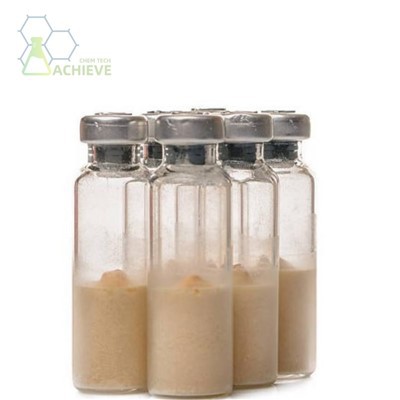
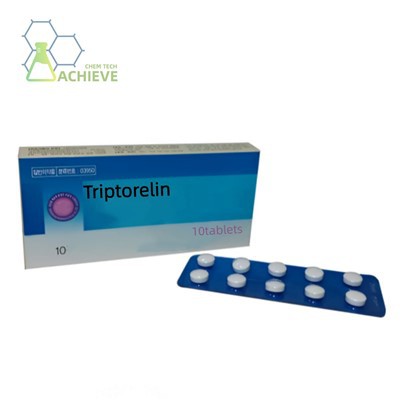
Our Products Form



Carnosine COA


Applications in the Food Industry and Food Preservation
Application in Meat Product Preservation
Meat products are a key category in food preservation. Fresh and processed meats are rich in myoglobin, unsaturated fatty acids and high-quality proteins. During storage, transportation and retail, they are highly susceptible to external factors including oxygen, temperature and metal ions, resulting in color browning, fatty acid rancidity and flavor deterioration. These defects drastically shorten shelf life and compromise product quality and edible safety.
Traditional meat preservation heavily relies on synthetic additives such as nitrites. Though nitrites deliver color retention, bacteriostasis and antiseptic effects, excessive residues generate carcinogenic N-nitrosamines, posing severe food safety hazards. Long-term nitrite application also hardens meat texture and distorts authentic flavor, failing to meet modern consumer demand for natural, healthy food. Featuring superior antioxidant and metal chelating properties, the active ingredient L-carnosine in carnosine tablets can effectively replace partial synthetic additives and act as a core raw material for green preservation and safe color protection of meat products.


The core color-protective and fresh-keeping mechanism of carnosine for meat lies in suppressing myoglobin oxidative discoloration and blocking fatty acid rancidity. The bright red hue of meat originates from the oxygenated state of myoglobin. During storage, myoglobin is readily oxidized into metmyoglobin, turning meat from bright red to dark brown or taupe and severely impairing visual quality. Carnosine chelates transition metal ions (copper, iron, etc.) in meat to interrupt metal-mediated oxidation, while directly scavenging ROS to inhibit oxidative denaturation of myoglobin and stabilize meat color. Multiple food processing trials verify that adding 0.02%–0.5% carnosine to refrigerated pork, beef and chicken significantly delays browning. Within a 7–14 day refrigeration cycle, treated meat retains remarkably brighter color than blank control groups, delivering stable and long-lasting color protection.
In terms of lipid preservation, unsaturated fatty acids in meat readily undergo oxidative hydrolysis to produce off-flavor aldehydes and ketones, triggering rancidity and generating toxic lipid peroxides harmful to human health. Carnosine profoundly suppresses lipid peroxidation chain reactions in meat, reduces thiobarbituric acid reactive substances (TBARS) and halts rancidity, fully preserving the original savory flavor of meat. At equivalent dosages, carnosine exhibits stronger antioxidant and fresh-keeping performance than conventional synthetic antioxidants including tocopherol and butylated hydroxytoluene (BHT), without risks of chemical residues.
Moreover, carnosine serves as an outstanding auxiliary color stabilizer substituting nitrites. It stabilizes meat color and quality without high-dose nitrite addition, drastically lowering N-nitrosamine formation and aligning with the trend of green meat processing. At present, it is extensively applied in the preservation and production of sausages, meatballs, cured fresh meat, low-temperature cooked meat and other meat derivatives.


Application in Baked and High-Sugar Foods
Baked goods and high-sugar foods dominate the modern food industry, covering bread, cakes, cookies, desserts and sugar-containing pastries. Their manufacturing involves high-temperature baking and prolonged heating. The matrix is abundant in reducing sugars, proteins and amino acids, which readily trigger Maillard reactions and glycation, generating hazardous contaminants such as advanced glycation end products (AGEs) and acrylamide. These toxic substances damage nutritional composition and degrade product quality; long-term intake accelerates cellular senescence and induces metabolic disorders, posing potential threats to human health.
Additionally, secondary glycation and oxidation occur during storage of high-sugar baked foods, leading to hard texture, dull color and deteriorated flavor, restricting quality upgrading.
With unique carbonyl trapping and anti-glycation activity, carnosine specifically mitigates quality degradation during production and storage of baked and high-sugar foods, functioning as an effective hazard-reducing processing aid.
Its core functional mechanism lies in efficiently capturing active carbonyl groups in food matrices under high temperatures, interrupting the cascade of Maillard and glycation reactions and curbing hazardous byproduct formation at the source. During high-temperature baking, reducing sugars decompose into abundant active carbonyl compounds, which bind with amino acids and proteins to continuously generate AGEs and acrylamide. Carnosine tablets molecules preferentially combine with active carbonyls to consume reactive substrates, inhibiting carbonyl accumulation and subsequent toxic reactions.


Numerous processing experiments confirm that incorporating appropriate carnosine into premixes for cakes, cookies and toast cuts acrylamide levels by 20%–40% and markedly reduces AGE generation, effectively mitigating food safety risks introduced by thermal processing.
Furthermore, carnosine optimizes processing performance and storage stability of baked foods. High-sugar baked goods frequently suffer from charred crusts, coarse inner texture and moisture-induced spoilage within shelf life due to glycation and oxidation. Carnosine stabilizes the physicochemical properties of food matrices, minimizes nutrient loss from high-temperature processing, maintains soft texture and authentic flavor of baked products, slows oxidative deterioration during storage and extends shelf life.In addition, carnosine is naturally non-toxic and boasts excellent heat resistance, tolerating baking temperatures ranging from 160 °C to 220 °C without activity loss or byproduct generation.
It does not alter the inherent taste and flavor of food, fully satisfying processing requirements for premium baked goods, sugar-free/low-sugar bakery products and healthy high-sugar snacks, and providing vital technical support for the health-oriented upgrading of baked food products.
Antioxidation and Shelf-Life Extension in Dairy Products and Edible Oils
Dairy products and edible oils are highly susceptible to oxidative spoilage. Dairy products (milk, yogurt, milk powder, cream derivatives, etc.) contain abundant milk fat, milk protein and unsaturated fatty acids with high moisture content and rich nutrients. During storage, they easily develop lipid oxidation, protein denaturation and microbial proliferation, resulting in rancidity, stratification, agglomeration and off-odors.


Edible vegetable and animal oils contained in oil-bearing foods are rich in unsaturated fatty acids; exposure to oxygen, light and high temperature initiates lipid peroxidation, producing rancid odor and toxic oxidized derivatives that render products unmarketable.
Conventional preservation strategies including low-temperature storage, vacuum packaging and synthetic antioxidant addition suffer from high costs, limited fresh-keeping efficacy and chemical residue risks. The natural antioxidant properties of carnosine effectively overcome these drawbacks of traditional preservation technologies.
For dairy preservation, carnosine exerts multi-functional effects: antioxidation, matrix stabilization and deterioration inhibition. Milk fat acts as the core carrier of dairy flavor and nutrition, yet it is the primary substrate for oxidative spoilage; lipid oxidation directly ruins flavor and shortens shelf life.
Carnosine efficiently eliminates ROS within dairy matrices, blocks milk fat peroxidation and chelates metal ions from raw materials to avoid metal-catalyzed oxidation, comprehensively restraining oxidative rancidity of dairy products.
For liquid dairy products such as fluid milk and yogurt, trace carnosine stabilizes pH value, reduces stratification and precipitation during storage, and maintains mellow texture and pure flavor. For solid dairy products including milk powder, carnosine suppresses oxidative agglomeration of powder, slows nutrient loss and prolongs ambient shelf life. Compared with synthetic antioxidants, carnosine delivers superior compatibility with dairy systems without disrupting milk protein structures or altering native nutrition and flavor, accompanied by higher safety profiles.


Carnosine tablets demonstrates more prominent antioxidant advantages in edible oils and oil-containing food preservation. All types of refined vegetable oils, blended oils and animal fats continuously contact oxygen during storage, transportation and cooking, prone to oxidative deterioration that generates peroxides, aldehydes and other harmful substances. Carnosine directly intervenes in oil oxidation chain reactions to terminate free radical transmission, suppress the rise of peroxide value and delay rancid spoilage. Experimental data indicate that under ambient storage conditions, edible oils supplemented with trace carnosine achieve over 30% longer oxidative stability time and drastically reduced peroxide production.
Meanwhile, carnosine can be applied to oil-processed foods such as nuts, fried snacks and pastries to inhibit lipid oxidation, solving the industrial pain points of short shelf life and easy spoilage for oil-rich products. It eliminates reliance on synthetic antioxidants and enables natural long-term preservation for oils and oil-containing foods.
Metabolism and Bioavailability
After oral administration of carnosine, the core active ingredient L-carnosine rapidly dissolves and absorbs within the human digestive tract, featuring mild, efficient overall metabolism and outstanding bioavailability.
Upon reaching the stomach, carnosine withstands gastric acid without rapid degradation by strong acid. It then enters the small intestine and is quickly absorbed through intestinal mucosa into blood circulation, exerting physiological activity directly without complex metabolic transformation.
Unabsorbed carnosine undergoes gradual metabolism in the body, primarily decomposed by the liver, and ultimately excreted via urine through the kidneys, with zero risk of in-vivo accumulation and extremely high long-term intake safety.
Relevant research demonstrates that after moderate single oral supplementation, human plasma carnosine concentration peaks within 1–2 hours, with sustained biological activity lasting 6–8 hours. Under regular dietary supplementation dosages, the human absorption rate of carnosine exceeds 70%, far higher than most synthetic functional peptides. Additionally, carnosine metabolism generates no toxic byproducts and adapts to metabolic characteristics of all population groups, constituting its core metabolic advantage for wide application in special medical foods and dietary supplements.
References
- Anhui Gute Biotechnology Co., Ltd. Application Prospect of Carnosine in Food Industry[EB/OL]. 2025-08-22.
- Dietarysupplement.ai. Carnosine: Antioxidation, Anti-Glycation and Anti-Aging – Evidence-Based Research Guide[EB/OL]. 2026-04-20.
- Shunqi Network. Application Specifications and Industrial Uses of Carnosine as a Food Additive[EB/OL]. 2026-07-21.
- SciEngine. Natural Antioxidant Carnosine and Its Application in Meat Products[J]. Science and Technology of Food Industry, Core Journal Article.
- PeptideList. Carnosine Multi-Mechanism Biological Function and Safety Research[EB/OL]. April 2026.
FAQ
What is the best time to take carnosine?
+
-
Information provided here is for general knowledge and should not be taken as medical advice. Consult with a healthcare professional before starting any new supplement regimen.
Carnosine can be taken with or between meals, and consistent daily usage may help maintain tissue levels. Because the body may break it down quickly, dividing the total daily amount into multiple, smaller servings is a common approach.
Is there a difference between carnosine and L-carnosine?
+
-
Carnosine and L-carnosine are exactly the same thing. The "L" stands for levorotary, which simply describes the specific spatial structure (or optical isomer) naturally produced in the human body and found in dietary sources like meat.
Hot Tags: carnosine tablets, China carnosine tablets manufacturers, suppliers, felypressin, gonadorelin acetate for males, Ipamorelin Injection, liraglutide 18 mg 3ml injection, sglt2 glucagon, thymalfasin